
Boats are racing, waste competition (Türkiye) [2026]
Country: Türkiye
Site: Fethiye Municipality
Target: Tourists and visitors, Local communities and residents, Practitioners
Short Description
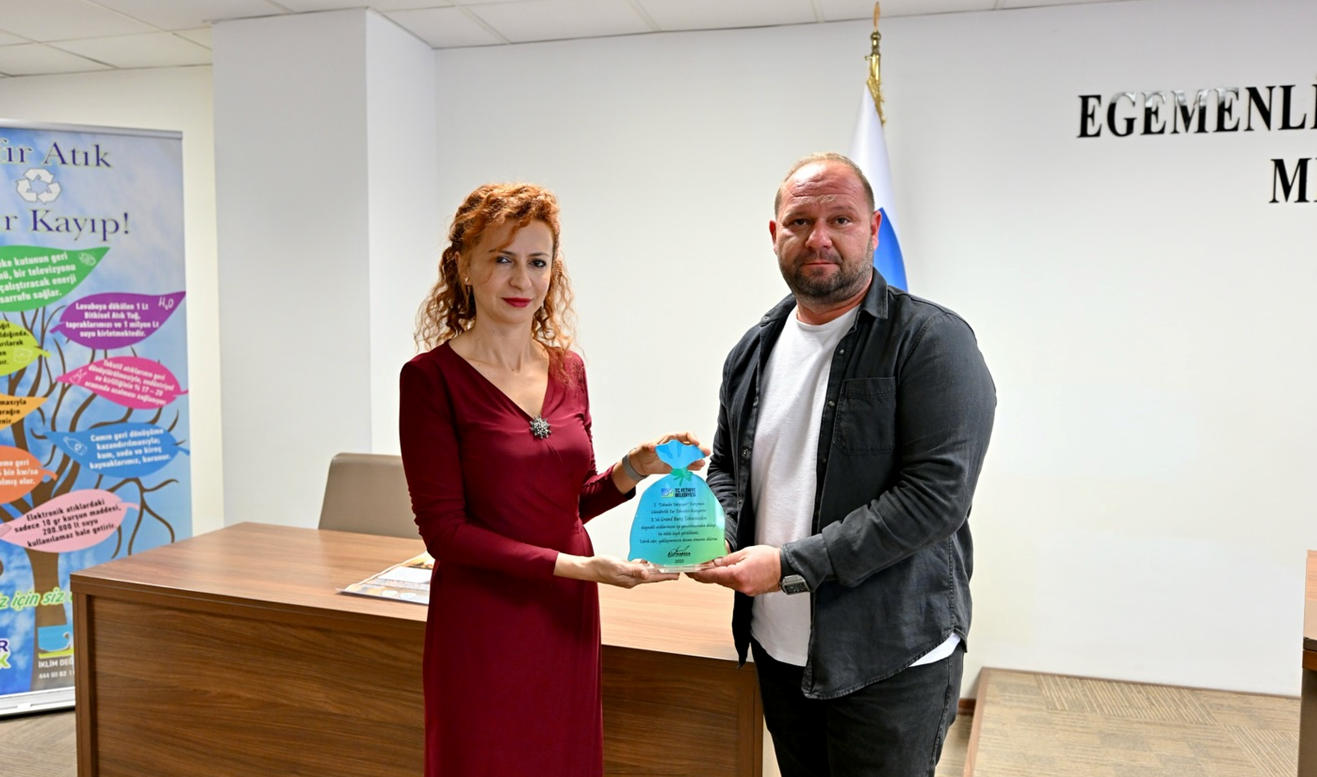
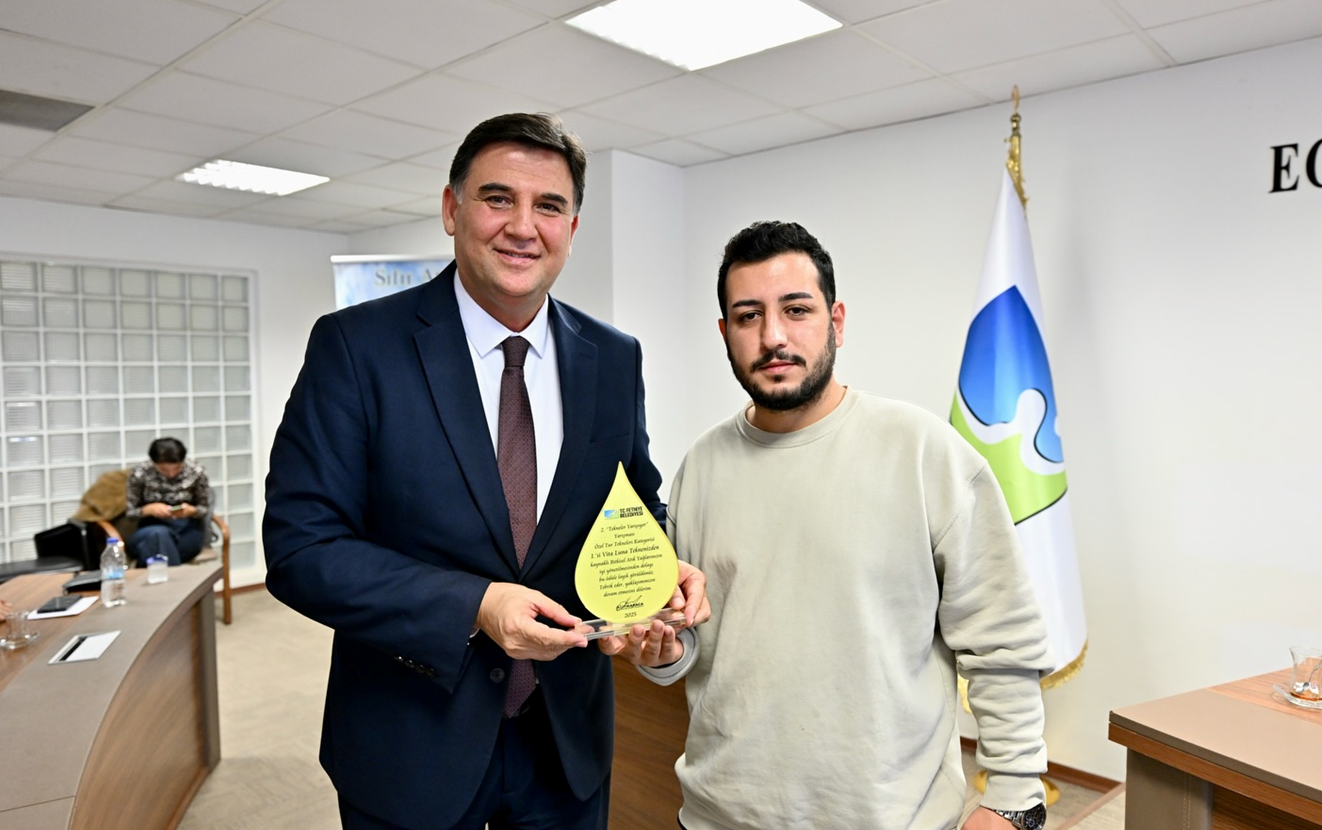
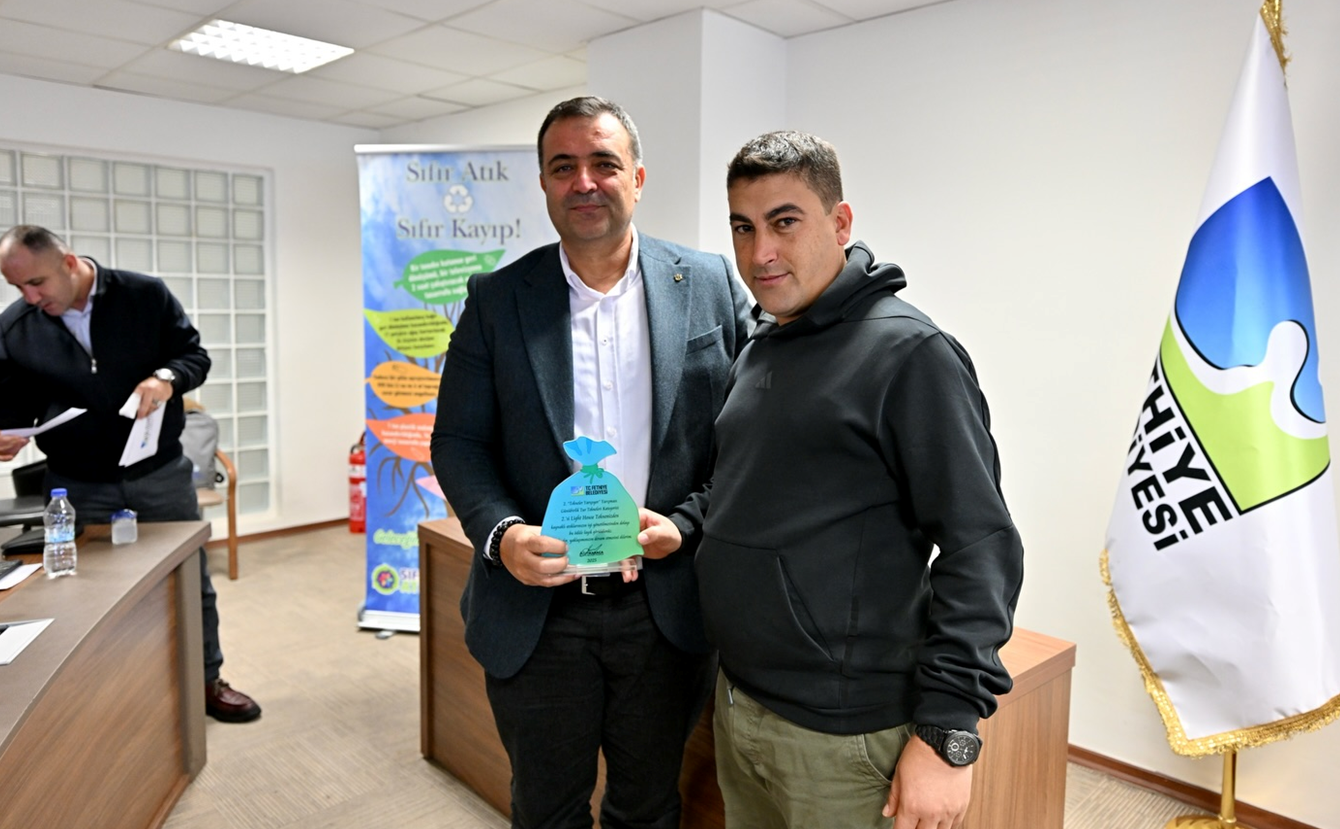
A competition by Fethiye Municipality and the Fethiye Chamber of Maritime Trade ensured proper separation of boat waste to prevent pollution, reduce microplastics, and support the circular economy.
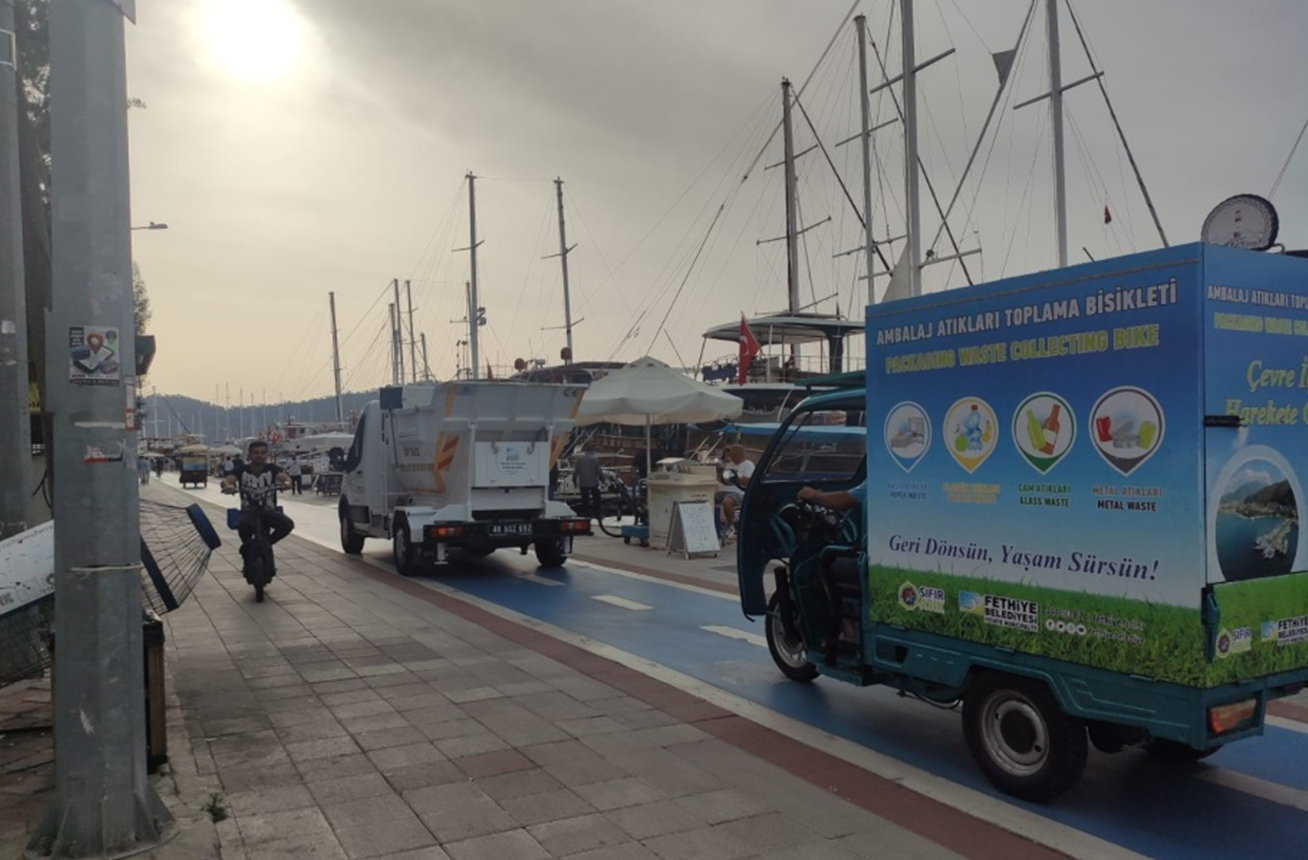
Waste was collected daily, recorded per boat, and included wet waste, packaging waste, and waste oils.
A total of 156 boats competed in three categories—Daily, Private, and Charter Tour Boats. Rankings were based on passenger capacity and per capita waste: high packaging (kg/person/day), low wet waste (kg/person/day), and regular oil delivery. Some information about environment awareness was also displayed (ex: one litre of waste oil can pollute one million litres of seawater and five million litres of drinking water)
Goals
To prevent recyclable waste from becoming general waste
To encourage greater attention to this issue through incentive-based awards among boat operators and employees
To protect marine ecosystems against climate change, especially macro/microplastics and waste oils
Reproducibility/lessons learnt
In line with sustainability principles, such practices are considered a necessity rather than a choice.
Recycling contributes to energy and oil savings and protects natural resources such as trees, sand, soda ash...
Local authorities were highlighted as facilitators in preventing solid and liquid waste from entering marine environments.
Circular Economy in Yaiza Schools (Spain) [2026]
Country: Spain
Site: Yaiza Municipality
Target: Students and schools, Teachers and educators

Short Description
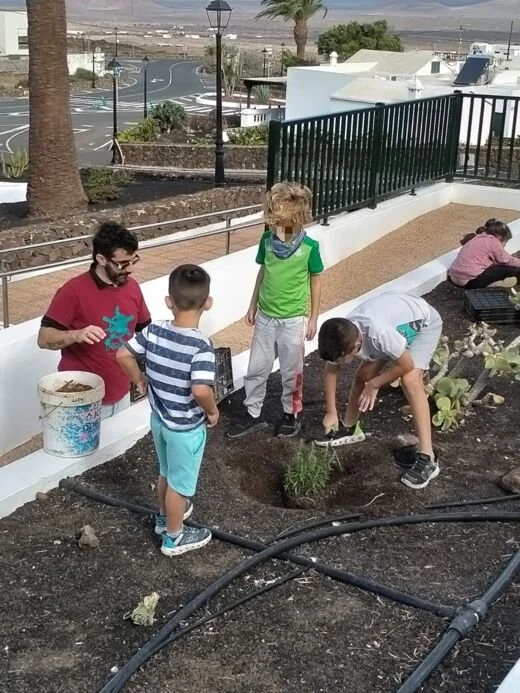
The Yaiza City Council promotes circular economy and environmental education through an integrated project in schools that combines school composting and participation in the Biosphere Schools Network.
In school composting, students learn that organic matter is not waste, but a valuable resource that can be transformed into compost for gardens. Students actively participate in making and monitoring the compost.
Schools also implement educational action plans, school gardens, and environmental awareness activities, fostering the engagement of students, families, and teachers while developing ecological awareness.
Goals
Promote circular economy through the reuse of organic matter and hands-on education.
Foster sustainable schools committed to community and environmental development.
Encourage active participation of students, families, and teachers in responsible practices.
Reproducibility/lessons learnt
The effectiveness of hands-on learning to internalize circular economy principles,
The combination of school composting and participation in sustainability networks connects theory with practice
Recycling point with a soul (Croatia) [2026]
Country: Croatia
Site: Camp Kovačine
Target: Students and schools, Teachers and educators, Tourists and visitors, Local communities and residents, Staff, Practitioners, Families and kids

Short Description
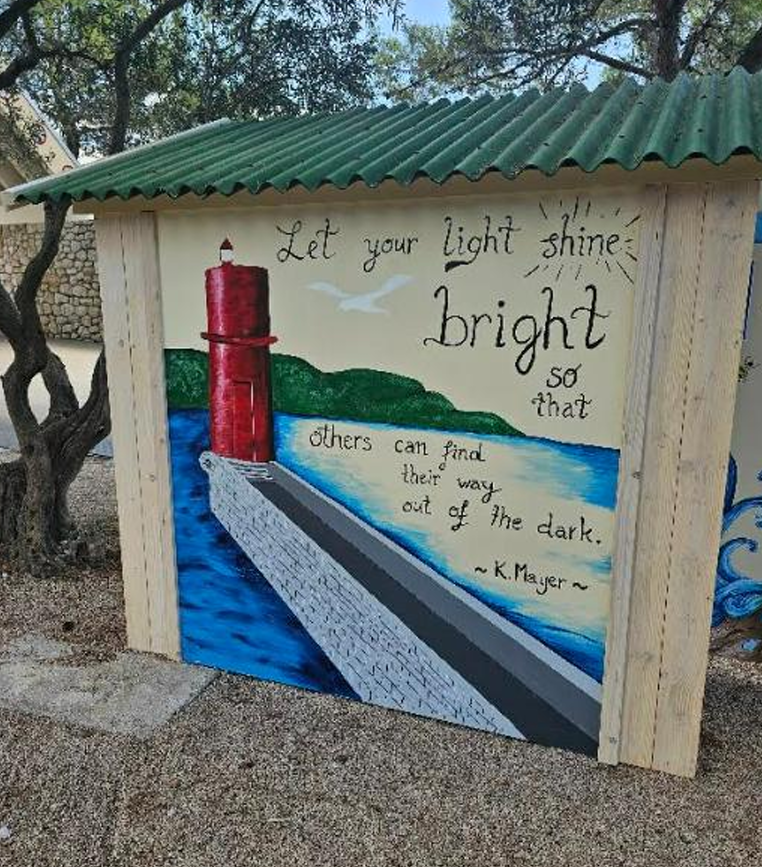
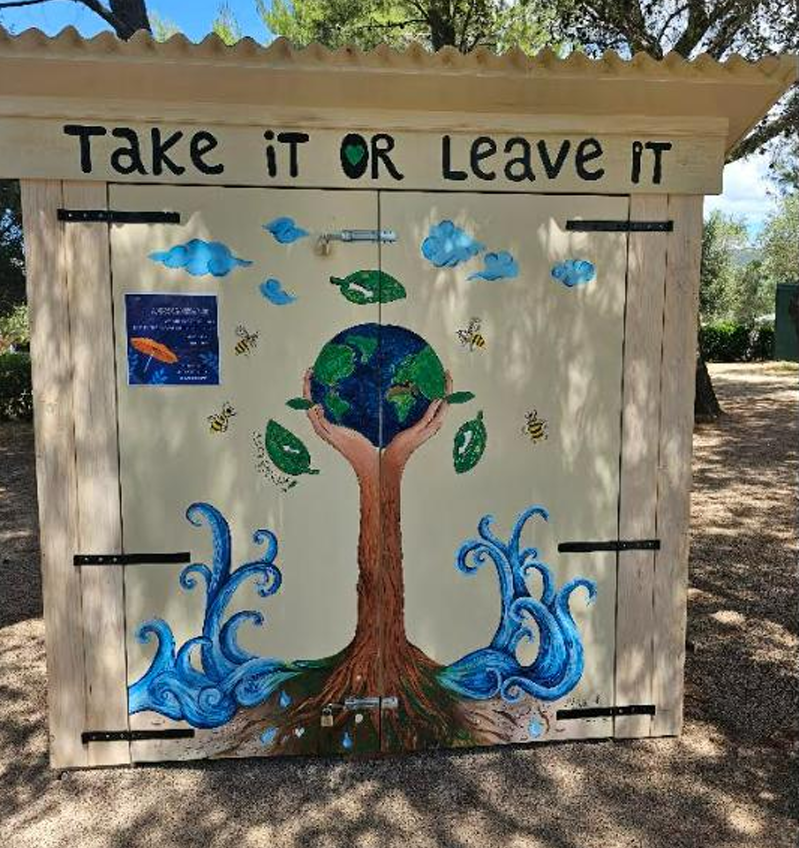
Located next to the reception, the “Take it or leave it“ functions as a place for exchanging items and stories: books, tents, fins, paddles, grills, mini-fridges, clothes, shoes, mugs, toys and countless other little things get a new life instead of becoming waste. In this way, the project encourages responsible behavior, a circular economy and a sense of community among the guests of the camping site.
Goals
The Recycling Cabin with a Soul at Camp Kovačine is not just a place for exchanging items, it is a symbol of trust, sustainability, and togetherness
To combine ecology, creativity, and emotion in a project, to create new value for the local community and guests from around the world
Reproducibility/lessons learnt
With its innovative approach and measurable results, this little “Take it or leave it“ house proves that sustainable tourism is not just a strategy but an everyday practice that can inspire many.
Give invasive aquatic plants a new life (Japan) [2026]
Country: Japan
Site: Yanmar Sunset Marina
Target: Tourists and visitors, Local communities and residents, Staff
Short Description
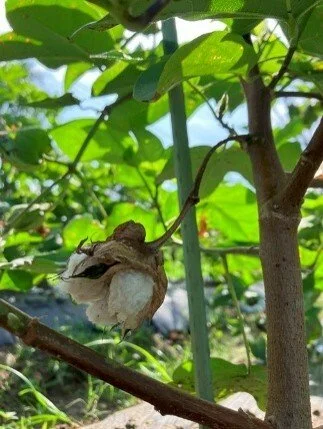
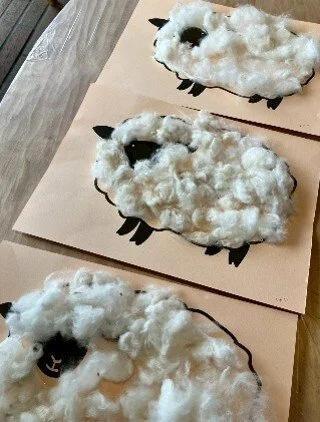
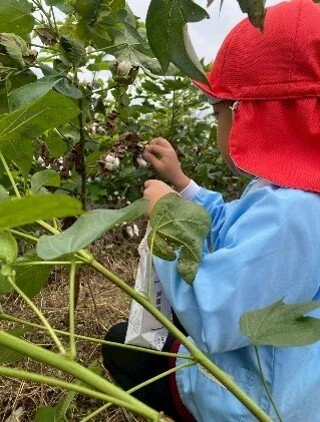
At Lake Biwa, invasive aquatic plants have rapidly spread, harming the shoreline and making boat navigation unsafe. To address this issue, the marina removes these plants and then turn them into compost through a dedicated system. With the compost, vegetables and cotton are cultivated, and the cotton is used for the staff uniforms. By using aquatic plants that were previously incinerated as waste, the marina reduces both waste generation and emissions. However, the resource circulation remains small compared to the large amount of invasive aquatic plants.
Goals
Demonstration of a business model utilizing an organic resource circulation system based on aquatic plant recycling.
Realization of the “Lake Biwa Eco‑Cycle Zone” through the expansion of a resource‑circulation network in collaboration with local governments, businesses, and residents.
Reproducibility/lessons learnt
The resource‑circulation process should be easy to understand by visualizing it clearly
The Blue Flag certification can be used as a symbol to communicate environmental goals and policies, and to demonstrate ongoing commitment.
Working with local governments, businesses, and residents can help to raise environmental awareness