
Important information for Blue Flag sites in the European Union Directive (EU) 2024/825 – Blue Flag arrangements from 27 September 2026
The Foundation for Environmental Education (FEE), through the Blue Flag Programme, is currently implementing transitional arrangements in response to Directive (EU) 2024/825 on empowering consumers for the green transition.
The Directive introduces new EU consumerprotection rules concerning environmental claims and sustainability labels. EU Member States were required to transpose the Directive into national law by 27 March 2026, with the relevant national measures applying from 27 September 2026. EUR-Lex
What this means for Blue Flag
Blue Flag is an international environmental and educational programme operating across different legal and management contexts, including publicly managed beaches and marinas, as well as privately managed beaches, marinas and tourism boats.
Importantly, most Blue Flag sites in the European Union have already concluded, or will have concluded, their 2026 Blue Flag season before 27 September 2026. At these sites, the Blue Flag is no longer being flown as part of the normal seasonal operation of the Programme. The transitional arrangements described here are therefore primarily relevant to the smaller number of sites with longer or year-round operational seasons extending beyond 26 September 2026.
FEE has been working extensively with the European institutions, Blue Flag National Operators and other stakeholders to understand the implications of the new framework and to ensure that appropriate arrangements are available for those sites whose Blue Flag season remains active when the new rules begin to apply.
The clarification received by FEE from the European Commission in September 2026, in response to the parliamentary question submitted on the Blue Flag programme, is particularly relevant to this work (Parliamentary question | Ensuring the continued operation of the Blue Flag Programme under Directive (EU) 2024/825 | E-003031/2026 | European Parliament). The Commission clarified that the application of the EU consumer-protection framework depends on the context in which the Blue Flag is used. In particular, the recognition of a public beach managed by a public authority does not, in itself, automatically constitute a business-to-consumer commercial practice. Where the Blue Flag is used by a trader as part of commercial communications, however, the provisions of the Unfair Commercial Practices Directive may apply, depending on the specific circumstances.
Parliamentary question | Answer for question E-003031/26 | E-003031/2026(ASW) | European Parliament
Accordingly, FEE is working with National Operators to apply a proportionate and precautionary approach to the limited number of Blue Flag sites whose operational season continues on or beyond 27 September 2026
Transitional arrangements for the remainder of the 2026 season
FEE is therefore working with Blue Flag National Operators and local sites across the European Union to put appropriate arrangements in place for sites whose 2026 Blue Flag operational season continues beyond 27 September 2026.
For private and commercial sites, FEE will be making available, as soon as possible, an additional independent external verification pathway. Eligible sites may voluntarily undergo an independent third-party desktop audit of their existing 2026 Blue Flag application and supporting evidence.
Where the necessary arrangements have been confirmed, affected sites will receive information directly through their Blue Flag National Operator concerning the continued display and communication of the Blue Flag for the remainder of their operational season.
Where such confirmation has not been provided or finalised, the precautionary measure of Blue Flag International is that affected sites should cease public display of the Blue Flag flag by the end of 26 September 2026, before the Directive becomes active on the 27 of September.
A proportionate and precautionary approach
The Directive itself does not provide an additional grace period beyond 27 September 2026. At the same time, the European Commission has welcomed a common approach by national consumer-protection authorities that recognises genuine transitional difficulties and practical constraints. https://commission.europa.eu/document/264d8c70-2f9a-4955-8e7b-154d55a9b684_en
FEE's approach is therefore intended to be precautionary, proportionate and coordinated: protecting consumers and the credibility of the Blue Flag while avoiding unnecessary disruption to municipalities, local authorities, private operators and other organisations that have already successfully completed the Blue Flag assessment process for the 2026 season.
Blue Flag is continuing
Blue Flag International is strengthening the Programme's governance, assurance and recognition framework to respond to the evolving EU regulatory environment while preserving the environmental, educational and public-interest purpose that has underpinned Blue Flag for decades.
Further information on the future recognition model, including arrangements for upcoming Blue Flag seasons, will be communicated to the Blue Flag network and published as the framework is finalised.
Information for individual sites
Blue Flag sites should follow the instructions provided by their National Operator concerning the display and communication of the Blue Flag from 27 September 2026.
Because the Directive (EU) 2024/825 is implemented through national legislation and the legal assessment of particular practices may depend on the specific circumstances, this notice constitutes general Blue Flag Programme guidance and does not constitute individual legal advice. Questions concerning the application of national consumer-protection legislation to a particular operator or commercial practice ultimately fall within the competence of the relevant national authorities.
FEE and Blue Flag International will continue to work with National Operators, participating sites and relevant authorities to support an orderly transition and the continued long-term operation of the Blue Flag Programme across Europe and worldwide.
Blue Flag Welcomes European Parliament Support for the Future of the Programme
Blue Flag Welcomes European Parliament Support for the Future of the Programme
The Foundation for Environmental Education (FEE) welcomes a cross-party initiative by 30 Members of the European Parliament calling on the European Commission to safeguard the future of the Blue Flag Programme in Europe.
This effort is led by a Member of the European Parliament, Vice-Chair of the S&D Group, Mr. Yannis Maniatis, after he was contacted by FEE and informed about the potential riks to the Bue Flag Programme arising from the implementation of Directive (EU) 2024/825 (Empowering Consumers for the Green Transition – EmpCo). The coalition of MEPs has submitted a formal parliamentary question to the European Commission and addressed a letter to the relevant European Commissioners, highlighting the importance of ensuring that the implementation of EmpCo does not unintentionally undermine one of Europe's most recognised environmental programmes.
Since its creation in 1987, Blue Flag has become a global symbol of environmental excellence, recognising beaches, marinas and tourism boats that meet high standards in water quality, environmental management, safety, accessibility and environmental education. Today, the programme is implemented across 52 countries, with approximately 3,800 Blue Flag sites in 22 EU Member States, making a significant contribution to sustainable tourism and the implementation of European environmental policies.
In his intervention, Mr. Maniatis recognises the programme's long-standing contribution to the European Union's environmental objectives while raising concerns that the application of legislation originally designed for consumer products could create disproportionate administrative and financial burdens for municipalities responsible for implementing Blue Flag. Such unintended consequences could reduce participation in the programme and weaken its positive environmental and socio-economic impact.
The Blue Flag Programme has already been proactively preparing for the new regulatory landscape. FEE is working closely with National Operators, accreditation experts, and European stakeholders to strengthen the programme's governance and verification framework, ensuring alignment with the objectives of the EmpCo Directive while preserving the programme's accessibility, credibility, and effectiveness that have defined Blue Flag for nearly forty years
Across Europe, Blue Flag supports municipalities and coastal communities in delivering high environmental standards through rigorous international criteria, independent assessment, and ongoing compliance monitoring. The Programme contributes directly to EU objectives on bathing water quality, environmental education, accessibility, environmental management, and sustainable tourism.
In a written statement, Mr. Maniatis emphasizes:
"The institution of the "Blue Flag" is an extremely successful environmental initiative, which has proven its value for decades. It is not just a symbol of quality, but a tool for environmental protection, sustainable development and strengthening Greek and European tourism.
The Commission must immediately ensure that the implementation of the new legislation does not create unjustified obstacles to the continuation of a programme that is a European model of success."
"We greatly appreciate Mr. Maniatis' recognition of the value that Blue Flag brings to Europe's coasts, communities and tourism sector," said Johann Durand, International Blue Flag Director, at the Foundation for Environmental Education. "As a programme that has supported environmental excellence for almost four decades, we share the objective of strengthening consumer confidence through robust and credible certification. We look forward to continuing our constructive dialogue with the European Commission and other European institutions to ensure that the implementation of the Directive reinforces, rather than jeopardises, successful public-interest environmental programmes such as Blue Flag."
FEE will continue working collaboratively with European institutions, Member States, and partners to ensure that Blue Flag remains a trusted driver of cleaner beaches, healthier coastal environments, informed citizens, and sustainable tourism across Europe for generations to come.”
Blue Flag in Europe
Established in 1987
Present in 22 EU Member States
Around 3,800 awarded beaches, marinas and tourism boats
A Programme of the Foundation for Environmental Education (FEE)
Contributes to EU objectives on water quality, environmental education and sustainable tourism
Source in Greek: maniatis-paremvasi-eyrwvouli-gia-mellon-galazia-simaia
Türkiye’s National Blue Flag Award Ceremony 2026
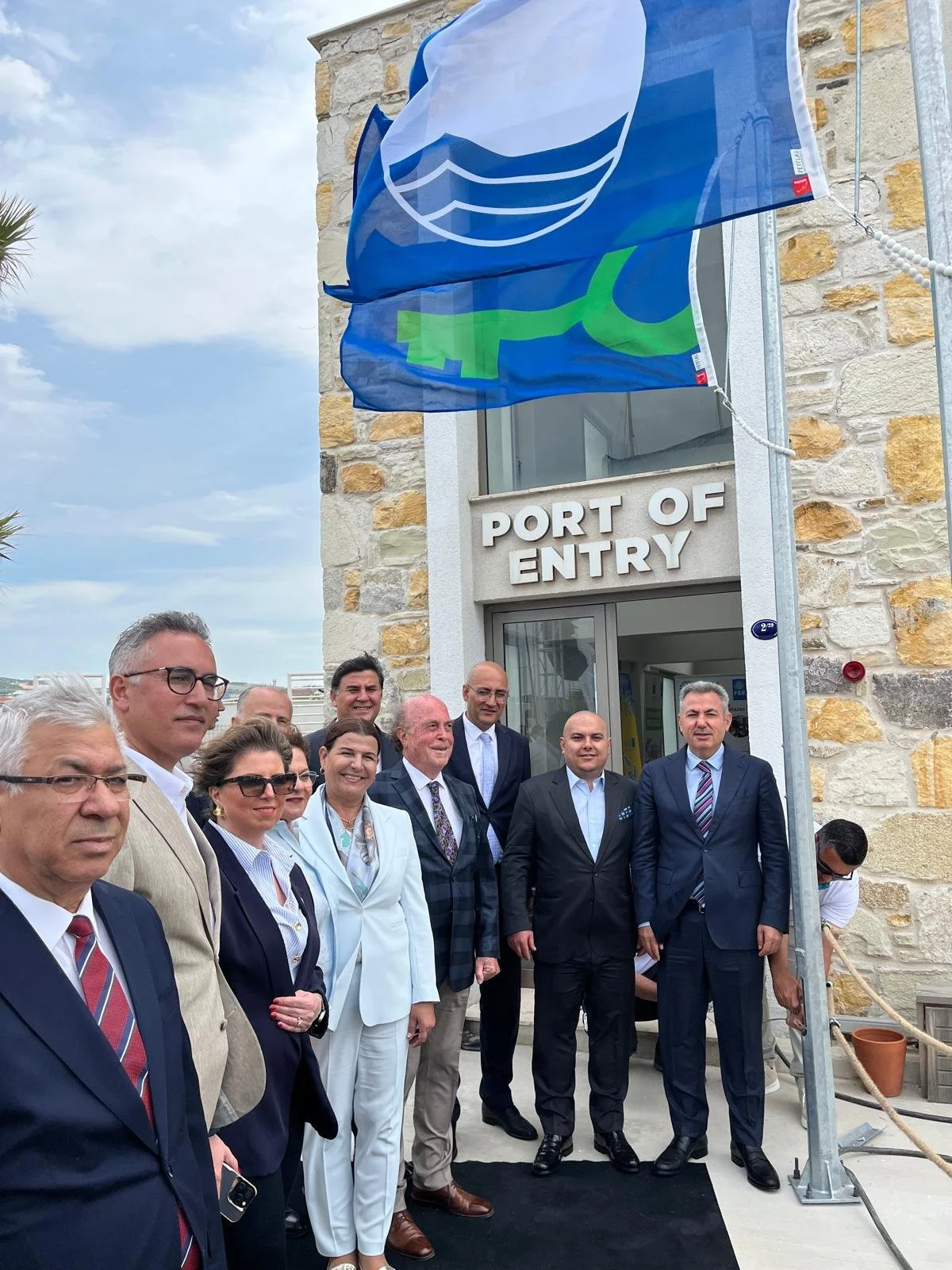
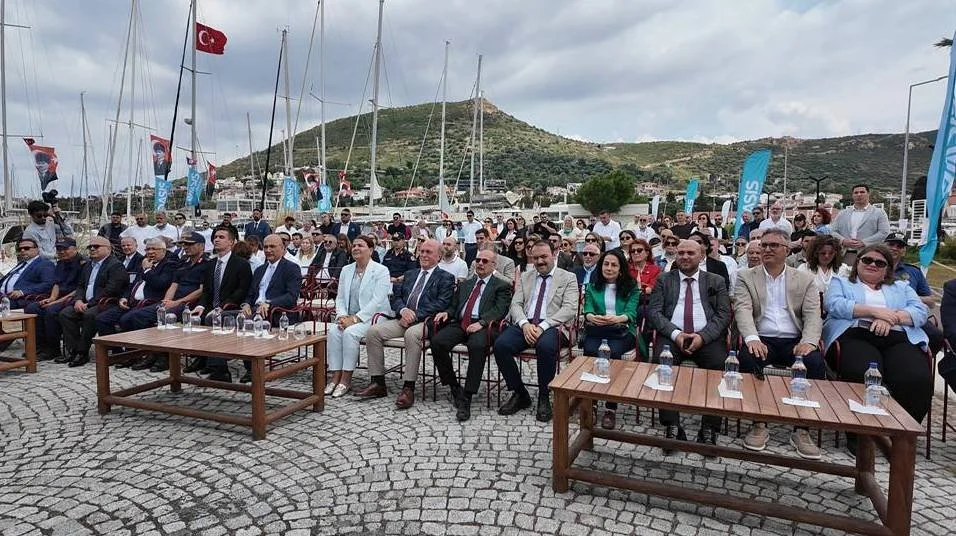
Following the announcement of the 2026 Blue Flag awards by the Foundation for Environmental Education (FEE), the National Blue Flag Award Ceremony was held at the Yenifoça Oasis Marina in Foça, İzmir.
At the ceremony, beaches, marinas, tourist boats, and private yachts that were deemed worthy of the Blue Flag award in 2026 were honored, once again highlighting Türkiye's strong position in international rankings.
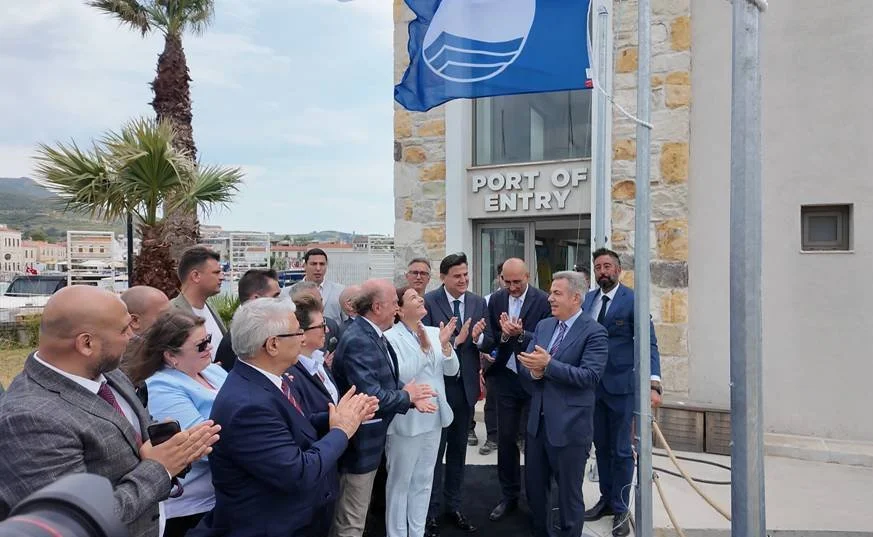
This year, Türkiye received Blue Flags for 580 beaches, 30 marinas, 18 tourist boats, and 26 private yachts. Thus, Türkiye maintained its position as the third country in the world with the most Blue Flag beaches in the beach category.
The ceremony was attended by the Governor of İzmir, Süleyman Elban; the Chairman of the Board of Directors of TÜRÇEV and former Minister of Tourism, Assoc. Prof. Dr. The ceremony was attended by Abdulkadir Ateş, Foça District Governor İhsan Emre Aydın, Foça Mayor Saniye Bora Fıçı, Fethiye Mayor Alim Karaca, Didim Mayor Hatice Gençay, as well as representatives from National Blue Flag Jury, public institutions, local governments, the tourism sector, and members of the press.
During the ceremony, Blue Flag Awards of 2026 were announced, and the Blue Flag was raised, representing award-winning beaches, marinas, tourist boats, and individual yachts across Türkiye. The program opened with a mini concert by pupils from Yeni Foça Kindergarten, an Eco-Schools participant school, who performed environmental-themed songs, adding a meaningful educational dimension to the event. Simultaneously, the International Green Key Flag was raised at Oasis Marina for seven award-winning individual yachts and at Oasis Houses Hotel.
With this development, for the first time in Türkiye, both a marina and 7 individual yachts affiliated with the marina received the International Blue Flag Award, while the accommodation unit within the same facility was also awarded the International Green Key certification.
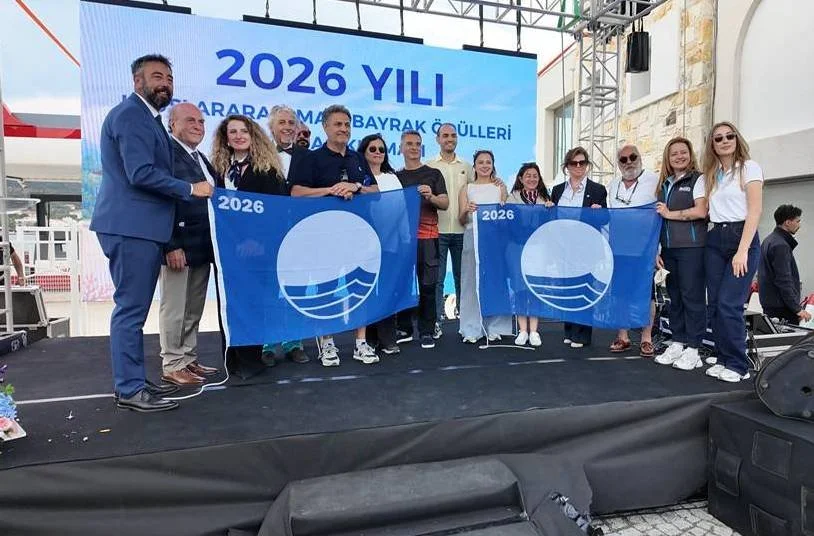
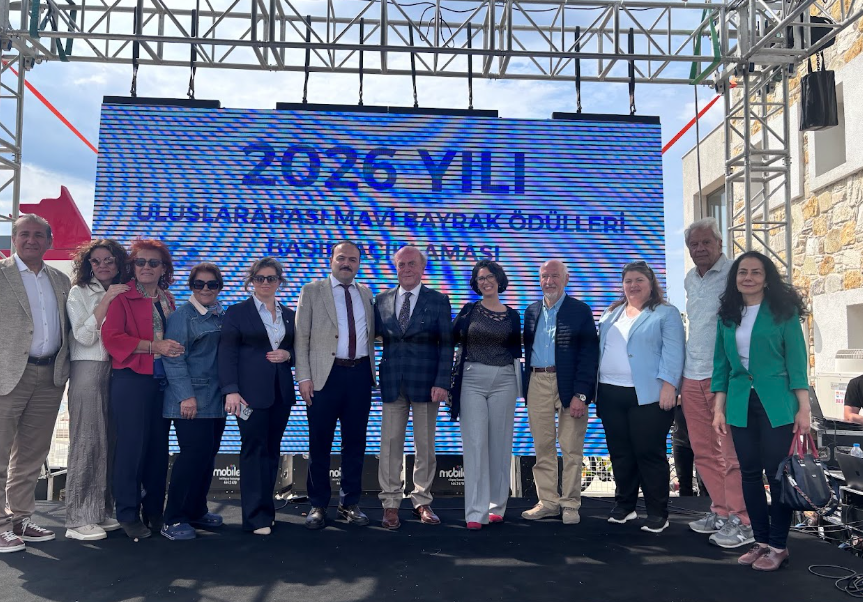
Speaking at the ceremony, TÜRÇEV Board Chairman and former Minister of Tourism Assoc. Dr. Abdulkadir Ateş emphasized the importance of sustainable tourism and environmental protection, stating that Turkiye's success in the Blue Flag field is the result of years of determined efforts. Ateş stated in his speech, “It is difficult to obtain the Blue Flag, but very easy to lose it. This success can only be sustained through continuous work, prioritising environmental awareness and education.”
As part of the programme, municipalities, hotels, tourism associations, marinas, and individual yacht owners who have implemented exemplary practices in environmental education and awareness activities were also presented with “Best Environmental Education and Awareness Activities Awards.”
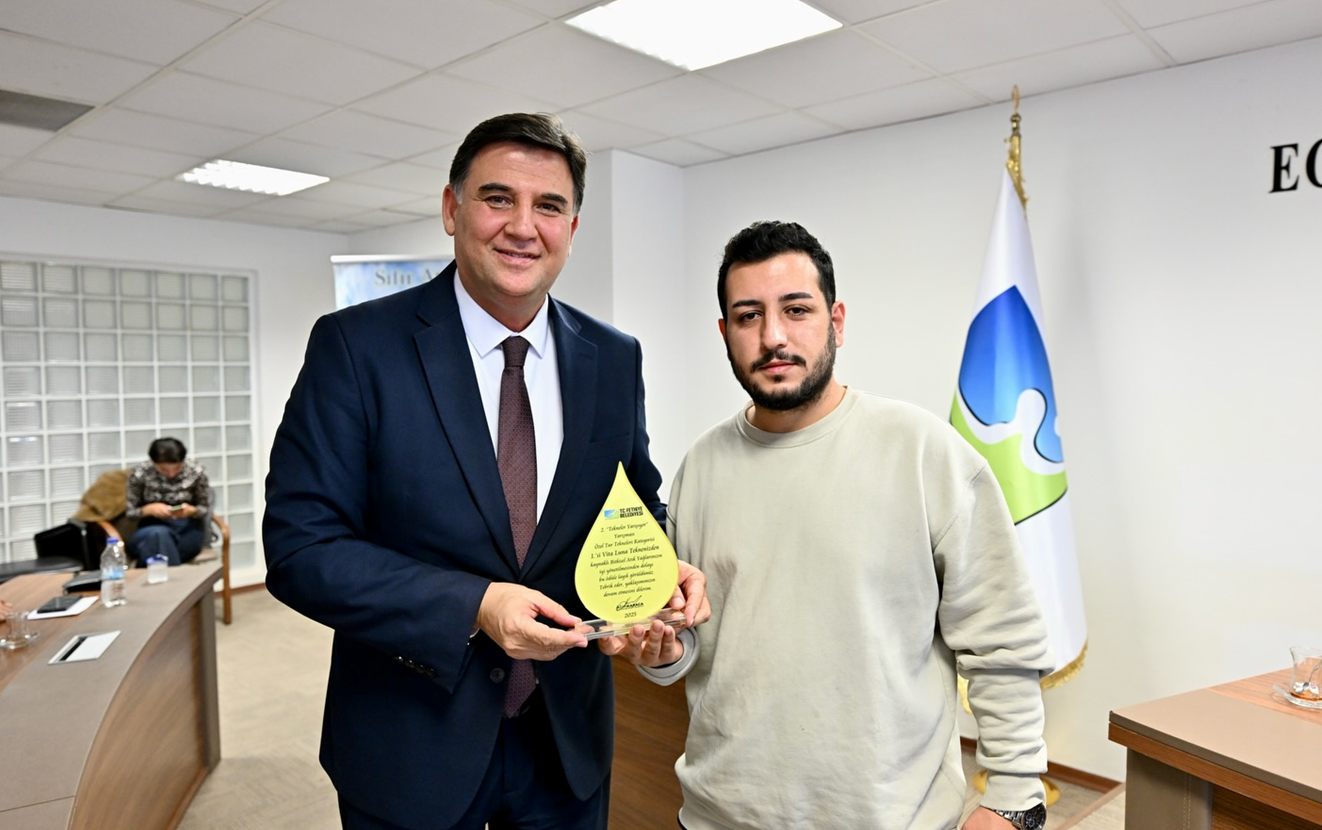
In the international evaluation organised by the International Foundation for Environmental Education, Fethiye Municipality was selected as third among the best practices among candidates from 54 countries. The certificate of achievement was presented to Fethiye Mayor Alim Karaca during the ceremony.
The Blue Flag programme, coordinated by TÜRÇEV since 1993, continues to contribute to Türkiye's sustainable tourism goals by taking into account criteria such as swimming water quality, environmental management, safety, accessibility, and environmental education.
China Holds Its First Blue Flag Beach Award Ceremony
On the morning of May 22, a flag awarding ceremony was held in Weihai, Shandong, marking the unveiling of China’s first Blue Flag beach. The Center for Environmental Education and Communications of Ministry of Ecology and Environment(CEEC in short), as the National Operator of Blue Flag Programme in China, awarded the Blue Flag to Weihai International Bathing Beach.
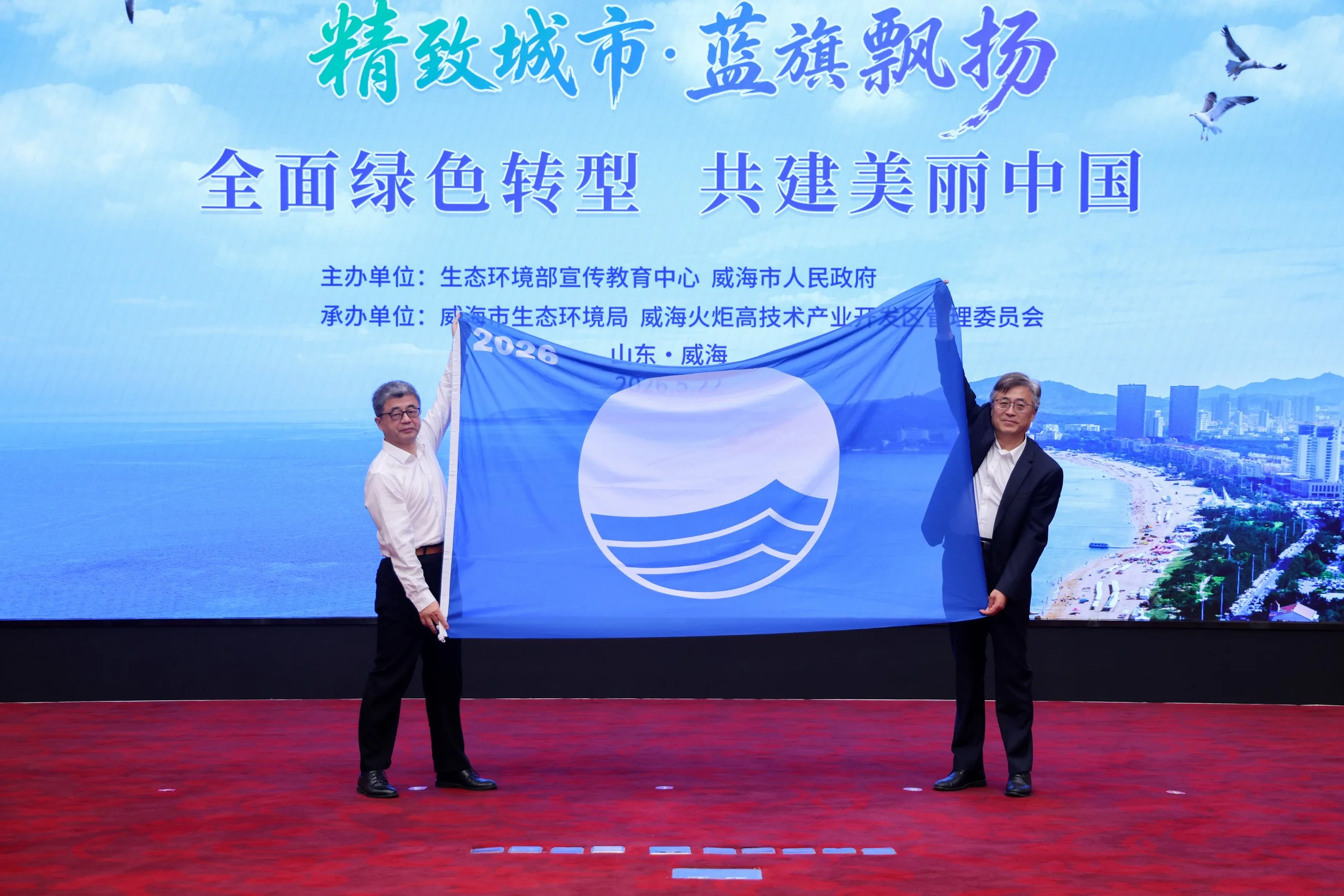
[Flag Awarding]
Established in 1992, Weihai International Bathing Beach is a naturally formed cape-bay beach located within Weihai Bay, which was awarded as one of the fourth batch of outstanding cases in the "Beautiful Bays" initiative by the Ministry of Ecology and Environment (MEE in short)—the "Beautiful Bays" initiative is a bay environmental improvement program launched by China in 2021, with 43 outstanding cases nationwide currently. The beach stretches approximately 2,800 meters in length, with water quality consistently rated as excellent. The section certified as a Blue Flag beach covers approximately 1,600 meters of the central coastline. In 2024, the beach attracted approximately 8 million visitors.
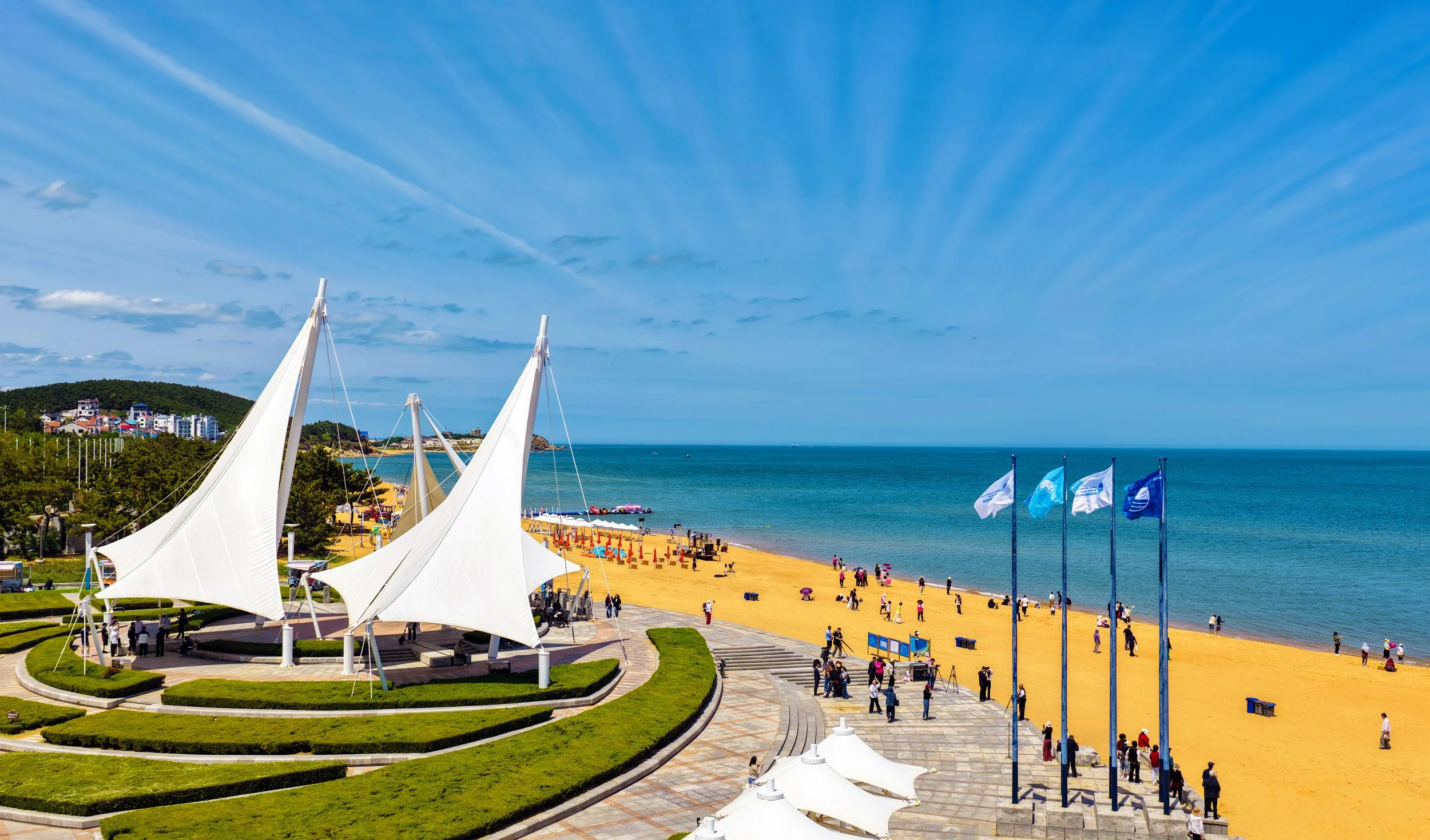
[Blue Flag flying over the Weihai International Bathing Beach]
At the ceremony, Mr. Daniel SCHAFFER, CEO of FEE, offered his congratulations via video on the success of China’s first Blue Flag beach. He stated that this achievement reflects the strong commitment of national and local authorities to protect the marine environment. He noted that the first Blue Flag beach located within a Beautiful Bay, indicates alignment between China’s “Beautiful Bays” initiative and the Blue Flag Programme.

[Photo from FEE CEO Daniel Schaffer’s congratulatory video]
In his remarks, a representative from the Department of Marine Ecology and Environment of MEE noted that the Blue Flag beach award ceremony further demonstrates the significant achievements made by Weihai in strengthening marine ecological conservation and advancing the development of beautiful bays. These efforts have not only improved the ecological quality of the bay but also fostered the growth of coastal eco-tourism, enhancing the public’s sense of fulfillment and happiness in enjoying the sea activities.
Mr. LIANG Hao, Vice Mayor of Weihai Municipal People’s Government, stated that the awarding of Blue Flag to Weihai International Bathing Beach represents not only recognition for Weihai but also a significant responsibility. Moving forward, Weihai will take the opportunity to align with international best practices and standards, systematically enhance coastal protection and management, and fully commit to developing a set of replicable and scalable “Weihai models” for beach conservation and management, thereby contributing to the construction of a Beautiful China.
Special observers for ecological and environmental affairs Ms. JU Ping and Mr. HU Ge, Shanghai Film Studio actor Mr.CHEN Long, and ecological artist Ms.HAN Lili recorded special videos for this event, calling on the whole society to protect the marine ecosystem and work together to build a harmonious home for both humans and wildlife. Renowned athlete and Athens Olympic women’s weightlifting world champion Ms.TANG Gonghong, along with Weihai marine ecological volunteers, jointly issued a call to the public on civilized ocean engagement and eco-friendly beachcombing.

[Photos from JU Ping’s congratulatory video]
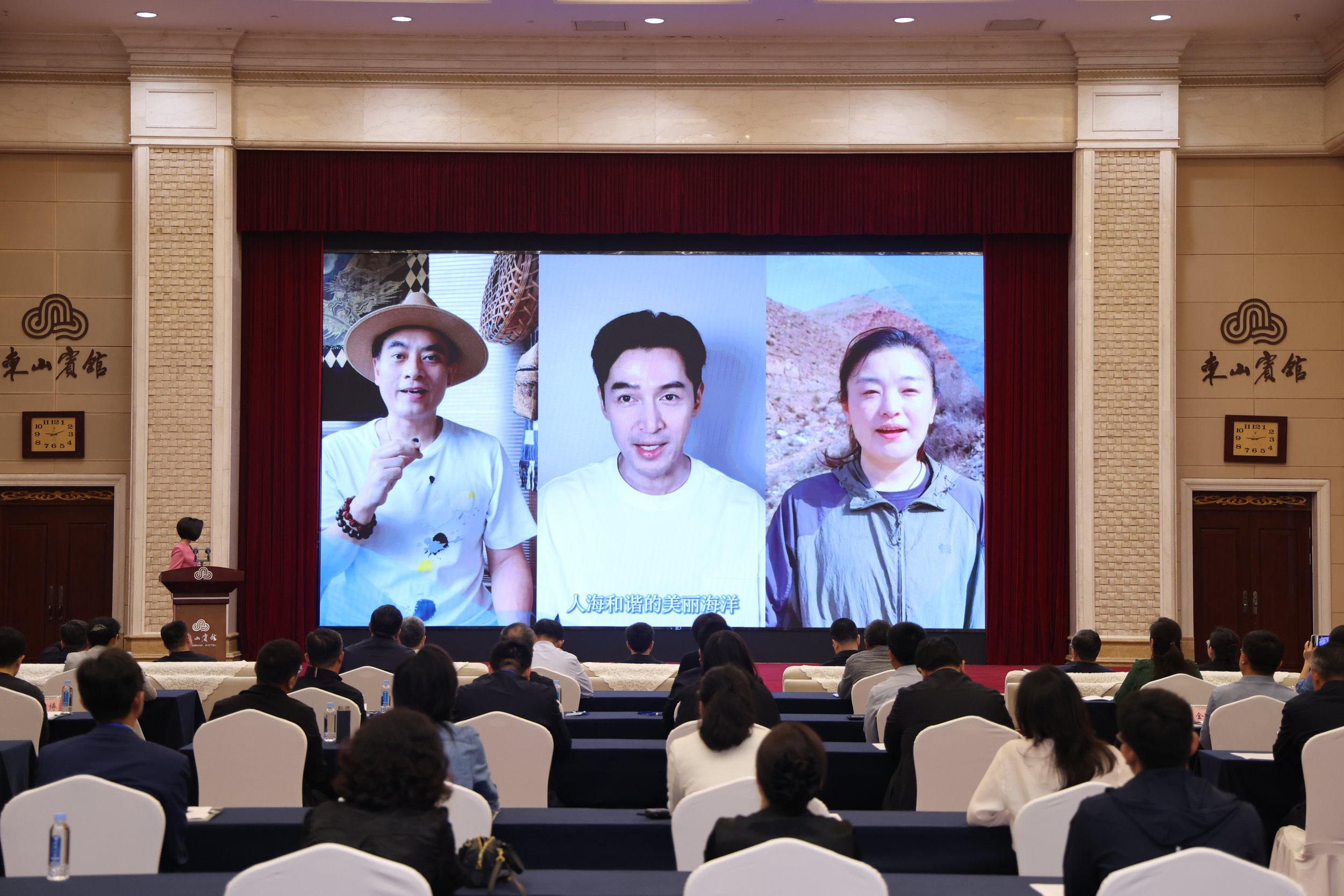
[Photos from HU Ge’s team’s congratulatory video]

[Photo of TANG Gonghong (the second from the right) and other volunteers]
As China’s first Blue Flag beach pilot site, the Weihai International Bathing Beach undertook improvements in 2025 under the guidance of CEEC , Ocean University of China and the Weihai Municipal Bureau of Ecology and Environment, etc. based on 33 criteria of Blue Flag beach across four categories.
These improvements include, but are not limited to, inviting third parties to establish a routine water quality monitoring, upgrading the multilingual guidance system and accessibility facilities for water activities in accordance with international standards, installing educational displays on biodiversity conservation, and leveraging occasions such as “World Environment Day” to continuously organise environmental education activities—including beach cleanups and science outreach—to encourage the public to engage in ecological conservation. Since January of 2026, NGOs in Weihai have organized 31 volunteer beach cleanup events at the International Bathing Beach, as well as 10 “Daily Beach Cleanup for 5 Minutes” activities designed to engage local residents and tourists, which have attracted more than 360 participants.
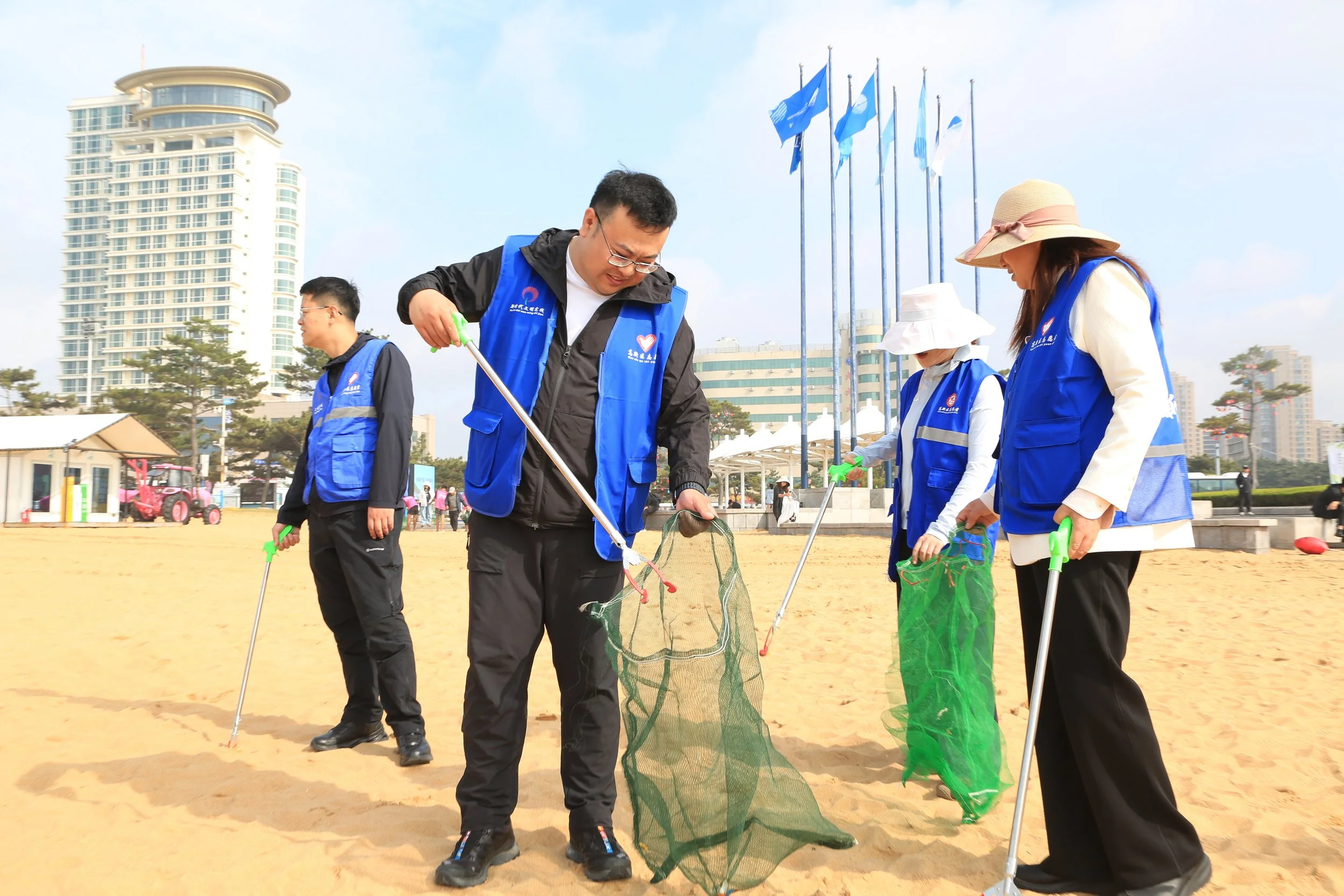
[Beach cleanup events]
Of course, the Blue Flag beach honor of Weihai International Bathing Beach largely benefits from the marine ecological conservation and restoration efforts promoted at the national level. Since 2018, the Torch High-Tech Industrial Development Zone, where the Weihai International Bathing Beach is located, has invested over 300 million yuan in coordinated efforts to restore the bay’s ecology. It has also continuously conducted a series of key projects, including the remediation of discharge outlets into the sea and rivers. As a result, the water quality in the zone’s nearshore waters has remained consistently at 100% excellent.
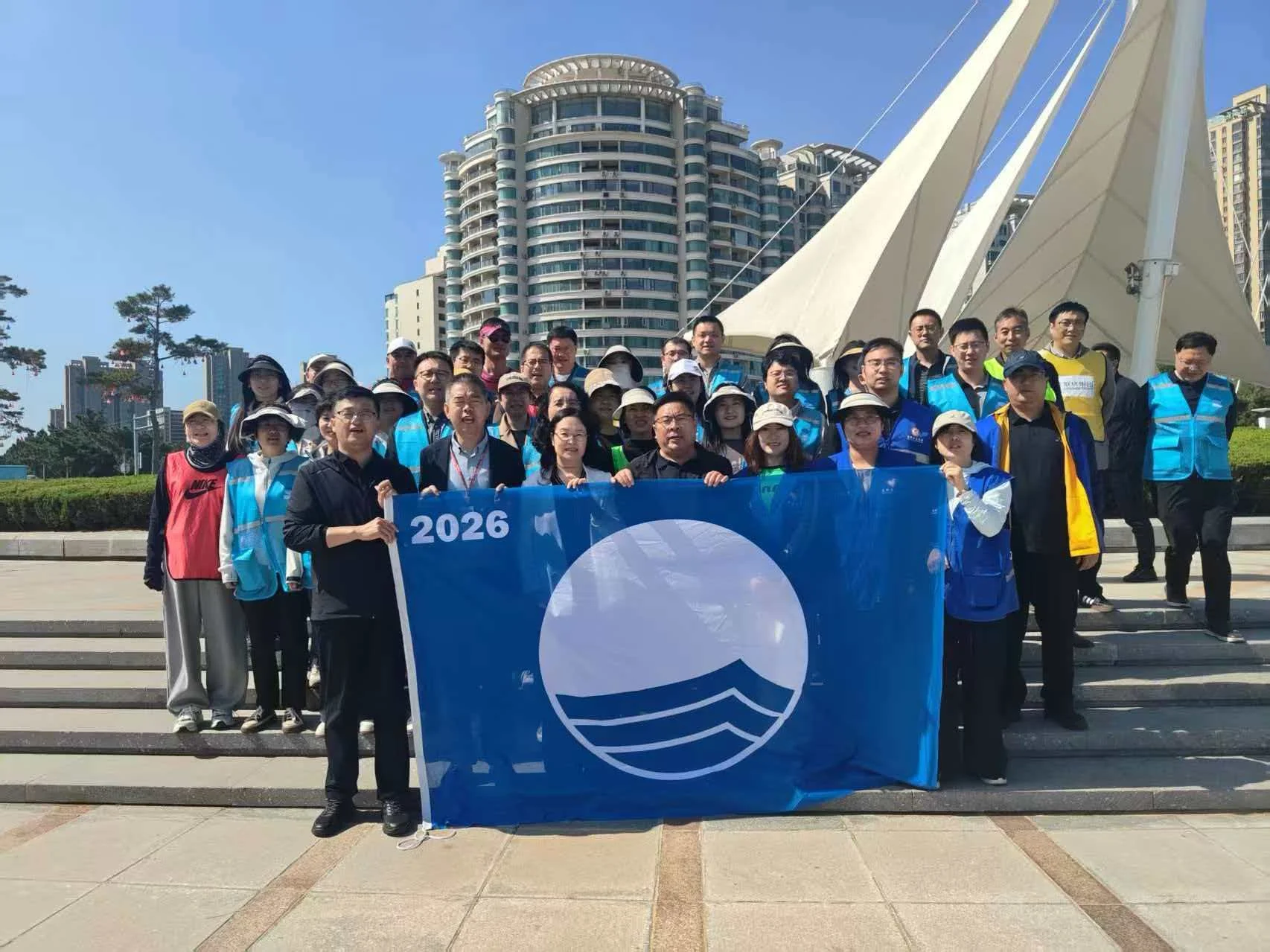
[Group photo of Weihai International Bathing beach staff and volunteers with the flag]
In February 2026, the beach passed the domestic review conducted by a national committee composed of experts from various authoritative departments, and then CEEC formally submitted the application materials to Blue Flag International. In April 2026, the beach successfully passed the international review.
For more information, please refer to the offical site of Blue Flag China
Türkiye shares its Blue Flag experience wit Kyrgyzstan to support the ISSYK-KUL Blue Flag initiative
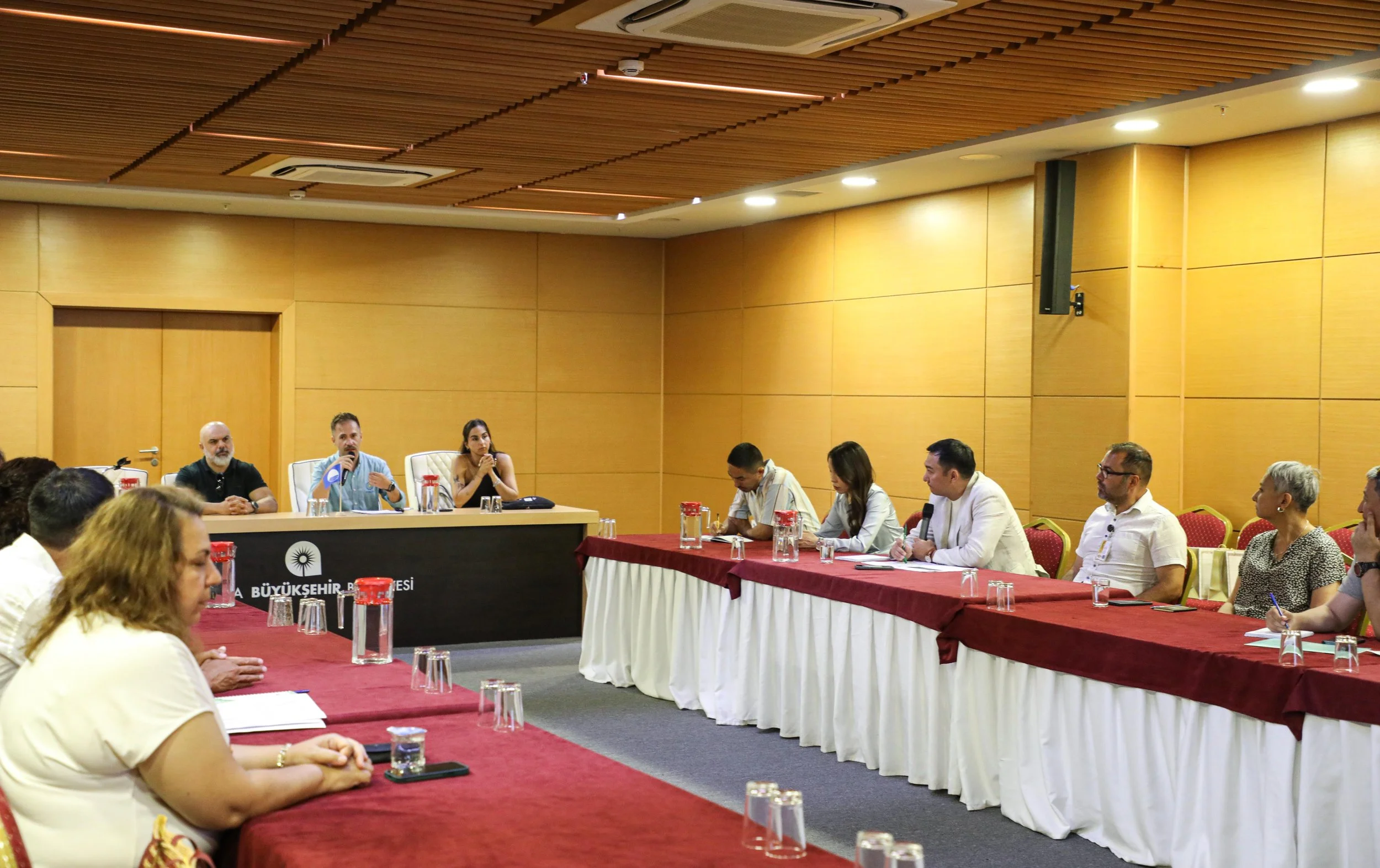
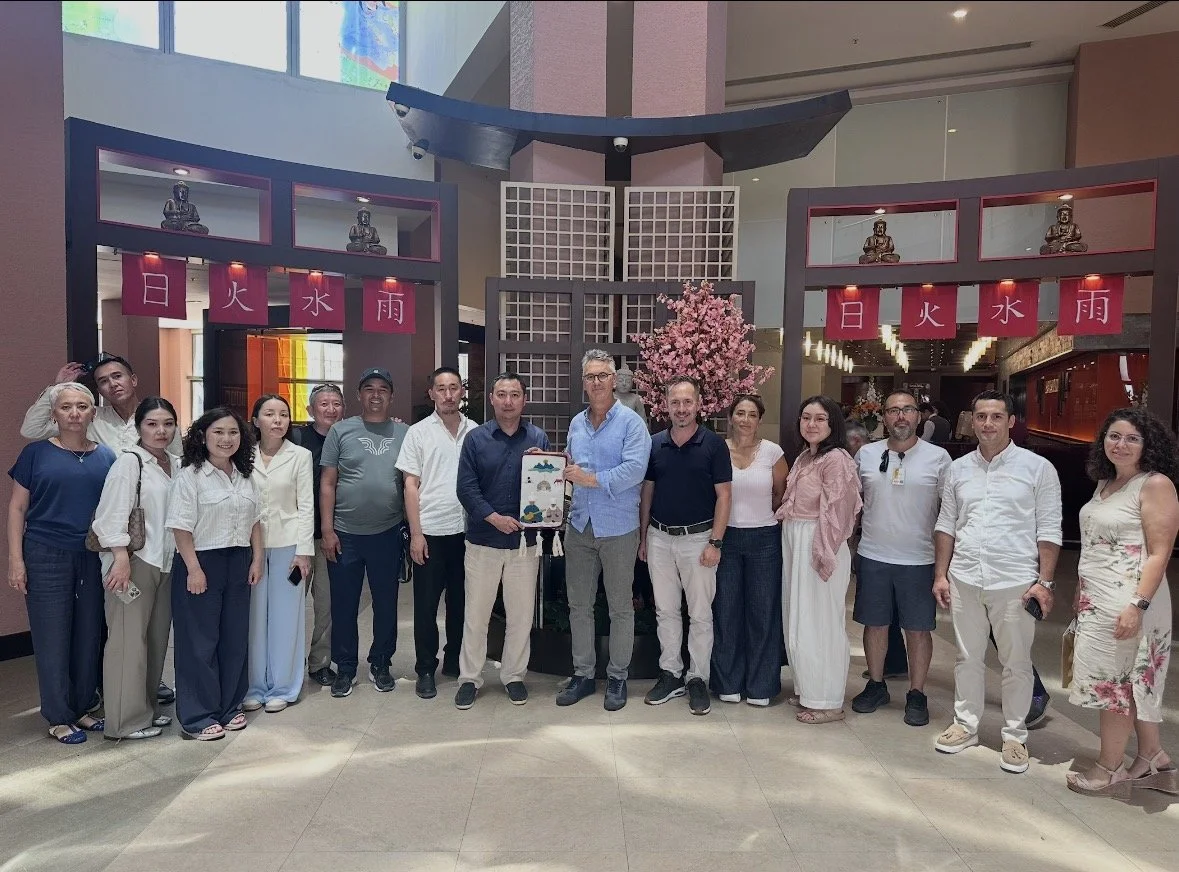
As part of ongoing efforts of GIZ, Deutsche Gesellschaft für Internationale Zusammenarbeit (GIZ) GmbH (GIZ) GmbH to explore the intorduction of the Blue Flag Programme at selected sites arround Kyrgyzstan’s world-renowned Issyk-Kul Lake, a high-level delegation from Kyrgyzstan visited Turkiye to gain first-hand insight into the implementation of the programme. The process is carried out under the guidance of the Foundation for Environmental Education (FEE) and with the support of the Foundation for Environmental Education in Turkiye (FEE Turkiye), the National Operator of the Blue Flag Programme in Turkiye.
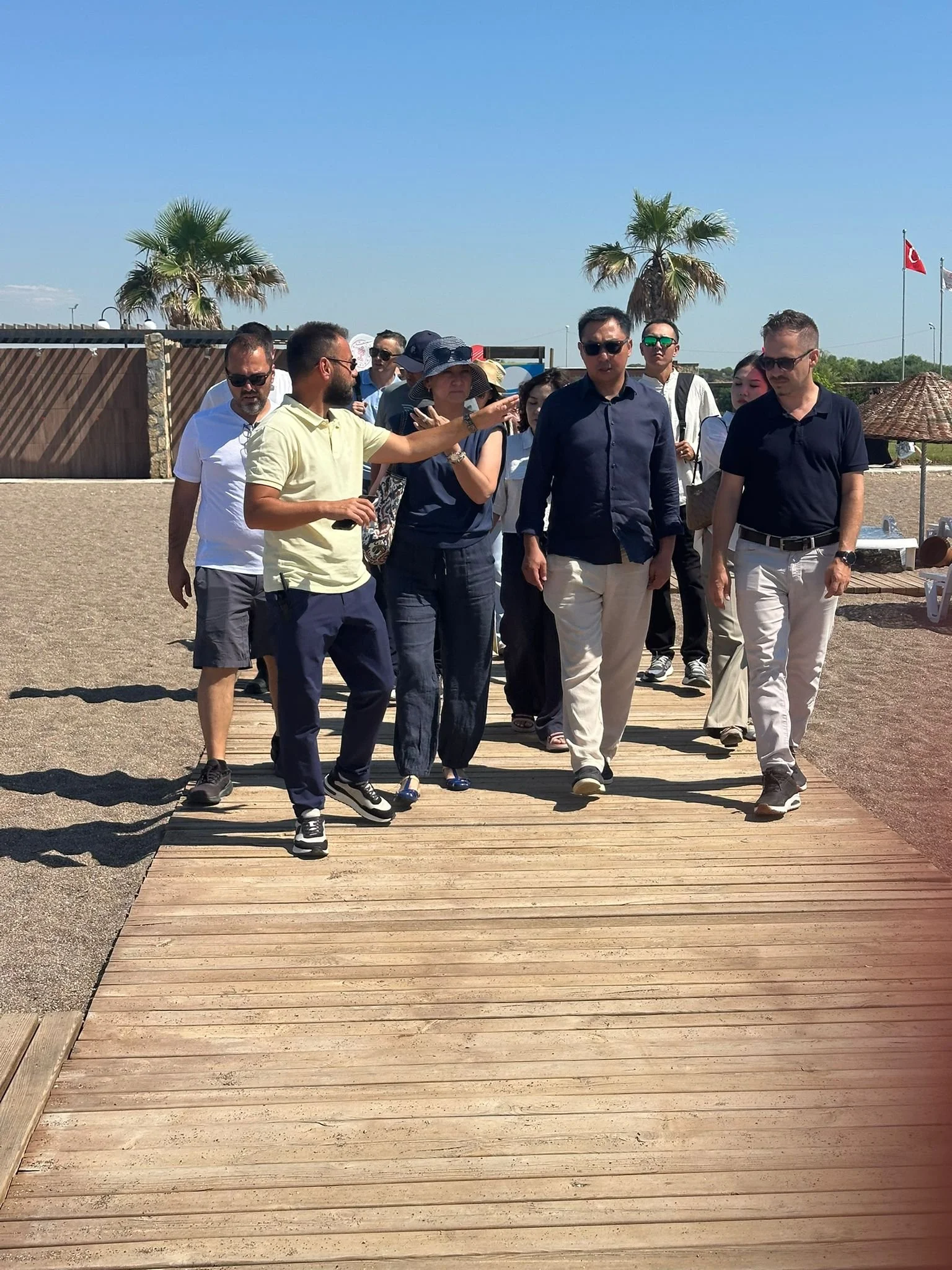
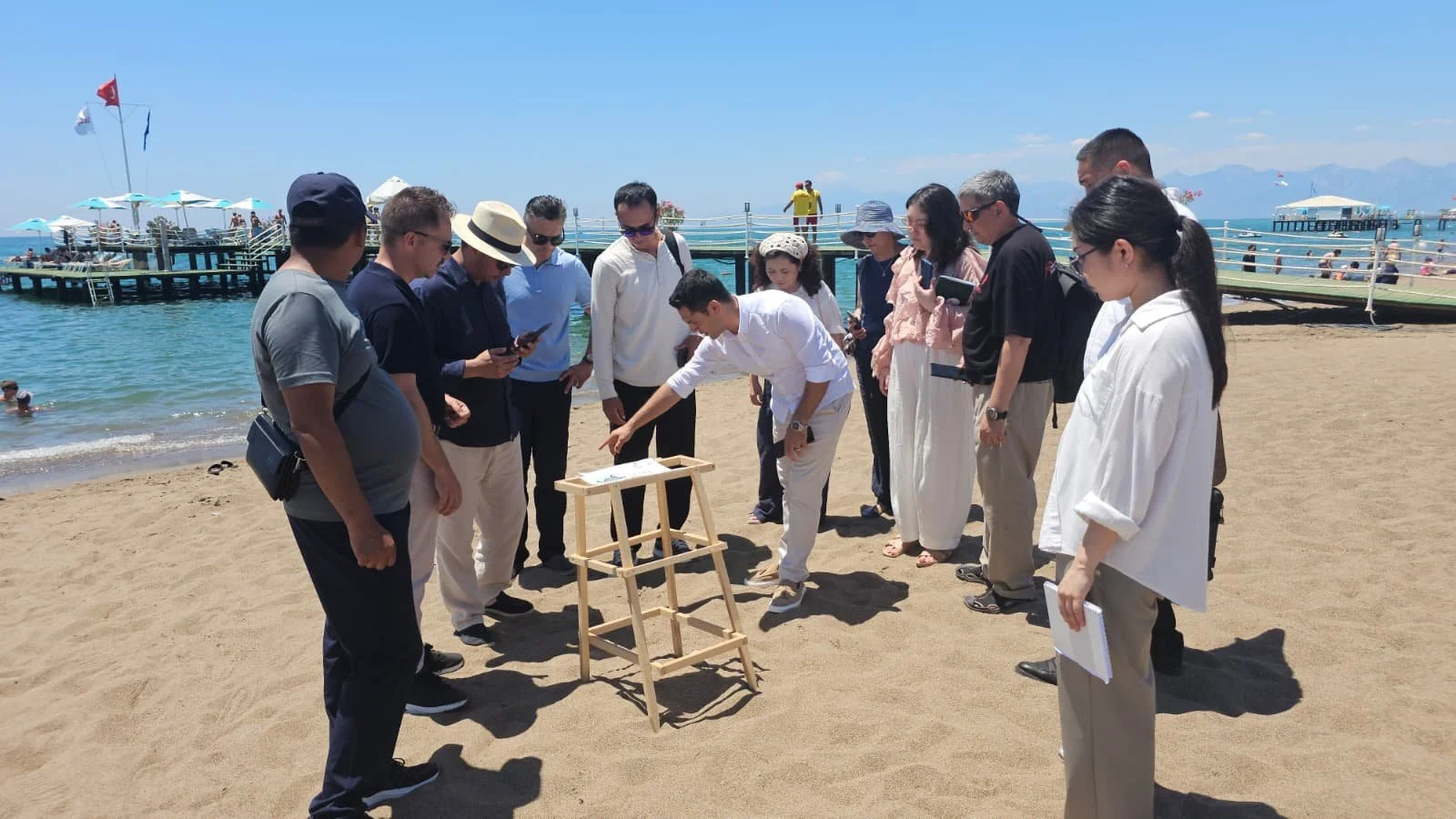
The delegation was represented by public authorities, including the Tourism Development Agency under the Cabinet of Ministers of the Kyrgyz Republic and regional and local authorities of Issyk-Kul, followed by representatives of the Kyrgyz Association of Tourism Organizations (KATO) and the Association of Resorts of Kyrgyzstan (AKK), heads and senior representatives of four pilot resorts, and GIZ advisors. The delegation was headed by Mr. Nurgazy Esengeldi uulu, First Deputy Head of the Issyk-Kul District Administration.Throughout the programme, the delegation had the opportunity to observe Blue Flag implementation practices on site and received comprehensive information on beach management, water quality monitoring systems, environmental education activities, waste management practices, marina management and sustainable tourism policies.
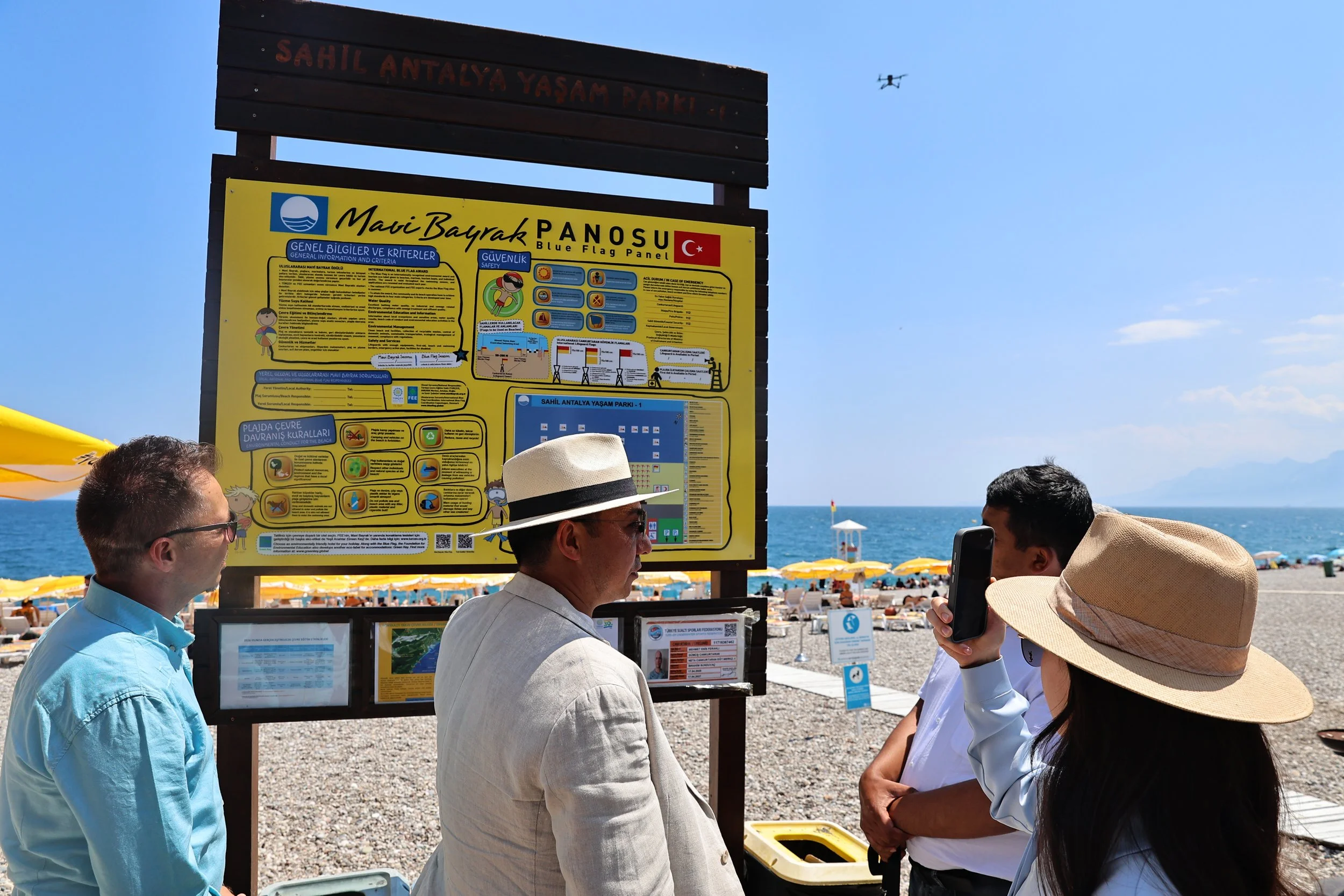
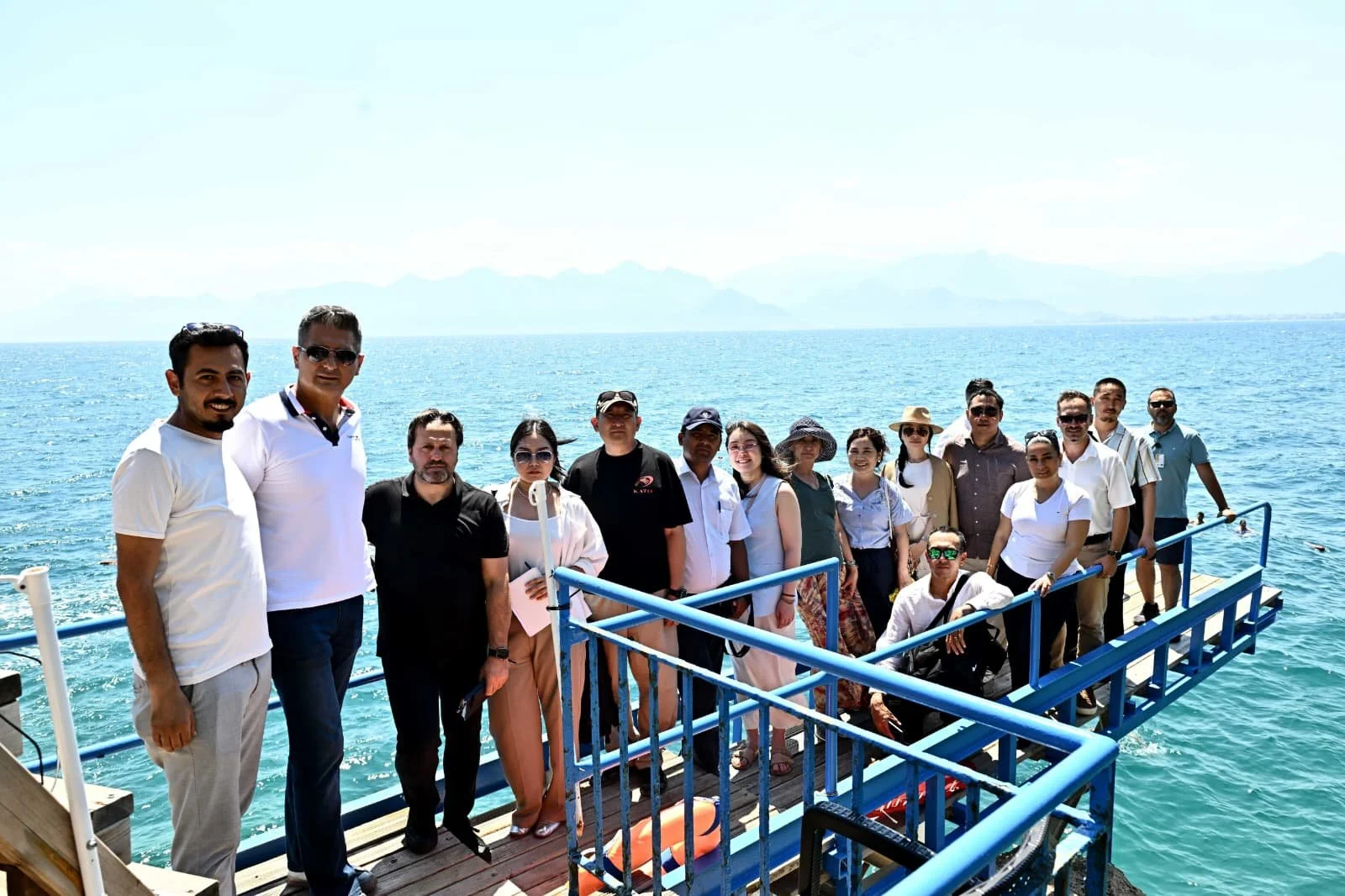
As part of the visit, the delegation carried out technical site visits toseveral Blue Flag sites, including Konyaaltı Public Beaches operated by Antalya Metropolitan Municipality, beaches managed by Muratpaşa Municipality and Kemer Municipality, as well as the Lara Public Beach operated by the Ministry of Culture and Tourism. The delegation also examined Blue Flag marinas and tourist boats and received detailed information about their management and operational standards.
As part of the Kyrgyz delegation’s 5-day on-site program to examine best practices, the delegation not only visited award-winning sites but also learned about TÜRÇEV’s relationships with public institutions in the implementation of the Blue Flag Program, its efforts to monitor and coordinate bathing water quality, and its communication and coordination with tourism sector stakeholders and civil society organizations, as well as local initiatives for environmental and biodiversity conservation.
Turkiye, one of the world's leading Blue Flag countries, continues to be internationally recognised for its achievements in environmental management and sustainable tourism. As Kyrgyzstan advances its efforts to bring the Blue Flag Programme to Issyk-Kul Lake, Turkiye’s experience and technical expertise provide a valuable reference for the process.
Assoc. Prof. Dr. Abdulkadir Ateş, Chairman of the Board of the Foundation for Environmental Education in Turkiye (FEE Turkiye), stated:
"Turkiye, currently ranked third in the world for the number of Blue Flag awards, has developed significant expertise and practical experience that is now being closely followed by our sister countries. During the programme organised in Antalya under the guidance of FEE, the Kyrgyz delegation had the opportunity to benefit from Turkiye’s experience in areas ranging from environmental management and beach operations to sustainable tourism practices and Blue Flag criteria. We attach great importance to the Blue Flag process initiated for Issyk-Kul Lake. Once successfully completed, the Blue Flag to be awarded at Issyk-Kul Lake will not only represent an important achievement for Kyrgyzstan but will also inspire new success stories in the fields of environment, sustainability and tourism across the Turkic world."
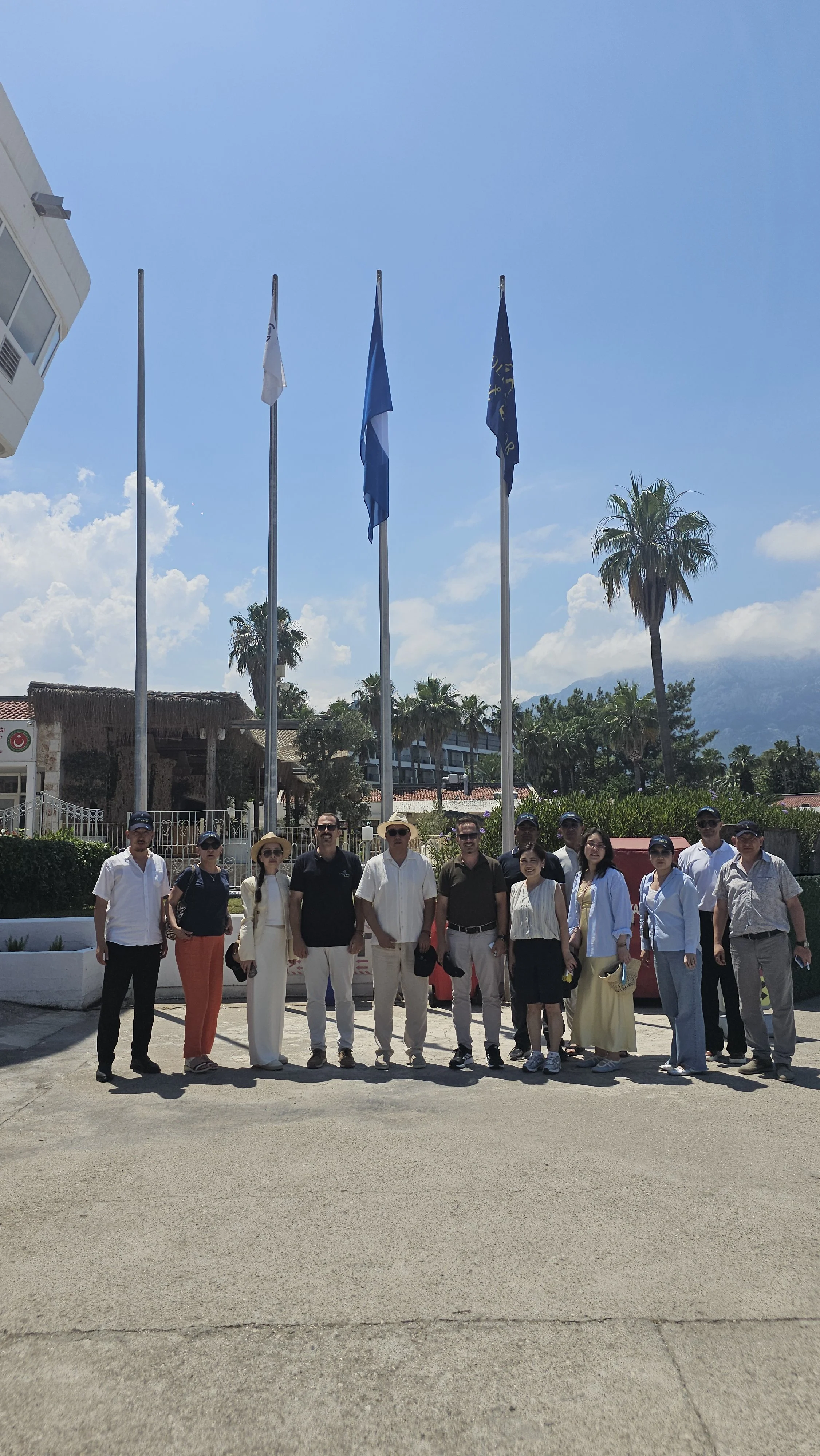
The study visit aimed to strengthen knowledge exchange within FEE’s global network and support the expansion of the Blue Flag Programme into new regions. Upon successful completion of the process, selected sites around Issyk-Kul Lake could become among the the first in Central Asia to achieve Blue Flag status, contributing significantly to the advancement of sustainable tourism and environmental standards in the region.
The initiative is regarded as an important step not only for Kyrgyzstan but also for strengthening cooperation on environmental protection, sustainability and responsible tourism across the Turkic world.
Blue Flag Programme Highlighted at WUF 13 in Azerbaijan
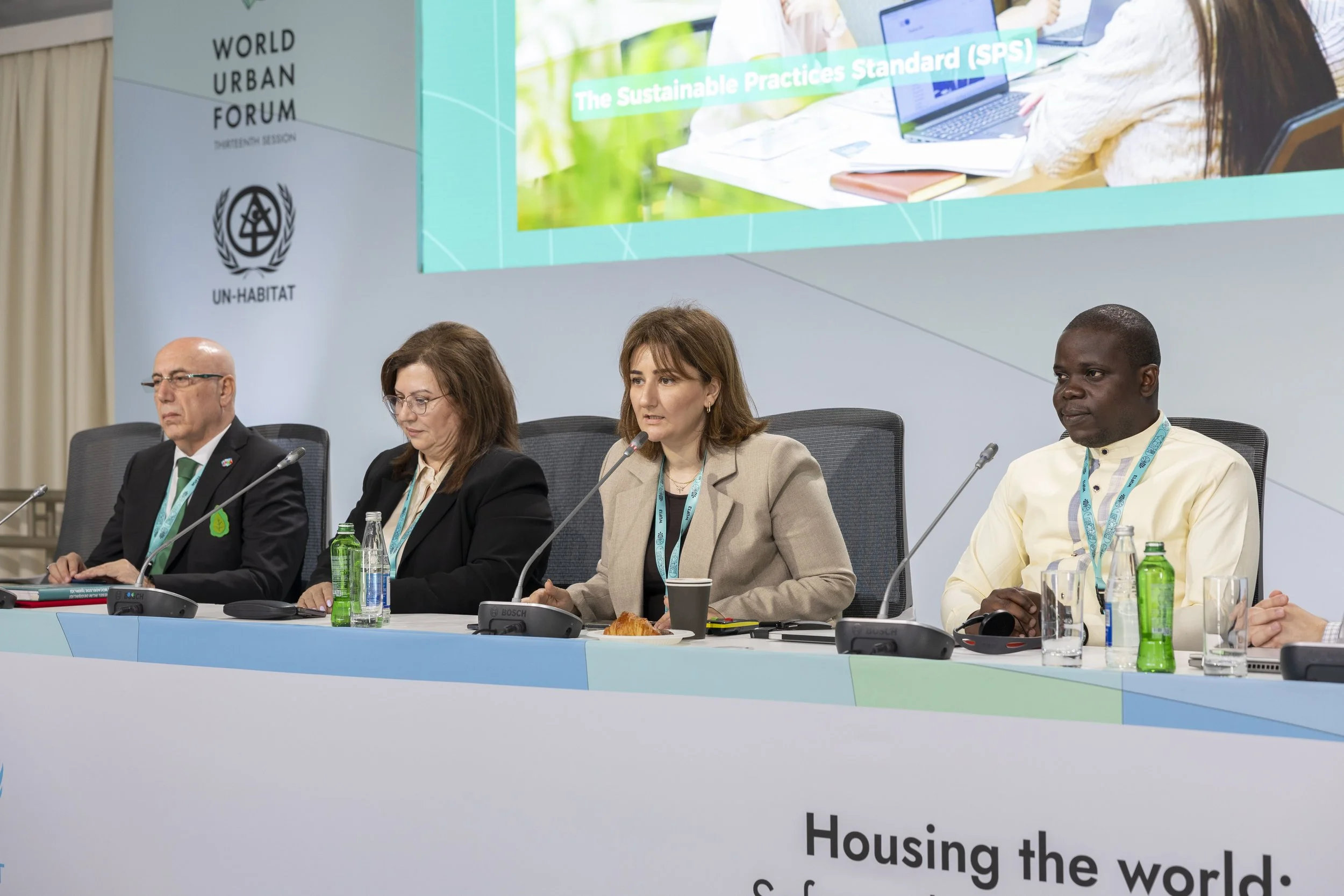
From 17–22 May 2026, Azerbaijan hosted the World Urban Forum (WUF 13), one of the world’s most important international platforms dedicated to sustainable urban development. Following a competitive selection process, the session proposed by EkoSfera Ecology-Social Center was officially selected by UN-Habitat and included in the WUF 13 programme.
As part of the forum programme, EkoSfera Ecology-Social Center organised a session dedicated to sustainability standards and practical approaches for implementing sustainable development at the local level. The session introduced the Sustainable Practices Standard (SPS), the first national sustainability standard being developed in Azerbaijan to support the practical application of sustainability principles across different sectors and regions.
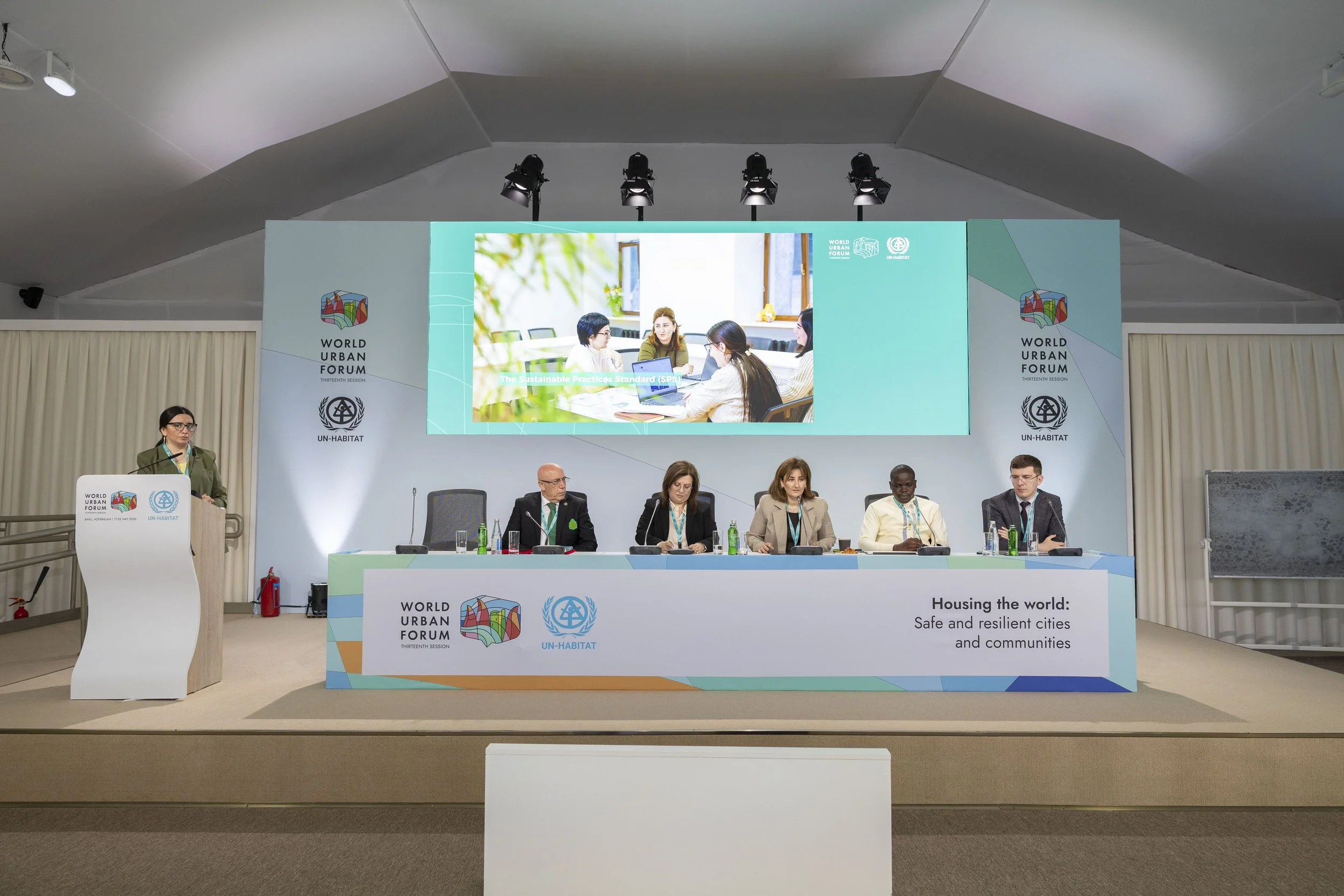
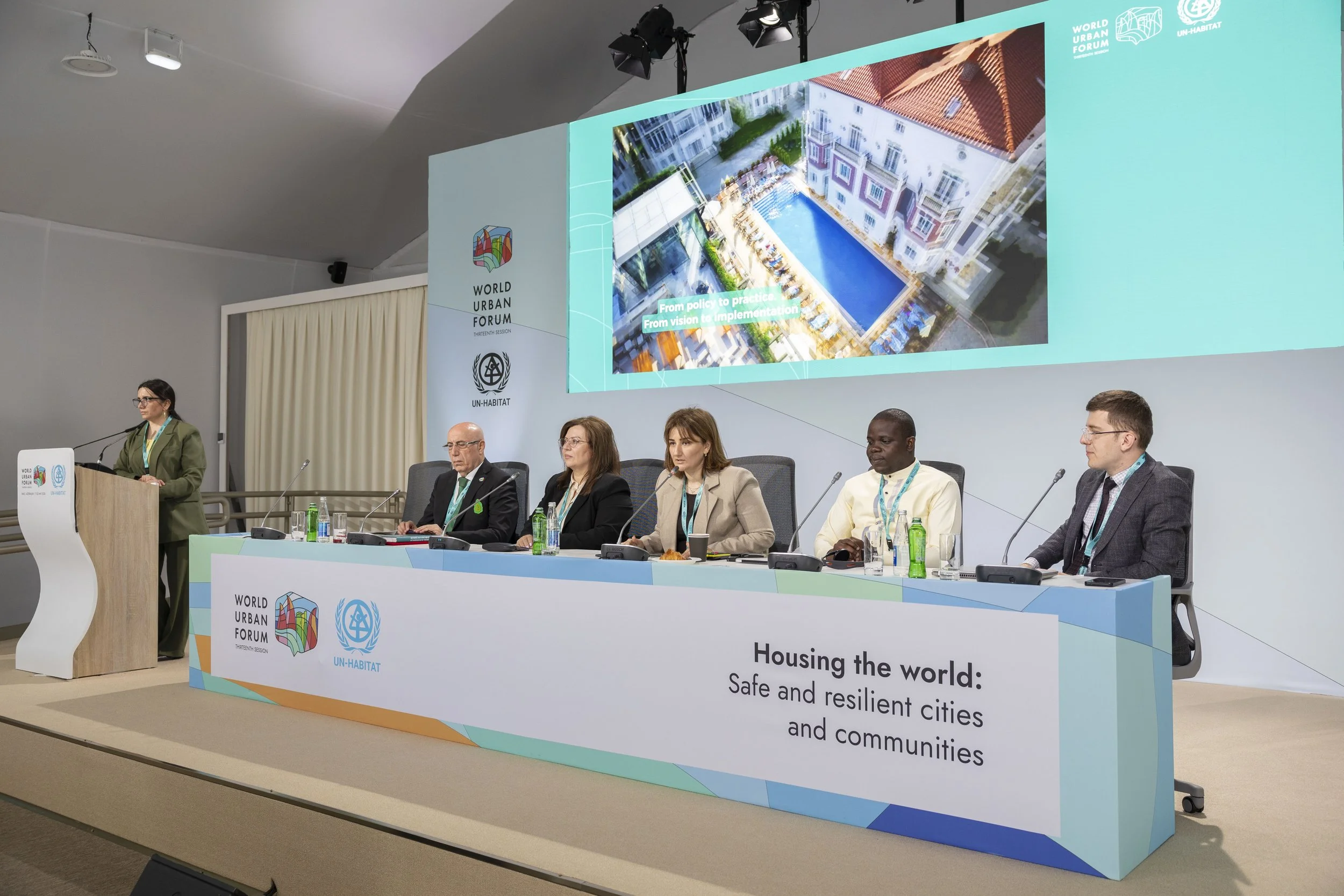
During the discussion on sustainability standards and certification systems, Dilara Hajiyeva, Blue Flag National Coordinator for Azerbaijan, highlighted the importance of the Blue Flag Programme as a globally recognised environmental programme. The programme was presented as an example of how internationally recognised standards can support environmental protection, improve management practices, promote environmental education, and contribute to sustainable tourism development.
In addition to Blue Flag, participants were also introduced to other international programmes of the Foundation for Environmental Education (FEE), including Green Key and Eco-Schools. These programmes were presented as practical tools that help tourism facilities, educational institutions, and local communities integrate sustainability principles into their daily activities and contribute to wider environmental and sustainability goals.
The discussion emphasised the importance of combining international programmes with locally adapted sustainability frameworks to strengthen sustainability practices and support the achievement of the Sustainable Development Goals (SDGs).
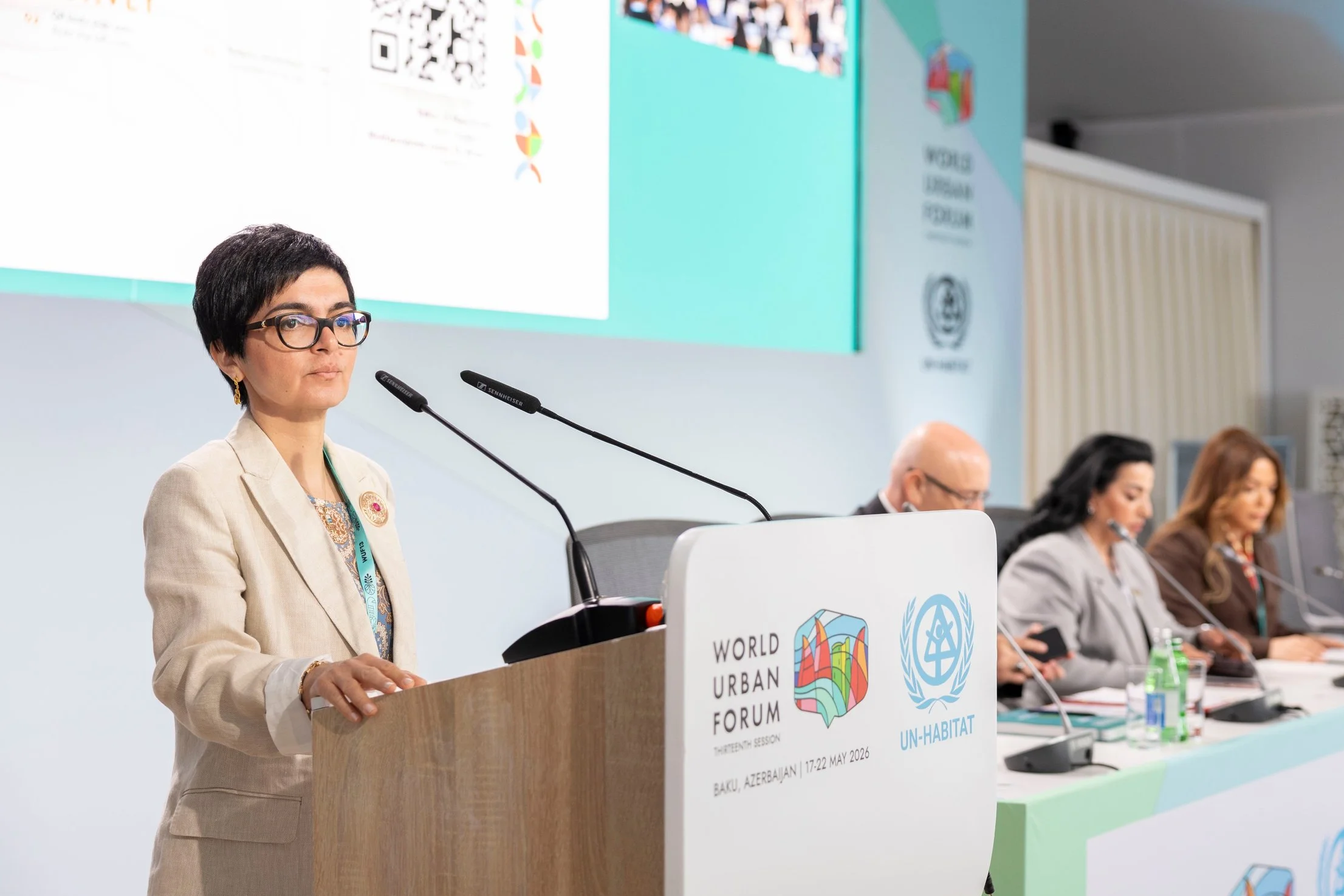
The World Urban Forum provided an important opportunity to raise awareness on the Blue Flag Programme and other FEE initiatives among an international audience of urban development professionals, environmental experts, policymakers, and sustainability practitioners.
As Azerbaijan recently received approval of its Blue Flag feasibility study, WUF 13 served as an important platform to introduce the programme and highlight its benefits among national and international stakeholders, supporting the next steps in the development of Blue Flag in Azerbaijan.
Good Practice Competition results for the Northern Hemisphere 2026 International Evaluation
As part of the Northern Hemisphere 2026 International Evaluation, Blue Flag International invited the National Operators to share Good Practice examples from their countries. The themes of this edition were:
FEE Programmes Collaboration
Promote the Circular Economy Model
In total, 22 Good Practices have been submitted by 10 countries as part of the latest International Evaluation round. That included
9 Good Practices related to FEE Programmes Collaboration
13 Good Practices related to Promoting the Circular Economy Model
The International Jury was then presented with a selection of Good Practices during its meeting on the 22nd of April 2026, and evaluated the Good Practices within each category. In this process, relevance, creativity, adaptability, collaboration, and replicability were taken into consideration.
The final rankings are presented below, including the winning top Good Practices from each category.
FEE programmes collaboration measures
3rd place - “Hydroponic Gardens” by Los Cabos Municipality, Mexico
This project created gardens as living learning classrooms. It includes different sustainable production systems such as soil gardens, hydroponic cultivation, and aquaponic systems, allowing students to understand different forms of food production. In the aquaponic system, students learn how fish generate nutrients that feed plants, while plants help clean the water, thus understanding the natural cycles and interdependence of ecosystems. Students carry out irrigation activities, growth monitoring, data recording, scientific observation...
The Blue Flag programme in Mexico is managed by FEE Mexico.


2nd place - “Marine Education Material” by Friluftsrådet in Denmark
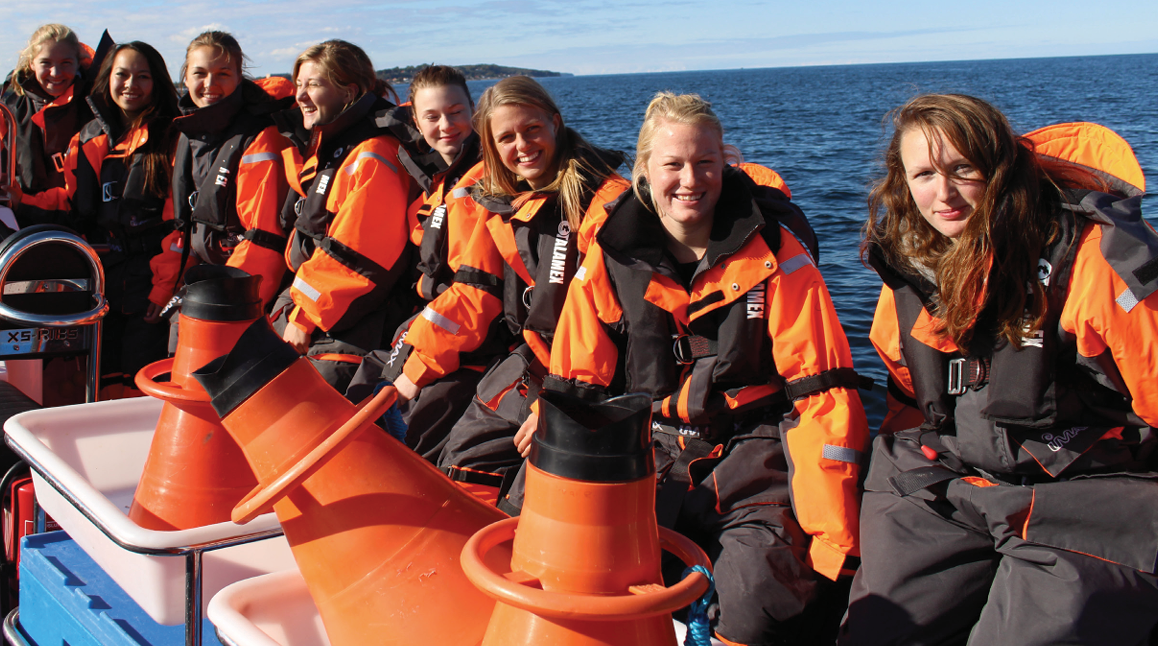
In a collaborative educational project, Blue Flag, Eco-Schools, local nature guides and gymnasium teachers worked together to make inspiration material focusing on the marine environment. The material has since 2021 been used as part of the Eco-School theme called “The Sea”. Therefore, it integrates Blue Flag focus points such as marine protection, water quality and biodiversity. Ideally, the fieldwork is carried out at or near Blue Flag beaches, with the possibility of working together with Blue Flag nature guides.
The Blue Flag Programme in Denmark is managed by Friluftsrådet.
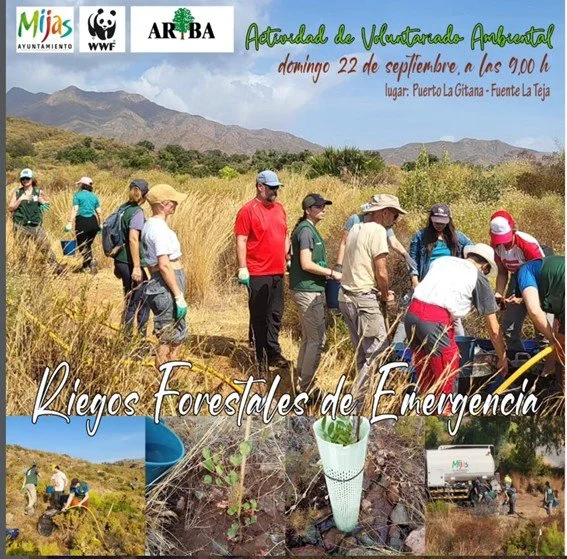
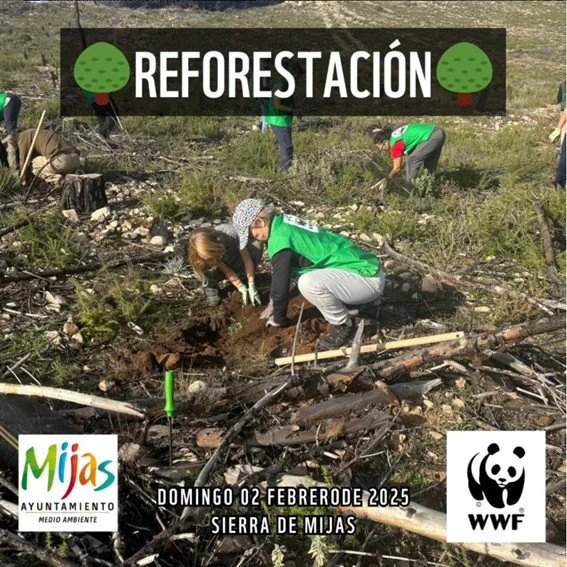
1st place - “Community tree planting and coastal conservation” by Mijas Municipality, Spain
The Mijas Reforesta program coordinates reforestation activities in the mountains, coastal dunes (in el Chaparral Blue Flag beach for instance), and urban green spaces of the municipality, aiming to strengthen local biodiversity and create urban forests as CO₂ sinks. With the collaboration of local schools, including Eco-Schools such as Salliver School in Fuengirola, volunteers have planted nearly a thousand Mediterranean species seedlings produced at the Municipal Nursery.
The Blue Flag Programme in Spain is managed by ADEAC.
promote the circular economy model measures
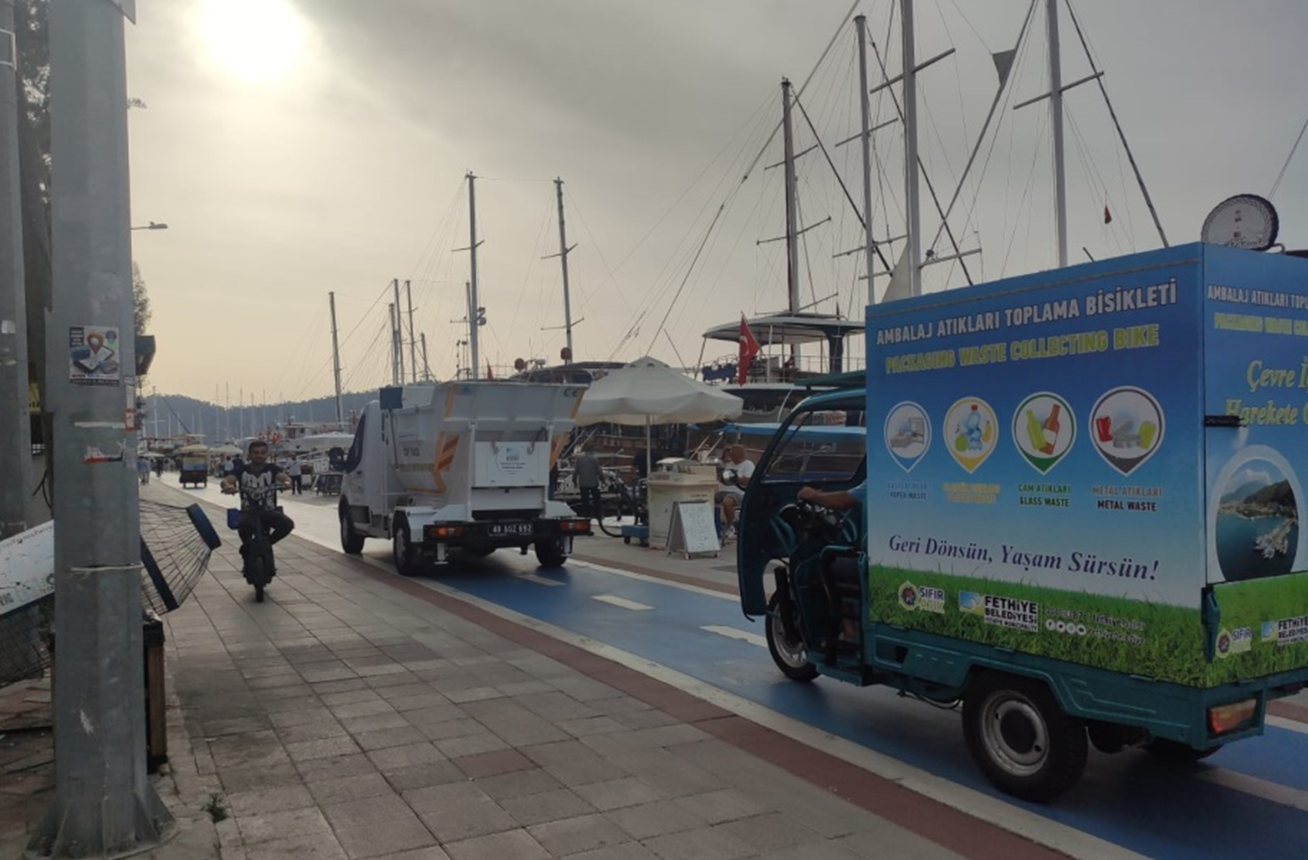
3rd place exaequo - “Boats are racing : waste competition” by Fethiye Municipality, Türkiye
A competition by Fethiye Municipality and the Fethiye Chamber of Maritime Trade ensured proper separation of boat waste to prevent pollution, reduce microplastics, and support the circular economy. Waste was collected daily, recorded per boat, and included wet waste, packaging waste, and waste oils. A total of 156 boats competed in three categories—Daily, Private, and Charter Tour Boats.
The Blue Flag Programme in Türkiye is managed by Türkiye Çevre Eğitim Vakfı-TÜRÇEV.
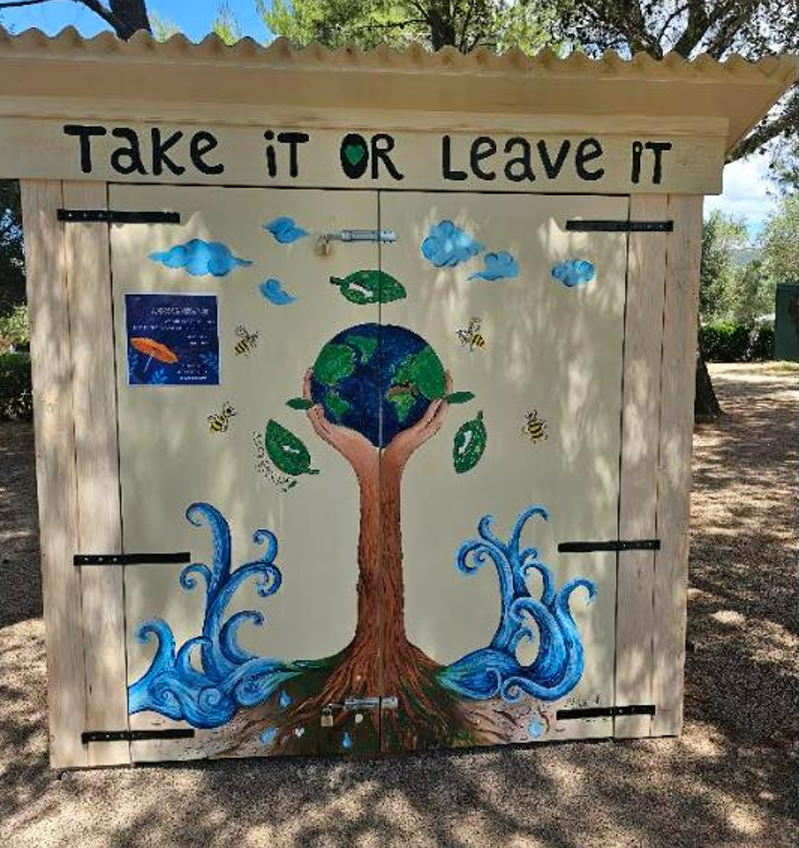
3rd place exaequo - “Recycling point with a soul” by Camp Kovačine, Croatia
Located next to the reception, the “Take it or leave it“ functions as a place for exchanging items and stories: books, tents, fins, paddles, grills, mini-fridges, clothes, shoes, mugs, toys and countless other little things get a new life instead of becoming waste. In this way, the project encourages responsible behavior, a circular economy and a sense of community among the guests of the camping site.
The Blue Flag programme in Croatia is managed by Udruga Lijepa Naša.

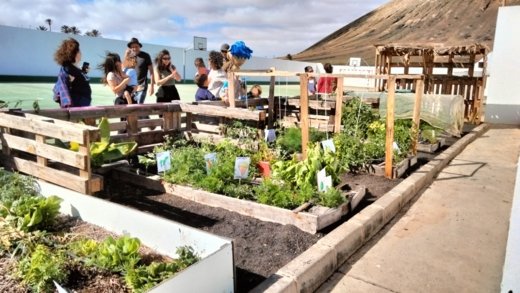
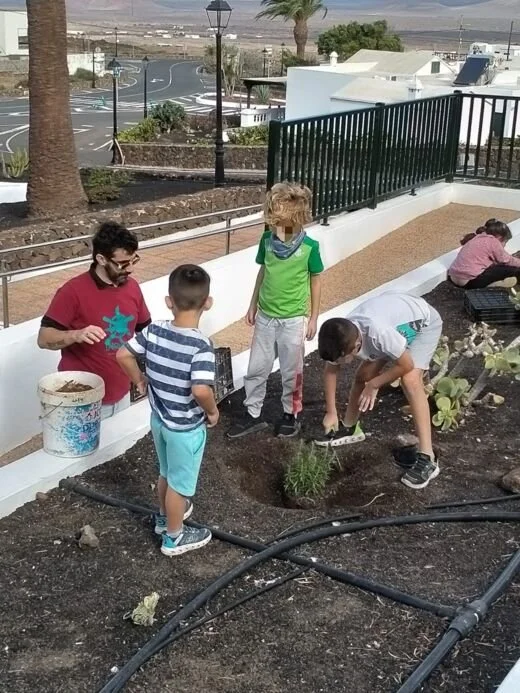
2nd place - “Circular Economy in Yaiza schools” by Yaiza Municipality, Spain
The Yaiza City Council promotes circular economy and environmental education through an integrated project in schools that combines school composting and participation in the Biosphere Schools Network. Schools also implement educational action plans, school gardens, and environmental awareness activities, fostering the engagement of students, families, and teachers while developing ecological awareness.
The Blue Flag Programme in Spain is managed by ADEAC.
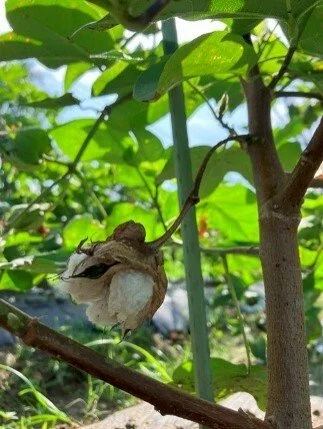
1st place - “Give invasive plants a new life” by Yanmar Sunset Marina, Japan
At Lake Biwa, invasive aquatic plants have rapidly spread, harming the shoreline and making boat navigation unsafe. To address this issue, Yanmar Sunset Marina removes these plants and then turn them into compost through a dedicated system. With the compost, vegetables and cotton are cultivated, and the cotton is used for the staff uniforms.
The Blue Flag Programme in Japan is managed by JARTA.


We would like to congratulate our winners and thank all participants, as your Good Practices play a key role in the Blue Flag network, provide relevant inspiration and contribute to sharing knowledge on sustainability across sites all over the world.
International announcement of Blue Flag awarded sites - Northern Hemisphere 2026 season
The first Blue Flag International Jury meeting of 2026 took place this past April and we’re proud to announce that new sites and countries have received the Blue Flag award for the upcoming season in the Northern Hemisphere.
A global total of 5274 sites awarded in 2026 (4371 beaches, 745 marinas, and 158 tourism boats) across 53 countries.
We would like to also congratulate the upcoming winners of the Good Practice competition for the Northern Hemisphere 2026 International Evaluation. The final ranking will be published next week.
Once again, Blue Flag International thanks its valuable institutional partners EBI, EEA, ENAT, EUCC, ICLEI, ICOMIA, ILS, UNEP, UNESCO, UN Tourism, World Sustainable Hospitality Alliance, CitiesWithNature, Climate Service Center Germany - GERICS, Caribbean Hotel & Tourism Association, University of Aberdeen, IUCN and WCA for sharing their expertise.
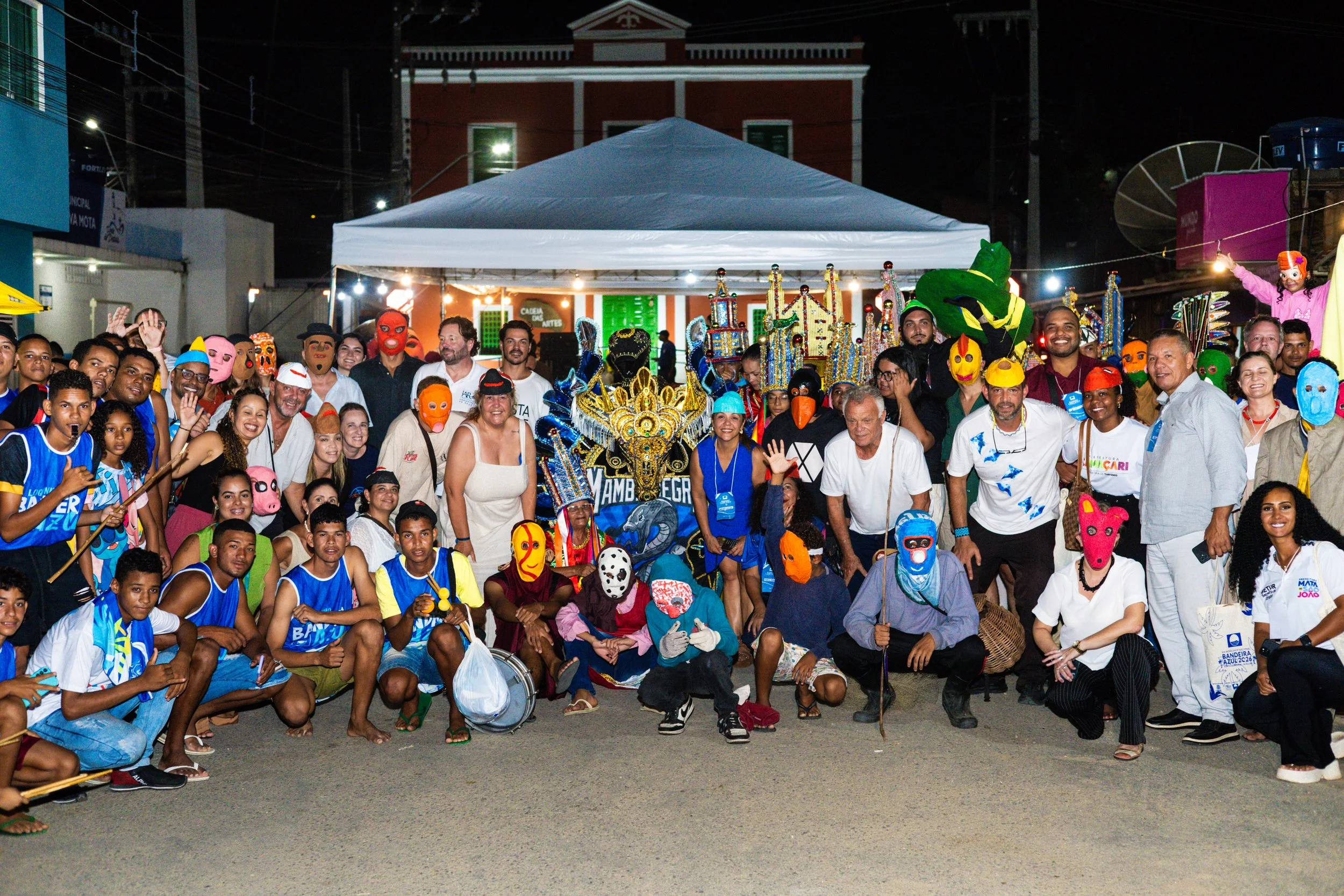
19th National Workshop of Blue Flag Brazil
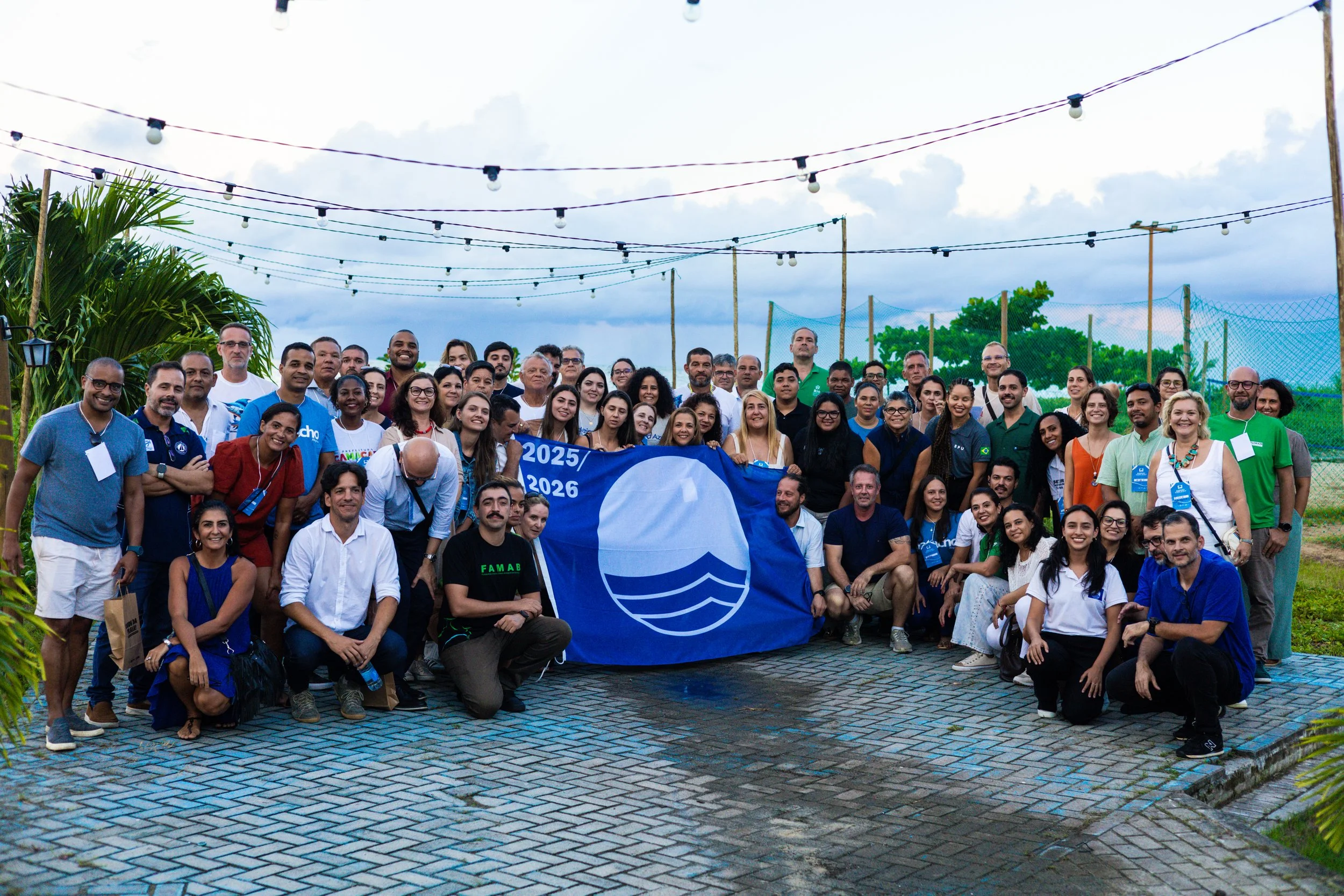
From April 16–19, 2026, Porto de Pedras, Alagoas, hosted the 19th National Workshop of the Blue Flag Program Brazil. The event brought together government officials, experts, and representatives from across the country to discuss advances, challenges, and opportunities in the sustainable management of beaches and marinas. The event also highlighted successful case studies from Lagoa do Peri, Prainha, and Praia das Pedras de Itaúna, showcasing a range of effective management strategies implemented in Blue Flag-certified areas.
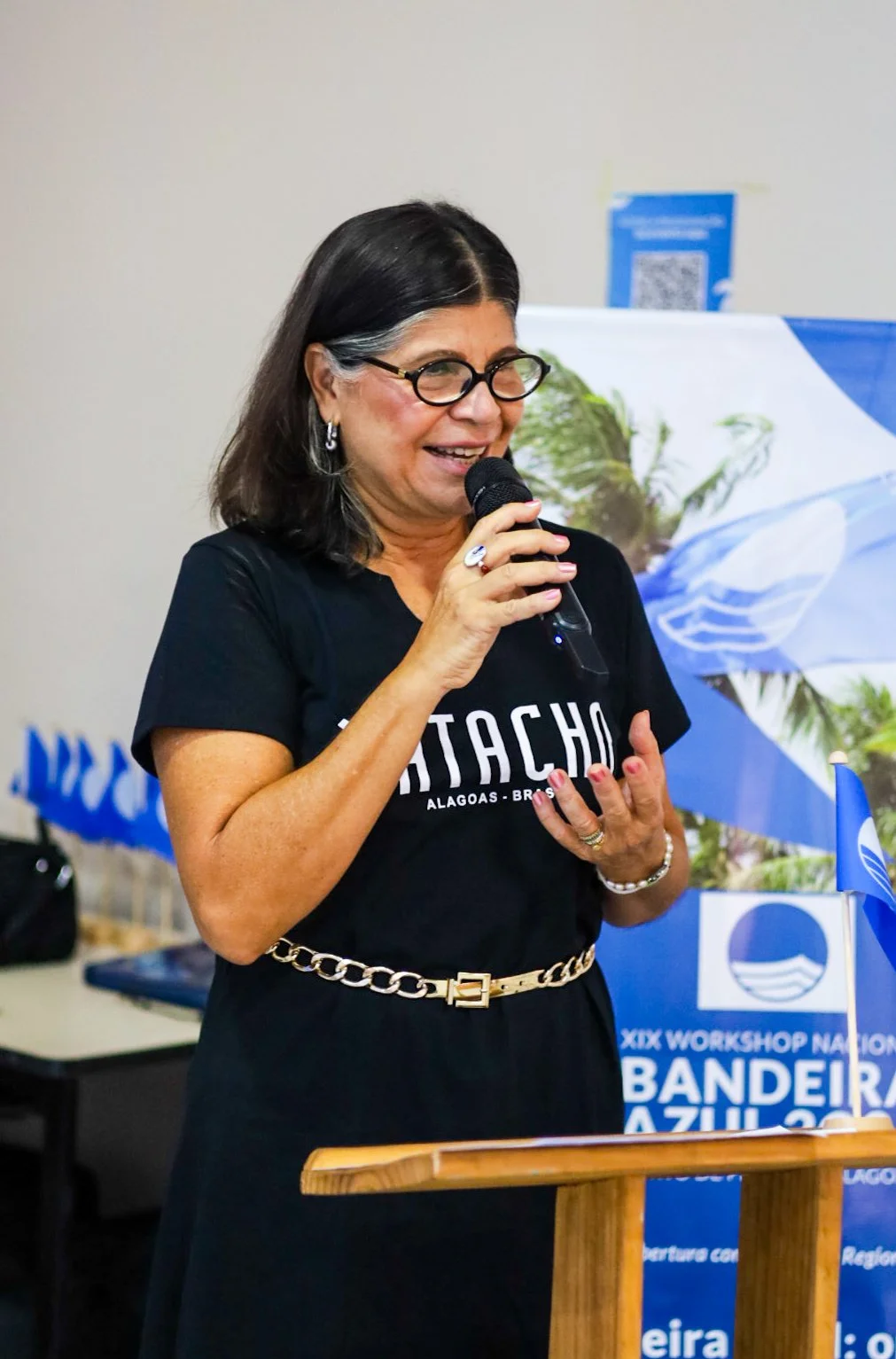
“We are experiencing a strengthening cycle of Blue Flag in Brazil, with a restructuring that enhances the credibility and rigor of the award. The workshop is essential for aligning guidelines and sharing experiences.” said Leana Bernardi, National Coordinator of the Blue Flag in Brazil.

From Certification to Conservation: Experiences in the Field
Technical visits were among the highlights of the workshop, offering participants a practical immersion in the Blue Flag criteria. Patacho Beach, the only Blue Flag-awarded site in Alagoas, served as a key example of how the program’s standards are applied in practice. Now celebrating five consecutive award seasons, the beach demonstrates the ongoing commitment and continuous effort required to maintain the certification. Participants also visited Lage Beach, currently in the pilot phase, where they observed both the progress achieved and the challenges involved in meeting the program’s requirements.
The workshop also expanded the discussion beyond beach management by emphasizing the connection between environmental conservation and sustainable tourism. Participants visited the Peixe-Boi Association, a national reference in manatee conservation, where they learned about the institution’s work in protecting the species and engaging local communities through environmental education. The visit reinforced the importance of integrating biodiversity conservation into broader coastal management strategies.
In addition, the program included a dedicated space for marinas, with discussions focused on management challenges, infrastructure, and compliance with Blue Flag criteria. These sessions broadened the debate by addressing the different realities and needs of coastal destinations participating in the program.
“Hosting a national event such as the Blue Flag Workshop places Porto de Pedras in the spotlight of coastal sustainability in Brazil. It shows that we are on the right track, investing in management, preservation, and quality of life. Our goal is to continue evolving and to serve as a reference for other municipalities,” said Allan de Jesus Silva, Mayor of Porto de Pedras.

New Pathways for Coastal Management
The opening of the event included a Regional Meeting aimed at municipalities and organizations interested in joining the program, serving as an entry point for new participants. Criteria, benefits, and award stages were presented, encouraging new destinations to join the pilot phase.
Institutional contributions also reinforced the connection between public policies and the program’s criteria. The Secretariat of the Union’s Heritage (SPU) presented instruments such as the Beach Management Adjustment Agreements (TAGPs) and the Orla Project, while the Brazilian Lifesaving Society (Sobrasa) shared data on drowning prevention and launched, in partnership with Blue Flag, the Outstanding Drowning Prevention Award, aimed at recognizing best practices in safety at beaches and marinas.
National Coordinators of the Green Key and Eco-Schools programs participated in the national workshop and presented other certifications of the Foundation for Environmental Education in Brazil. Their presence expanded participants’ understanding of the integrated role of FEE initiatives in different contexts, such as hospitality establishments and educational institutions.
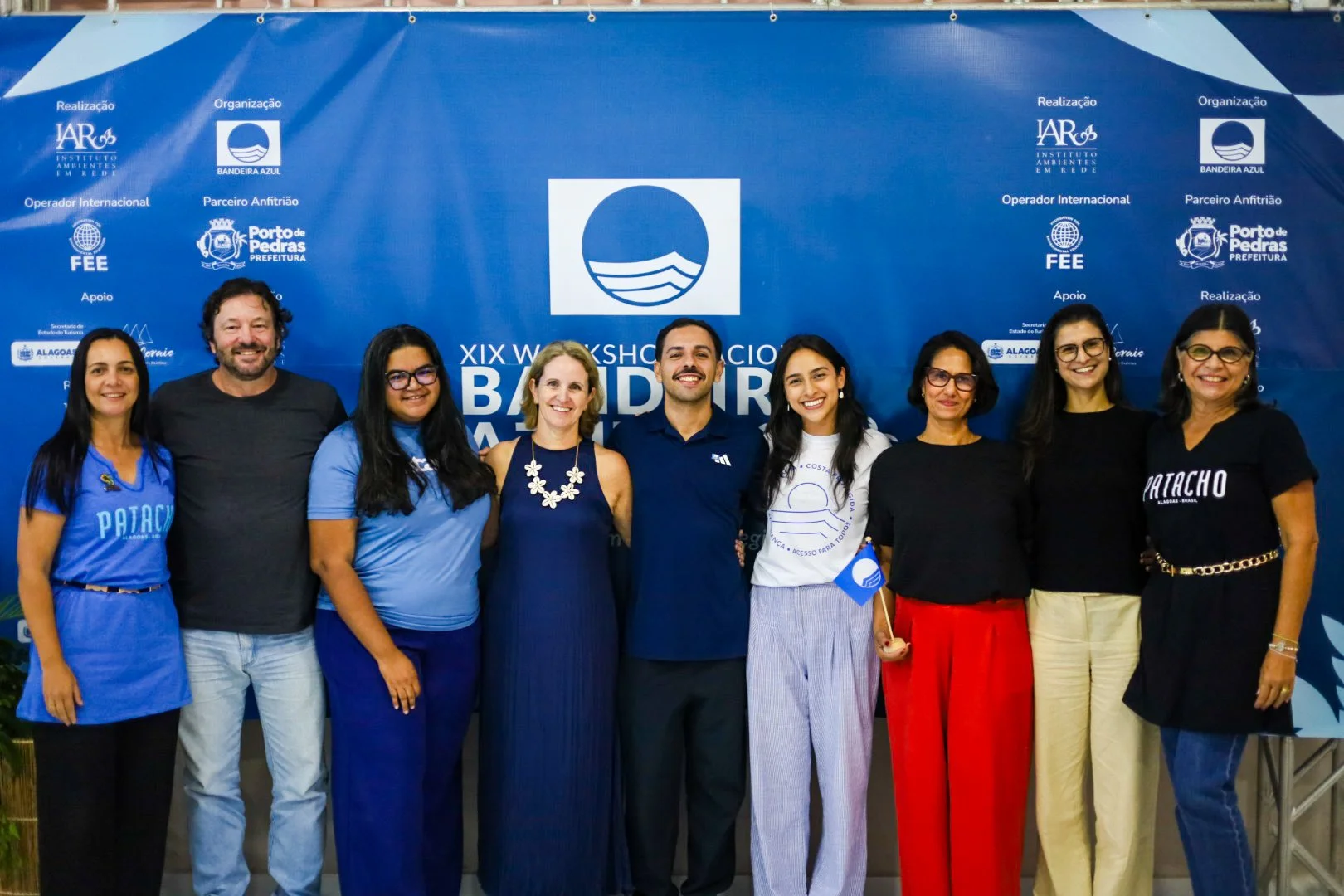
The event featured cultural expressions that highlighted local identity, with performances by Bumba Meu Boi Mamba Negra, Cortejo Bobo Gaiato, Grupo Guerreiro Campeão Vencedor de Anadia, and Cambindas Berto da Quiquina, fostering interaction among participants.
The National Workshop reinforced the importance of continuous efforts based on planning, monitoring, and collective engagement, leaving as a legacy a strengthened network of destinations committed to sustainability and the prospect of tangible progress in participating territories.
The event was held in partnership with the Municipality of Porto de Pedras, organized by the Instituto Ambientes em Rede (IAR), the organization responsible for the Blue Flag Program in Brazil, with support from the Costa dos Corais Convention & Visitors Bureau and the Alagoas State Secretariat of Tourism.
Transitional award approach for 2026–2027
Blue Flag International introduces a transitional award approach for 2026–2027 period to facilitate regulatory alignment and Programme continuity
Copenhagen, Denmark, 28th of April 2026 — Blue Flag International, a Programme of the Foundation for Environmental Education (FEE), announces the introduction of a transitional two-year award covering the 2026 and 2027 seasons. This temporary mechanism responds to evolving international requirements and EU regulatory developments, notably ISO/IEC 17065:2012 and Directive (EU) 2024/825.
The temporary two-year award is regulatory-driven and not related to Programme performance. It is designed to maintain Blue Flag’s credibility, integrity, and internationally recognised standards while facilitating alignment with evolving external requirements.
How does the transition work?
Under this transition:
The Blue Flag awarded in 2026 remains valid for the 2027 season, subject to continued compliance, annual monitoring, and annual review
A full reapplication is not required in 2027 for awarded sites
In 2027, National Juries will conduct a focused annual evaluation, followed by International Jury confirmation
Annual monitoring and on-site visits continue in both years
Programme standards, criteria, and level of scrutiny remain unchanged
No changes to fees or national financial models apply during 2026–2027
For new applicants in 2027:
Applications are limited to non-EU countries, in line with regulatory timelines
All new applicants undergo full application and evaluation
Award is granted until new requirements take effect, expected season 2028
Maintaining clarity and credibility
While award spans the 2026 and 2027 seasons, Blue Flag sites will continue to operate on a seasonal basis, according to their established processes.
Award remains:
Conditional on continued compliance
Subject to annual monitoring and evaluation
The Blue Flag may still be withdrawn if criteria are not met.
This transition does not:
Reduce requirements, monitoring, or oversight
Introduce automatic renewal
Change the level of scrutiny applied
In specific cases, award decisions may be taken pending final Bathing Water Quality (BWQ) results, in order to align with EU reporting timelines.
In such cases:
Final award is strictly conditional on official, validated BWQ data
Award will only be confirmed once compliance is verified
What this transition means
This two-year award:
Is:
A temporary, regulatory-driven mechanism (2026–2027)
A step to facilitate alignment with evolving EU and international certification frameworks
A measure to ensure continuity and stability across the global network
Is not:
A response to performance concerns
A reduction in Programme standards or governance
·A permanent change of the award model
Looking ahead
The transition provides time for alignment with evolving expectations and the development of updated Blue Flag criteria planned for implementation from 2028 onwards.
Future award arrangements will be communicated once regulatory processes are clarified.
Leadership statements
“This transition allows Blue Flag to meet evolving regulatory expectations while maintaining the Programme’s credibility, oversight, and global consistency,” said Johann Durand, Blue Flag International Director.
“This is a responsible and forward-looking step to protect Blue Flag’s integrity while supporting our global network through an important regulatory transition,” said Daniel Schaffer, CEO of FEE.
“Education for sustainable development, strong governance, and continuity remain at the core of Blue Flag throughout this transition,” said Nikos Petrou, President of FEE.
Governance and support
Governance bodies remain fully engaged throughout the transition, including:
National Operators
National Juries
The International Jury
Blue Flag International will continue to provide guidance, tools, and communication support to ensure consistent implementation across all participating countries.
Media Contact
Tiana Lightfoot Svendsen
FEE Communications Manager
tiana@fee.global
Porto de Pedras integrates environmental education into Brazil’s Carnival celebrations
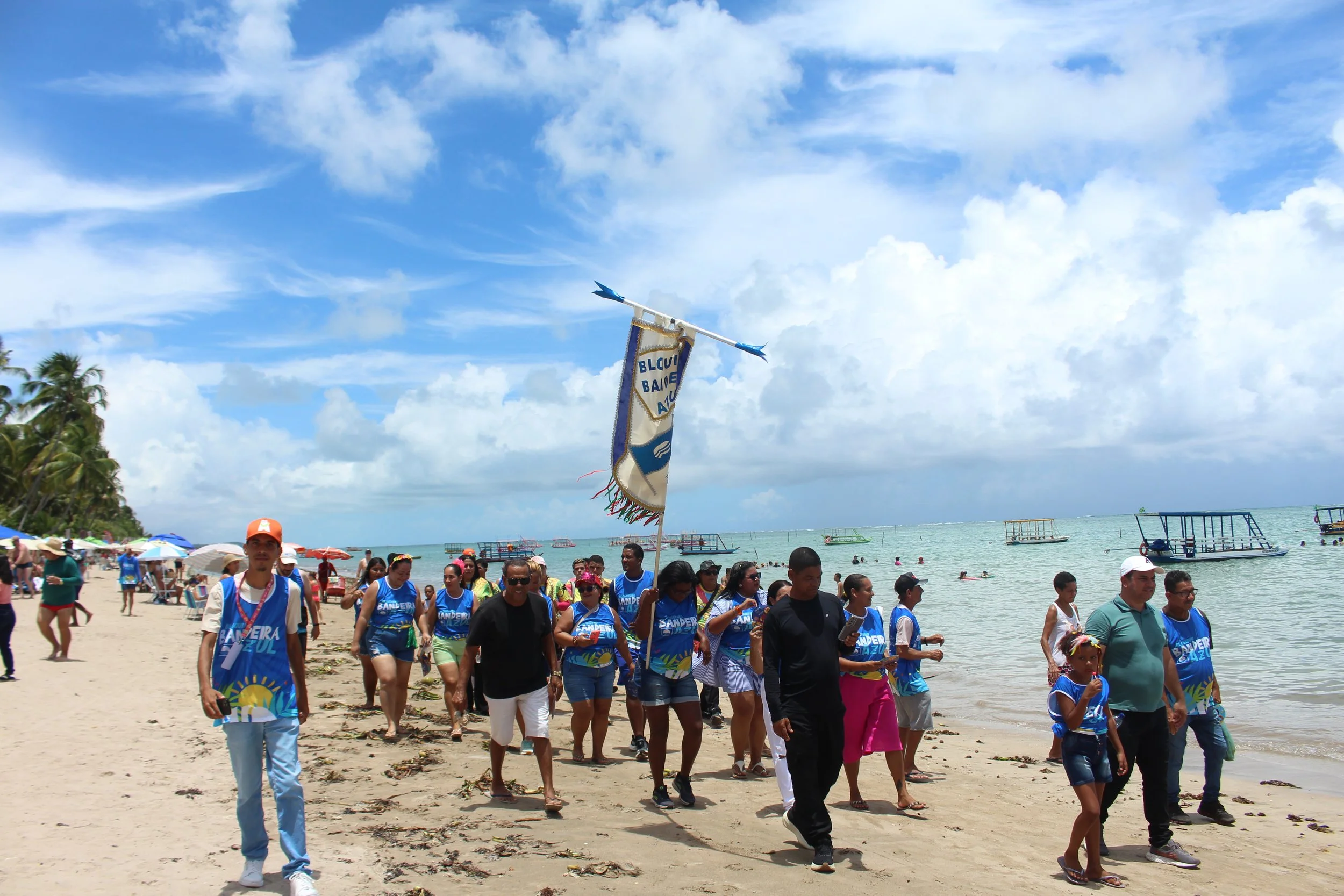
On 14 February 2026, during Brazil’s Carnival, the municipality of Porto de Pedras, located in northeastern Brazil, held another edition of its “Blue Flag Carnival Parade” (Bloquinho Bandeira Azul). The initiative brought together culture, environmental education, and health promotion in a moment of celebration combined with awareness raising.
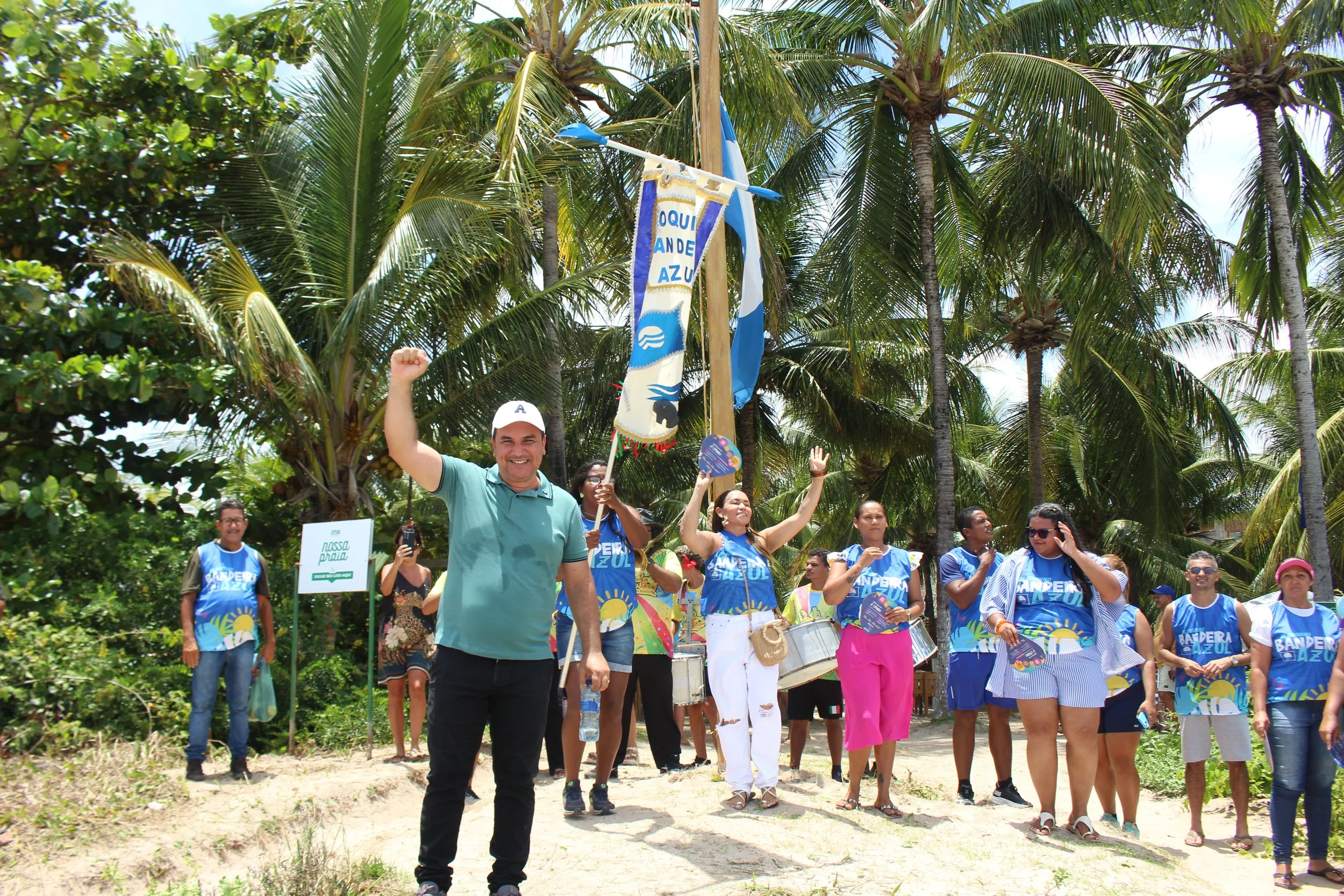
Organisedin partnership with the Municipality of Porto de Pedras, the Secretariat of Environment and the Secretariat of Tourism, the Blue Flag Carnival Parade demonstrates how different stakeholders can cooperate to draw attention to the local environment and its challenges.
The parade started at the “Green Tunnel,” a local natural corridor formed by coastal vegetation and continued to Patacho Beach, which was awarded the Blue Flag certification for four consecutive seasons.
Under the theme “The harm done to the environment is felt by the body,” the event addressed issues such as pollution, improper waste disposal, and environmental contamination, highlighting their direct impacts on public health and quality of life. Residents and visitors were invited to reflect on how individual and collective actions influence environmental and human well-being.
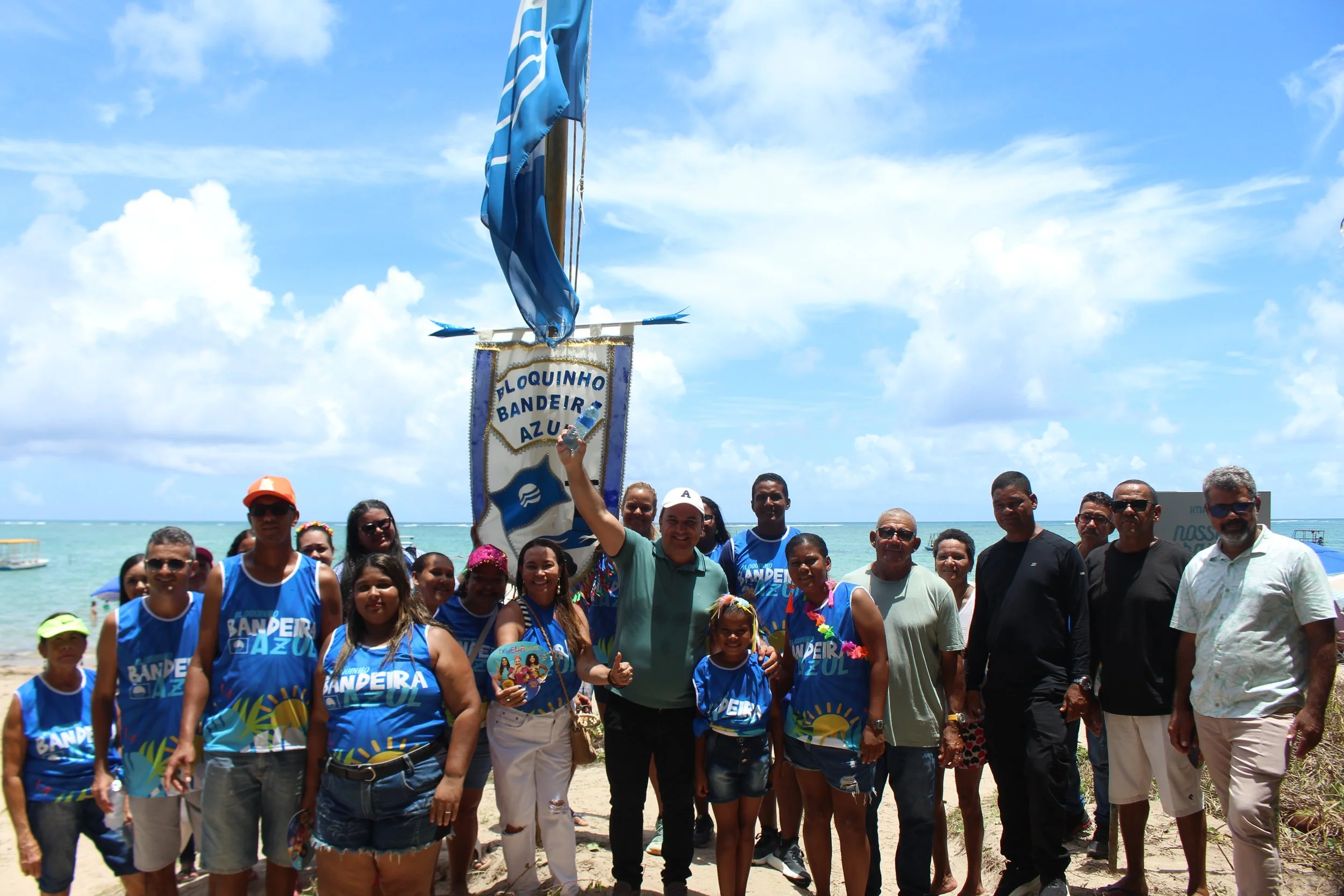
With a population of approximately 7,000 inhabitants, Porto de Pedras demonstrates that commitment to sustainability is not dependent on municipal size. The initiative reflects strong cooperation between local authorities and the community in promoting sustainable tourism and reinforcing practices aligned with Blue Flag principles.
The Municipal Secretary of Tourism, Lívia Crisiane, emphasised that the event strengthens both environmental protection and cultural identity. “The Blue Flag Carnival Parade allows us to celebrate while promoting care for our beaches and for people’s health. It is a way to welcome visitors responsibly and highlight our environmental commitment,” she stated.
The event also included awareness activities promoted by the Municipal Secretariat for Women’s Affairs, addressing the prevention of violence against women and expanding the social dimension of the initiative.
16th Local Blue Flag Responsibles Training Seminar Held in Ankara, Türkiye
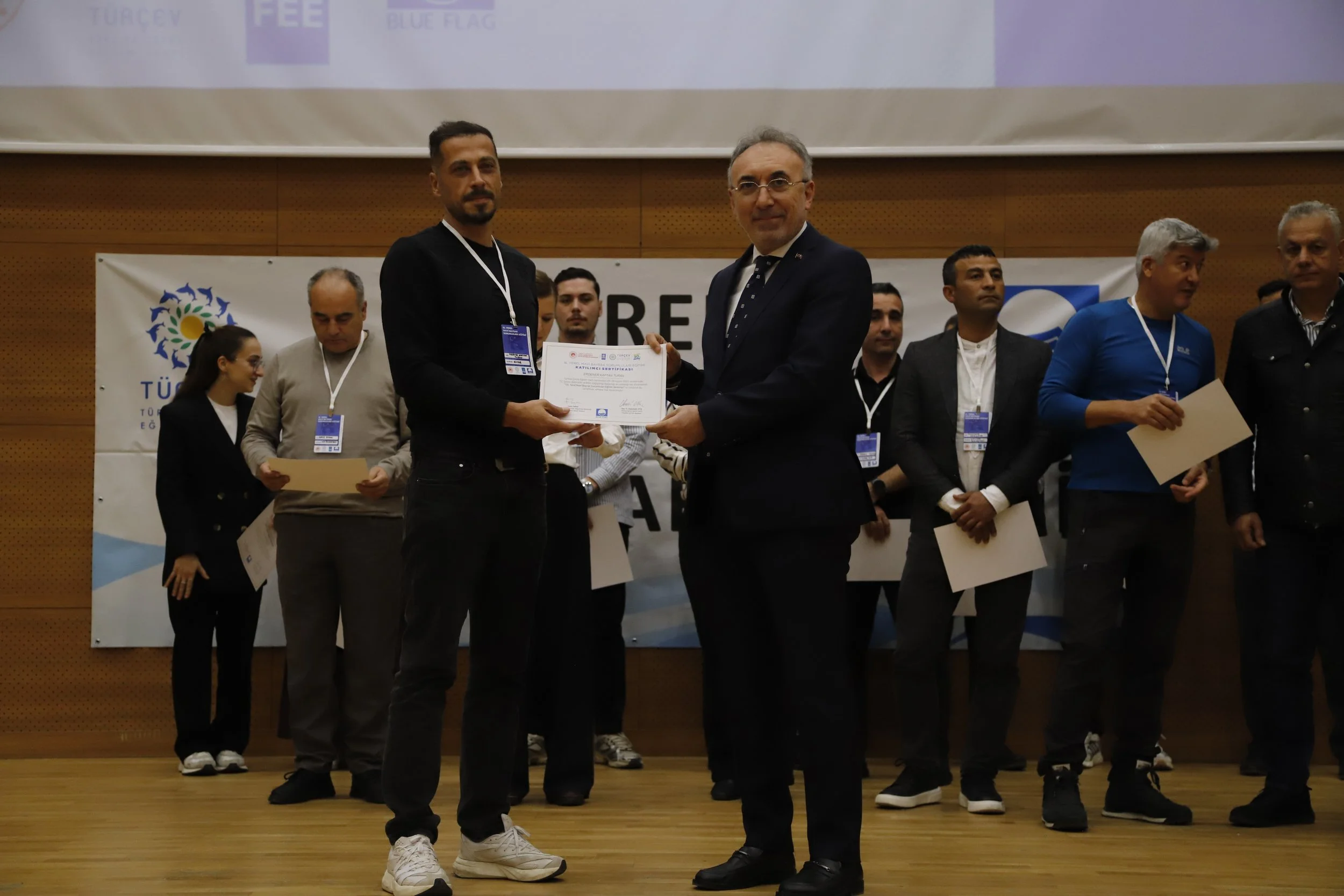
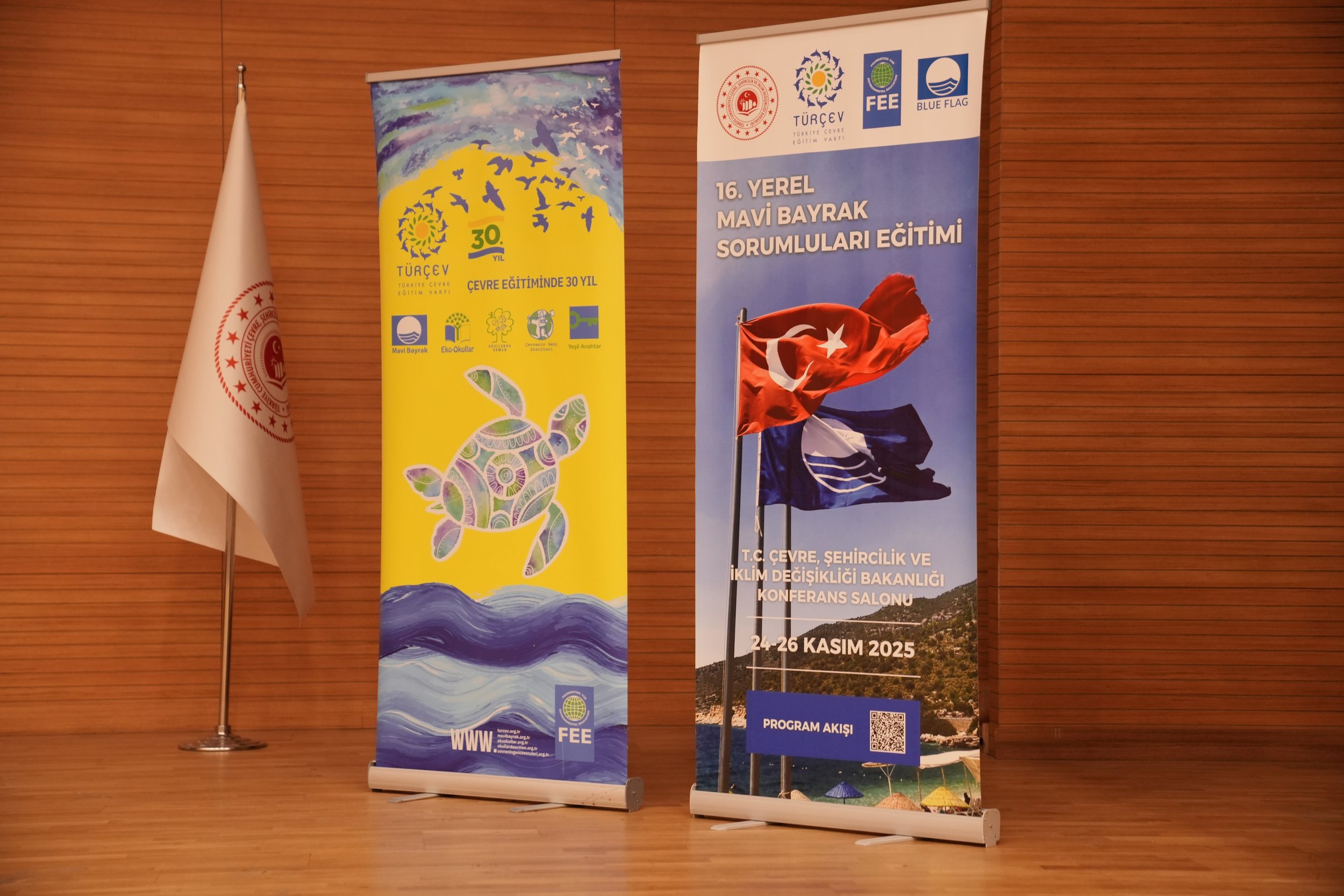
Following the three-day seminar, more than 150 participants were awarded the Local Blue Flag Responsibles Training Certificate. Organized for the 16th time by the Foundation for Environmental Education in Türkiye (TÜRÇEV), the Local Blue Flag Responsible Training Seminar took place on 24–26 November 2025 at the Conference Hall of the Ministry of Environment, Urbanization and Climate Change.
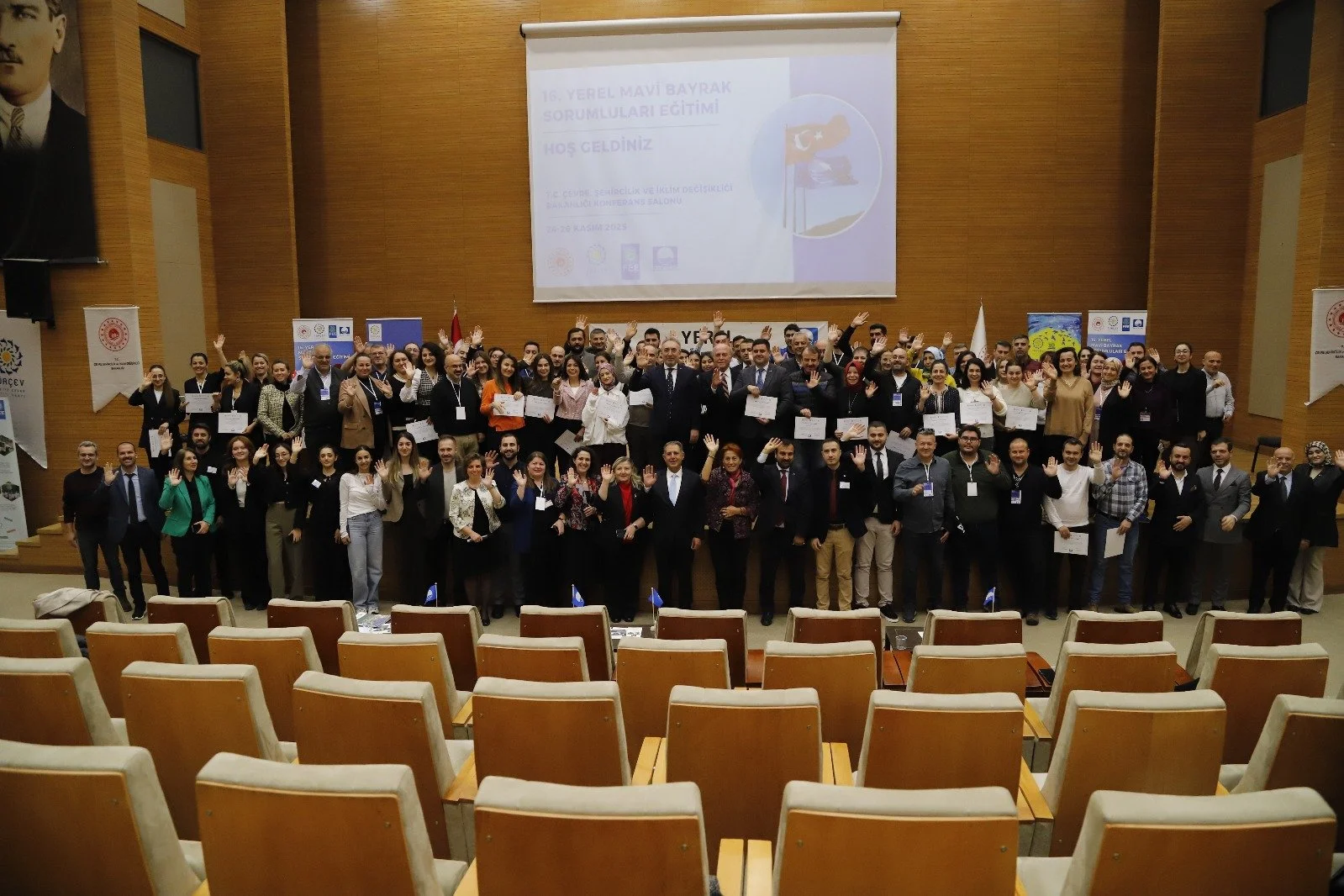
The seminar brought together senior representatives from leading institutions supporting the Blue Flag Programme in our country, including Fatih Turan, Director General of Environmental Management at the Ministry of Environment, Urbanization and Climate Change; Dr. Abdulkadir Ateş, Chairperson of TÜRÇEV and former Minister of Tourism; Halil İbrahim Kılıçarslan, Head of the Project Construction Department at the Ministry of Culture and Tourism; along with experts from the Ministry of Health, the Turkish Coast Guard Command and the Turkish Underwater Sports Federation (TSSF).
Representing 54 municipalities, 4 tourism unions and NGOs, 6 companies and 13 public institutions, more than 150 participants received their certificates at the end of the three-day training. These individuals will serve as Local Blue Flag Responsibles, authorized to implement and oversee the Programme in their respective regions on behalf of their institutions. To date, a total of 1,731 municipal personnel have participated in trainings organized by TÜRÇEV.
Since its implementation in Türkiye in 1993, the Blue Flag Programme has continued to grow. As of 2025, Türkiye has earned the Blue Flag for 557 beaches, 29 marinas, 18 tourism boats and 8 individual yachts. With this number of awarded beaches, Türkiye ranks 3rd globally among more than 50 participating countries.
In regions where the Blue Flag Programme is applied, various institutions designated by TÜRÇEV operate as local responsible bodies. While municipalities constitute the majority of these institutions, NGOs, village service unions and accommodation facilities are also included among the local responsible organizations. A Local Blue Flag Responsible is an authorized individual appointed by these institutions to coordinate Blue Flag related work for awarded or candidate beaches and marinas in collaboration with TÜRÇEV.
Credits: Almıla Kindan Cebbari & Betül Ferik
Brazil’s National Blue Flag Award Ceremony Celebrates Awarded Destinations and Brings Together Five Brazilian States in the city of Guarujá in São Paulo
Held at the Iate Clube de Santos, the event marked the beginning of the 2025/2026 season and recognized beaches and marinas for their environmental excellence and commitment to sustainable tourism.
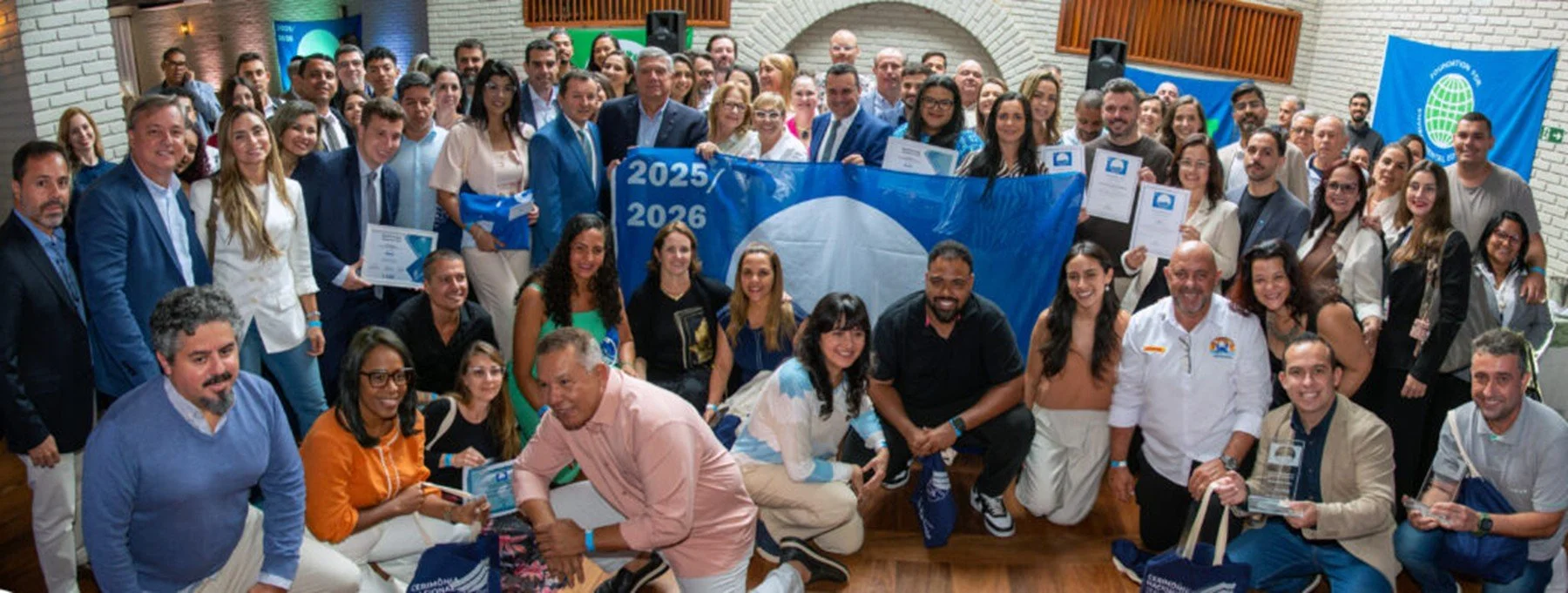
The municipality of Guarujá, on the coast of São Paulo, hosted on October 31 the National Blue Flag Award Ceremony 2025, an event that officially marked the beginning of the new season of the program for the awarded destinations across five Brazilian states. Held at the Iate Clube de Santos, one of the country’s most traditional nautical clubs, the gathering brought together local authorities, mayors, environmental and tourism secretaries, as well as representatives from environmental organizations from all over Brazil. In this edition, 60 Brazilian destinations were approved by the national and international juries of the Blue Flag Program and will have the right to hoist the flag that symbolizes environmental quality, responsible management, and the promotion of sustainable tourism along the Brazilian coast.
Destinations from five states were recognized this season. The geographic distribution of the 2025/2026 Blue Flag includes six locations in the Northeast, one in Alagoas and five in Bahia. In the Southeast, there are 23 approvals, 19 in Rio de Janeiro and four in São Paulo. Santa Catarina, meanwhile, consolidates its position as the state with the largest number of awarded destinations, totaling 31 sites.
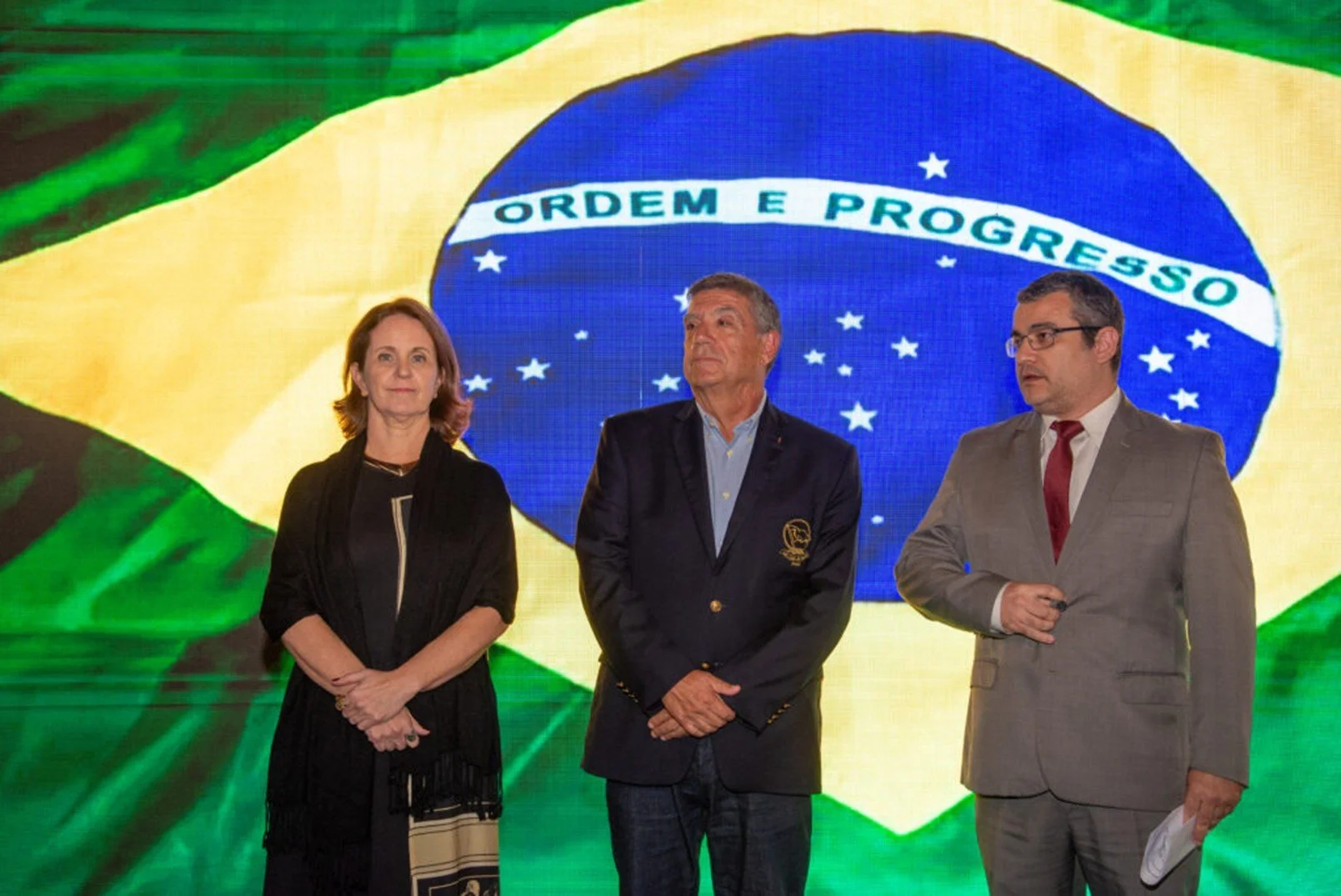
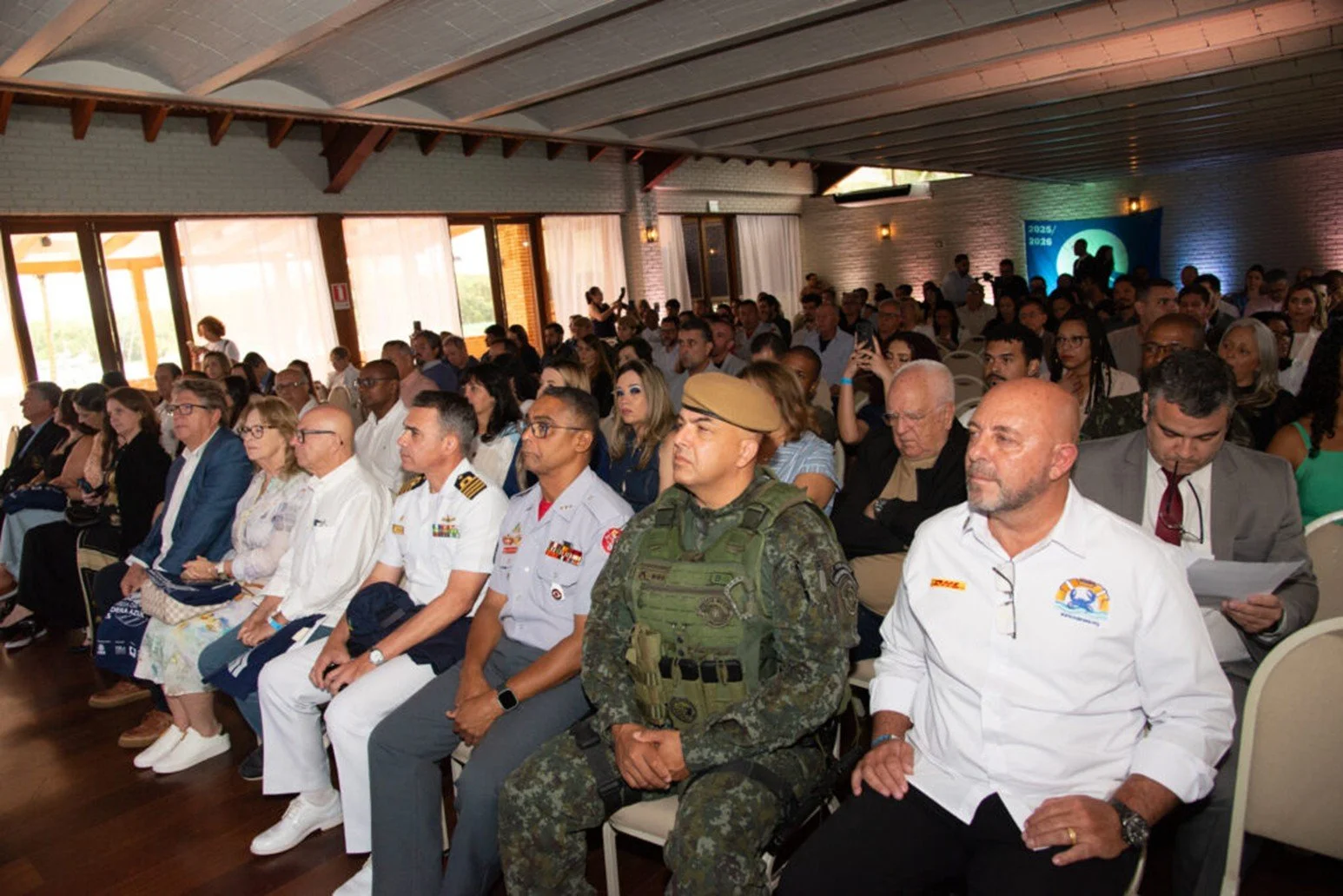
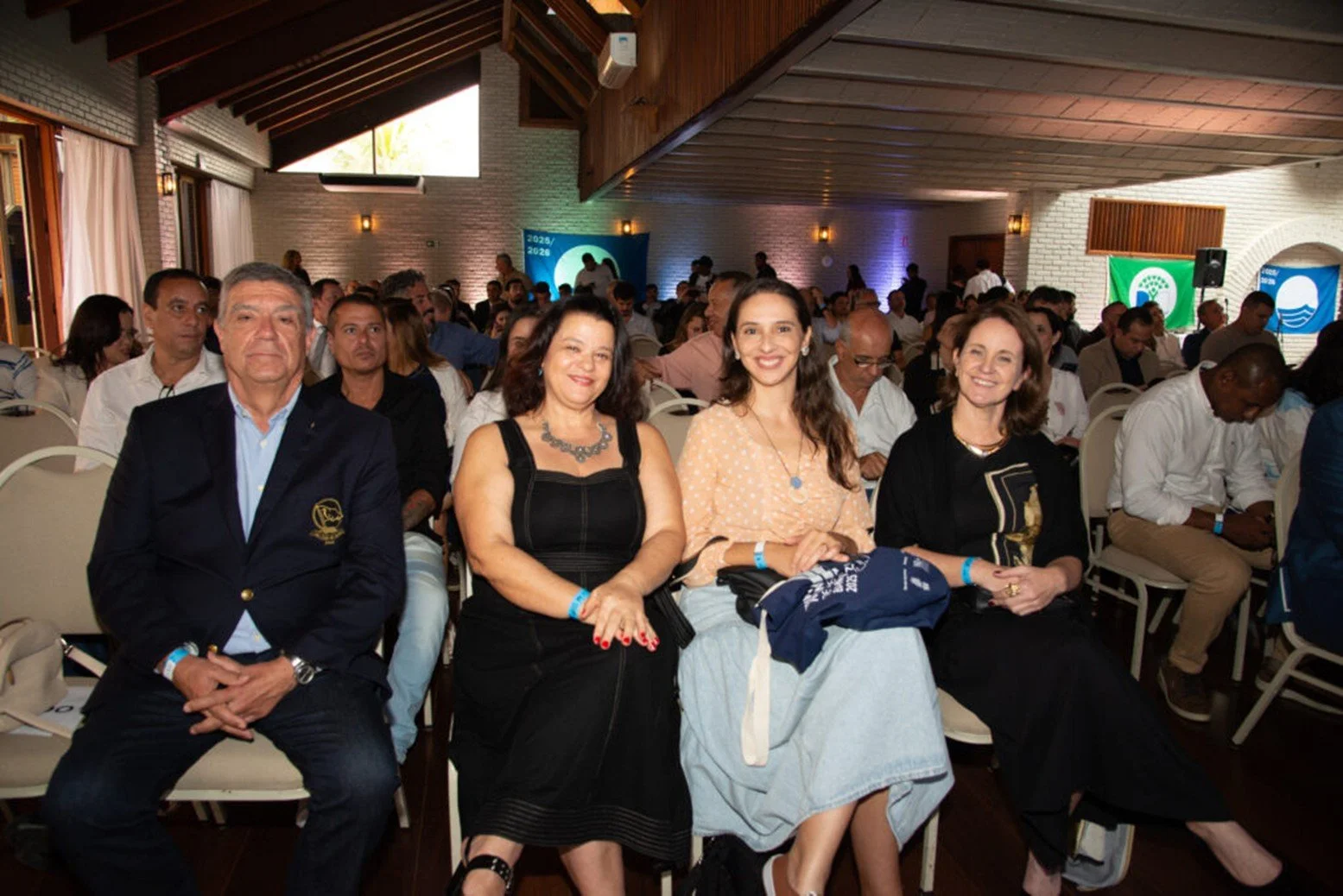

The mayor of Guarujá, Farid Madi, celebrated the award for Praia do Tombo, now reaching its 16th consecutive season with the Blue Flag award. “It is a great joy to host the national Blue Flag ceremony here in Guarujá. Praia do Tombo reaches its 16th season with the award, being the oldest in South America, and this fills our city with pride. This recognition reaffirms Guarujá’s commitment to sustainability, environmental quality, and the well-being of those who live in and visit our coastline. Hosting this national ceremony here makes the moment even more special,” the mayor highlighted. “For the Iate Clube de Santos, it is an honor to host this national ceremony and celebrate, together with the awarded destinations, the commitment to sustainability and the preservation of our seas. The award is a symbol of excellence, but also of collective responsibility. Here in Guarujá and at the club, we work to maintain an environmental management standard that inspires other clubs and coastal communities to follow the same path. Hosting this event reinforces our mission of promoting the conscious and sustainable use of the marine environment,” said Odoardo Lantieri, environmental manager and representative of the Iate Clube de Santos in Guarujá. The executive director of Instituto Ambientes em Rede, the organization responsible for promoting the program in Brazil, also celebrated the awarded destinations: “Behind each hoisted flag, there is a committed team, an engaged community, and a constant effort to make a difference. The Blue Flag recognizes precisely the work of those who believe sustainability is not a distant concept, but something built daily, through responsible decisions. In this edition, we have destinations from five states — Alagoas, Bahia, Rio de Janeiro, Santa Catarina, and São Paulo — that demonstrate, through concrete actions, that it is possible to align tourism development with environmental conservation. This achievement is the result of collective work involving public authorities, the private sector, and local communities, all united by the common purpose of ensuring a more sustainable future for our coastline,” said Leana Bernardi, who is also the national coordinator of the program in Brazil.
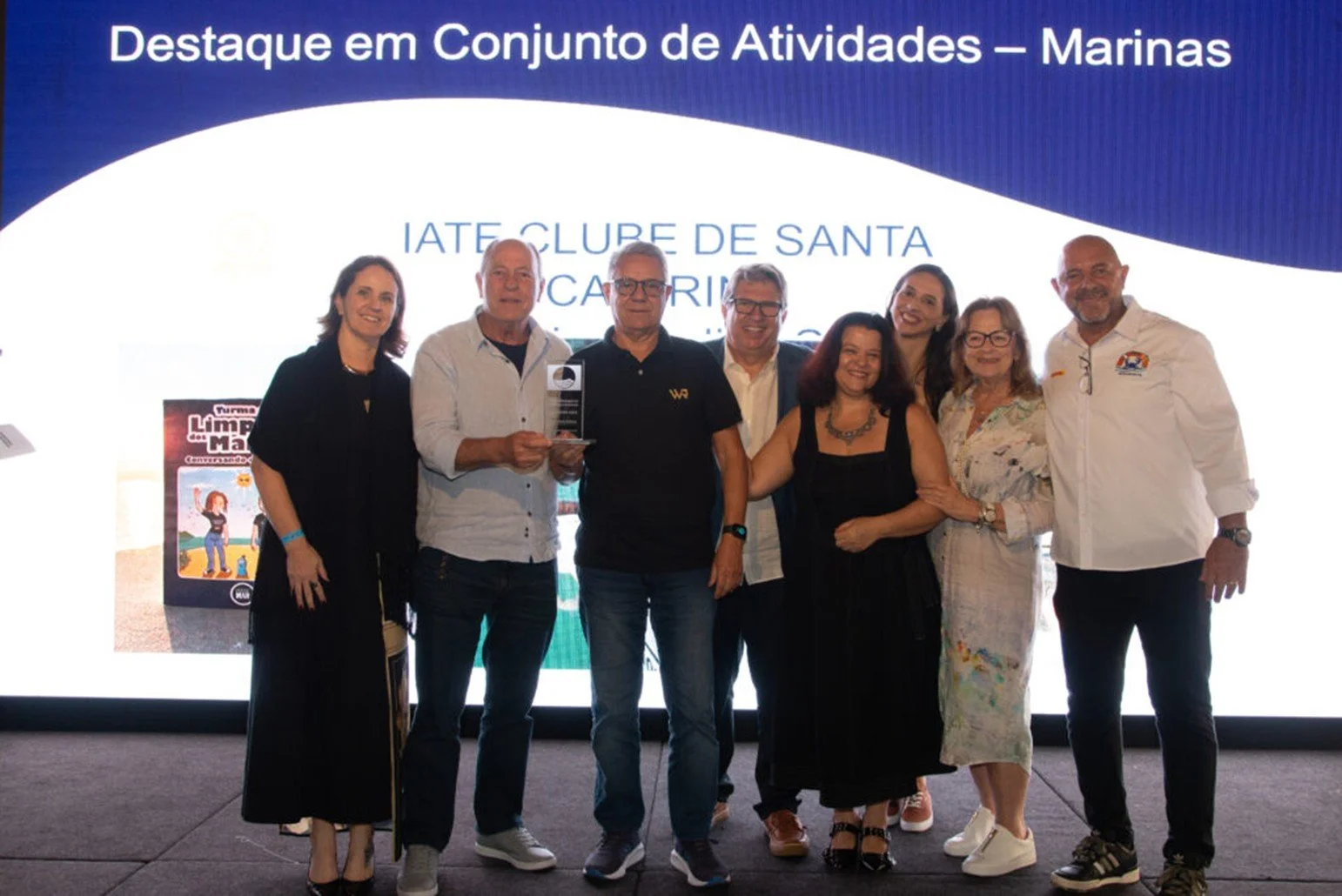
Environmental Education Recognition Award– National Jury
The municipality of Bombinhas, in Santa Catarina, was recognized for its set of Environmental Education activities for the third consecutive year, receiving the Environmental Education Recognition Award, granted by the National Jury of the Blue Flag Program, for the initiatives carried out during the 2024/2025 season on the beaches of Conceição, Mariscal, Prainha de Mariscal, Quatro Ilhas and Tainha. Also in the Beaches category, highlights included the activity “Ghost Fishing: Protection of the Marine Environment,” conducted at Praia do Peró in Cabo Frio (RJ), and the video entitled “Dissemination of Knowledge on Climate Change,” developed by the beaches of Bombinhas (SC). In the Marinas category, recognition went to the set of activities by the Iate Clube de Santa Catarina – Veleiros da Ilha, in Florianópolis (SC), and the initiative “The Path of Waste to the Sea,” promoted by Marina Kauai in Ubatuba (SP).
Good Practice Competition – International Jury
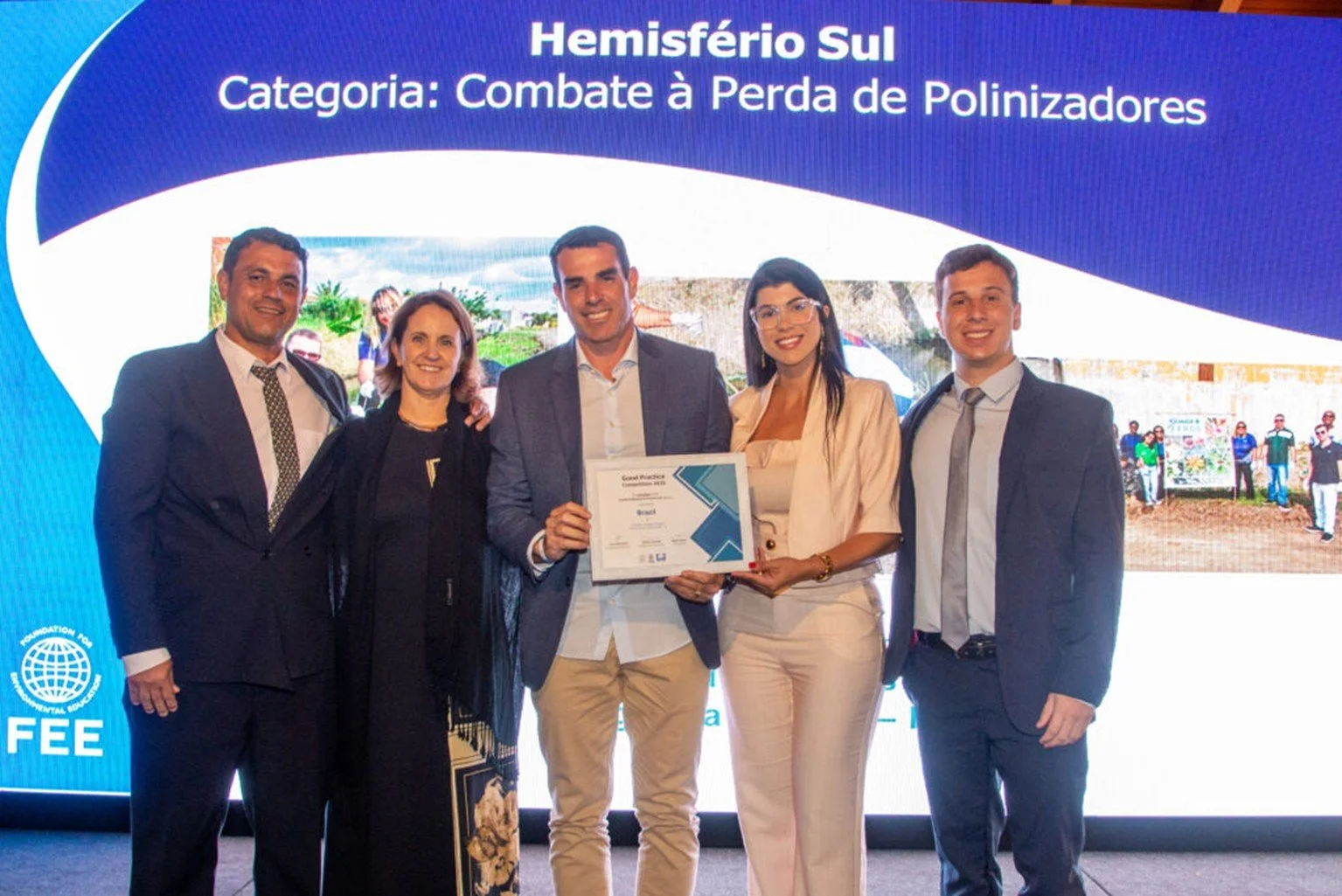
This year, the International Jury of the Blue Flag Program granted Brazil three Good Practice Competition awards. In the Climate Adaptation category, the Iate Clube de Santa Catarina won in the Southern Hemisphere with the activity “Visit to an Oyster Farm – Mariculture, Climate, and the Ocean Economy.” In the Pollinator Loss Prevention category, the project “Iguaba Mais Verde,” from Praia de Ubás in Iguaba Grande (RJ), took second place. In the same category, Praia do Patacho in Porto de Pedras (AL) was also awarded for the activity “Sustainable Paths, Inclusion, and Nature.”

Awarded beaches and marinas must annually demonstrate compliance with the criteria established by FEE – Foundation for Environmental Education, the international organization responsible for overseeing the program. The criteria cover aspects such as environmental and heritage management, water quality, environmental education, safety and services, sustainable tourism, and social
responsibility.
The National Blue Flag Award Ceremony 2025 was organized by Instituto Ambientes em Rede, in partnership with the Municipality of Guarujá and the Iate Clube de Santos, with sponsorship from Embratur and support from the Visite Guarujá Convention & Visitors Bureau. The official flag hoisting will take place starting November 1, marking the beginning of the summer season in the Southern Hemisphere.
Credits: Matheus Bonfim
International announcement of Blue Flag Awarded sites - Southern Hemisphere 2025/2026 season

The second Blue Flag International Jury meeting of 2025 took place this past September, and we’re proud to announce that 21 new sites have received the Blue Flag award for the upcoming season in the Southern Hemisphere.
These sites join the previously awarded beaches, marinas, and tourism boats awarded by the International Jury in the Northern Hemisphere round that took place in April, for a total of 5216 sites awarded in 2025 (4323 beaches, 738 marinas, and 155 tourism boats) in 51 countries.
We would like to also congratulate the winners of the Best Practice competition for the Southern Hemisphere 2025/2026 International Evaluation. The final ranking is published here.
Once again, Blue Flag International thanks its valuable institutional partners EEA, ENAT, EUCC, ICLEI, ICOMIA, ILS, UNEP, UNESCO, UN Tourism, World Sustainable Hospitality Alliance, CitiesWithNature, Climate Service Center Germany - GERICS, Caribbean Hotel & Tourism Association, University of Aberdeen, IUCN and WCA for sharing their expertise.

Celebrating Coastal Stewardship: Morocco’s Lalla Hasnaa Sustainable Coastline Awards
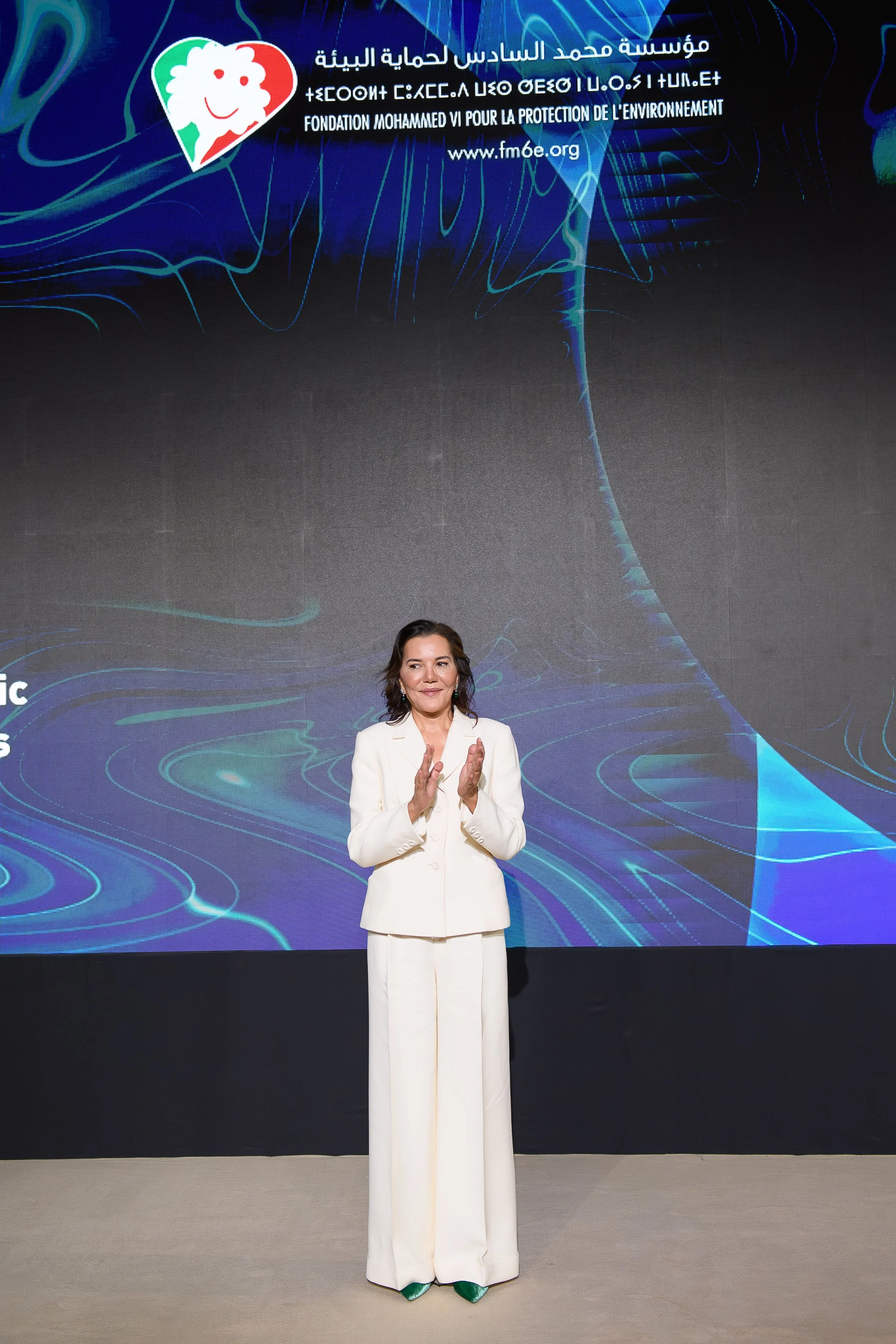
Since 2001, Morocco has championed the protection and celebration of its 3 500 km of coastline through the Lalla Hasnaa Sustainable Coastline Awards, an initiative of the Mohammed VI Foundation for Environmental Protection under the leadership of Her Royal Highness Princess Lalla Hasnaa. Born from the original “Clean Beaches” program, the awards have evolved into a flagship model for community-driven coastal sustainability; one that perfectly embodies the spirit of Blue Flag, the international FEE program recognised for environmental education, citizen engagement, biodiversity protection, and waste reduction.
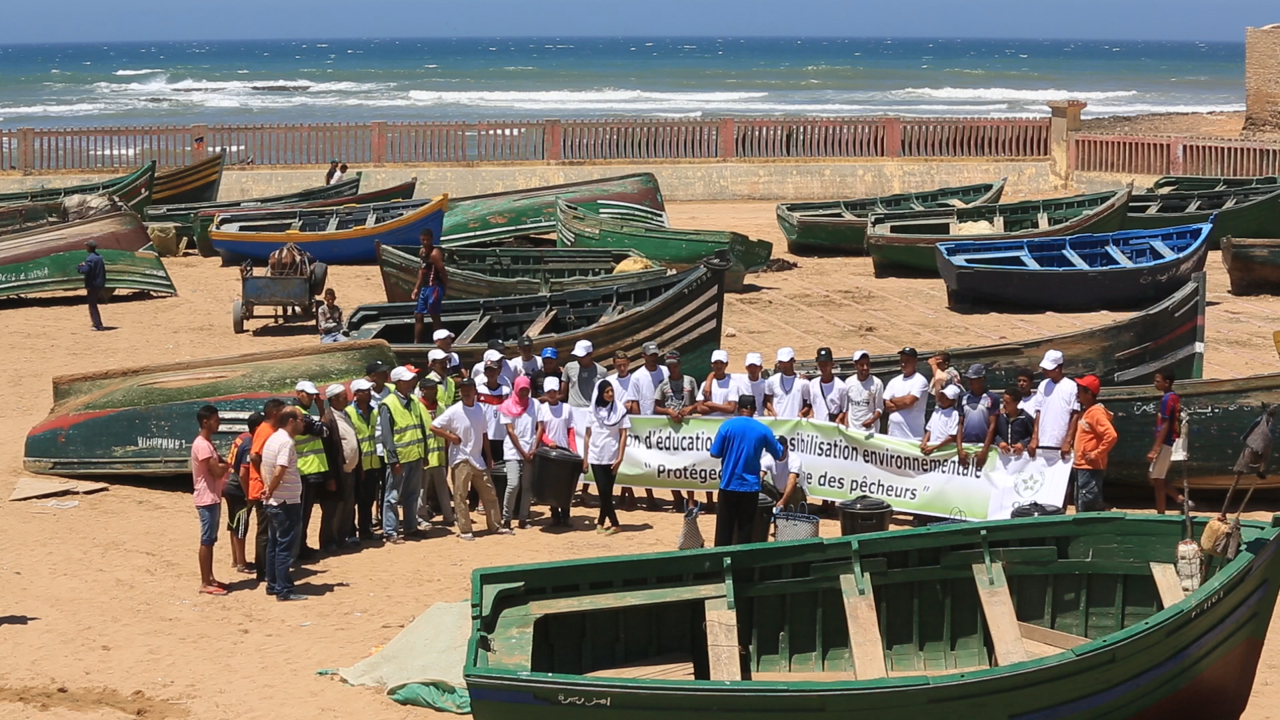
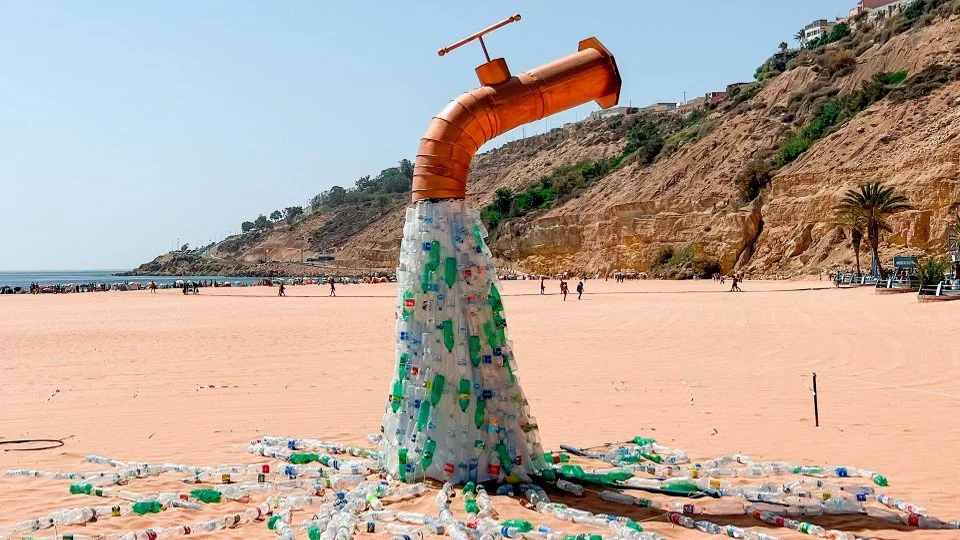
Each biennial edition invites municipalities, NGOs, schools, businesses, and individuals to submit their most innovative coastal projects. From brightly colored, fish-shaped recycling bins that capture the public’s imagination to the transformation of plucked plastic waste into functional art, these initiatives spark real change on the sand. Winning efforts to date have included inclusive boardwalks that grant beach access to people with reduced mobility and citizen-science campaigns that map microplastic hotspots, all evaluated by an independent jury of marine scientists, sustainability experts, and community leaders for relevance, measurable impact, creativity, and potential to inspire replication elsewhere.
Participation has steadily increased over the editions, with a total of 440 applications and nearly 100 projects awarded across the four editions, reflecting a growing national momentum for environmental engagement and illustrating the Moroccan population’s increasing ownership of their coastal heritage. The Fifth Edition of the Lalla Hasnaa Sustainable Coastline Awards marks a significant milestone, guided by themes aligned with UNESCO’s Decade of Ocean Science for Sustainable Development 2021-2030; an alignment intended to steer projects toward priorities such as ecosystem restoration, marine biodiversity, and sustainable livelihoods.
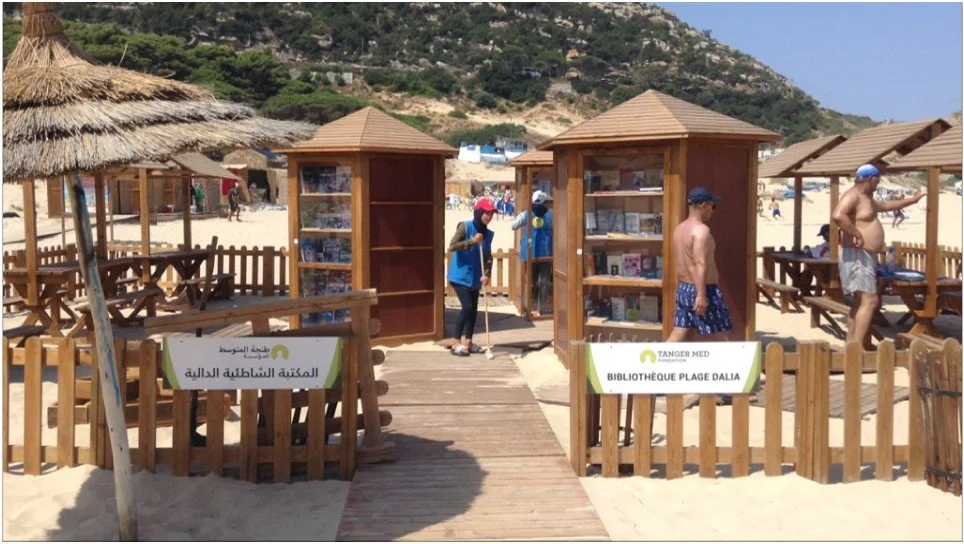
Since that alignment began at the fourth edition in 2022, the awards have been officially recognized within UNESCO’s Ocean Decade framework, solidifying their role in advancing key Sustainable Development Goals. By promoting quality education through youth‑focused workshops, ensuring clean water and sanitation via rigorous beach‑cleaning benchmarks, fostering sustainable communities through public‑space rehabilitation, championing climate action with low‑emission solutions, safeguarding life below water with scientific monitoring, and forging strong partnerships across sectors, the Trophies directly contribute to SDGs 4, 6, 11, 13, 14, and 17.
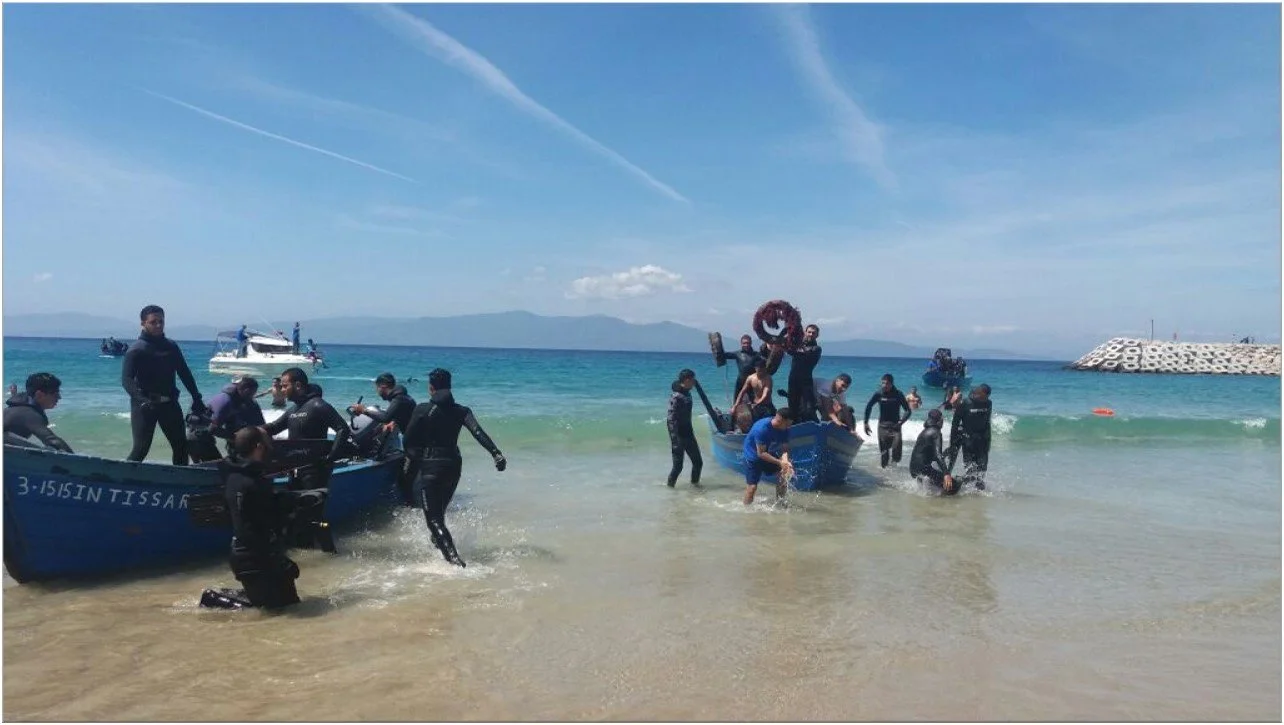
This international visibility underscores the Trophies’ effectiveness as a scalable blueprint for participatory coastal governance, inspiring communities locally, nationally and regionally. While Morocco emerges as a regional leader in sustainable coastal management, the Fifth Edition of the Lalla Hasnaa Sustainable Coastline Awards invites new laureates to carry forward a legacy of innovation and stewardship. Learn more about the Lalla Hasnaa Sustainable Coastline Awards through the program’s website and follow us “@b7ar.blaplastic” on social media (Instagram and Facebook). Together, we can translate local ingenuity into lasting coastal stewardship; one beach, one community, one Trophy at a time.

The Bulgarian Blue Flag Movement celebrates 30 years since Bulgaria’s first Blue Flag
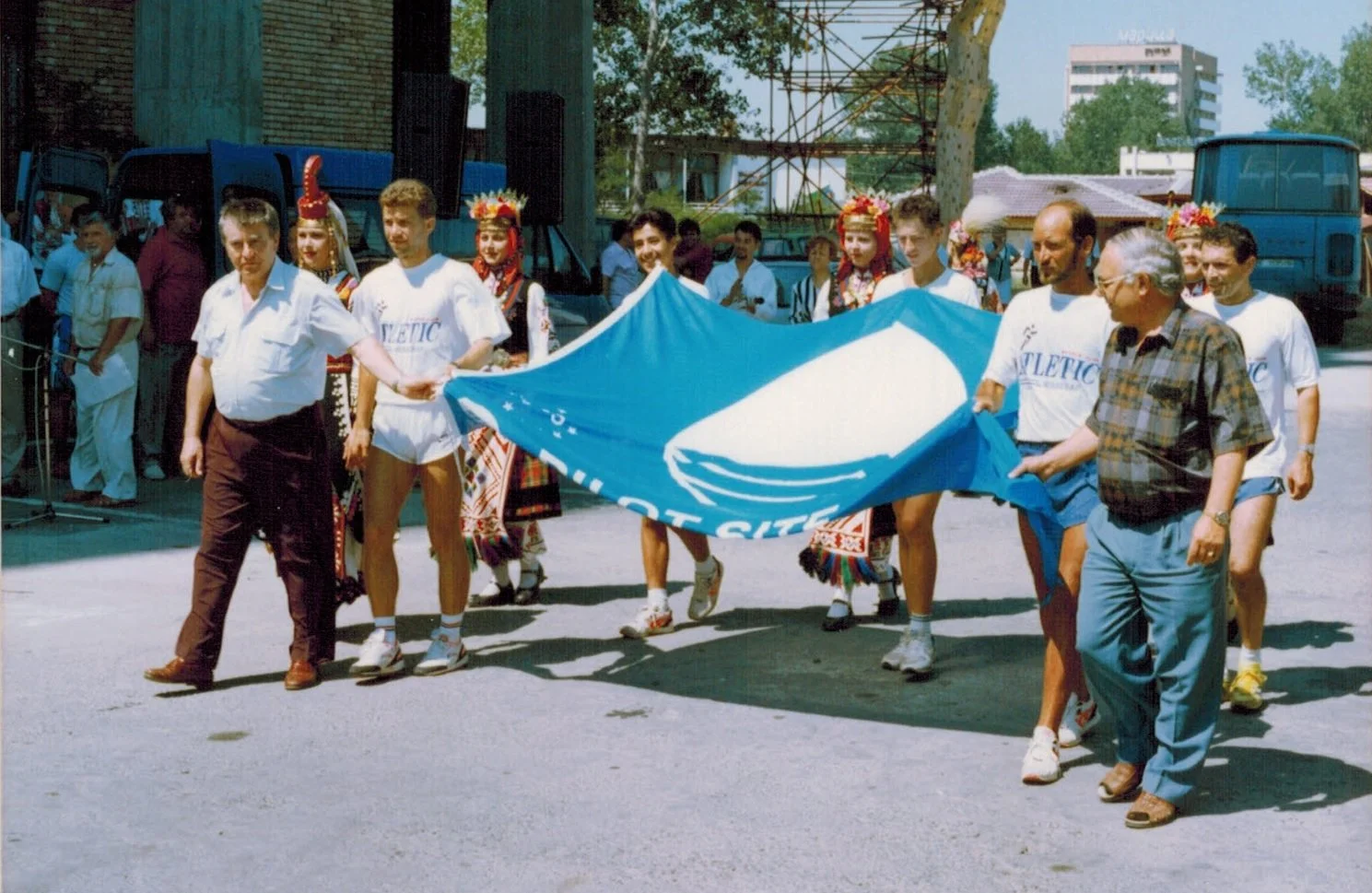
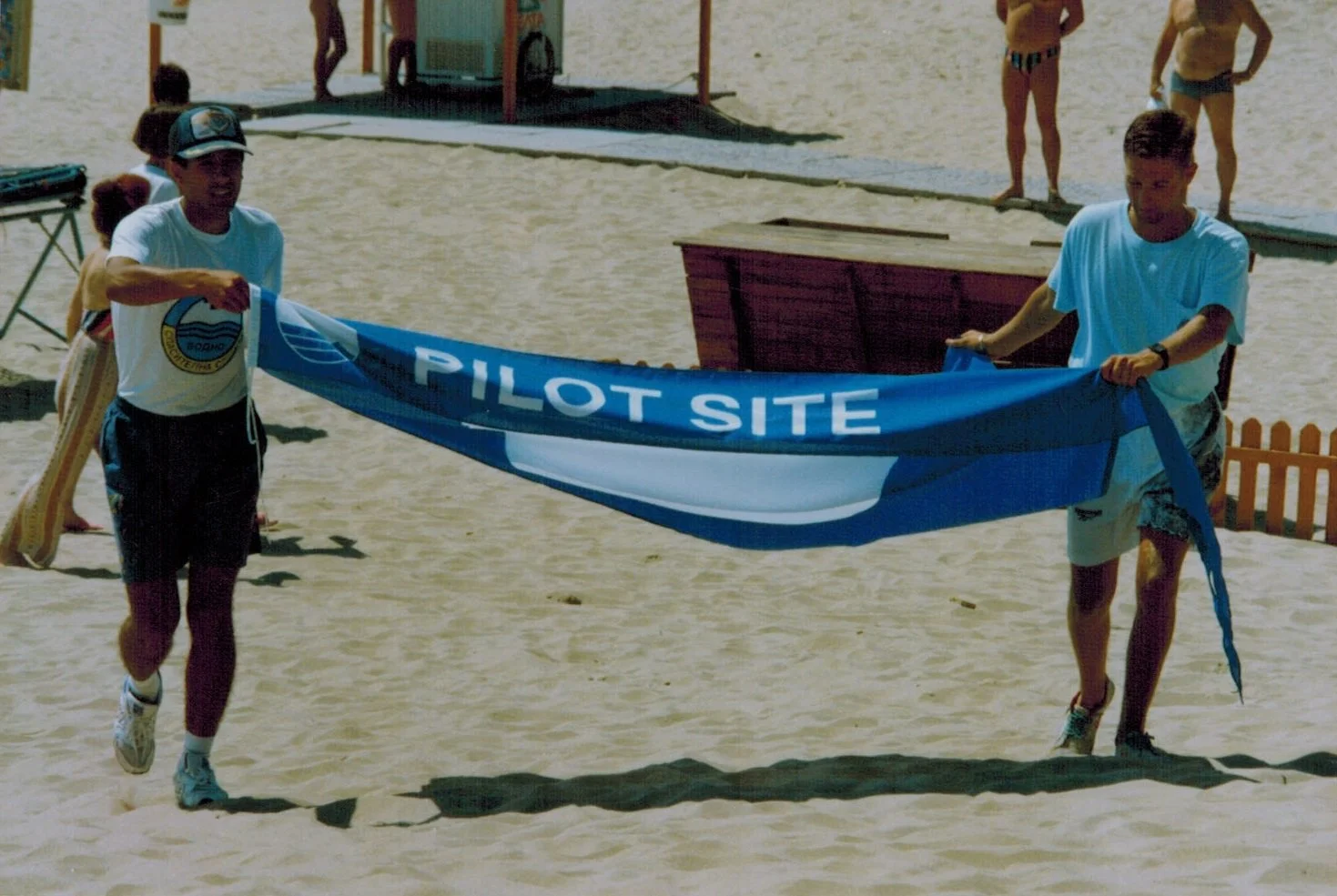
On July 4th 2025 at exactly 11:59:25 in Sunny Beach the Bulgarian Blue Flag Movement organized an event with the slogan “30 Years of Clean Water, Trust and Safety”. This event copies and commemorates the first Blue Flag raising ceremony, organised 30 years ago at 11:59:25 at Sunny Beach, which was the first Bulgarian beach to receive the prestigious Blue Flag award. That special day honors the beginning of the international recognition for Bulgarian beaches and the long-term commitment to high standards of cleanliness and safety.
First Blue Flag award ceremony in Sunny Beach, Bulgaria (1995)
Exactly 30 years after its first international distinction, the Bulgarian Blue Flag Movement looks back to where it all started for the Blue Flag in Bulgaria.
Today the flag arrived from the water, pulled by a boat with a parachute — a visual symbol of the clean connection between sea, nature and human efforts.
“This flag carries memoris, responsibility, and meaning — it proves that Sunny Beach is not just a tourist destination, but a national example of sustainable coastal development,” said Kiril Spasov from the Association of Concessionaires of Seaside Beaches.
“Bulgaria celebrates 30 years in the Blue Flag family with 30 Blue Flags awarded. It’s not just recognition—it’s the result of real efforts, every day, every season. The anniversary is a great opportunity to honor the people behind the success,” emphasized Stanimir Georgiev, Chairman of the Bulgarian Blue Flag Movement.
In 2025, Bulgaria joins the initiative with a national record number of beaches and marinas. But Sunny Beach remains the starting point—the place where, 30 years ago, the country first found its place on the global Blue Flag map.
Everyone’s efforts are important and definitely lead to success when people join forces to protect the coast.
2025 marks another success – Bulgaria’s bathing water quality is ranked second in Europe by the EU after the fifth place last year, which eloquently shows improvement. All these great news are the result of the hard work of all the people and especially the beach managers, who follow the Blue Flag criteria and run their activities in a respectful and responsible for the environment way.

European Boating Industry and FEE sign MoU to advance sustainable nautical tourism
Brussels/Copenhagen, June 2025– European Boating Industry (EBI) and the Foundation for Environmental Education (FEE), the organisation behind the Blue Flag certification, joined forces with a Memorandum of Understanding (MoU) aimed at accelerating sustainable practices within the European nautical tourism sector. This collaboration reflects both organisations' strong commitment to promoting innovation, environmental stewardship, and responsible growth across the industry.
Bringing together complementary expertise, the partnership combines EBI’s influence in European recreational boating policy with FEE’s global leadership in sustainable tourism. With initiatives such as Blue Flag and Green Key, FEE sets internationally recognised standards, while EBI engages directly with policymakers and industry actors to advance sustainable development and connects the boating sector at European level from manufacturing to tourism and services. This collaboration creates a strong foundation for unified efforts, shared advocacy, and greater impact to support the nautical tourism sector.
Through this partnership, EBI and FEE commit to a close and ongoing collaboration aimed at advancing sustainability. This includes mutual promotion of activities, the joint development of projects aligned with shared priorities and regular exchanges of information. The partnership is grounded on a shared commitment to delivering meaningful and accountable outcomes.
Philip Easthill, Secretary-General of European Boating Industry, emphasised the significance of the partnership by stating, “This is an important step forward for the recreational boating industry in Europe. By aligning with FEE, we are reinforcing our commitment to a sustainable future for nautical tourism, one that balances growth with environmental responsibility.”
Daniel Schaffer, CEO of the Foundation for Environmental Education, welcomed the collaboration, noting:
“The Foundation for Environmental Education is proud to formalise its collaboration with the European Boating Industry Association through this Memorandum of Understanding. As custodians of the Blue Flag, one of the world’s most recognised voluntary eco awards, we see this partnership as a vital step forward in promoting sustainable practices across the pleasure boating sector in Europe. By aligning with EBI, we aim to further our shared commitment to protecting marine and coastal environments while supporting innovation and responsibility in the recreational boating community. Together, we can chart a more sustainable course for the future of European waters.” ”
About European Boating Industry (EBI)
EBI represents the recreational boating industry in Europe. It encompasses all related sectors, such as boatbuilding, equipment manufacturing, marinas and service providers. The industry is a significant contributor to the European economy, representing 32,000 companies, predominantly SMEs that employ over 280,000 people directly. The mission of EBI is to advance and represent a sustainable boating and nautical tourism industry.
About Foundation for Environmental Education (FEE)
The Foundation for Environmental Education (FEE) is one of the world’s largest Education for Sustainable Development (ESD) organisations, with over 100 member organisations in 85 countries. With a network of over 50,000 educational institutions, the Eco-Schools, Learning About Ecosystems and Forests and Young Reporters for the Environment programmes empower young people to create an environmentally conscious world through experiential, project-based learning. The Green Key and Blue Flag programmes are globally recognised for promoting sustainable business practices and the protection of natural resources. With over 40 years of impactful experience in ESD, FEE’s strategic plan, GAIA 20:30, prioritises impactful action across all five programmes to address the threats of climate change, biodiversity loss and environmental pollution.

Blue Flag Educational activity in Argentina - Balneario La Florida
In the framework of the Blue Flag programme, Balneario La Florida in Argentina presented ‘La Travesía del Sauce Criollo’, a travelling artwork that is integrated into the city's environmental education agenda. This artistic and community project is part of a larger effort focused on environmental education, waste management, safety and water analysis.
‘La Travesía del Sauce Criollo’ is a monumental sculpture created by internationally renowned artist Alejandro Propato, a specialist in large-scale sculptures in natural public spaces. Inspired by the Creole willow, a tree that grows along rivers and whose seeds are dispersed through water, the work combines art and environmental awareness in an innovative way. The structure simulates the trunk and branches of the willow, while its foliage is built in a participatory way using reusable plastic PET strips.
In this sense, more than 30 institutions, including cultural centres, NGOs, neighbourhood organisations, faculties, municipal secretariats, the Aquarium and the River Advisory Council, have already joined this process, as well as 25 schools participating in the construction of the foliage. In addition, 9 plastic bottle collection centres have been set up at strategic points in the city: the municipal centres of the South, North and Centre districts, the Centre for Contemporary Expressions, the Parque España Cultural Centre, the Municipal School of Urban Arts, the Faculty of Humanities and Arts and the Argentine Library.
It is worth noting that the project not only seeks to raise awareness about the importance of the native willow tree and reforestation with native species, but also to promote reflection on consumption and its impact on nature. Thus, ‘La Travesía del Sauce Criollo’ is an opportunity to unite community wills in pursuit of positive change.
"We believe that, by uniting community wills, we will generate the necessary change while reflecting on our consumption and its impact on nature. We want to highlight the importance of reforestation with native species and how we can all be agents of change," said La Florida.

Good Practice Competition results for the Northern Hemisphere 2025 International Evaluation
As part of the Northern Hemisphere 2025 International Evaluation, Blue Flag International invited the National Operators to share Good Practice examples from their countries. The themes of this edition were:
Measures to prevent pollinator and insect loss
Measure to promote climate adaptation
In total, 22 Good Practices have been submitted by 13 countries as part of the latest International Evaluation round. That included
14 Good Practices related to Climate adaptation;
8 Good Practices related to Pollinator and Insect Loss Prevention;
The International Jury was then presented with a selection of Good Practices during its meeting on the 10th of April 2025, and evaluated the Good Practices within each category. In this process, relevance, creativity, adaptability, collaboration, and replicability were taken into consideration.
The final rankings are presented below, including the winning top Good Practices from each category.
Measure to promote climate adaptation
© Municipality of Ishøj

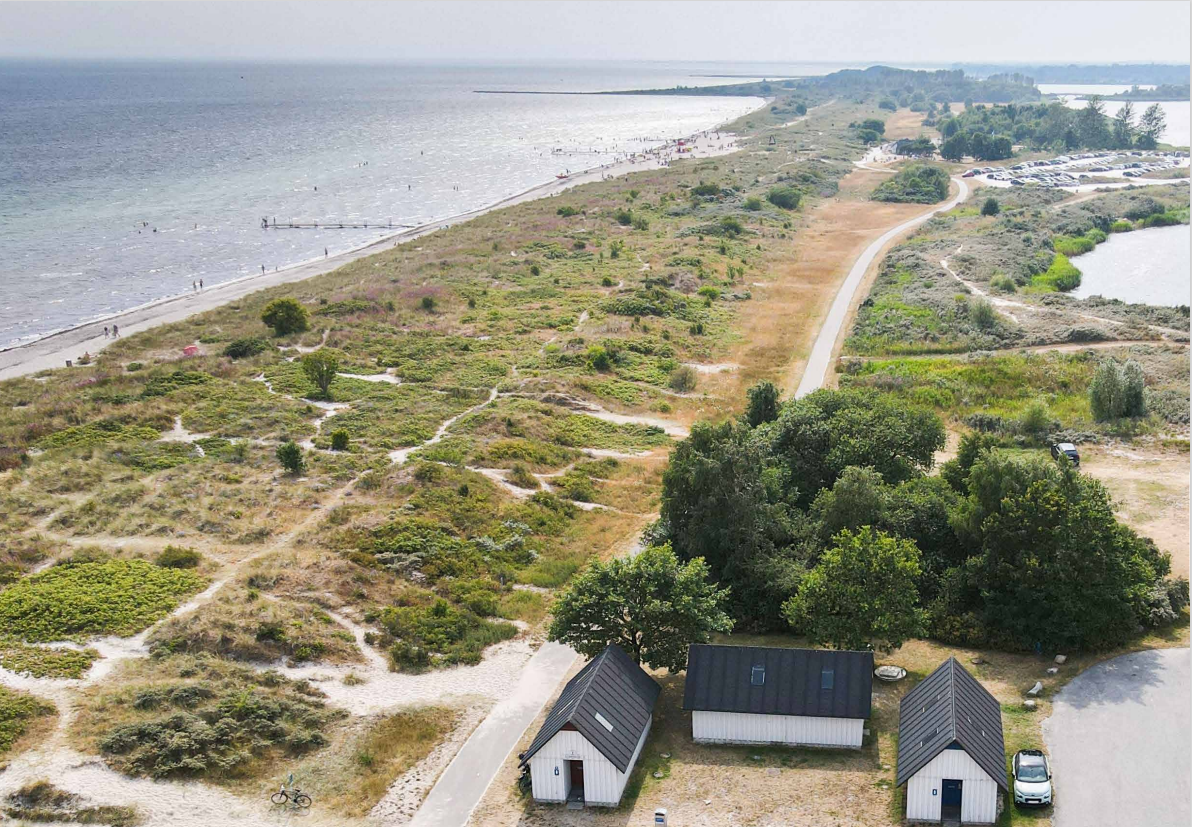
3rd place - ‘Beach SOS ’,
Municipality of Ishøj, Denmark
The Beach SOS initiative at Køge Bugt Strandpark in Denmark combines large-scale sand nourishment, reinforced dikes, and sustainable tourism infrastructure to enhance coastal resilience, while the expanding Havhytten marine center fosters climate adaptation through education and community engagement.

© Municipality of Teulada

3rd place - ‘Dune Awareness-raising workshops on the beach’,
Municipality of Teulada, Spain
A series of interactive workshops in Playa de la Ampolla de Moraira, Spain, raised awareness among 90 participants about the vital role of seagrass beds and seaweed in coastal protection, promoting respect for natural processes and their importance in combating climate change.

© Hotel Wyndham

2nd place - ‘Coastal Green’,
Hotel Wyndham, Mexico
The Viva Azteca By Wyndham Hotel launched a coastal restoration project, planting 400 native plants to stabilize sand, prevent erosion, and promote biodiversity. The project engages tourists and locals through environmental workshops, talks, and hands-on activities.
© Municipality of Denia
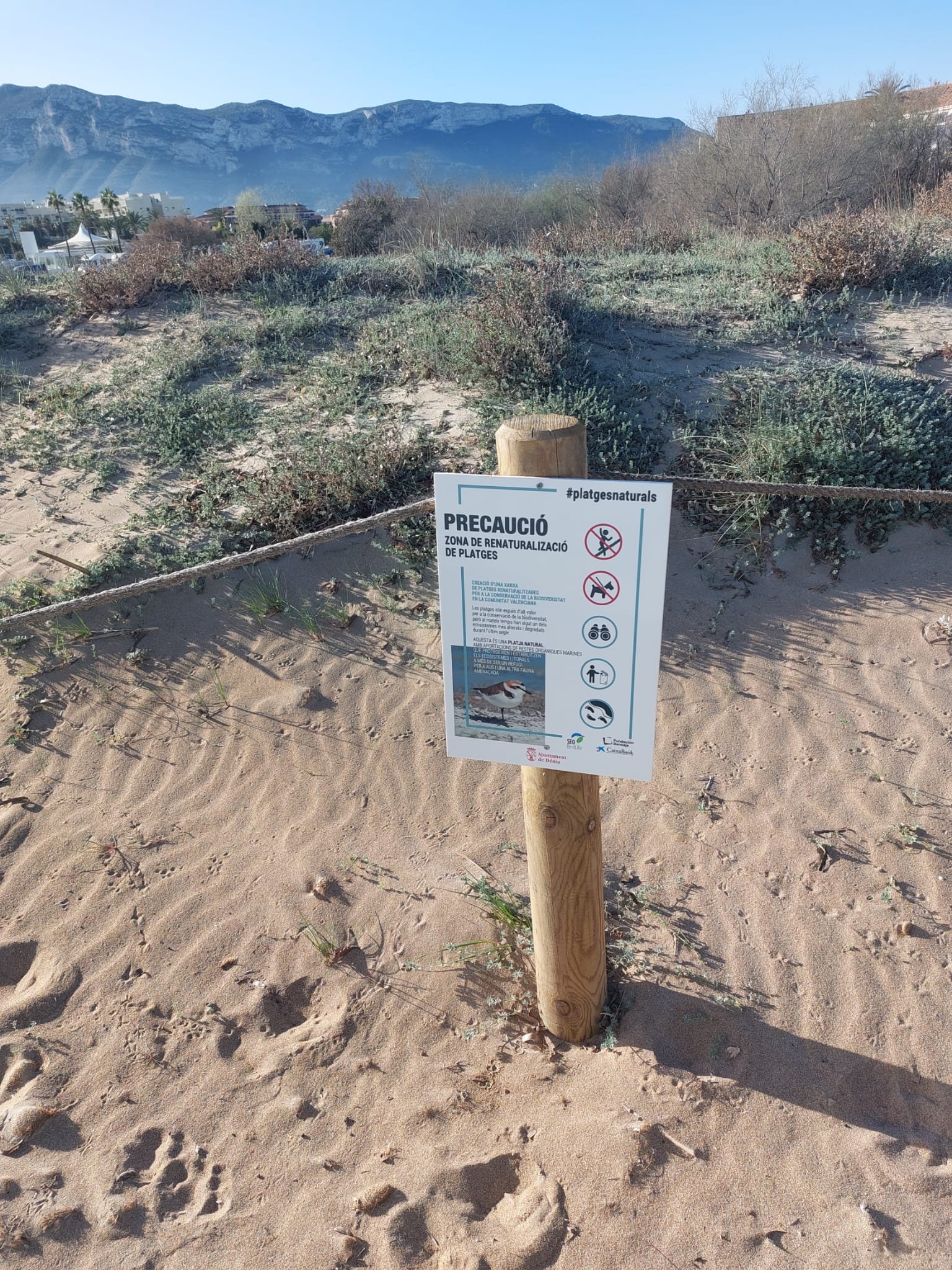
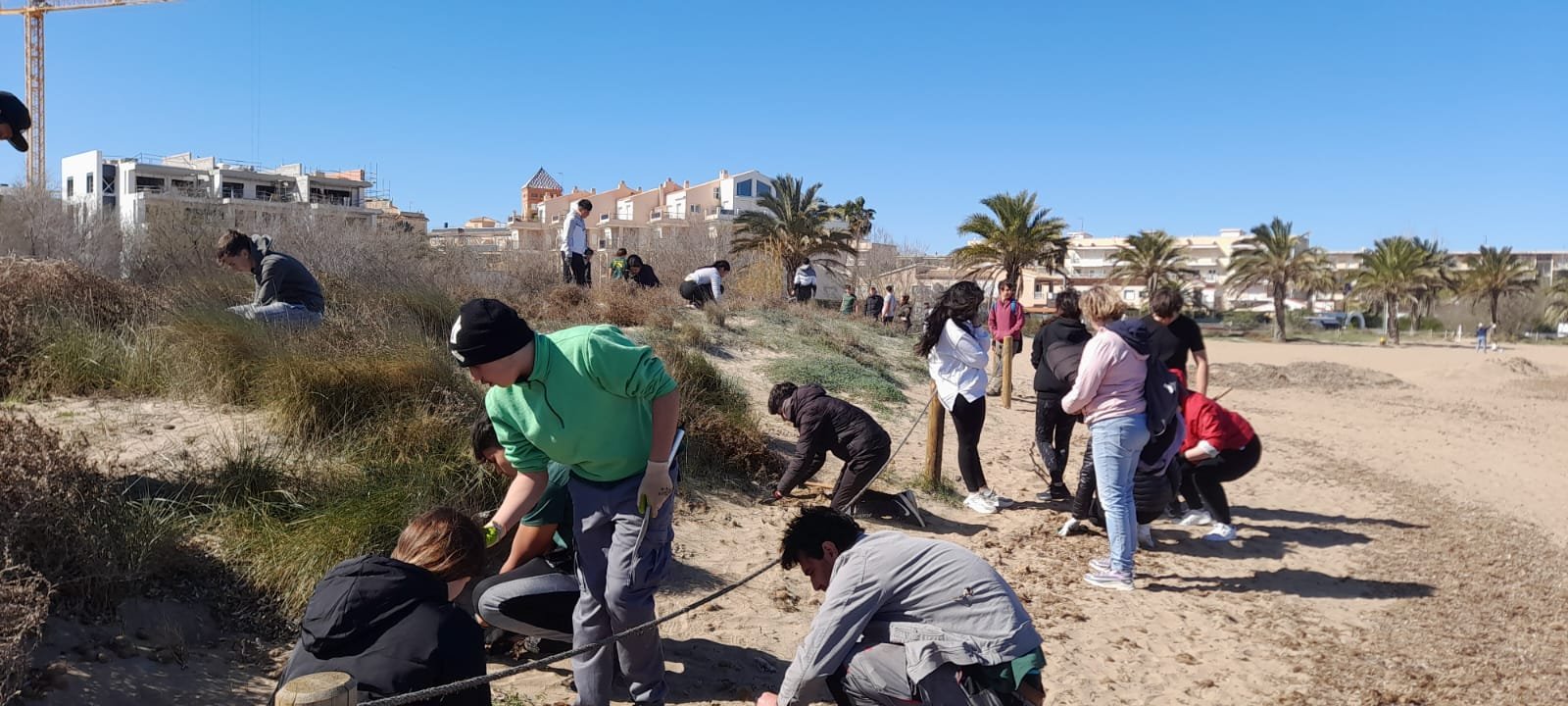
1st place - ‘Environmental volunteering to restore the dune system’,
Municipality of Denia, Spain
An environmental volunteering initiative at Punta del Raset beach mobilised 60 participants to restore dune ecosystems and protect the Kentish plover’s habitat, combining hands-on conservation with educational signage and sand traps to combat erosion, support biodiversity, and foster sustainable tourism.
Measures to prevent pollinator and insect loss.

© Municipality of Gavà

3rd place - ‘BIO Platges met’,
Municipality of Gavà, Spain
BIO PLATGES MET in Gavá, Spain, is a citizen science initiative that engages beachgoers in monitoring pollinators and local biodiversity through educational signage and digital tools, raising awareness and contributing valuable data for ecosystem conservation.
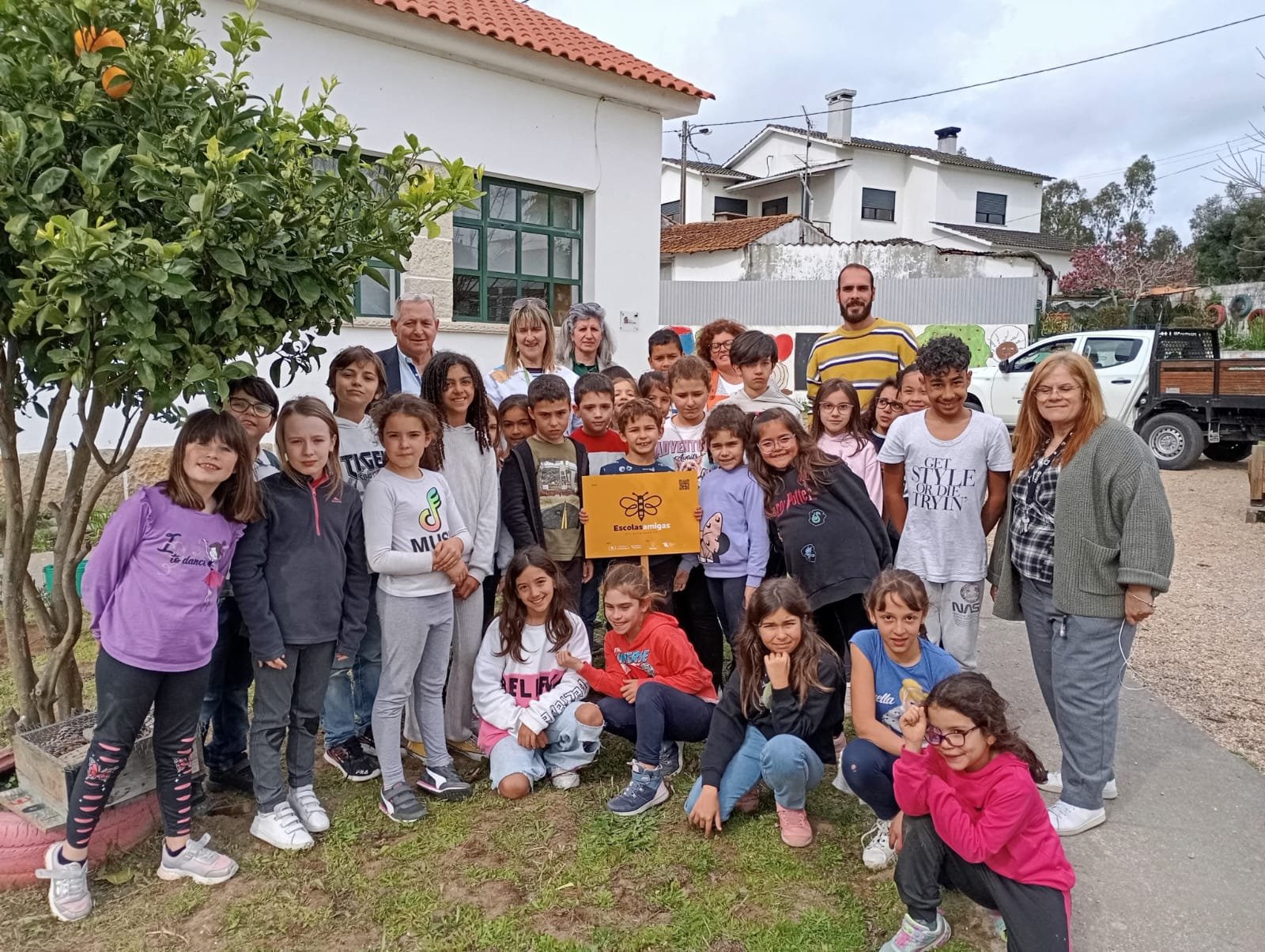
© Municipality of Leiria

2nd place - ‘Pollinator Friendly Schools Network’,
Municipality of Leiria, Portugal
In Portugal, the Pollinator Friendly Schools Network empowered students across six schools to combat pollinator decline by planting native species and creating insect habitats, blending environmental education with hands-on restoration to support biodiversity and sustainable agriculture.

© City of Delray Beach, Florida

1st place - ‘Pocket Parks and Pollinator Gardens ’,
City of Delray Beach, Florida, USA
In Delray Beach, USA, the Pocket Parks and Pollinator Gardens initiative created ten biodiverse green spaces in partnership with residents and the National Wildlife Refuge, combining public engagement, educational events, and citizen science to support pollinators and promote long-term environmental stewardship.
We would like to congratulate our winners and thank all participants, as your Good Practices play a key role in the Blue Flag network, provide relevant inspiration and contribute to sharing knowledge on sustainability across sites all over the world.
Tobago strengthens its position as a leader in sustainable tourism with the 2024 Blue Flag National Operators Meeting

Photo Caption: Ms. Lesley Jones, President of the Foundation for Environmental Education, leads discussions alongside (seated from left) Mr. Johann Durand, Director of Blue Flag International; Mr. Alessandro Ventil, Blue Flag International Coordinator; and Mr. Joaquín Díaz, FEE Director for Blue Flag.
Scarborough, Tobago – October 20, 2024: Green T&T, together with the Tobago Tourism Agency Limited (TTAL) and the Foundation for Environmental Education (FEE), successfully hosted the 2024 Blue Flag National Operators Meeting (NOM) in Tobago from October 15–18, bringing together over 50 international delegates from 30 countries to discuss sustainable tourism and environmental policies. This annual meeting of National Operators, held at the Shaw Park Cultural Complex, showcased Tobago’s commitment to eco-conscious travel and underscored the island’s growing reputation as a leader in sustainable tourism.
The Blue Flag programme, one of the world’s most recognized environmental certifications, sets stringent standards for beaches, marinas, and sustainable boat tour operators. Administered locally by Green T&T with support from TTAL, this year’s NOM focused on aligning efforts with FEE’s GAIA 20:30 strategy, which addresses critical global challenges like climate change, biodiversity loss, and pollution.
The NOM opened with a welcome ceremony hosted by the Chief Secretary of the Tobago House of Assembly (THA), Honourable Farley Augustine, who welcomed delegates to the island, with a vibrant display of Tobago’s hospitality, local cuisine and culture. In addressing the delegates, the Chief Secretary stressed the importance of the event for the island.
In addition to discussions regarding the future of the Blue Flag programme, this year’s National Operators Meeting in Tobago will also drive the development of a sustainability boat tour operator policy for the blue economy, which will be led by Green T&T and the Blue Flag International Office, with funding from UNDP Global Environment Facility (GEF) Small Grants Programme. With these efforts, the legacy of the 2024 Blue Flag National Operators Meeting in Tobago will be long-lasting, strengthening the island’s reputation as a destination for eco-friendly tourism while fostering long-term connections for future international events and initiatives.

From left: Mr. Julien Skeete, the Administrator in the Division of Tourism, Culture, Antiquities, and Transportation; His Excellency Peter Cavendish, Ambassador of the EU Delegation to Trinidad and Tobago; Ms. Lesley Jones, President of the Foundation for Environmental Education; the Honourable Farley Chavez Augustine, Chief Secretary, Tobago House of Assembly; Councillor Tashia Grace Burris, Secretary of Tourism, Culture, Antiquities and Transportation · The Tobago House of Assembly; Assemblyman Niall George, Assistant Secretary for Tourism, Culture, Antiquities and Transportation and Ms. Joanna Moses-Wothke, Blue Flag National Coordinator for Trinidad and Tobago and CEO of Green T&T, at the Welcome Dinner for the 2024 Blue Flag National Operators Meeting, hosted under the auspices of the Honourable Farley Chavez Augustine, Chief Secretary of the THA at the Shaw Park Cultural Complex on Tuesday 15th October, 2024.
Also speaking at the welcome ceremony for the meeting, His Excellency Peter Cavendish, Ambassador of the EU Delegation to Trinidad and Tobago noted the commonality in objectives between Trinidad and Tobago and the European Union in driving sustainable tourism, and welcomed the opportunity to further discussions for a common strategy.
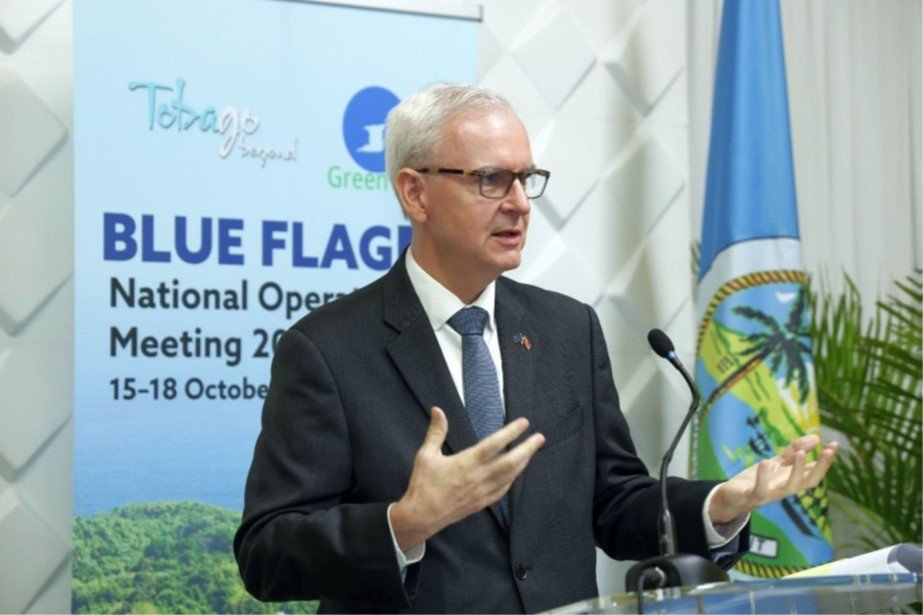
His Excellency Peter Cavendish, Ambassador of the EU Delegation to Trinidad and Tobago during his address at the Welcome Dinner for the 2024 Blue Flag National Operators Meeting, hosted under the auspices of the Honourable Farley Chavez Augustine, Chief Secretary of the THA at the Shaw Park Cultural Complex on Tuesday 15th October, 2024.
Describing Trinidad and Tobago as a cornucopia of talent and genius, His Excellency also praised the selection of Tobago as the host for this year’s event, stating that “whoever chose Tobago for this meeting, it was a sort of an act of genius.” He added:
“You're standing in a country which has produced the only new percussion instrument in the last 50 years, where one third of the world's trade passes outside of the windows, which has the world's number one chocolate, which has the world's number one cocoa genome, which has the world's number one cocoa research centre, which has invented Soca, Sol and Calypso…More importantly as environmentalists…you're standing in the shadow of the boundary main ridge reserve. The legislation enacted at the time by the British Parliament in 1776 is considered to be the first piece of environmental legislation of the modern era.”
Following the strategic meetings, delegates also had the opportunity to immerse themselves in the island’s rich local culture and natural beauty, experiencing some of the most memorable and authentic local attractions that take our visitors beyond the ordinary, including excursions to the historic Fort King George, the UNESCO-designated Main Ridge Forest Reserve, and the renowned Buccoo Reef with the Blue Flag certified Miss Ayana Glass-bottom Boat Tours.

A group photo at Fort King George of the delegation attending the Blue Flag National Operators Meeting.
Through strategic partnerships and initiatives such as the Blue Flag programme, TTAL remains committed to strengthening the island’s brand of Tobago Beyond Ordinary by raising the island’s profile as a leader in sustainable tourism and eco-conscious travel in the Caribbean. Visit tobagobeyond.com and follow the TTAL on social media to learn more.
Highlights and Outcomes of the 2024 Blue Flag NOM:
● Collaborative Sessions on Sustainability: Three key sessions tackled climate change, biodiversity, and pollution, fostering a collaborative space for policy development and knowledge sharing. Presentations included:
○ Secondary Schools: Presentations from the environmental clubs from Signal Hill Secondary School, Bishop`s High School and Mason Hall Secondary School on their climate change, biodiversity and pollution mitigation initiatives.
○ Climate Action: The Caribbean Climate-Smart Accelerator outlined funding opportunities, while Trinidad and Tobago Meteorological Services highlighted projections on temperature rises and their effects on marine life.
○ Biodiversity Initiatives: Discussions on UNESCO’s Man and the Biosphere designation and turtle conservation by SPESEAS brought focus to ecosystem protection.
○ Pollution Solutions: The Department of the Environment presented solutions for waste management in Small Island Developing States (SIDS).
● Blue Flag SIDS Strategic Meeting: Led by Green T&T, this session achieved a consensus among THA, private sector, and civil society leaders on advancing the Blue Flag programme in Tobago. Preliminary recommendations were developed to align with local policies, support SDGs, and strengthen the blue economy.
● Semaphore Recycled Blue Flag Fashion Show: Held on October 17, this unique event showcased designs crafted from repurposed Blue Flags by students from seven local secondary schools. Themed “Paint de Town Blue,” the fashion show celebrated creativity in sustainable fashion while reinforcing the values of the blue economy and Tobago’s rich cultural heritage.

Back: Secondary School Students adorned in their Blue Flag flags recycled fashion pieces. Front Three distinct judges of the secondary school fashion show competition, with the CEO of Green T&T seated far right.
Ongoing Initiatives and Future Goals: Green T&T is currently compiling recommendations from the NOM to support sustainable blue economy policies, specifically for tour boat operations. In collaboration with TTAL, Green T&T will also release a documentary and media content capturing the event’s highlights and key outcomes, broadening public engagement with Blue Flag objectives and sustainable tourism initiatives.
Green T&T’s Commitment to Sustainable Tourism: Green T&T, as the national operator for the Blue Flag Programme, remains dedicated to raising environmental standards and strengthening the blue economy through collaborative projects. This meeting reinforced the shared goals of Tobago’s stakeholders, positioning the island as a model for eco-friendly travel in the Caribbean.
About Tobago
Nestled in the heart of the Caribbean, Tobago stands as an enchanting gem, captivating visitors with its pristine beauty and vibrant cultural tapestry. Renowned for its year-round cultural festivals, secluded white sand beaches, and breath-taking natural wonders, Tobago invites travellers to go beyond the ordinary in a setting that remains unspoilt, untouched and undiscovered.
About Tobago Tourism Agency Limited (TTAL)
Since its establishment in July 2017, TTAL has been at the forefront of transforming Tobago's tourism industry. Our core mandate is to lead the (re)development of Tobago's tourism product and strategically (re)position it as a premier island destination grounded in sustainable development. This includes setting quality standards, training industry professionals, conducting impactful research, developing high-quality products and services, and facilitating strategic investments in the island’s tourism industry.
Green T&T
Green T&T, the national operator for the Blue Flag Programme in Trinidad and Tobago, plays a pivotal role in promoting sustainability through internationally recognized environmental standards and certification programs. As a full member of FEE, Green T&T has led the implementation of the Blue Flag and Green Key certifications locally. The 2024 NOM will provide a platform to align stakeholder projects with Tobago’s sustainable tourism goals, achieve consensus among public, private, and civil society sectors, and further the implementation of the Blue Flag Programme in the region.