Good Practice Competition results for the Northern Hemisphere 2026 International Evaluation
As part of the Northern Hemisphere 2026 International Evaluation, Blue Flag International invited the National Operators to share Good Practice examples from their countries. The themes of this edition were:
FEE Programmes Collaboration
Promote the Circular Economy Model
In total, 22 Good Practices have been submitted by 10 countries as part of the latest International Evaluation round. That included
9 Good Practices related to FEE Programmes Collaboration
13 Good Practices related to Promoting the Circular Economy Model
The International Jury was then presented with a selection of Good Practices during its meeting on the 22nd of April 2026, and evaluated the Good Practices within each category. In this process, relevance, creativity, adaptability, collaboration, and replicability were taken into consideration.
The final rankings are presented below, including the winning top Good Practices from each category.
FEE programmes collaboration measures
3rd place - “Hydroponic Gardens” by Los Cabos Municipality, Mexico
This project created gardens as living learning classrooms. It includes different sustainable production systems such as soil gardens, hydroponic cultivation, and aquaponic systems, allowing students to understand different forms of food production. In the aquaponic system, students learn how fish generate nutrients that feed plants, while plants help clean the water, thus understanding the natural cycles and interdependence of ecosystems. Students carry out irrigation activities, growth monitoring, data recording, scientific observation...
The Blue Flag programme in Mexico is managed by FEE Mexico.


2nd place - “Marine Education Material” by Friluftsrådet in Denmark
In a collaborative educational project, Blue Flag, Eco-Schools, local nature guides and gymnasium teachers worked together to make inspiration material focusing on the marine environment. The material has since 2021 been used as part of the Eco-School theme called “The Sea”. Therefore, it integrates Blue Flag focus points such as marine protection, water quality and biodiversity. Ideally, the fieldwork is carried out at or near Blue Flag beaches, with the possibility of working together with Blue Flag nature guides.
The Blue Flag Programme in Denmark is managed by Friluftsrådet.
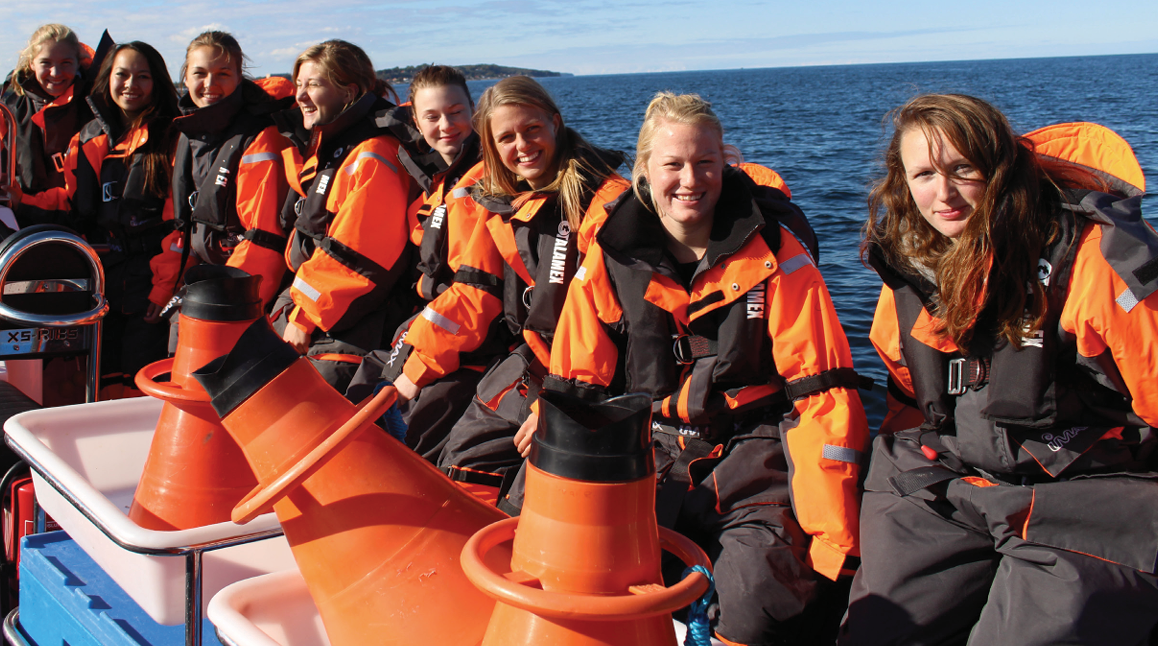
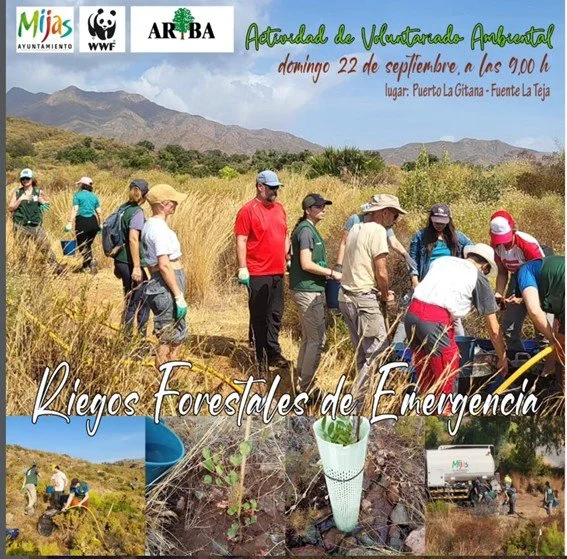
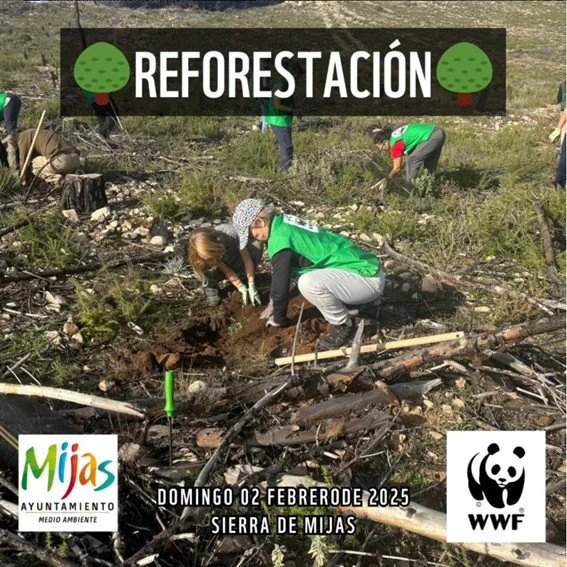
1st place - “Community tree planting and coastal conservation” by Mijas Municipality, Spain
The Mijas Reforesta program coordinates reforestation activities in the mountains, coastal dunes (in el Chaparral Blue Flag beach for instance), and urban green spaces of the municipality, aiming to strengthen local biodiversity and create urban forests as CO₂ sinks. With the collaboration of local schools, including Eco-Schools such as Salliver School in Fuengirola, volunteers have planted nearly a thousand Mediterranean species seedlings produced at the Municipal Nursery.
The Blue Flag Programme in Spain is managed by ADEAC.
promote the circular economy model measures
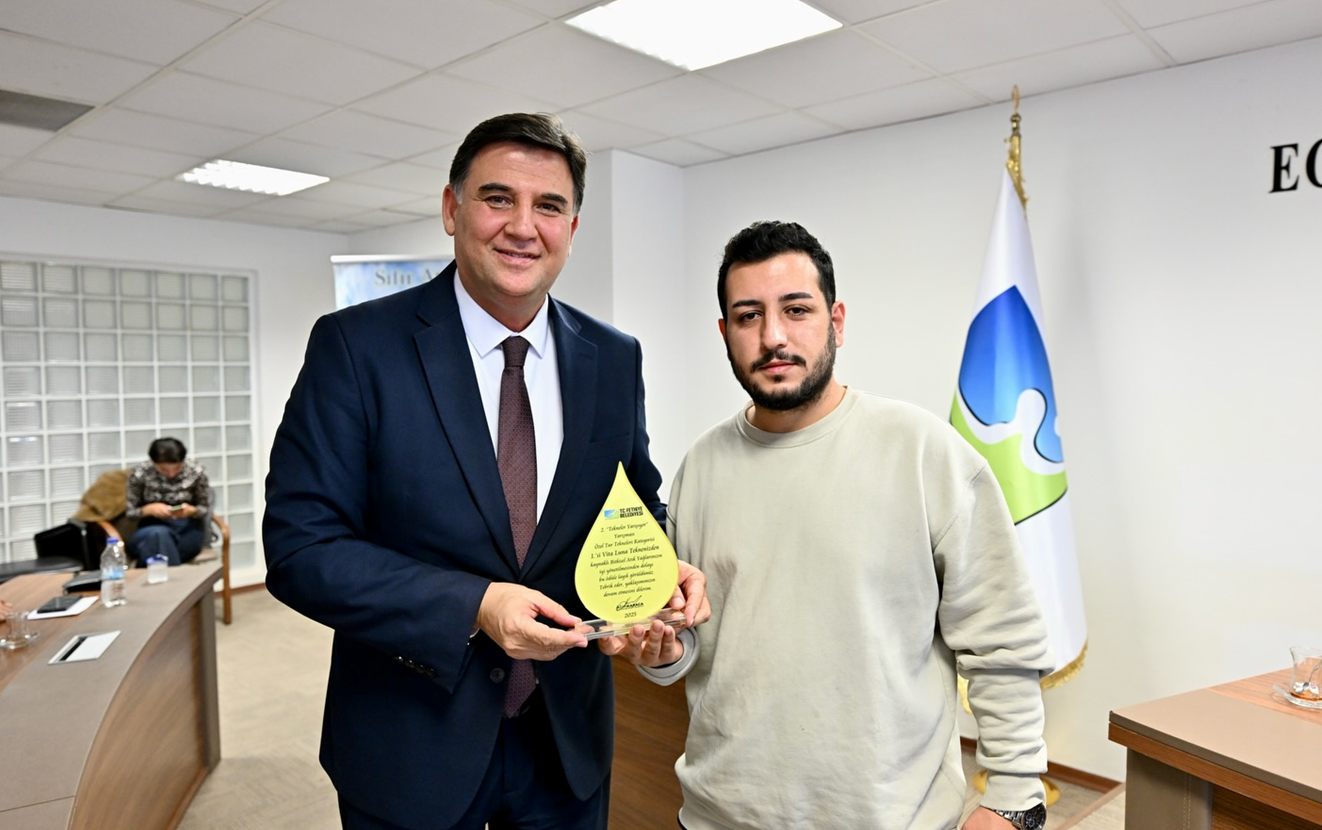
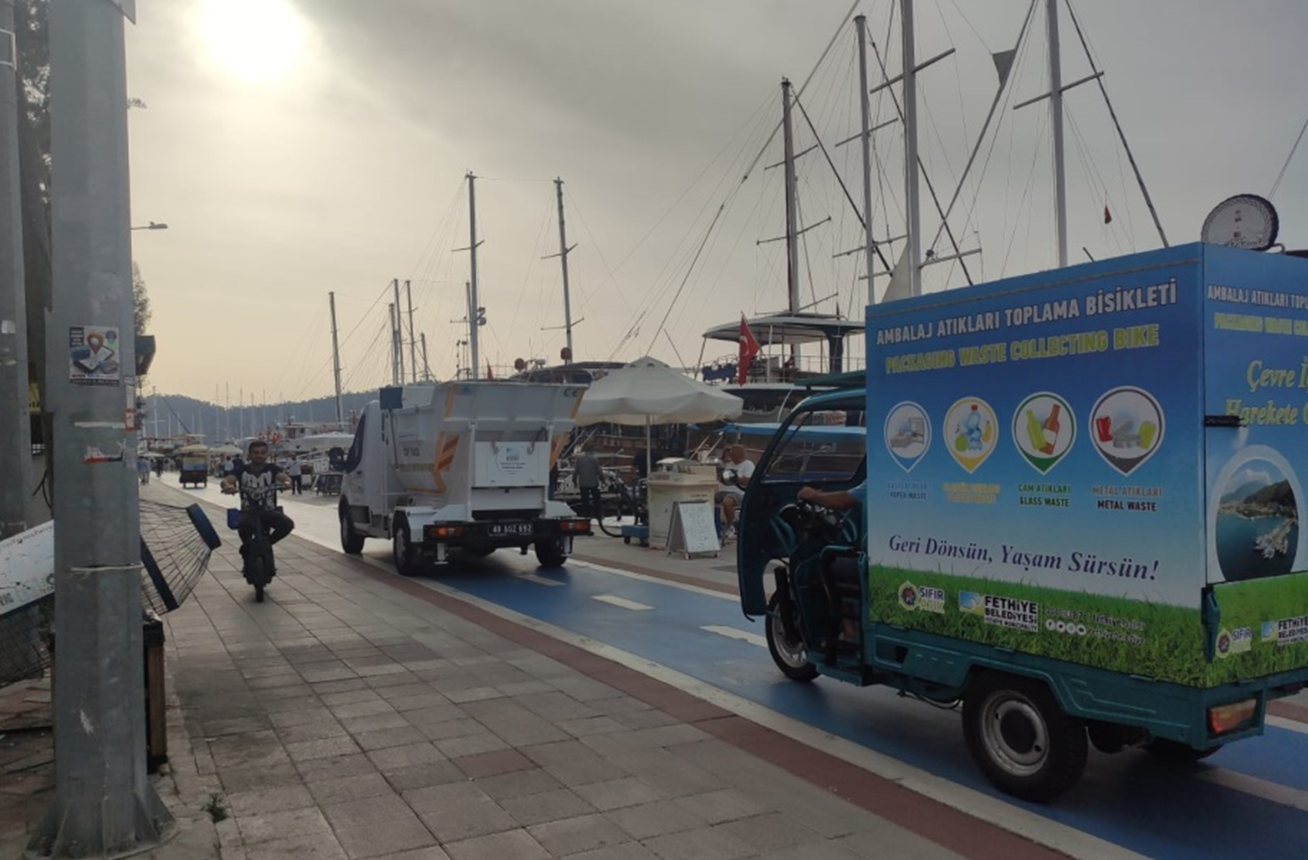
3rd place exaequo - “Boats are racing : waste competition” by Fethiye Municipality, Türkiye
A competition by Fethiye Municipality and the Fethiye Chamber of Maritime Trade ensured proper separation of boat waste to prevent pollution, reduce microplastics, and support the circular economy. Waste was collected daily, recorded per boat, and included wet waste, packaging waste, and waste oils. A total of 156 boats competed in three categories—Daily, Private, and Charter Tour Boats.
The Blue Flag Programme in Türkiye is managed by Türkiye Çevre Eğitim Vakfı-TÜRÇEV.
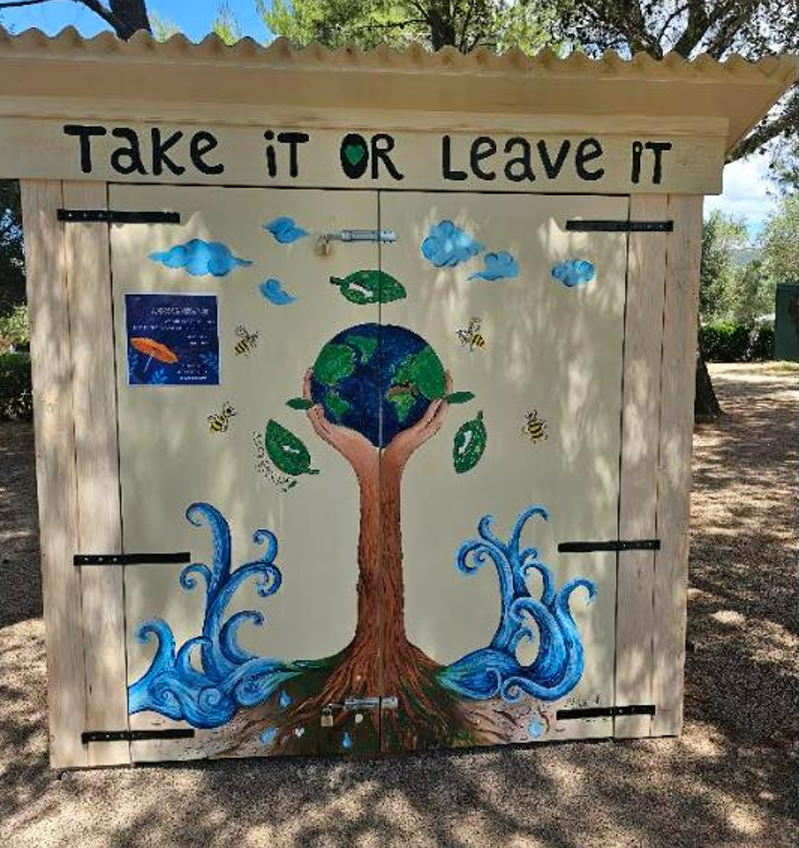
3rd place exaequo - “Recycling point with a soul” by Camp Kovačine, Croatia
Located next to the reception, the “Take it or leave it“ functions as a place for exchanging items and stories: books, tents, fins, paddles, grills, mini-fridges, clothes, shoes, mugs, toys and countless other little things get a new life instead of becoming waste. In this way, the project encourages responsible behavior, a circular economy and a sense of community among the guests of the camping site.
The Blue Flag programme in Croatia is managed by Udruga Lijepa Naša.

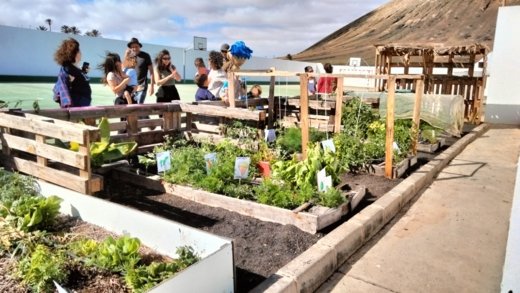
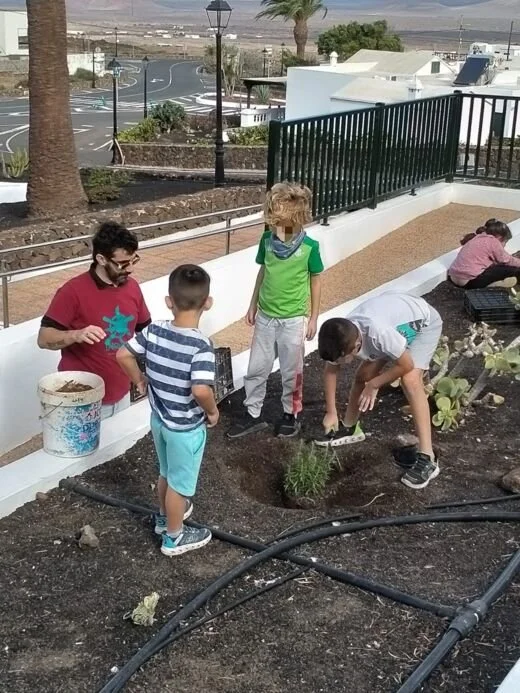
2nd place - “Circular Economy in Yaiza schools” by Yaiza Municipality, Spain
The Yaiza City Council promotes circular economy and environmental education through an integrated project in schools that combines school composting and participation in the Biosphere Schools Network. Schools also implement educational action plans, school gardens, and environmental awareness activities, fostering the engagement of students, families, and teachers while developing ecological awareness.
The Blue Flag Programme in Spain is managed by ADEAC.
1st place - “Give invasive plants a new life” by Yanmar Sunset Marina, Japan
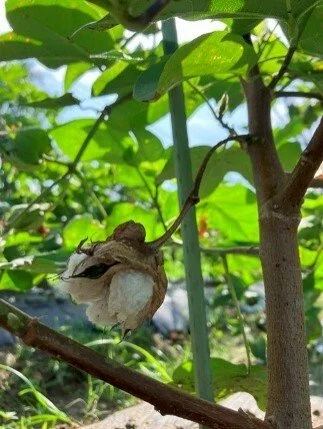
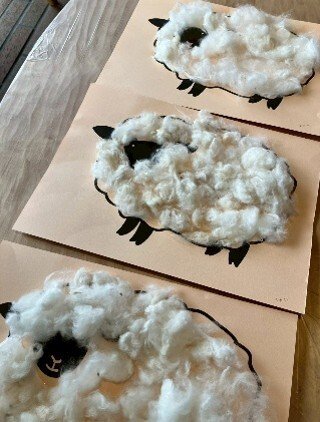
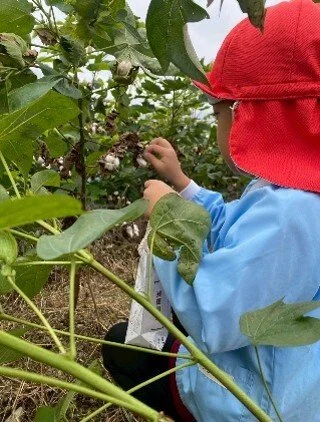
At Lake Biwa, invasive aquatic plants have rapidly spread, harming the shoreline and making boat navigation unsafe. To address this issue, Yanmar Sunset Marina removes these plants and then turn them into compost through a dedicated system. With the compost, vegetables and cotton are cultivated, and the cotton is used for the staff uniforms.
The Blue Flag Programme in Japan is managed by JARTA.