
Sandbanks Restoration Education at Peró Beach, Brazil
The Peró coastal region, situated along the pristine Atlantic coast of Brazil, has long captivated the hearts of tourists. With its breathtaking vistas and pristine stretches of golden sand, it has become an attractive tourist destination. However, over the years, the influx of tourists has spurred the construction of more accommodations, residential complexes, and infrastructure, progressively encroaching upon the fragile coastal ecosystem. The sandbank vegetation areas, a vital component of this coastal landscape, have suffered the most from human pressures, further exacerbated by the speculative surge in real estate ventures and the expansion of livestock farming.
In response to these challenges, the Peró Residents Association, and the Veiga de Almeida University initiated a sandbank restoration project at Peró Beach with the support of the Blue Flag Peró site managers. The Blue Flag Programme and the Instituto Ambientes em Rede (IAR) have always encouraged Blue Flag-awarded sites to work in cooperation with local institutions to promote the preservation of areas surrounding awarded sites. This story from Peró Beach highlights the opportunities to engage local communities with environmental conservation and education by bringing together undergraduate students, professors, biologists, and technicians from Veiga de Almeida University (UVA) as well as public authorities.


Students surveying the study area.
The project began with a comprehensive survey of the study area guided by a biologist. Soil samples were collected and analysed for moisture content, organic matter content, FE³+ ion content, pH, and potassium and phosphate levels. Based on the findings, the team divided the study area into three distinct quadrants:
· Quadrant 1 received a combination of sewage plant sludge (solid material remaining after the wastewater treatment process, typically consisting of organic and inorganic matter), landfill, and plant litter;
· Quadrant 2 was treated with silt from a sewage plant, cake, and plant litter;
· Quadrant 3 served as the control group and received only a single layer of landfill.
The landfill and plant litter (e.g., dry leaves) used in the experiment were sourced from the surrounding area.

Division of the study area into three quadrants.

Dry leaves to retain soil moisture.
In the initial phase of the study, legumes such as Phaseolus vulgaris (black beans) and Cajanus cajan (pigeon pea) were sown to facilitate nitrogen fixation. In the subsequent phase, native fruit-bearing plants like Myrciaria guaquiea (Guaquica) and Eugenia uniflora (pitanga) were planted to attract arthropods and birds, thereby enhancing the local food chain. Native plants were chosen for their symbiotic relationships with local fauna, as they produce fruits and seeds that are highly attractive to wildlife.
Regular monitoring was conducted, with the students measuring bean sprout monthly growth and weekly visits to the study area to document plant development through photographic records. Despite meticulous planning and execution, unforeseen challenges emerged during the project. An anthill encroached upon Quadrant 2, but the students successfully mitigated it using coffee grounds. However, the final setback was posed by domestic cattle, which, due to the inability to build a protective fence, freely entered the quadrants. These cattle consumed the newly developed leaves of the sprouts and trampled the ground, ultimately forcing the research to conclude in November 2021.


Soil samples laboratory analyses from the three distinct quadrants.
Overall, the project showcased the possibility of restoring degraded areas by stimulating biogeochemical processes without relying on chemical fertilizers. The addition of silt and sludge improved soil quality, particularly in Quadrants 1 and 2, where potassium and phosphate levels increased. The presence of arthropods attracted birds, further enhancing ecosystem processes. Additionally, the presence of dry leaves helped retain soil moisture and shield it from intense sunlight.
Despite its challenges, this project not only offers insights into a cost-effective approach to sludge management but also holds the promise of a method for restoring degraded sandbank vegetation areas. Moreover, involving students, provides an educational opportunity for the next generation of nature restorers, fostering students’ scientific and environmental observation skills.
Instituto Ambientes em Rede (IAR), acts as a FEE Member Organisation in Brazilfor the implementation of the Blue Flag programme, and of other FEE programmes, such as Green Key, Eco-Schools, Learning About Forests, and Young Reporters for the Environment.
To explore IAR's extensive work with conserving natural ecosystems and promoting socio-cultural development through environmental citizenship visit its site here.
For more information about the UN Decade on Ecosystem Restoration and opportunities for involvement, please visit the following link.
This article is part of our UN Decade on Ecosystem Restoration series, which highlights the projects and activities of FEE members that contribute to the UN Decade.

Werner & Mertz for a sustainable transformation of our post-COVID 19 world
Green Key’s and Blue Flag’s partner Werner & Mertz Professional urges for a stronger focus on sustainability in our post-COVID 19 world and supports their clients in being part of this transformation.
Green Key’s and Blue Flag’s partner Werner & Mertz Professional urges for a stronger focus on sustainability in our post-COVID 19 world and supports their clients in being part of this transformation.

©Werner & Mertz
These days, our society is facing unprecedented challenges – during and after the crisis. Being a producer of sustainable cleaning product solutions, Werner & Mertz’s is one of the companies that had the immediate chance to help stem the pandemic and took this important social responsibility very seriously. Since weeks, the company is prioritising the production of disinfectants and clients that need them most such as hospitals, nursing homes, government agencies of outstanding importance for national security and food retailer.
As people currently clean more frequently and intensively than before, it is even more important to use sustainable and biodegradable detergents without toxic substances thus avoiding further unnecessary burdens for people and the environment. As special emphasis is now placed on the cleaning of surfaces in exterior or public areas. Whether disinfecting certain surfaces outside healthcare facilities is required at all should be decided on a case-by-case basis, depending on the actual contamination of the surfaces. To support their clients and partners with reopening their businesses with the right cleaning practices, Werner & Mertz developed cleaning & hygiene guidelines for their clients.
German Environmental Award winner and owner of Werner & Mertz, Reinhard Schneider, appealed for a sustainable transformation instead of retro liberalism in post-corona era in a press release published on 3 June. He vouches for a stronger focus on circular economy principles when rebuilding the economy as the long supply chains were particularly prone to disruption during the time of the crisis. Werner & Mertz itself is a front-runner in terms of circularity, with many of their products being certified with the ‘Cradle-to-Cradle’ standard.
Being a family-owned company, Werner & Mertz is also dedicated to the social side of sustainability and gives back to the community wherever they can. In June, the company donated approximately 170 pallets of more than 80,000 sustainable ‘Frosch’ brand household cleaners, dishwashing and laundry detergents to Tafel centers throughout the country, providing the customers of the Tafel with the necessary means to keep their homes clean and safe. The Tafel is a non-profit organisation in Germany supporting people in need with food and other daily supplies.
Blue Flag first for Åland Islands marinas!
On Tuesday the 21st of April, the Blue Flag International Jury met online to evaluate more than 4,500 beaches, marinas and tourism boats in the Northern Hemisphere that have applied for a Blue Flag for the 2020 season.
On Tuesday the 21st of April, the Blue Flag International Jury met online to evaluate more than 4,500 beaches, marinas and tourism boats in the Northern Hemisphere that have applied for a Blue Flag for the 2020 season.
Images Copyright : Visit Åland
All Blue Flag sites are reviewed annually and awarded the Blue Flag for the duration of an operating season, which can last up to a full year. The International Jury reviews the applicants twice a year, in April for Northern Hemisphere countries and in September for Southern Hemisphere countries. This year, due to the COVID-19 crisis, the Blue Flag International Jury met online on Tuesday the 21st of April to evaluate the 2020 Northern Hemisphere candidates. Extensive preparation by the Blue Flag International team ensured that the online format did not interfere with the meeting’s quality and outcomes.
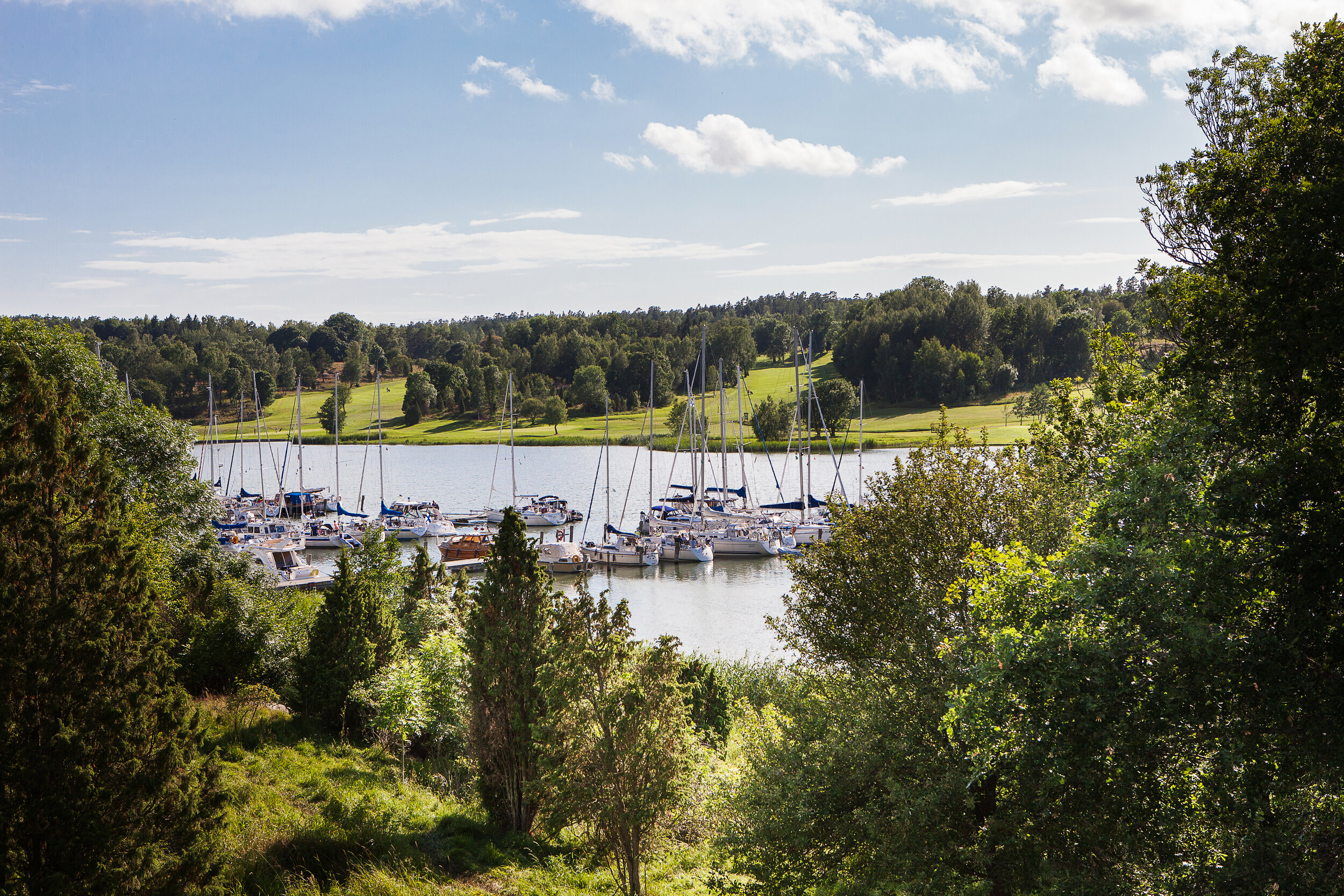
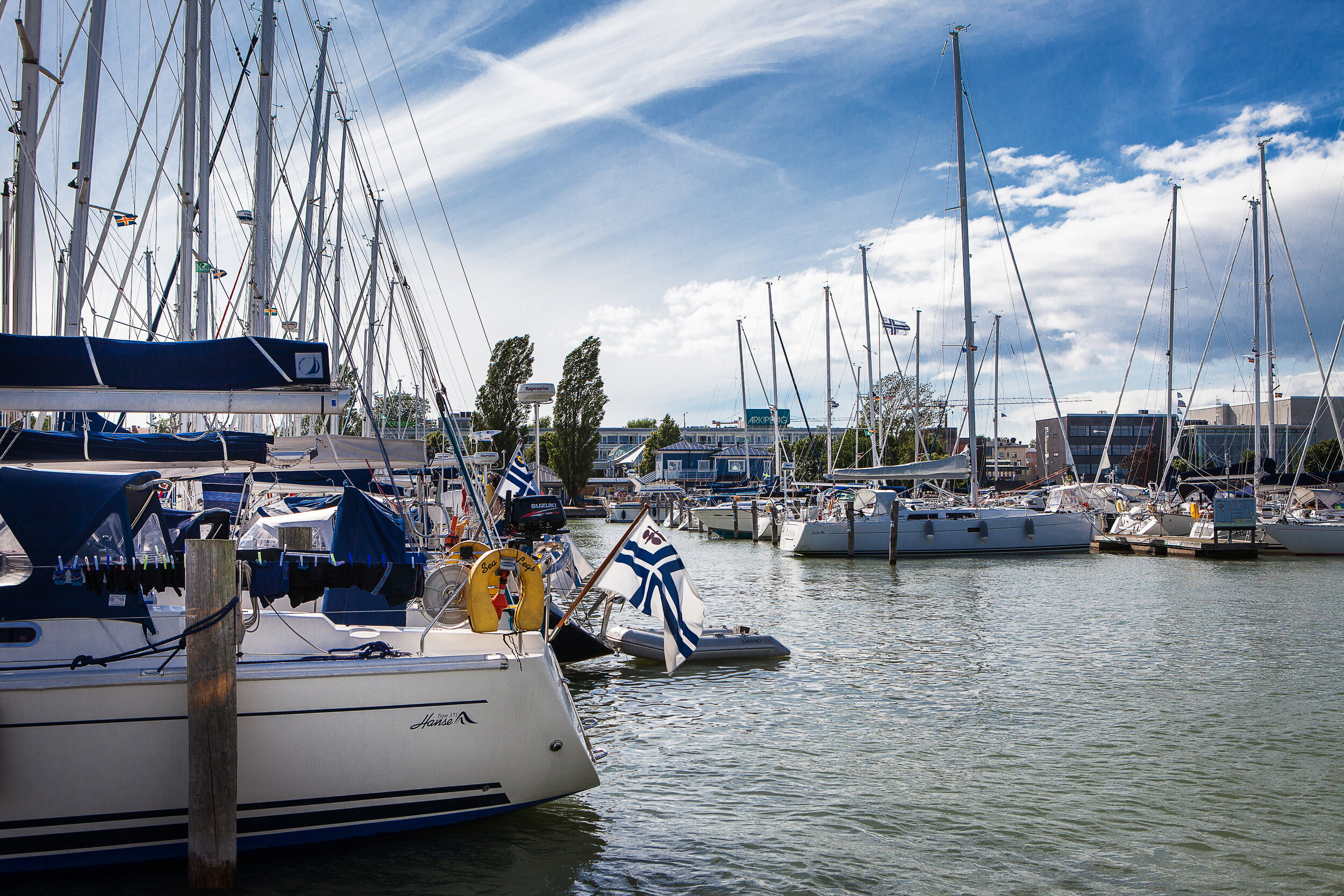
A highlight of the International Jury meeting was the decision to award the first Blue Flags in the Åland Islands to five marinas that meet Blue Flag’s standards of excellence in sustainability and environmental management. The Åland Islands is an archipelago of over 6,500 islands and skerries off the southwest coast of Finland that draws tourists with its wealth of history, natural beauty and outdoor activities.
The 2020 Blue Flag International Jury was composed of Peter Kristensen representing the European Environment Agency, David R. Green for the Coastal & Marine Union (EUCC), Birguy Lamizana representing the United Nations Environment Programme (UNEP), Sophie Lewis for the World Cetacean Alliance, Bernard Combes for UNESCO, Jean-Michel Gaigné representing the International Council of Marine Industry Associations (ICOMIA), Erik Bech for the International Life Saving (ILS) Federation, Dirk Glaesser for the World Tourism Organization (UNWTO), Ivor Ambrose and Katerina Papamichail representing the European
Network for Accessible Tourism and Lourdes Diaz representing the FEE Board of Directors.

This year’s meeting demonstrated once again each Jury member’s strong commitment to the Blue Flag programme. Blue Flag International would like to reiterate its appreciation for their continued dedication, which ensures that all of the awarded sites worldwide represent the same level of excellence. The quality of applications and high level of standards continue to improve every year. As a result, there are more and more sites around the world that meet the rigorous criteria necessary to qualify for the Blue Flag award.
In addition to evaluating the Northern Hemisphere sites, the International Jury reviewed presentations from new countries that have been working to implement the Blue Flag programme in the near future. These candidates that are expected to join the Blue Flag network soon include Argentina, Chile, India and mainland Finland.
The list of 2020 Blue Flag awarded sites will be announced on the 10th of June. Before this date, Blue Flag International will announce the three winners of the inaugural Best Practices Competition. The theme of the 2020 competition is pollution, and the winners were chosen by the International Jury after evaluating the rest of the Northern Hemisphere applications.
The International Jury acknowledges that the worldwide COVID-19 crisis is going to impact the upcoming Blue Flag season in the Northern Hemisphere, and asks that all Blue Flag sites place local and national health guidelines above all other considerations. In these uncertain times, we must remember the important role that the Blue Flag plays in helping local communities and tourists identify safe and sustainable destinations. Thanks to the recognized excellence of the Blue Flag award, the public can be assured that it is safe to visit the sites when the Blue Flag is flying.
Travel diary #1: Terry in South Africa
In October 2019, Terry the Turtle, Blue Flag’s #turtlewithoutborders, started a trip around the world to Blue Flag destinations, beginning with South Africa. Boats, marinas and beaches were all top priorities on Terry’s to-do list.
In October 2019, Terry the Turtle, Blue Flag’s #turtlewithoutborders, started a trip around the world to Blue Flag destinations, beginning with South Africa. Boats, marinas and beaches were all top priorities on Terry’s to-do list.
Terry is not an everyday turtle. Terry has been handmade by Moses Rombayi, a South African doll-maker coming from Zimbabwe. Moses’ love for toys guided its desire to own its business and create a unique kind of handmade dolls: thanks to him, an original Blue Flag flag became an amazing turtle!
Follow Blue Flag South Africa Instagram account (@blueflagsouthafrica) and Blue Flag International account (@blueflag_global) to discover Terry’s actions to preserve the beauty of our beaches and oceans.
Blue Flag National Operator in South Africa, WESSA, managed to show Terry as many as it could. Among all of South Africa’s Blue Flag sites, Terry saw:
Llandudno Beach in Cape Town, where Terry checked out litter conditions and cleanliness
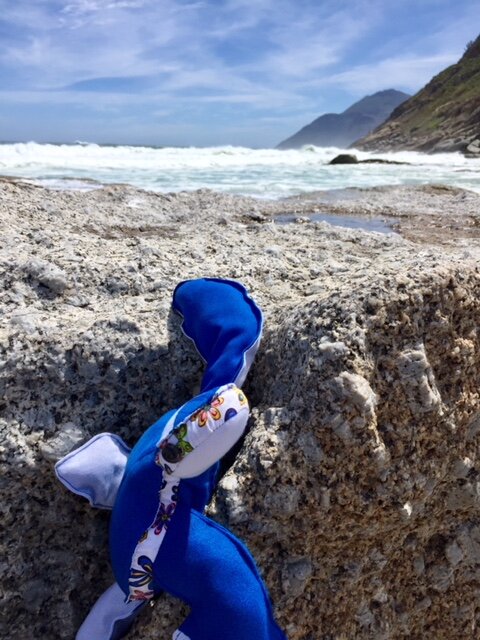
Muizenberg beach - Terry accompanied the Blue Flag team on a beach inspection and took part in Surf Emporium’s Adaptive Surfing Day for children with disabilities


Apex Predator - Terry went aboard the Great White Shark Tours boat in Gansbaai


False Bay Yacht Club Marina, where Terry approved of the immaculately clean marina as well as the organised recycling bins

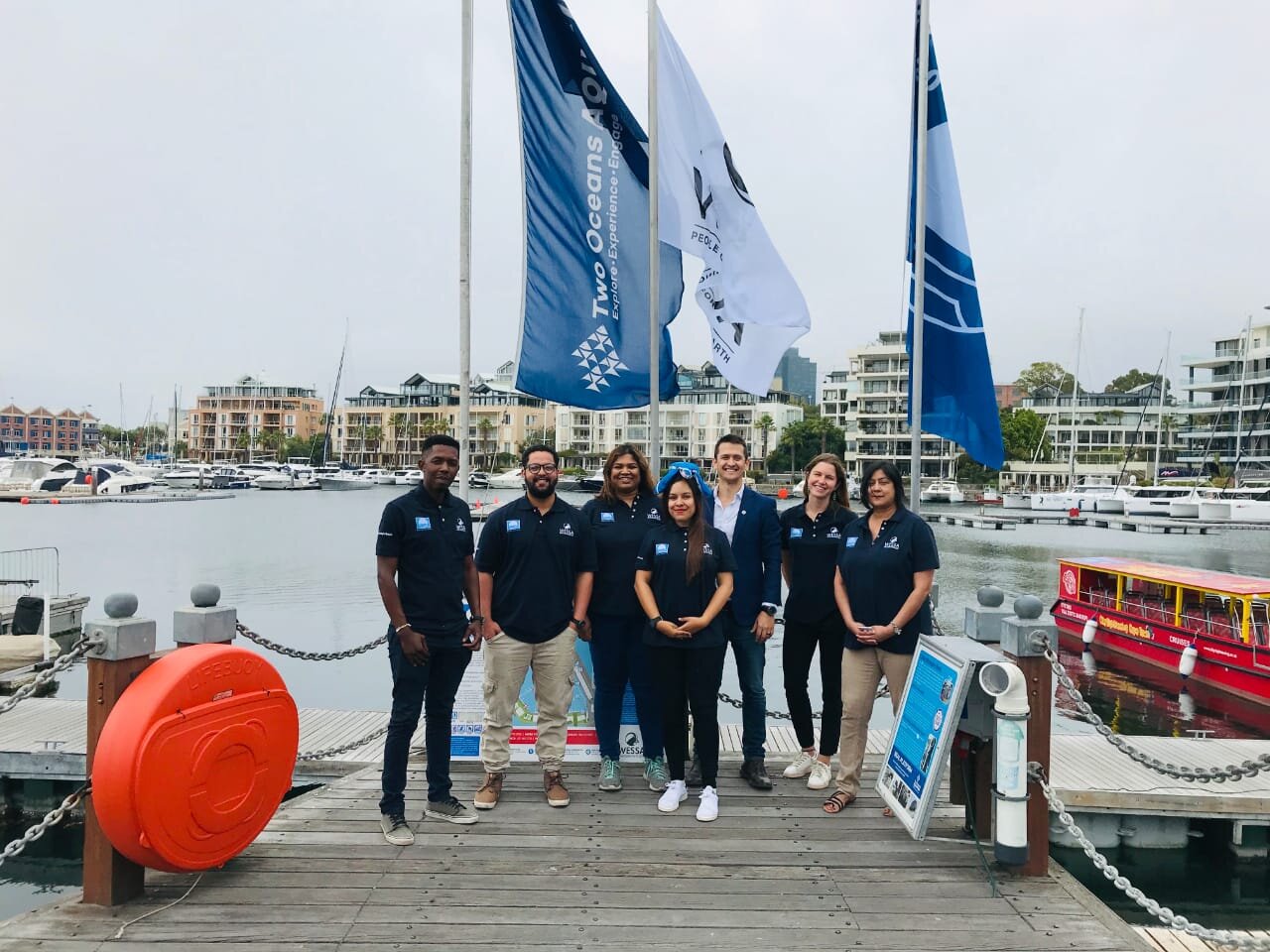
V&A Waterfront Marina hosted Terry and the WESSA team for this year’s Blue Flag launch. The rest of the WESSA team in South Africa had the pleasure of meeting Terry on this day


Dyer Island Conservation Trust, where Terry and the team met two ocean conservationists in Gansbaai and saw more shark tour boats
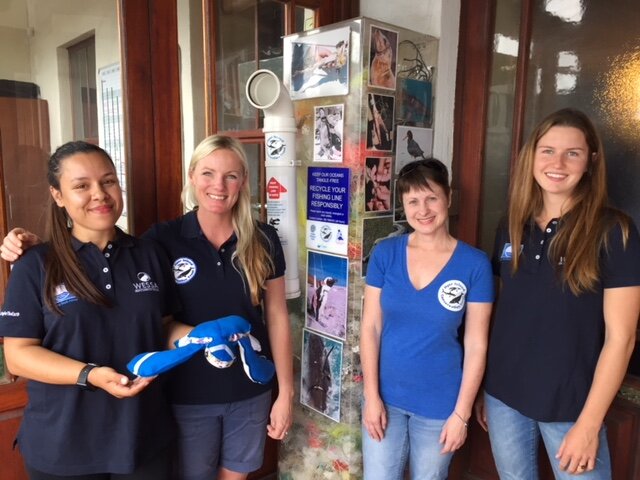
Two Oceans Aquarium allowed Terry to see how fellow marine friends inspire people to protect the oceans

Learn to Earn charity - old flags from previous seasons were donated for their sewing courses and Terry came along to see the recycling action


Boulders Beach and its penguins welcomed Terry while touring the Cape Peninsula

Jeffrey’s Bay Recycling Project, where Terry helped sort out the trash and show how important waste reduction and recycling are
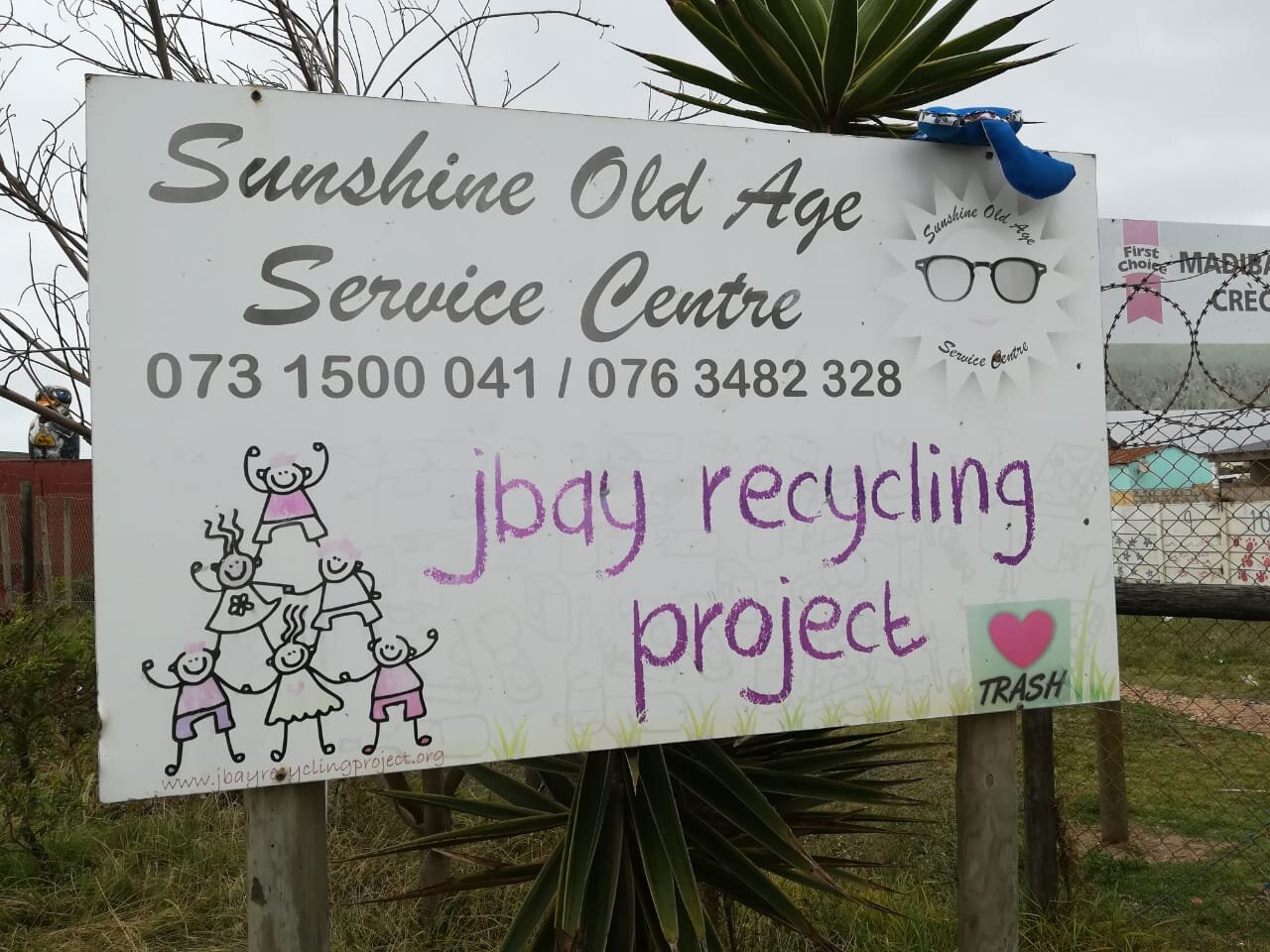
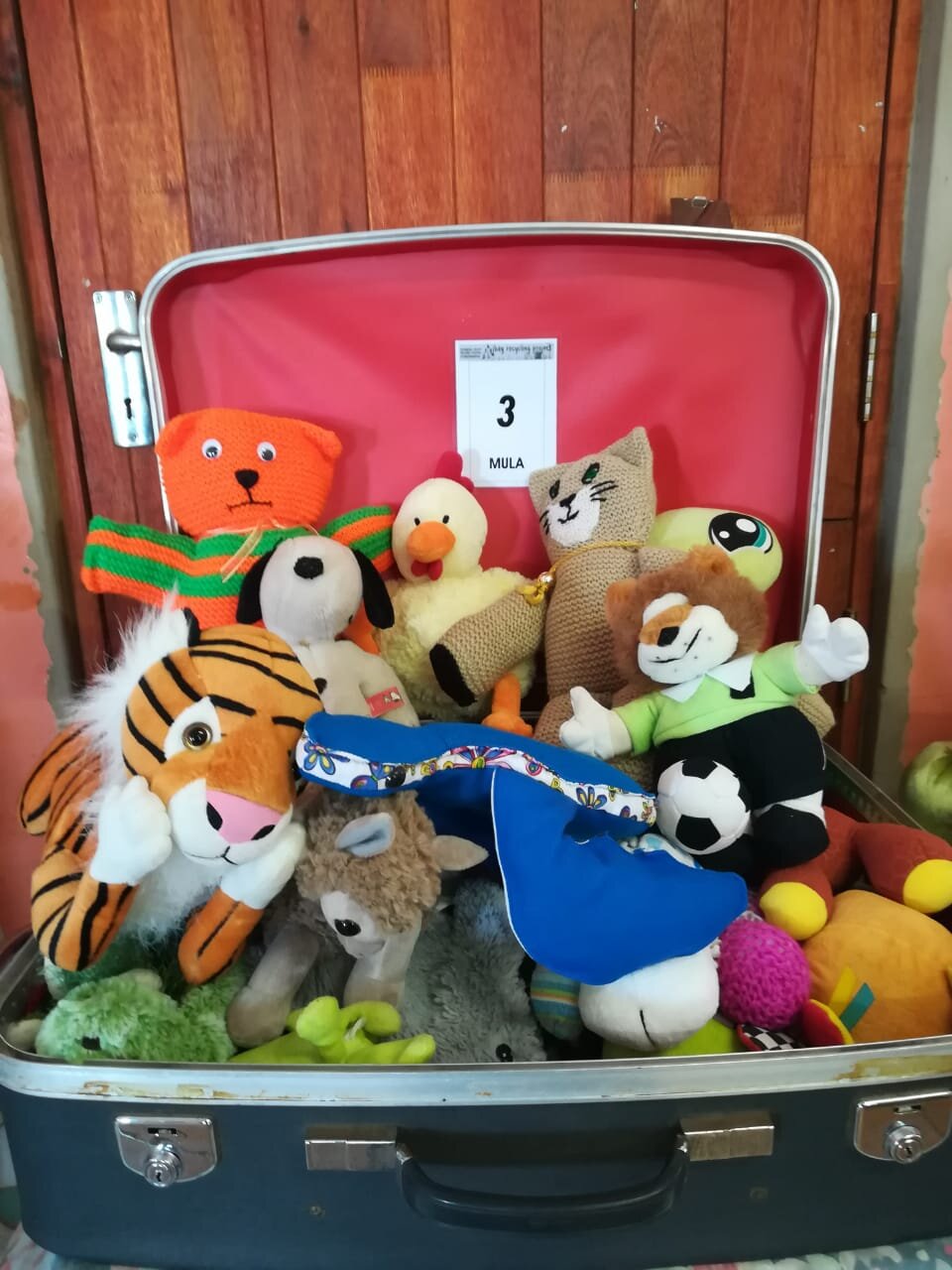
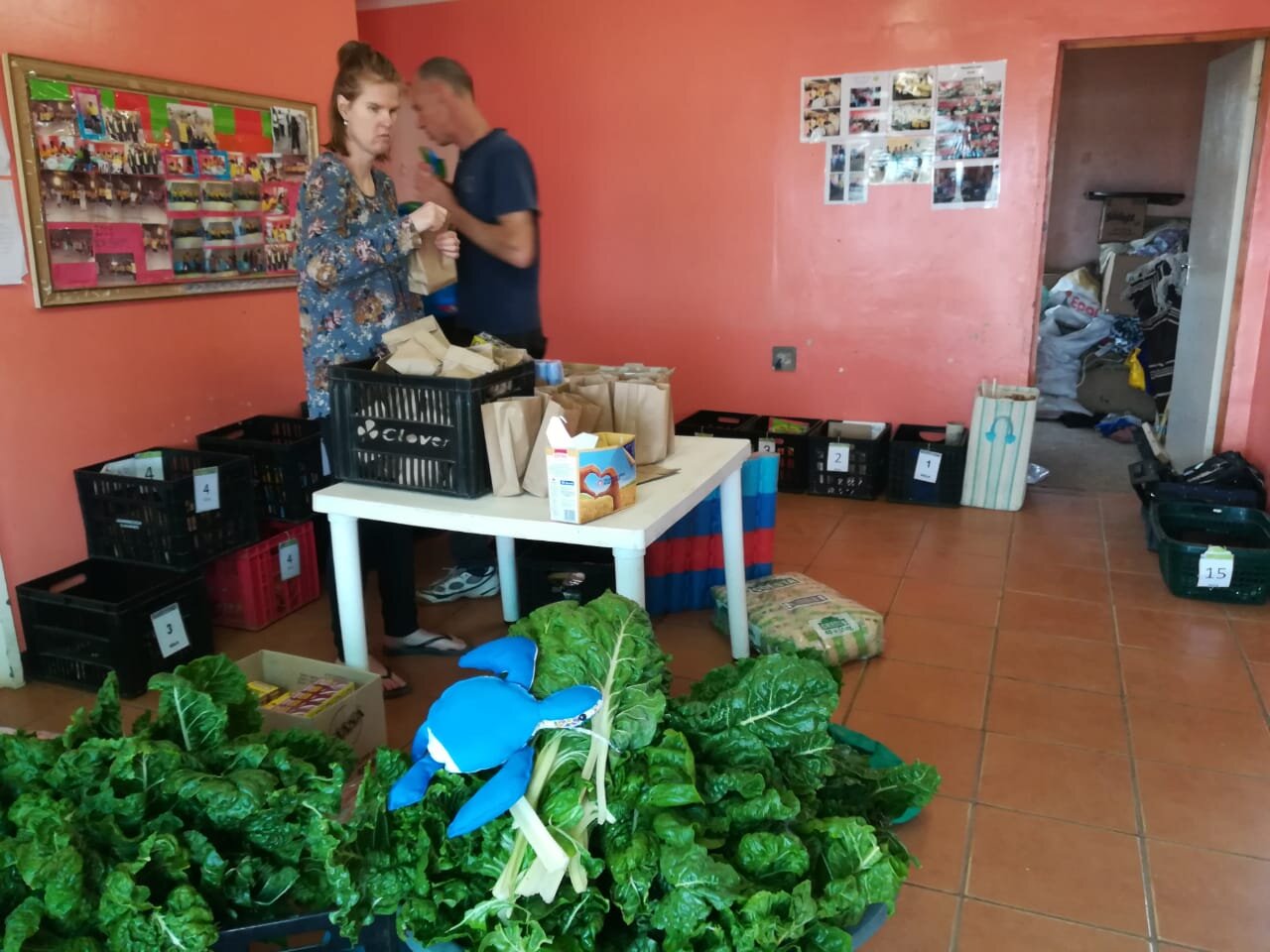
Time will tell which country Terry will visit next!
Blue Flag growth in South America
Copenhagen, 14th November 2019 – This year, Blue Flag is happy to announce that Colombia won its first Blue Flag award whilst the United States Virgin Islands rejoined after the devastating effects of the Hurricane in 2017.
Copenhagen, 14th November 2019 – This year, Blue Flag is happy to announce that Colombia won its first Blue Flag award whilst the United States Virgin Islands rejoined after the devastating effects of the Hurricane in 2017.

Today Blue Flag releases the results of the Blue Flag International Jury meeting for the Southern Hemisphere, sharing with you the highlights of this year’s evaluation.
During the International Jury’s meeting, 150 sites have been awarded the world’s leading tourism award for the 2019-2020 Blue Flag season in the Southern Hemisphere. It represents 107 beaches, 22 marinas and 21 boats within the 7 countries running the Blue Flag programme in the Carribean, South America, Africa and Southwest Pacific. This brings the total number of Blue Flag sites worldwide to 4573 in 47 countries. The full list of awarded sites has been published on the international Blue Flag website.
After several years of implementation of the Blue Flag criteria on its beaches, Colombia has seen its application approved for 4 of its sites by the International Blue Flag Jury. Moreover, 4 beaches and a marina have been awarded the Blue Flag in the United States Virgin Islands (USVI). Countries working towards implementing the prestigious Blue Flag include Cabo Verde, Chile and the Åland Islands (Finland). India has also been investing towards obtaining the Blue Flag and currently has five pilot beaches working on receiving the award for 2020.
“We are extremely happy with the quality of work that the Colombian applicants have been putting towards obtaining the Blue Flag. It has been years of efforts, and we are proud to see Colombia has risen to the challenge. Argentina and Chile are also investing in the Blue Flag for their countries and this will strengthen our position in South America,” says Sophie Bachet Granados, International Director of the Blue Flag Programme. ”
Due to the devastating effects of the hurricanes in 2017, Trinidad and Tobago had lost their Blue Flags, and we are delighted that the US Virgin Islands have managed to rehabilitee its sites to fly the flag this season. Trinidad and Tobago is still working towards this goal.
Furthermore, as part of the candidates’ 2019 evaluation, best practices regarding accessibility have been reviewed and highly appreciated by the International Jury. Some of these year’s best practices will be featuring in our best practice database, which is freely available on our website for all to use: https://www.blueflag.global/best-practices.
The next meeting of the Blue Flag International Jury will take place on 21rst April 2020 in Copenhagen to award beaches, marinas, and boats from the Northern Hemisphere.
About the International Blue Flag Jury:
The International Blue Flag Jury is composed of representatives from the United Nations Environment Programme (UNEP), the United Nations World Tourism Organization (UNWTO), International Lifesaving Federation (ILS), the European Environment Agency (EEA), the European Union for Coastal Conservation (EUCC), the International Union for Conservation of Nature (IUCN), an Environmental Education expert, the International Council of Marine Industry Associations (ICOMIA), the European Network for Accessible Tourism (ENAT) and FEE. You can find out more about them on Blue Flag’s website.
The Blue Flag greatly appreciates the support of its sponsor, the worldwide flag producer Semaphore and Total Beach Access, which provides sponsored beach access for the disabled.
The Blue Flag programme is run by the Foundation for Environmental Education (FEE): https://www.fee.global
Feel free to check and use our copyrighted pictures for communication: https://flic.kr/s/aHsk75W98q
Aero-guarded beaches: when drones and rescue teams working together
This summer, Blue Flag in Spain implemented rescue drones as an extra equipment for lifeguards on 6 Blue Flag beaches
This summer, Blue Flag in Spain implemented rescue drones as an extra equipment for lifeguards on 6 Blue Flag beaches

The Blue Flag Spanish National Operator (ADEAC) has been working with a drone company to show how the latter can be useful for lifeguards. The project was held on 6 Spanish municipalities with Blue Flag awarded sites: Santa Eularia, Ciutadella, Sagunto, Fuengirola, Cheles y Orellana. This equipment can also be useful for sewage control and monitoring.
The rescue drones have been implemented during one week on the selected Blue Flag beaches. This initiative showed how drones can help reinforcing the beach safety thanks to their minimum response time and reliability. These pilot tests aimed to highlight the benefits for lifeguards regarding security’s improvement on the beaches and thus create a model that could be spread out.
Indeed, these drones combine surveillance, rescue and search skills. They can be helpful for the lifeguards regarding the monitoring of the beach in real time, determining the victims or dangerous animals’ position in the sea as well as controlling rush hours. This search and rescue drone has been designed to fit a beach’s harsh conditions (level 6 winds, rain, sand and saline environments).
This pioneering initiative from the Spanish Blue Flag National Operator illustrates how technological innovation can be useful for both holiday-makers and lifeguards at the beach. This experiment could be the beginning of new standards as an example to the rest of the world’s beaches.
Blue Flag National Operator Meeting 2019
The Blue Flag National Operator Meeting gathered over 50 participants on 8-9 October. This two-day event was held by Keep Britain Tidy, Blue Flag National Operator in England.
The Blue Flag National Operator Meeting gathered over 50 participants on 8-9 October. This two-day event was held by Keep Britain Tidy, Blue Flag National Operator in England.

The Blue Flag National Operator Meeting is a technical event where the status and developments of the programme are discussed. It is an opportunity for our National Operators to discuss and exchange ideas about the technicalities of the programme, as well as best practices.
This meeting was the occasion to share and improve new ideas for the months and years to come with the members of the Blue Flag network. From our new member Terry the Turtle (a handmade turtle doll travelling around the world to fight plastic pollution) to a best practices competition, 2020 promises to be exciting!
Blue Flag International would like to thank our National Operator in England, Keep Britain Tidy, for hosting this 2019 meeting, as well as the Blackpool Council for supporting the event.
Take Care of Your Beach Project in Turkey
“You’re mortal but your waste is not” – last August, TURCEV (the Blue Flag National Operator in Turkey) spread a powerful message on one of its Blue Flag beaches
“You’re mortal but your waste is not” – last August, TURCEV (the Blue Flag National Operator in Turkey) spread a powerful message on one of its Blue Flag beaches

©Kusadasi Municipality
By the end of August, Take Care of Your Beach Project aimed to raise beach users’ awareness among beach cleanliness in Turkey. Coordinated by the National Blue Flag Operator (TURCEV) with the help of Kusadasi Municipality and Aydin Metropolitan Municipality, the initiative took place on Kadinlar Denizi beach, also called “Ladies Beach”. Volunteer university students from different universities in Turkey took part to this 4-day awareness project held on this Blue Flag beach. From kids to adults, it was the opportunity to highlight how everyone plays a key role in the coasts’ cleanliness.
“Here we see some children playing with cigarette butts with no awareness about their harm and we tried to change this sad situation during this week. I hope we won’t see this anymore” – Deniz Cansu Ogul, Middle East Technical University, Environmental Eng. Dep.”

©Kusadasi Municipality
For the occasion, several activities such as cigarette butt collection contests, interviews and questionnaires with beach users, and beach cleanliness level measurements have been presented by the volunteers. From kids to adults by way of volunteers, all of the participants became more conscious of their impact on the cleanliness of the beaches and will now be environmental ambassadors spreading environmentally-friendly practices. Nevertheless, the public only became motivated thanks to volunteers’ tenacity to inform and insist on taking actions to protect the environment.
““With this project, I realized that I also changed a lot, realising people can also change their minds with simple motivating actions. Thank you to all the people organising this powerful activity for all” – Berk Ozkizikli, Hacettepe University, Faculty of Medicine.”

©Kusadasi Municipality
TURCEV and the municipalities have held this project every year at different Blue Flag beaches since 2010. This is a good example of the work done by the Blue Flag National Operators in spreading of environmentally-friendly practices and raising the public’s awareness.
Saving water resources by replacing beach showers
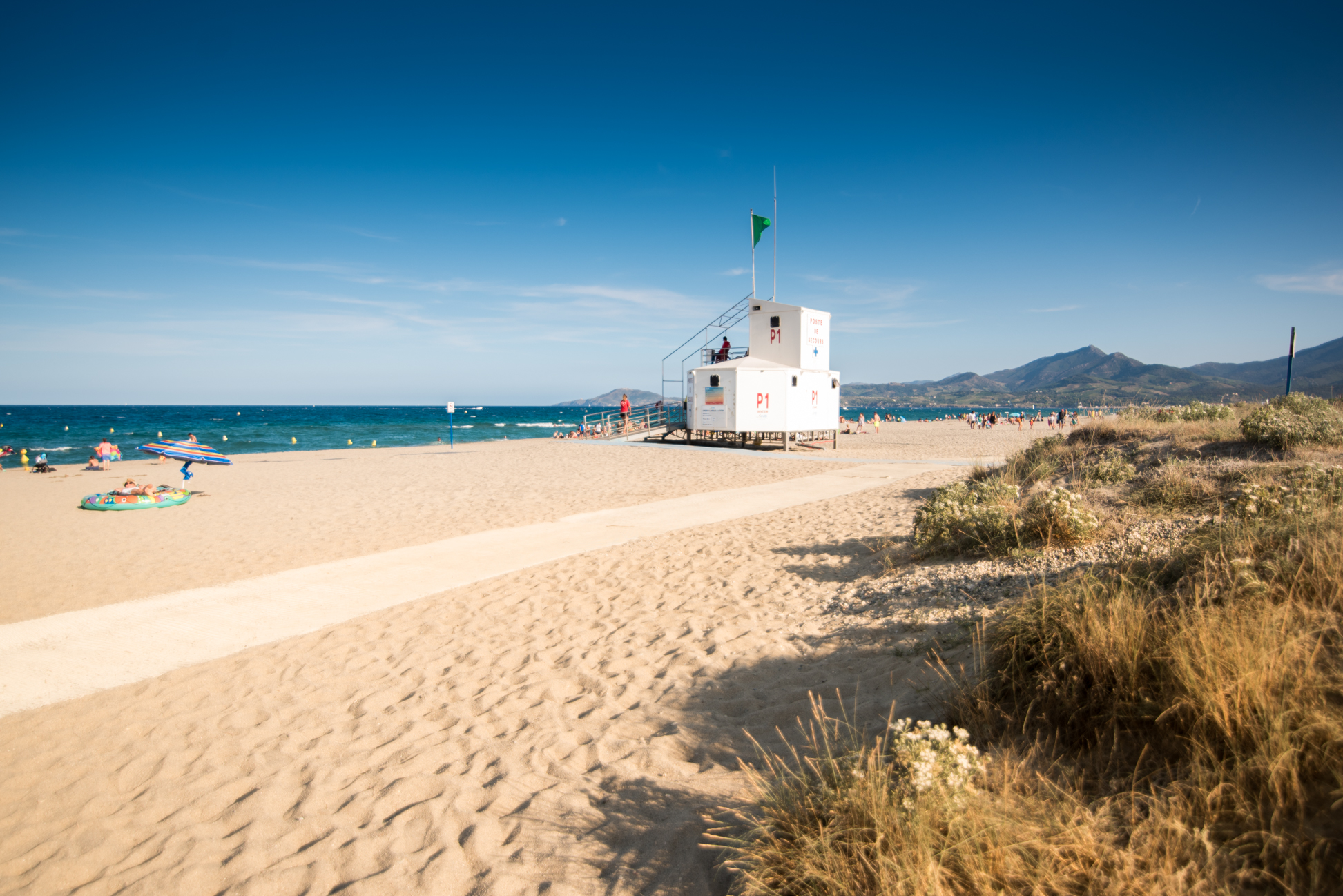
This summer, the city of Argelès-sur-Mer, France, took out its 10 beach showers to preserve water resources.
This summer, the city of Argelès-sur-Mer, France, took out its 10 beach showers to preserve water resources
©S.Ferrer
This French municipality never stopped working towards improving its footprint since it first received the Blue Flag award in 1986. A great example of a municipality dedicated to the building of a more sustainable tourism coastal industry.
The municipality’s eco-friendly initiative has permitted to replace 10 beach showers by taps. In this way, almost 8 million of drinking water have been saved*! Argelès-sur-Mer took this decision in order to save water, a natural resource which is rarefying and had to be controlled during the country’s summer heatwave. Nevertheless, beyond this idea of reducing the water consumption on the beaches, this decision has also been made to get the bad uses over with.

©S.Ferrer
This is not the only measure taken by the municipality to reduce water consumption and preserve natural resources. Since 2006, Argelès-sur-Mer and another French municipality have been working on the leak resorption of their drinking water distribution system. The city also opted for a sustainable management of its green spaces, creating spaces requiring a low water consumption. Moreover, rainwater is re-used for the one of the park’s fountains and the new stadium’s synthetic grass can be managed without water or pesticides.
Blue Flag criterion aims to reduce water consumption on its awarded sites. That is why we encourage municipalities to opt for an alternative system to store and use rainwater in order to limit the use of fresh water for watering. Argelès-sur-Mer is a good example of Blue Flag criterion’s implementation.
*Water consumption between June, 1rst, 2018 and September, 28th, 2018.
Baja California Sur states the restriction of use of plastics
The Mexican state takes great steps to abandon the culture of plastic to protect the world’s aquarium.
The Mexican state takes great steps to abandon the culture of plastic to protect the world’s aquarium

This August, Baja California Sur (BCS) took measures to preserve and protect its marine biodiversity. The latter is key to success of the state’s tourism industry since this Mexican state counts 20 beaches and a marina awarded with Blue Flag.
This initiative was supported by the Government of Baja California Sur along with the City Councils of La Paz, Los Cabos, Comondú, Loreto and Mulegé. The statement concerns the restriction of use of plastic bags, straws and Styrofoam containers in supermarkets, restaurants, self-service stores, pharmacies, as well as for purposes of wrapping or moving food and drinks. The state aims to end up the use of all these materials by 2021.
“Baja California Sur is taking great steps to abandon the culture of plastic, we treasure our natural heritage, so we will not hesitate to protect it,” said Luis Araiza, the head of the Secretary of Tourism, Economy and Sustainability (SETUES) of BCS.”

More than just prohibiting the use of plastics, the announcement aims for raising public awareness about this issue to preserve oceans from pollution. Baja California Sur is the first Mexican state to sign the UN Environment global campaign “Mares Limpios” (“Clean Seas”) along with 57 countries.
“Today BCS is a reference in Mexico according to environmental matters. We want our children and their future generations to breathe fresh air and have transparent seas full of fish, it is their right and it is our obligation”, said Araiza López.”
SETUES provide talks about environmental care and conservation to children from elementary schools. Recently, Governor Carlos Mendoza also launched the “Sin Plastico Challenge (“Without plastic challenge”) in order to impulse good practices that could help to reduce climate change. Moreover, 7 000 plants have been delivered to reforest the state thanks to the “Sembremos un Mejor Futuro” (“Sow a better future”) programme.
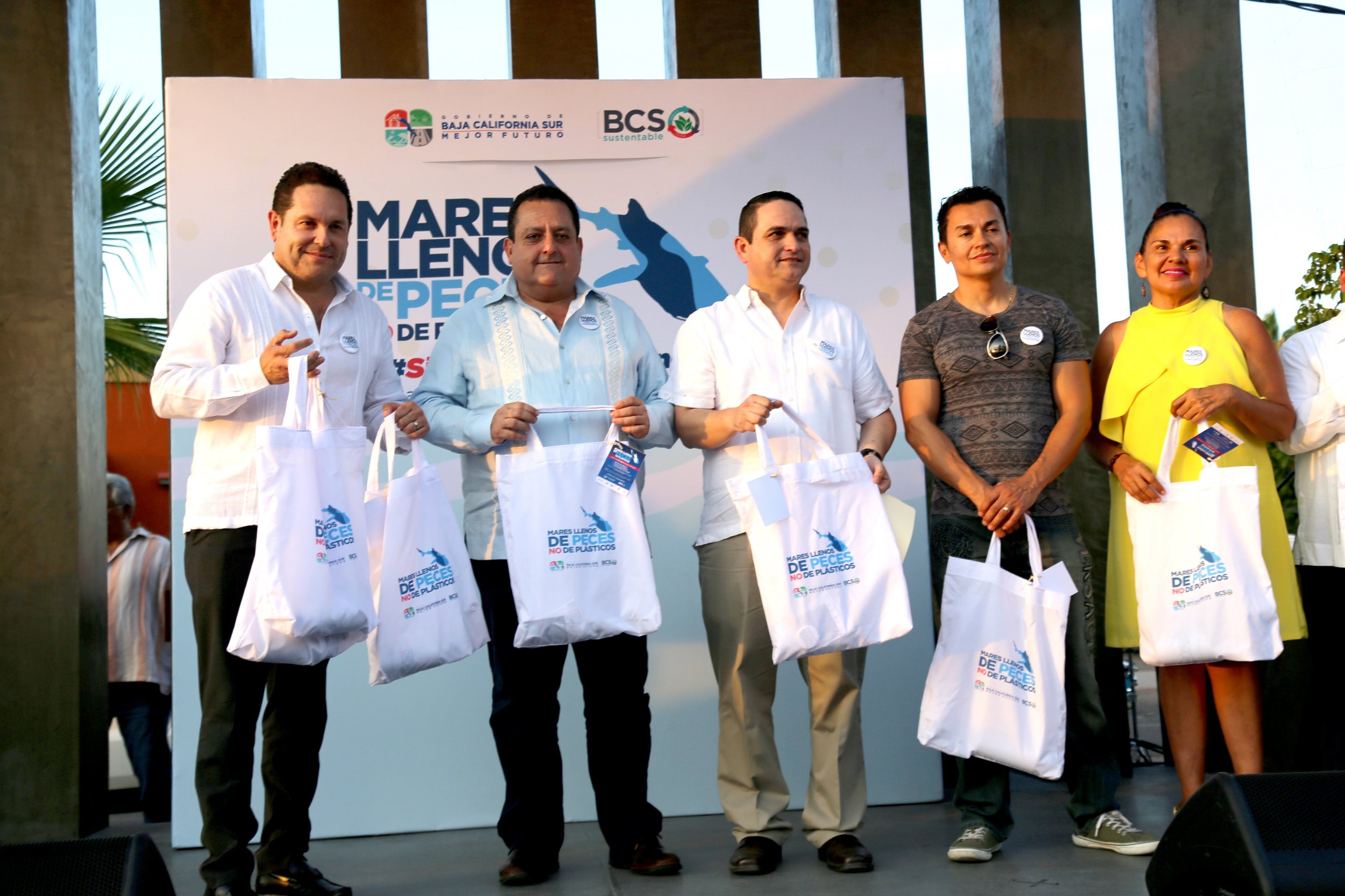
“Baja California Sur is a destination that strives, grows and lives up to the circumstances that prevail in the international tourism market and that includes the formal commitment to the environment,” said Luis Humberto Araiza.”
As tourism industry is the main economic driving force of the state, the latter wants to contributes to the spreading of environmentally-friendly practices preserving the area and its biodiversity. The Government definitely strives to keep our seas full of fishes, not plastics.
Mexican beach achieving a Blue Flag perfect rating reiterate its award
Tangolunda Dream Beach, Mexico, obtained a 100% compliance rating in the 33 imperative and guideline Blue Flag criterion for the season 2018-2019.
Tangolunda Dream Beach, Mexico, obtained a 100% compliance rating in the 33 imperative and guideline Blue Flag criterion for the season 2018-2019.

Managed by Dreams Huatulco Resort & Spa, the beach was one of the 54 beaches recognized by Blue Flag in Mexico for the 2018-2019 season. This beach achieved this perfect rating regarding Blue Flag imperative and guideline criterion thanks to the Resort’s commitment for the conservation of environment.
The Resort launched a “sustainable schools” programme in local schools to educate children to sustainable development revolving around water, energy, waste, biodiversity, culture and health education. For instance, the activity implemented during the past school year was linked to local sustainable agents. While one group of kids was monitoring the energy consumption of its house and school in order to implement savings solutions, another one was carrying out activities about environmental protection. It helped raising children’s awareness about wind power while involving the hotel staff, teachers, parents and kids.
Moreover, Dreams Huatulco Resort & Spa did a theoretical estimation of carbon dioxide equivalent per host. Based on the number of guests in each country, they calculated the CO2 produced by a plane regarding guests’ living country and Huatulco.

Tangolunda Dream Beach is surrounded by lush jungle, soaring mountains and dazzling coral reefs that need to be protected. It is also the home of sea turtles which hatch seasonally from July through December. Protecting this beach also go through the protection of this sea turtle population and the guarantee that the babies take their first steps towards their home in the ocean.
The Resort’s work illustrates how sustainability encompasses the economic, the social and the environmental. Tangolunda Dream Beach is an example of a great commitment to preserve our oceans.
Holiday-makers involved in Croatian protected species defence
In Cres, Camp Kovačine raises its guests’ awareness about environmental protection thanks to interactive activities suitable for both kids and their parents.
In Cres, Camp Kovačine takes action to protect the island’s large number of protected animal and flora species.
Camp Kovačine raises its guests’ awareness about environmental protection thanks to interactive activities suitable for both kids and their parents. Two years ago, the Camp launched a new activity called “What if”. This project began with lectures on the protection of protected animal species, followed by an art workshop on protected animals and themed social games. Thanks to this initiative, guests receive information concerning Cres’ impressive fauna and flora and the best behaviour to adopt concerning protected species.

“And when we go with the boat to the sea trip- what if we see dolphins? Can we feed them? Can we follow them with a boat? Do they like swimming with humans or they actually get scared and become aggressive? / Tina Gams-Fučić, the quality manager of camping Kovačine and project manager for ecology.”
By teaching beach visitors, employees and children how to deal with the island protected species, Camp Kovačine does a great job for the protection of the environment. Involving the kids and their parents into this activity permits interactions between generations which is a key variable for the future of our planet. Through this, guests understand that each action (or inaction) matters and will apply this mind-set their entire life. For example, they now know that pulling out from the sea Pinna Nobilis (a marine mollusc) can be punished by a fine or prison term.

It is not first Camp Kovačine’s initiative to raise its guests’ environmental consciousness. Last year, the campsite’s eco-theatre made children aware of their possibilities to protect the species since animators dressed like dolphins, flowers or birds were threatened by a plastic bag. Indeed, plastic pollution and climate change were the two mains topics of the piece and also are at the top of the Camp’s environmental policy.
“Our objective is to teach beach visitors, employees and children how to deal with protected animal species. Our main message, of course, is conservation and protection of protected animal species. also said Tina Gams-Fučić”
Camp Kovačine contributes to the prevention of climate change by showing its guests that they have to be active for our environment. With 95 Blue Flag beaches and 27 marinas in the country, that kind of activities helps a lot keeping Croatia’s exceptional and diverse natural beauty.
New partnership to enhance wheelchair accessibility to the coast
People with disabilities can now easily find out if they can get access to the 4,500 Blue Flag beaches, marinas or boating tourism operators through a new partnership with Wheelmap.org.
People with disabilities can now easily find out if they can get access to the 4,500 Blue Flag beaches, marinas or boating tourism operators through a new partnership with Wheelmap.org.
Wheelmap is a free online map for finding and rating wheelchair accessible places worldwide. The project is run by the nonprofit organisation “Sozialhelden”, a disability rights organisation based in Berlin. The Blue Flag partnership with Wheelmap.org is a step forward to improving the coasts’ ease of access and providing information about wheelchair accessible facilities. The Blue Flag listings on Wheelmap contain a direct link to the blueflag.global website, so that users can also benefit from all the detailed information which is provided there.

Credits: DICOM
How does it work?
Wheelmap rates the wheelchair accessibility of public places such as public transport, restaurants, playgrounds and tourism sites worldwide, using a smart traffic light system. The colors green, yellow and red indicate if a place is fully, partially or not wheelchair accessible. As everyone can easily update a site´s rating by using its app or web application, Wheelmap helps to increase the availability of accessibility information for people with disabilities. The Blue Flag sites have now become part of a collection of nearly 1 million public places rated by the Wheelmap community and additional information on another 500,000 places which is provided by dozens of partner organisations. An example of an accessible Blue Flag boating operator as it is listed on Wheelmap can be found here.
“We are very pleased that our two projects, which promote sustainable and equitable tourism in very different ways, have joined forces. We are working together to make accessibility information easily available to millions of people with mobility impairments who want to enjoy the coast and all it has to offer.
Svenja Heinecke, Wheelmap Community Manager”

Credits: DICOM
With more than 4,500 awarded sites in 45 countries around the world, Blue Flag plays a key role in spreading inclusive initiatives in the coastal tourism industry.
“We want the public to be able to choose the best site depending on their needs, as all offer different levels of accessibility. It can be to the site, or in the water itself, which is a huge difference on how you experience the coast. We are extremely happy to be able to share our data to Wheelmap, a dedicated platform for international accessibility.
Sophie Bachet Granados, International Blue Flag Director”