
Blue Flag in a Caribbean Nature Reserve
Puerto Rico gives the first Blue Flag to a beach located at a Nature Reserve in the Caribbean. During the 2010-2011 Ceremony, OPAS handed the blue flag to the first nature reserve to obtain this eco-label in the Caribbean.
Puerto Rico gives the first Blue Flag to a beach located at a Nature Reserve in the Caribbean
During the 2010-2011 Ceremony, the Organization for Sustainable Environment (OPAS, for its acronym in Spanish) handed the blue flag to the first nature reserve to obtain this eco-label in the Caribbean.
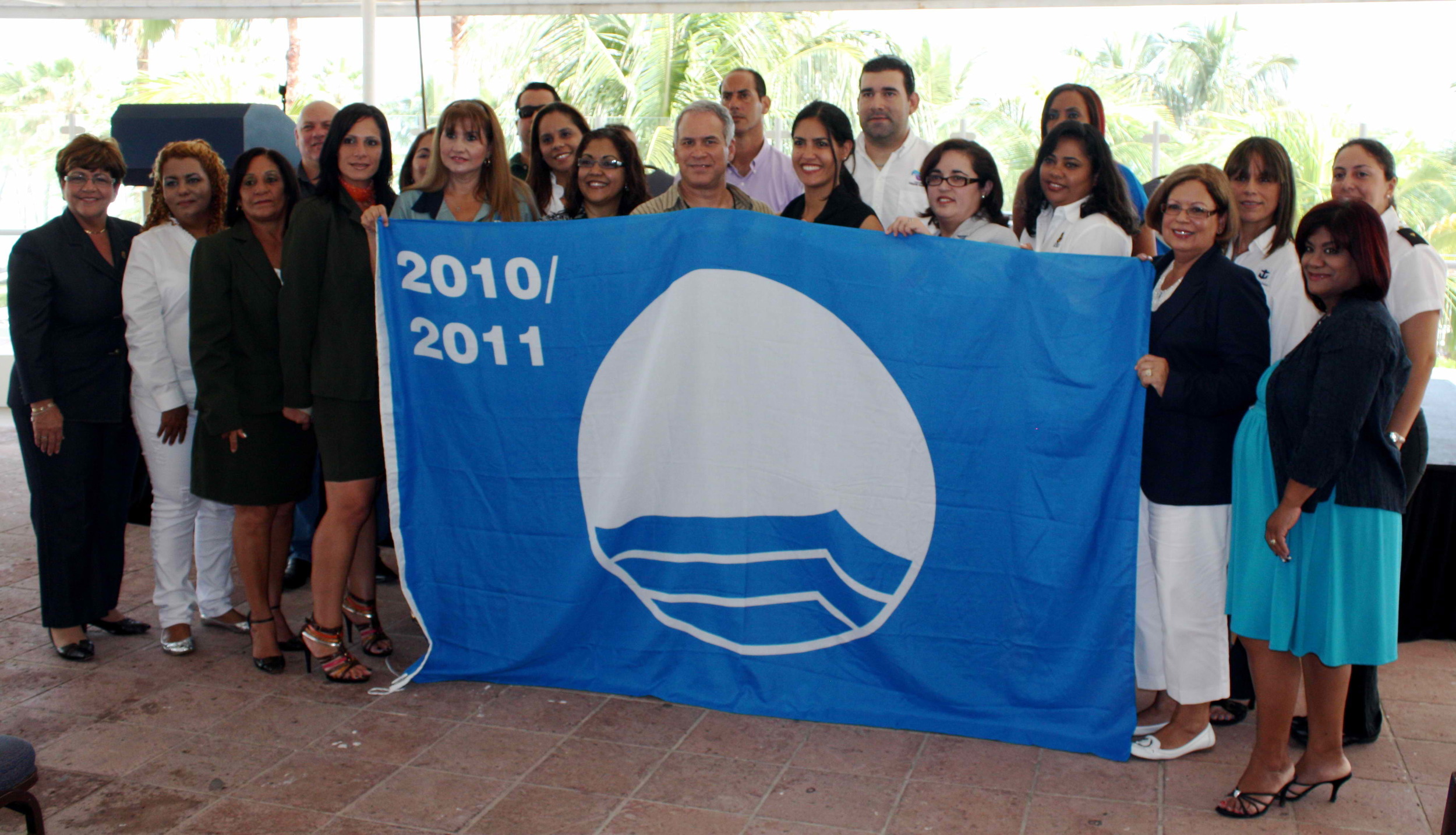
The awarded beach is Pelícano Beach which is managed by the Department of Natural and Environmental Resources (DNER). The Island is located in the south region of Puerto Rico with access through sea, primarily from the city of Ponce, through the Guancha ferry pier. The municipality of Ponce collaborated with the DNER in order for the beach to win the award.

Caja de Muertos (Coffin Island) is named for it's coffin-like shape. The island was designated as a nature reserve in 1980 turning the island into a protected wilderness area. The island has remained a protected area ever since. Pelícano beach is part of this important Natural Reserve and is distinguished for its peaceful and pristine waters and great views at its highest point where the lighthouse is located.
We invite all the Blue Flag countries to visit this spectacular and paradises’ beach. See you in Puerto Rico !
Blue Flag 10 year anniversary in South Africa
For the 10th anniversary year of Blue Flag in South Africa, twenty-seven South African beaches have been awarded international Blue Flag status for 2010/11.
For the 10th anniversary year of Blue Flag in South Africa, twenty-seven South African beaches have been awarded international Blue Flag status for 2010/11.
Blue Flag gives local and foreign visitors the knowledge that their beaches are clean, environmentally sound and adhere to international safety and other tourist standards. In the last 10 years, the Blue Flag programme has helped raise the standards on South African Blue Flag beaches in a significant way.
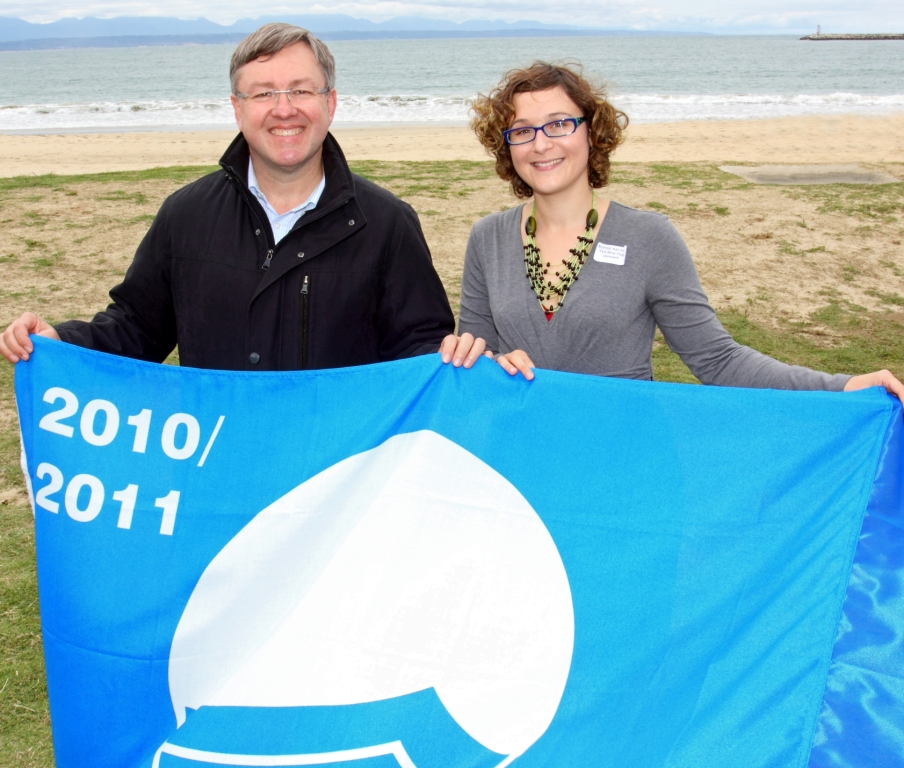
The Minister of Tourism, Mr Marthinus van Schalkwyk attended the Blue Flag celebration
When South Africa joined the campaign in 2001 as the first country outside Europe to participate, Blue Flag began to grow into a truly international campaign, and the "Foundation for Environmental Education in Europe" changed its statutes and name to become the "Foundation for Environmental Education".
By joining FEE, South Africa opened the door for numerous countries outside Europe to join FEE in the last 10 years. This is also why the international Blue Flag coordination was pleased to join the South African Minister of Tourism, Mr. Marthinus van Schalkwk to celebrate the 10 year anniversary of Blue Flag in South Africa. The International Blue Flag Coordinator also visited some beaches whilst in South Africa, all showing compliance with the Blue Flag criteria.
Local authorities report a number of spin-offs from being awarded Blue Flag status, including an increase in visitors, improved behaviour on the part of beach-goers, property prices rising for homes near Blue Flag beaches – and visitors enjoying a well cared-for and managed beach.

The proud team of Hibiscus Coast/Ugu municipality receive their Blue Flag
Blue Flag to Fly on Sail Training ships!
The Foundation for Environmental Education (FEE) and Sail Training International have joined forces to promote FEE’s Blue Flag programme to help protect the world’s marine environment.
The Foundation for Environmental Education (FEE) and Sail Training International have joined forces to promote FEE’s Blue Flag programme to help protect the world’s marine environment. The programme, to be known as the ‘Sail Training International Blue Flag Scheme’, is open to sail training vessels that belong to Sail Training International’s member national organisations in 26 countries and others that participate in sail training Tall Ships events.

SAGRES Ship in the Parade of Sail during The Tall Ships Races 2006 in Lisbon
Participating vessel operators will sign a Code of Conduct that will apply to everyone on board to minimise their impact on the marine environment both at sea and in port.
“The marine environment is deteriorating almost everywhere around the world and people who go to sea have an important role in its protection,” says Finn Bolding Thomsen, Director of FEE. “We are delighted to have Sail Training International’s support and look forward to working through them with vessel operators and the young trainee crew members to really ‘make a difference’.”
“The Blue Flag programme began 23 years ago mainly to help clean up beaches and harbours. More recently it has been extended for ship and boat owners,” says Nigel Rowe, President and Chairman of Sail Training International. “The sail training world, both owners and trainee crew members, will want to do all they can to minimise pollution at sea. We plan to give this our full support.”

The Dar Mlodziezy Ship in Szczecin in 2007
Sail Training International and the Foundation for Environmental Education will work directly with vessel operators, and through the 26 national sail training organisations around the world as well as Sail Training International’s International Youth Forum. The scheme will be launched at the Sail Training International Annual Conference in November (Stavanger, Norway, to be attended by more than 400 sail trainers and host port representatives) for implementation to begin in 2011.
For more information on Sail Training Ship International click here.