
Blue Flag awarding ceremonies for 2018 season: Part 1
Blue Flag International is happy to announce the sites awarded for this coming season 2018. We would like to share stories and/or pictures from Italy, Jordan and Slovenia with you.
Blue Flag International is happy to announce the sites awarded for this coming season 2018. We would like to congratulate all countries and municipalities that have successfully awarded the Blue Flag to local beaches, marinas and sustainable boating tourism operators. A number of countries have sent us information and pictures of the awarding ceremonies. We would like to share stories and/or pictures from Italy, Jordan and Slovenia with you.
Italian 2018 Blue Flag awarded sites presented at the National Research Council in Rome

The announcement of Italy's awarded sites for 2018
The National Research Council in Rome, the conference for the presentation of the Blue Flag awarded sites for 2018, took place on the 7th of May. 175 mayors of the awarded municipalities were present and a total of 368 beaches and 70 marinas were awarded. Among other historical partners of FEE Italia, we can mention the attendance of the ISPRA (Italian Institute for Environmental Protection and Research) and Coast Guard General Command.
This conference was also an opportunity to celebrate two municipalities, Moneglia and Grado, that have had Blue Flag sites awarded continuously for 30 years. In Italy the Blue Flag programme is used as a step-by-step guidance for coastal municipalities in choosing strategies for sustainable management of their territory. They do so while increasing benefits for the environment and life quality.
Jordan Blue Flag marina and beaches awarding ceremonies for the 2018 season

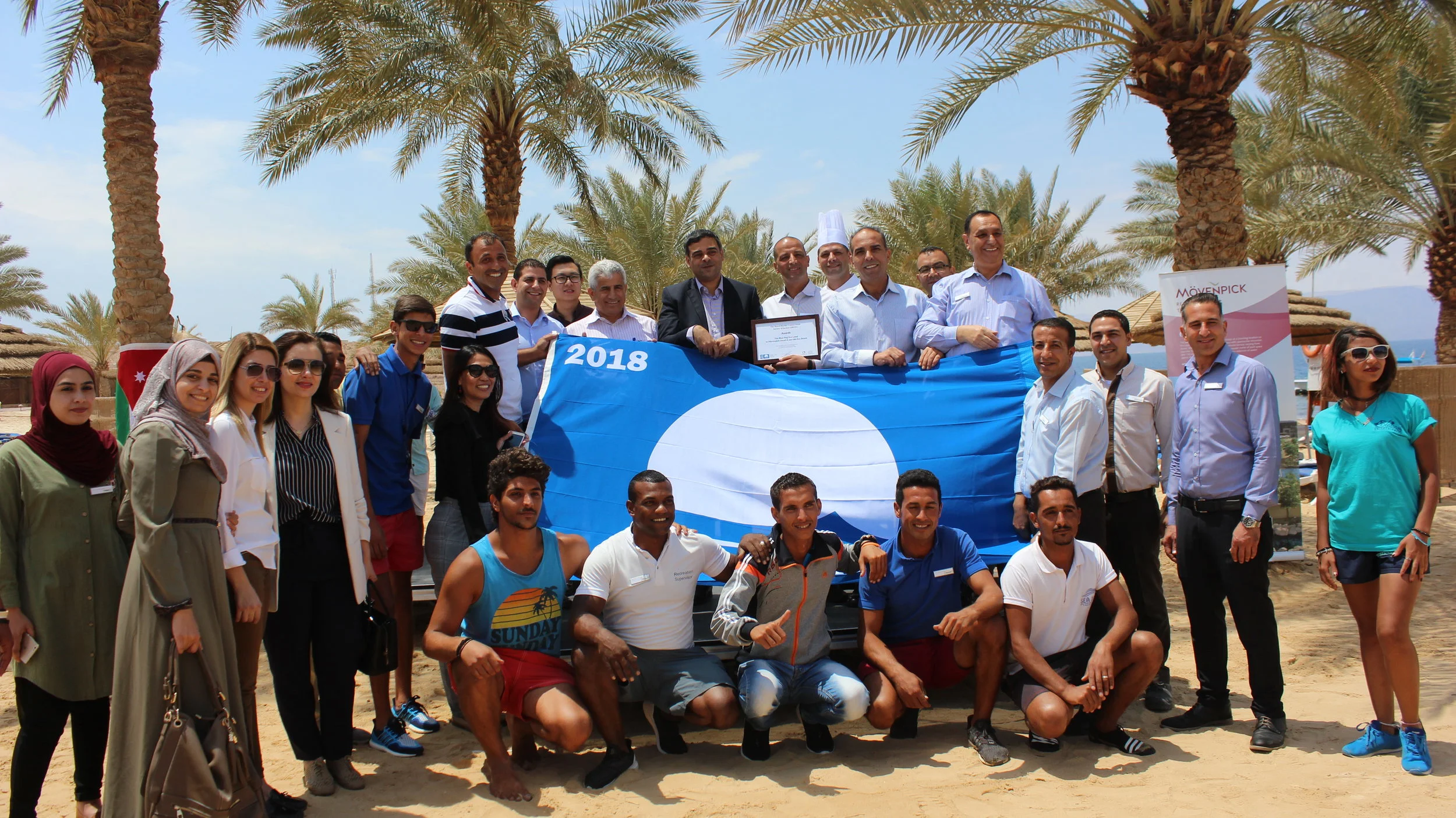
Mövenpick Resort & Spa Tala Bay Blue Flag beach awarding ceremony
The marina of Ayla is considered one of the extraordinary mega projects at the Gulf of Aqaba that has created about 17 kilometers of waterfront. In 2018, the marina of Ayla was awarded with the Blue Flag as the first marina in Jordan to receive this recognition. The marina contains contemporary facilities that comply with international standards. These facilities include sewage stations, a fuel filling facility, an oil discharge unit, a transport station for golf vehicles, a system for cleaning and control the bottom of the water, and a system for cleaning the boats internally and externally.
The beaches from InterContinental Aqaba Resort, Mövenpick Resort & Residences Aqaba and Mövenpick Resort & Spa Tala Bay were Blue Flag awarded for 2018. In addition, the InterContinental Aqaba Resort also has the Green Key award, and is committed to maintaining and sustaining the requirements for both labels in the future.
National Blue Flag and Green Key awarding ceremony 2018 in Slovenia

Boris Susmak, Blue Flag National Operator Slovenia, and Finn Bolding Thomsen, International Green Key Director, at the Blue Flag ceremony at the Internautica Boat Show in Slovenia.
Click here to read about the Blue Flag awarding ceremonies for 2018 season: Part 2.

ITB Berlin 2018: Blue Flag presentation at the World’s Leading Tourism and Travel Trade Show
Beginning of March, Blue Flag International held a presentation on the importance of the international ecolabel for beaches, marinas and sustainable boating tourism operators and its different criteria at the international tourism fair ITB in Berlin (Germany).
Beginning of March, Blue Flag International held a presentation on the importance of the international ecolabel for beaches, marinas and sustainable boating tourism operators and its different criteria at the international tourism fair ITB in Berlin (Germany).
If you were not able to watch the presentation, it started out with a reminder about the threats coasts face on a global scale and what the Blue Flag certification helps achieving through environmental education programme. The sustainable certification was founded in 1987, protecting our coastal areas around the world for over 30 years.
The presentation focused on the new certification for sustainable boating tourism operators launched over the last two years, with a highlight on new categories such as Responsible Operation around Wildlife, Water Quality and Social Responsibility. Three case studies were presented to show the programme’s achievements in South Africa, Canada and the Dominican Republic. Three destinations proving that it is worth going the extra mile in implementing more for the people and the planet by certifying beaches, marinas and boats.
The concluding quote, “One billion tourists, one billion opportunities”, was the theme of the World Tourism Day 2015.
Blue Flag International is looking forward to attend next year’s ITB.

WESSA Donates Amphibious Wheelchairs to Four Blue Flag Beaches in South Africa
It's not just another day at the beach! On 26 February, South African Blue Flag National Operator WESSA held an event on Muizenberg beach in Cape Town to present amphibious wheelchairs to four municipal Blue Flag beaches in South Africa.
It's not just another day at the beach! On 26 February, South African Blue Flag National Operator WESSA held an event on Muizenberg beach in Cape Town to present amphibious wheelchairs to four municipal Blue Flag beaches in South Africa.
WESSA (The Wildlife and Environmental Society of South Africa), in partnership with the National Council for People with Disabilities and with funding provided by The Ford Motor Company Fund, donated the wheelchairs to Blue Flag beaches in Cape Town, Overstrand, Bitou, and Kouga.
The amphibious wheelchairs are designed to move easily across sandy beaches, enter the water, and float in the sea. Access to the wheelchairs gives disabled beach goers the opportunity to enjoy a full and seamless beach experience. The selected beaches will provide the wheelchairs free of charge to those who need them. WESSA believes that the donation of these first four wheelchairs marks a step in the direction of universal access to Blue Flag beaches in South Africa.
One of the things that makes Blue Flag unique in the world of eco-labels is its emphasis on accessibility. This idea can be found throughout the Blue Flag philosophy, from the criterion that private beaches have affordable entrance fees, to the requirement that at least one beach per municipality provide infrastructure and amenities for people with disabilities. Blue Flag beaches are not only clean, safe, sustainable, and educational, but also accessible. By minimising obstacles to accessibility, WESSA is upholding one of Blue Flag's core values and setting an example for Blue Flag beaches around the world.
All photos provided by WESSA. You can also check out WESSA's video of a Cape Town resident riding the waves in one of the new amphibious wheelchairs.


Blue Flag to Present at ITB Berlin 2018
Blue Flag will be presenting at the IBF Berlin 2018 travel trade show on 7 March during the Pow-Wow for Tourism Professionals.
Blue Flag will be presenting at the ITB Berlin 2018 travel trade show on 7 March during the Pow-Wow for Tourism Professionals. The title of the presentation is "The Blue Flag Programme- An International Eco-Label for Beaches, Marinas, and Boating Tourism Operators- 30 Years of Protecting Our Coastal Areas Around the World."
From the ITB Berlin Website:
For the coastal environment, water quality, safety and access for all, the Blue Flag represents a serious and profound commitment to both people and the environment. Central to the ideals of the Blue Flag programme is the aim of connecting the public with their surroundings and encouraging them to learn more about their environment. Appropriate national organisations are selected to implement and enforce the Blue Flag criteria and thereby ensure a consistency of the standards internationally, which make the Blue Flag award so trustworthy and valuable. Launched in 1987, the Blue Flag Programme has over 30 years of experience in engaging municipalities, marina managers, tourism companies, local communities and tourists in protecting our coastlines.
If you will be at ITB Berlin this year and would like to learn more about Blue Flag, come to The Adventure Stage in Hall 4.1 at 16:00 to hear the presentation. Learn more about the event at the ITB Berlin website.
Blue Flag in post-hurricane St. Maarten
Environmental Protection in the Caribbean (EPIC) is the FEE member organisation which runs the Blue Flag programme in Sint Maarten.
Story and pictures provided by EPIC
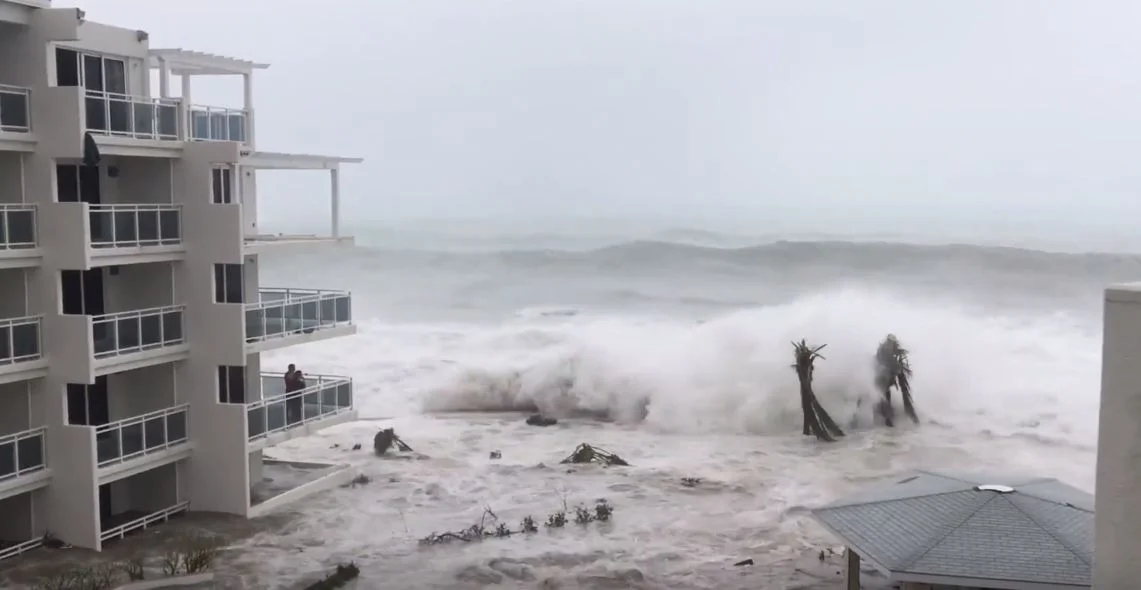
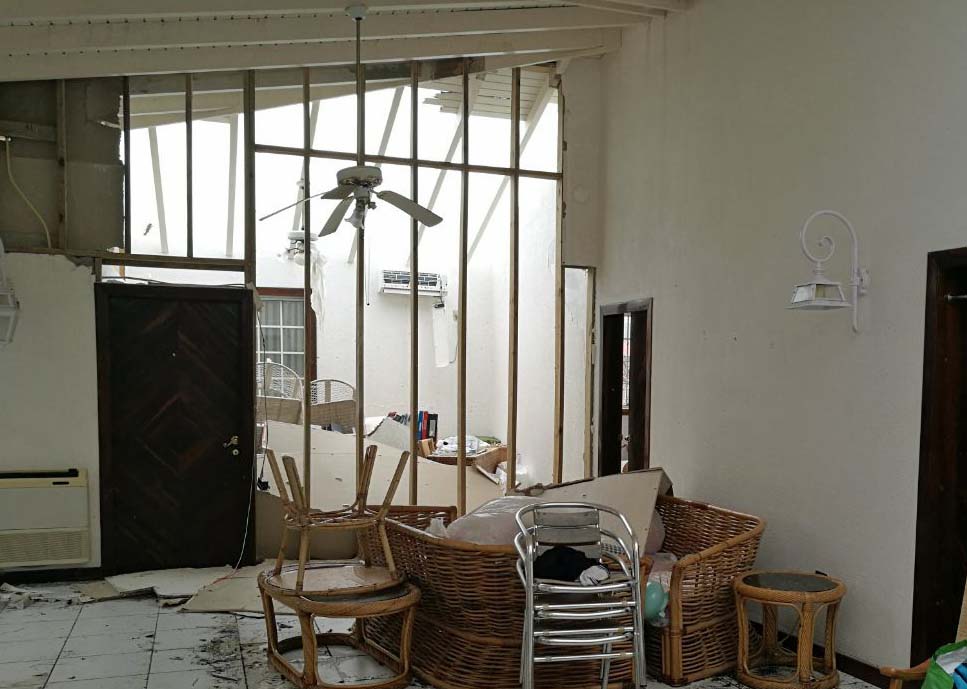
Environmental Protection in the Caribbean (EPIC) is the FEE member organisation which runs the Blue Flag programme in Sint Maarten. Their headquarters were severely damaged during the passage of Hurricane Irma, a category 5 storm with winds of up to 295 km/hr. It is at such difficult times that one learns the strength of community. The outpouring of support from the other FEE member organisations was overwhelming and greatly appreciated. Despite the great distances between our countries, the closeness of the community is very evident and heartwarming.
Thanks to this support, EPIC is now in the process of hurricane recovery. The roof, which was blown off, is being replaced and walls which fell down are being rebuilt. By January, the organisation expects to be back in operation at its headquarters, with new office equipment and housing supplies for staff and volunteers.
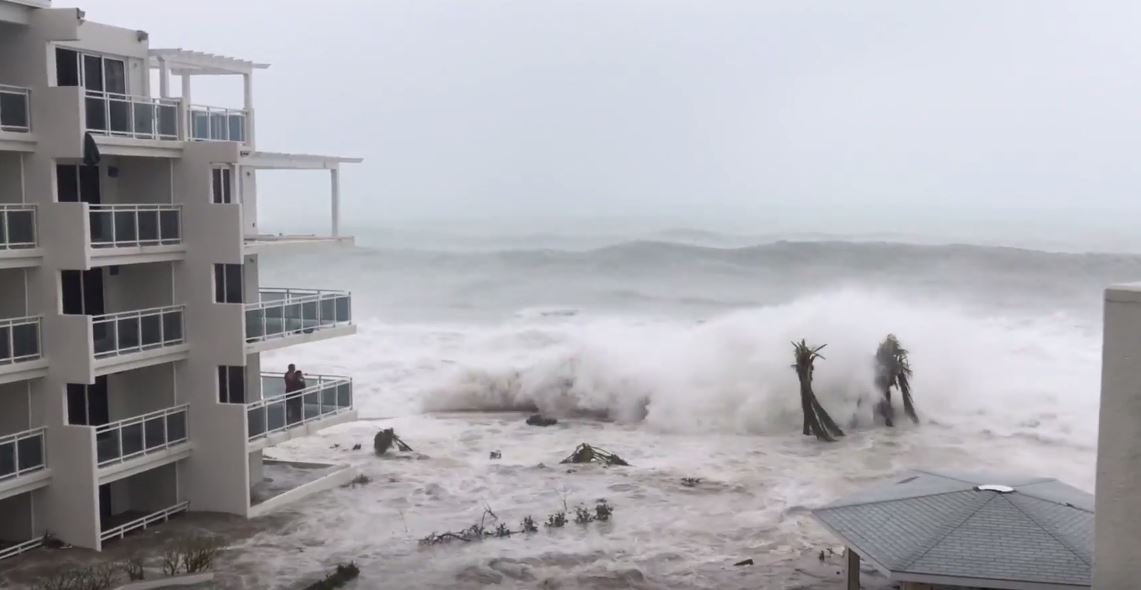
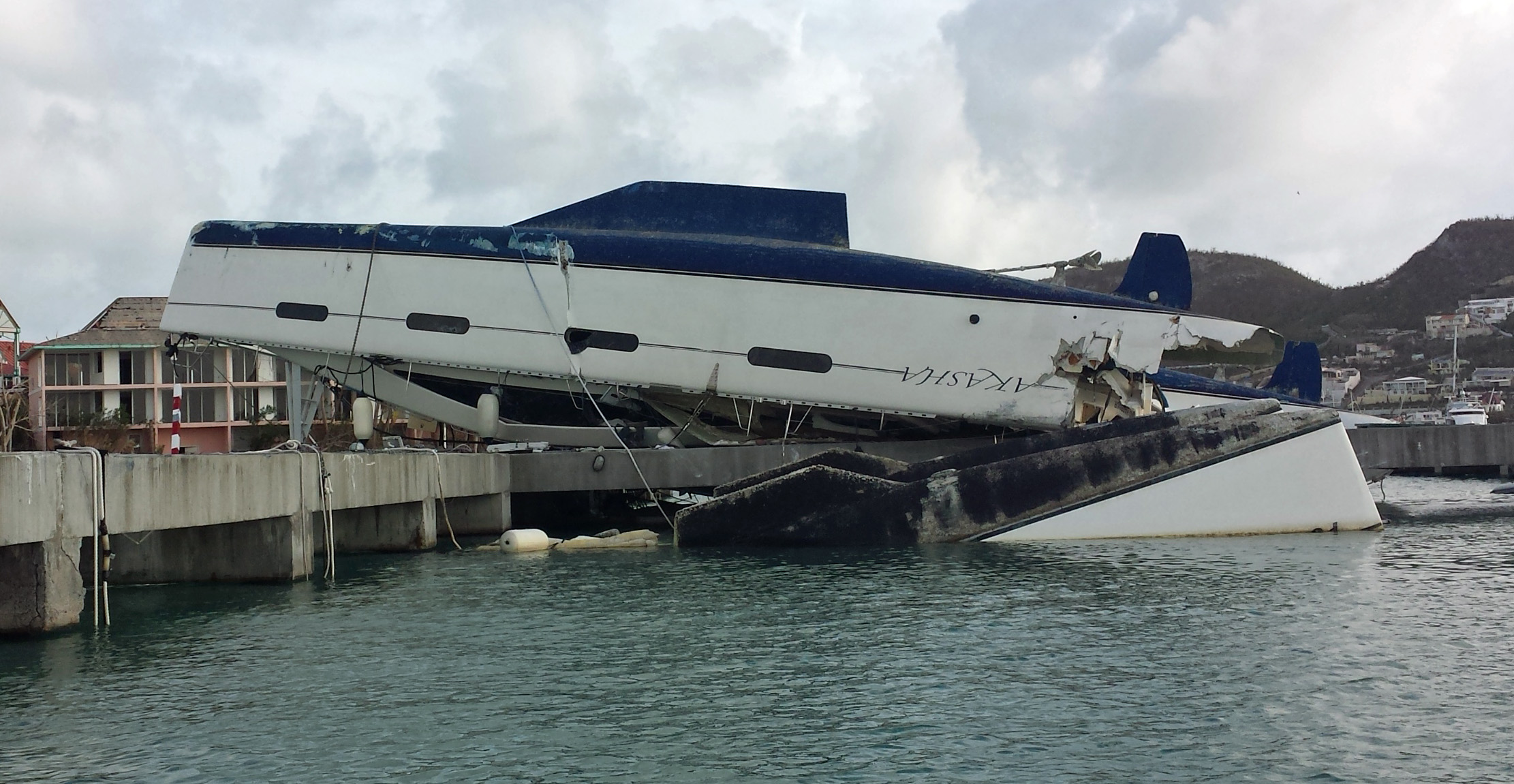
Because of the level of destruction, Blue Flag sites are struggling to begin operations in time for the tourism high season; complying with Blue Flag criteria offers another challenge. For example, one hotel had about a meter of sand in their reception area but lost much of the beach at the same time, along with numerous rooms destroyed by two-story high waves. Meanwhile marinas put up oil booms to limit the spread of fuel from sunken boats and must now remove the wrecks. Nonetheless, EPIC has received optimistic responses from some sites regarding their ability to fly the Blue Flag this year. We continue to work with sites and encourage them in this compliance work.
At the same time, EPIC is leading restoration work to remove hurricane debris and invasive species from coastal and hillside habitats while planting native species. We are also conducting presentations and field trips focusing on the value of biodiversity for schools and community groups. The dedicated team of staff and volunteers are seeing progress in their restoration and education efforts, bringing a sense of hope to a country that has lost so much.
Celebrating Blue Flag in South Africa
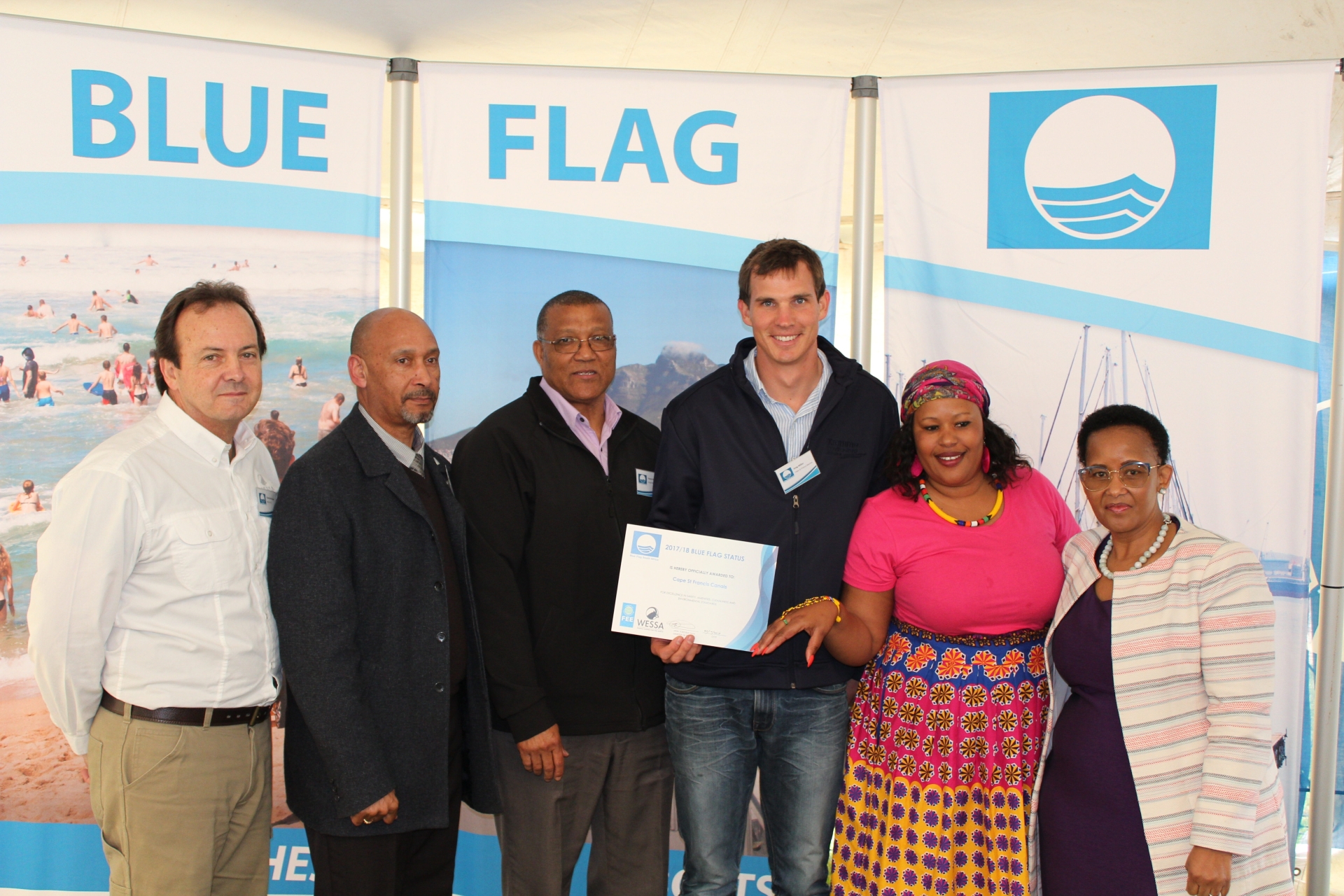
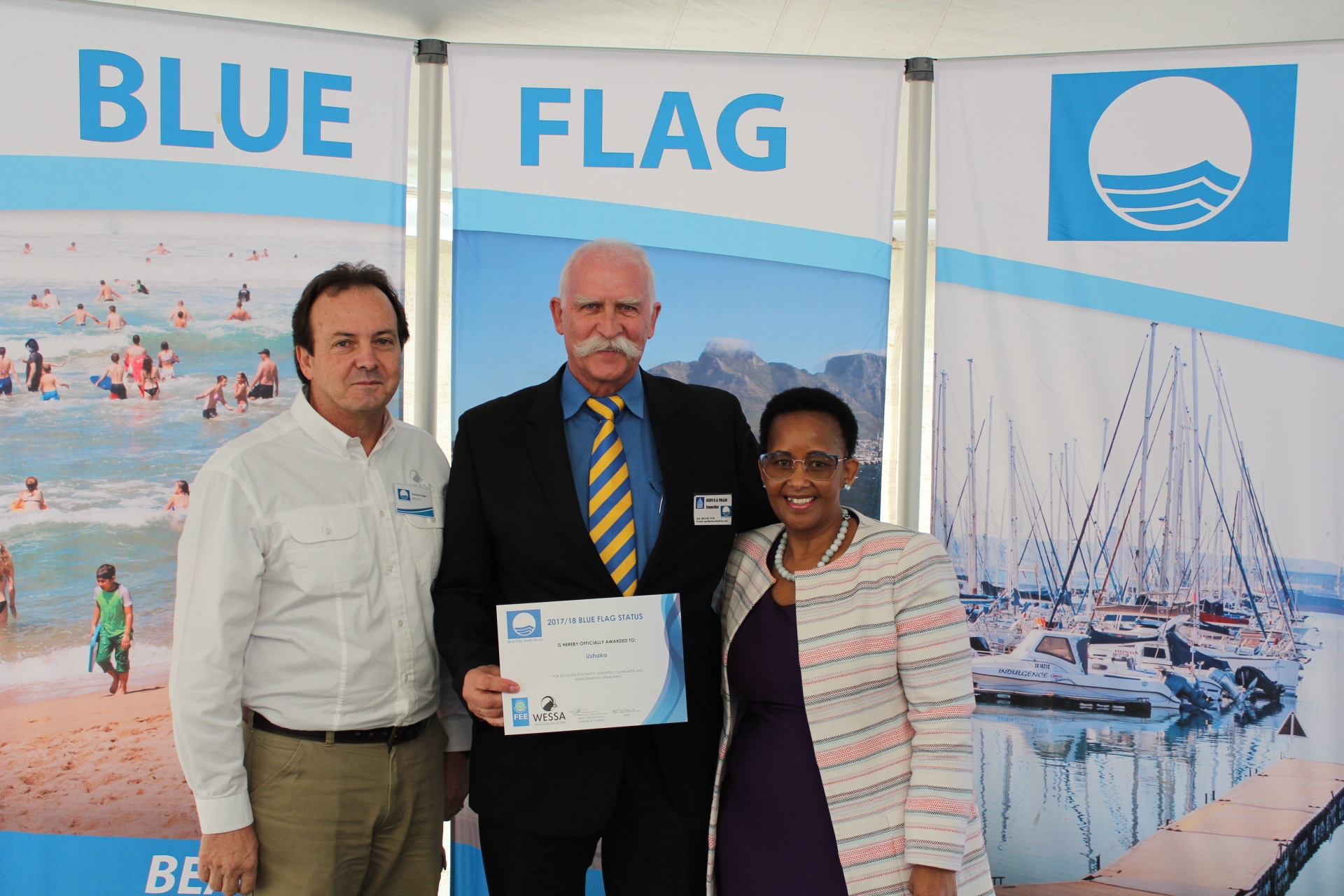
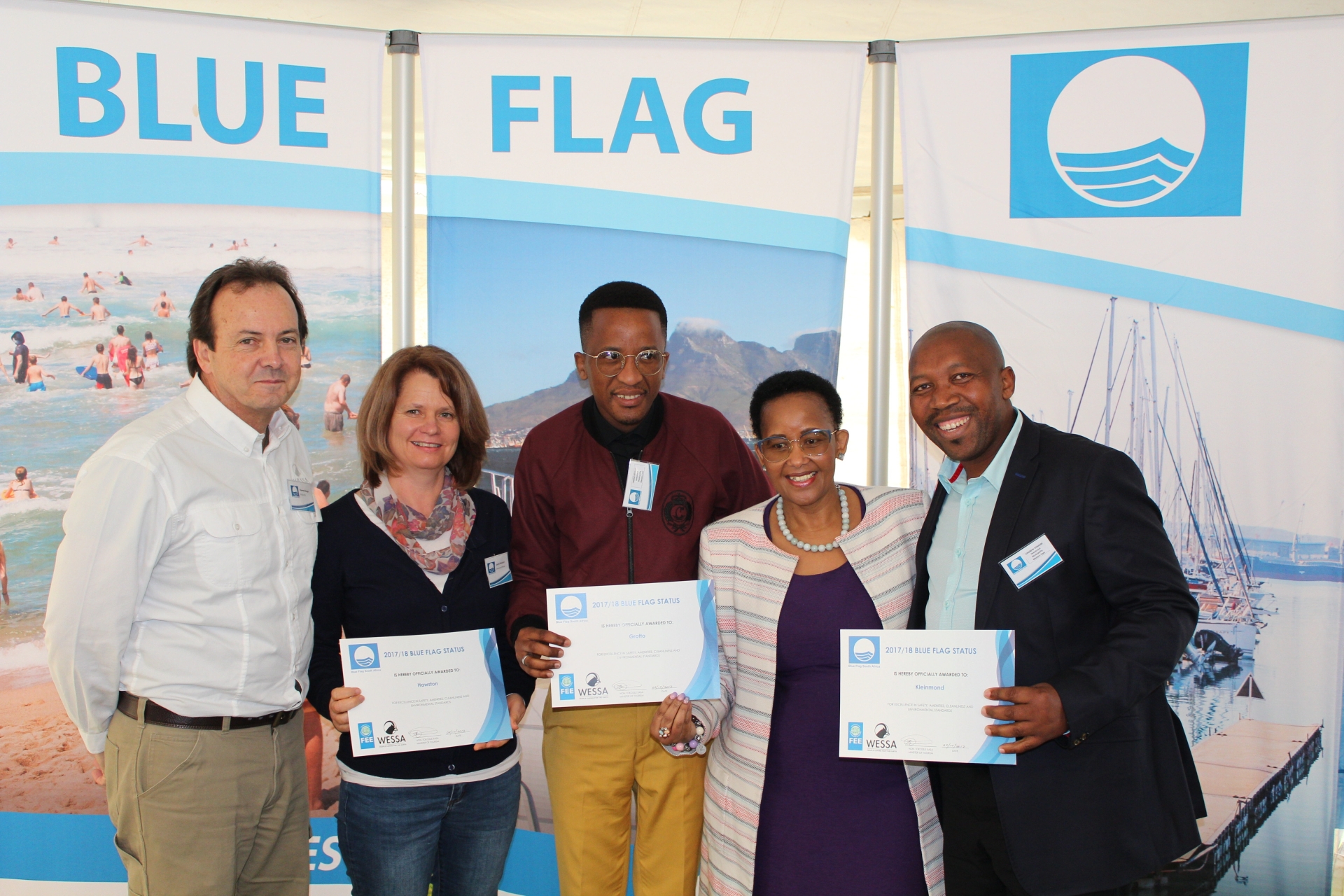
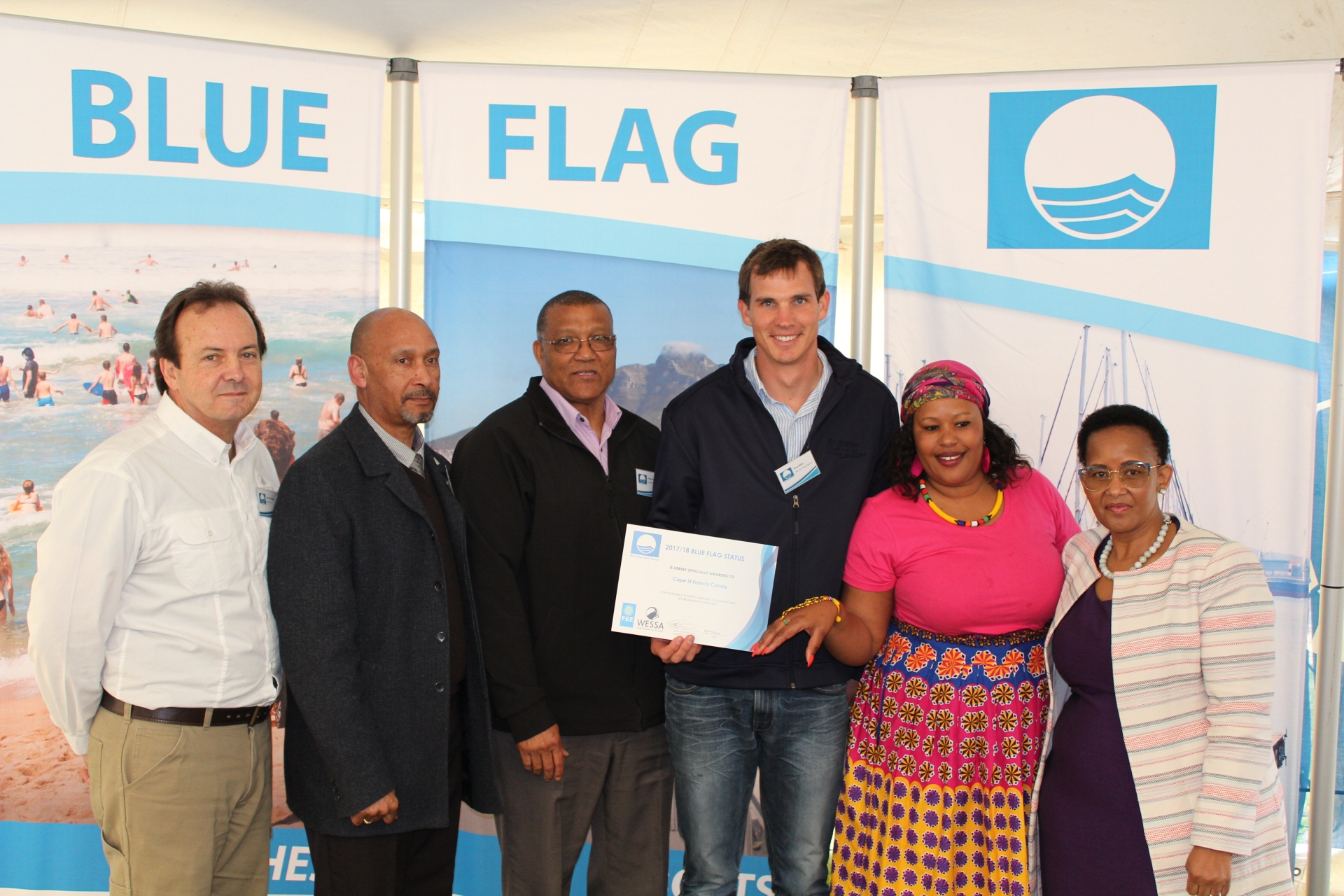
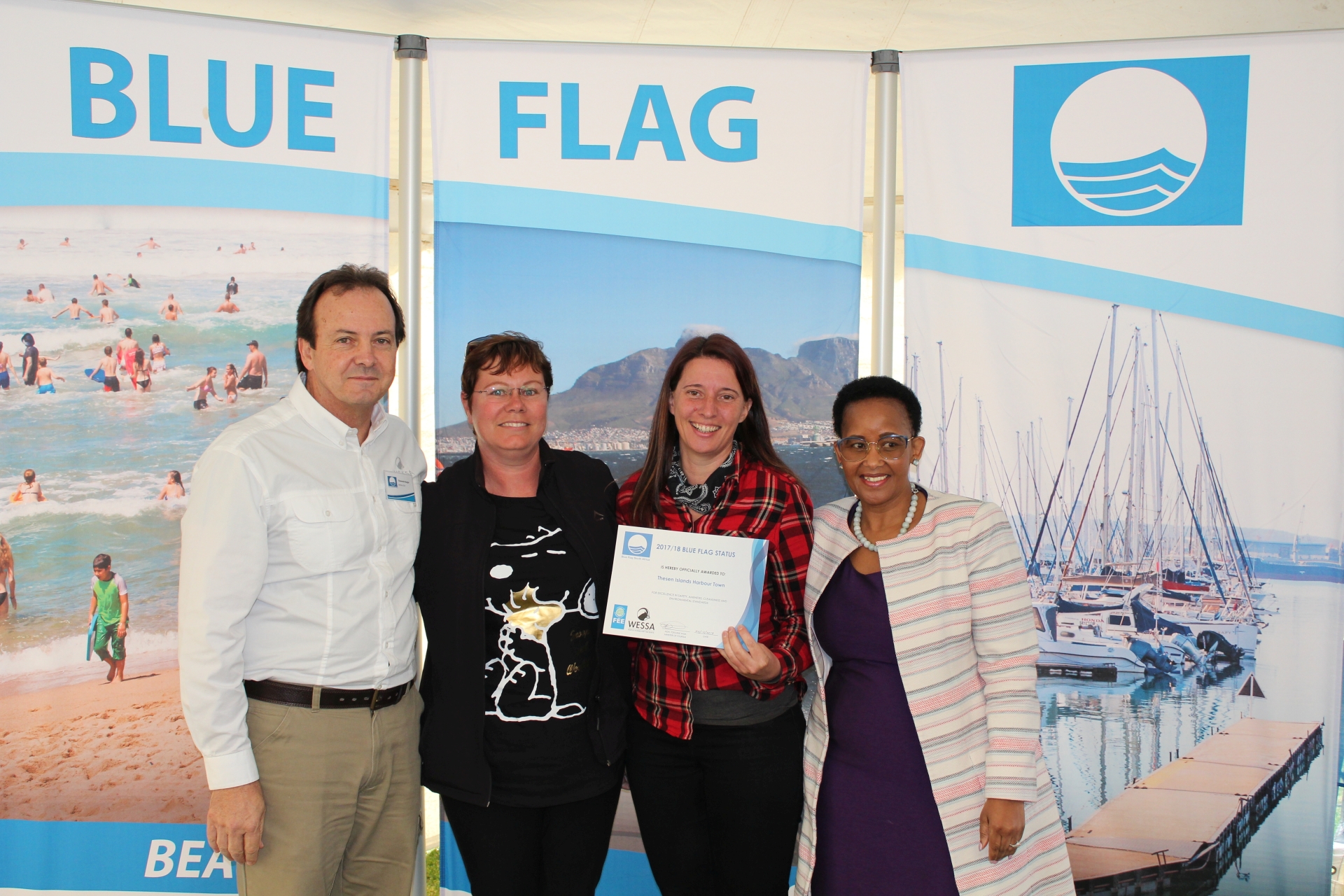
Our member organisation in South Africa, WESSA, has organised a ceremony celebrating the new Blue Flag season, which officially started on 1 November this year.
Our member organisation in South Africa, WESSA, has organised a ceremony celebrating the new Blue Flag season, which officially started on 1 November this year. Sixty-two Blue Flags will be flying at 44 beaches, seven marinas and on 11 sustainable tourism boats around the country over the 2017/18 South African Blue Flag season.
There has been an increase of three Blue Flag boats from the previous season, and one additional marina.
During the ceremony, the Minister of Tourism, the Honourable Ms Tokozile Xasa, stated the importance of the Blue Flag programme for the local economy. By starting a partnership with WESSA in 2016, the Ministry is utilising the Expanded Public Works Programme to ensure jobs are created for young people in the tourism industry.
WESSA has successfully worked with numerous municipalities in South Africa and Blue Flag has been widely recognised as a programme that not only spreads a message of environmental education and management, it is also a programme that successfully increases a touristic and economic development which results in new jobs for the local communities.
Blue Flag National Operator Meeting 2017
Each year, all Blue Flag National Operators from the network meet to discuss and exchange ideas about the technicalities of the programme, the strategy, best practices and other issues.
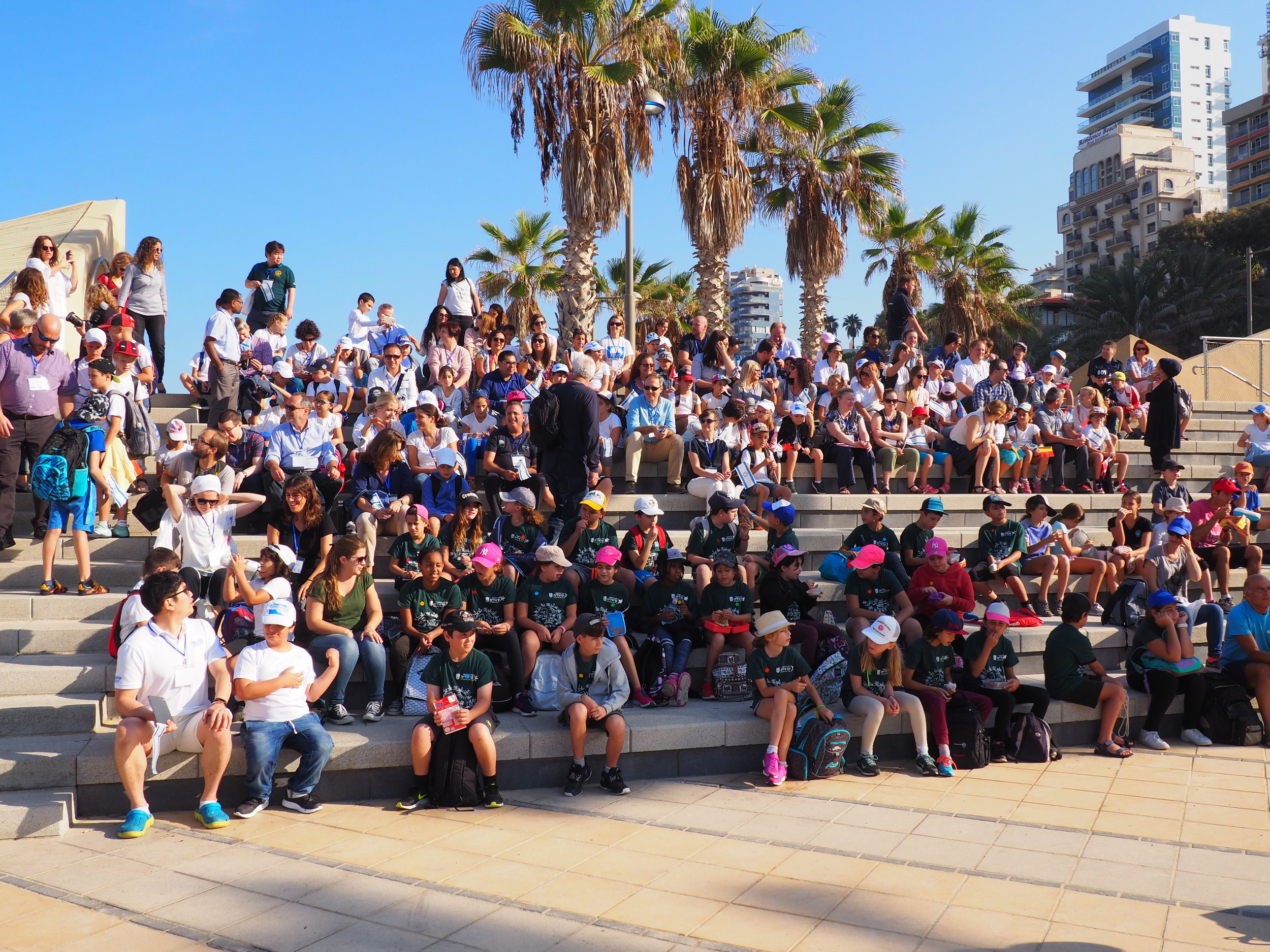
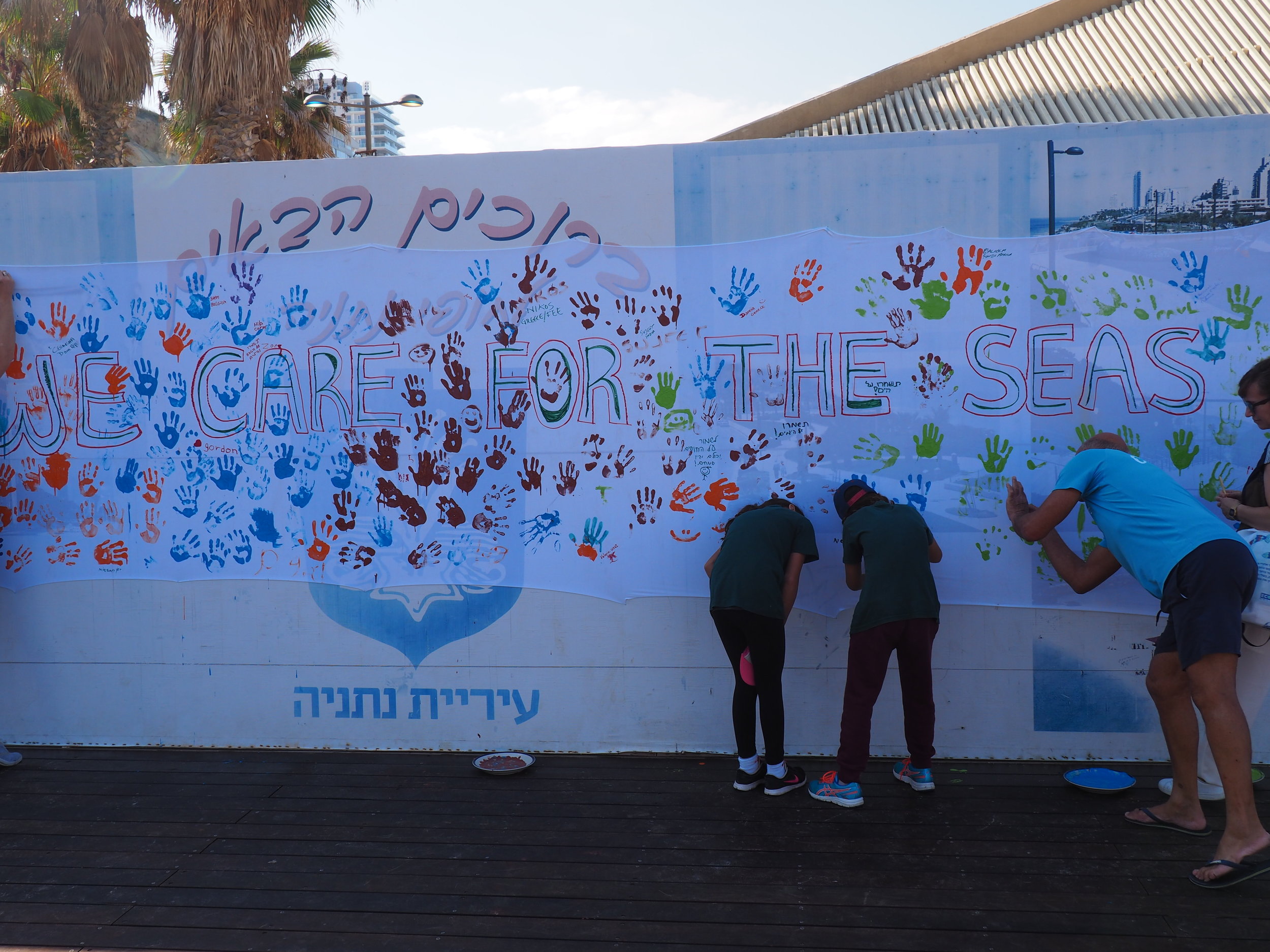
Each year, all Blue Flag National Operators from the network meet to discuss and exchange ideas about the technicalities of the programme, the strategy, best practices and other issues. This year the meeting took place in the city of Netanya, Israel.
Over 60 participants from 43 countries attended the two-day meeting. The focus this year was on celebrating Blue Flag’s 30th anniversary. 2017 has been named as the Year of Sustainable Tourism, which is very relevant to Blue Flag’s mission, and all the participants contributed enthusiastically to the future development of the Blue Flag programme.
We would like to thank our Blue Flag National Operator in Israel, EcoOcean, for hosting the meeting this year and all the participants who brought new ideas and excitement to the Blue Flag programme.


PRESS RELEASE: Climate Change and Rebuilding Sustainably
The International Blue Flag Jury meeting took place only a few hours before Hurricane Maria hit Puerto Rico so violently on 19 September 2017, and a few days after Hurricanes Irma and Jose devastated the Caribbean Islands and the USA.
The International Blue Flag Jury meeting took place only a few hours before Hurricane Maria hit Puerto Rico so violently on 19 September 2017, and a few days after Hurricanes Irma and Jose devastated the Caribbean Islands and the USA. From the countries proudly flying the Blue Flag, Bahamas, Dominican Republic, French Department and Territories, Puerto Rico, Sint Maarten and US Virgin Islands have seen damages, and in some cases losses, after these terrible weather episodes.

“We would like to express our most sincere solidarity and hope for quick recovery to all affected countries of the recent natural disasters occurring in the Caribbean and Mexico region” commented Lourdes Diaz Colón, Chairwoman of the International Blue Flag Jury. “The International Jury would like to make sure that all the sites affected by these catastrophic phenomenona will return to their former condition. Thus, we wish to express our willingness to provide technical guidance and support when remodeling these sites in the future to guarantee that the Blue Flag criteria are met. We especially reach out to the Blue Flag applicants impacted, and also to other sites that have the will to be part of the International Blue Flag network,”.
Unfortunately, these episodes will become more recurrent and stronger due to climate change. The International Jury, not only as an awarding authority for the Blue Flag, but also as a community of international organisations and experts in the fields of environmental education, safety, services, management and tourism, wishes to highlight the importance of resilient and sustainable ways of thinking, working, and rebuilding after these major climate occurrences.
During the International Jury’s meeting, 131 sites have been awarded for the 2017-2018 Blue Flag season in the Southern Hemisphere, 91 beaches, 20 marinas and 22 boats within nine countries running the Blue Flag programme in this part of the world. Globally, the Blue Flag is proudly flying over 3,667 beaches, 681 marinas and 72 boats in 2017.
The Blue Flag International Jury also approved the feasibility study for South Korea, officially enabling them to start working on the Blue Flag programme.
The full list of awarded sites will be published on 1 November on the international Blue Flag website. Users can visit the Blue Flag website and enjoy its new maps and search systems, in order to find the perfect site depending on their needs.
The next meeting of the International Blue Flag Jury will take place on 11 April 2018 to award beaches, marinas, and boats from the Northern Hemisphere.
The International Blue Flag Jury is composed of representatives from the United Nations Environment Programme (UN Environment), the United Nations World Tourism Organization (UNWTO), International Lifesaving Federation (ILS), the European Environment Agency (EEA), the European Union for Coastal Conservation (EUCC), the International Union for Conservation of Nature (IUCN), the International Council of Marine Industry Associations (ICOMIA), the World Cetacean Alliance (WCA) and FEE, plus an Environmental Education expert. You can find out more about them on Blue Flag’s website.
The Blue Flag greatly appreciates the support of its sponsor and worldwide flag producer, Semaphore, as well as the support of AccessRec who provides access for the disabled on beaches.
PR Contact: Amalia Speleta, Communications Assistant, E: amalia@fee.global
Support to the affected British Virgin Islands and US Virgin Islands after Hurricane Irma
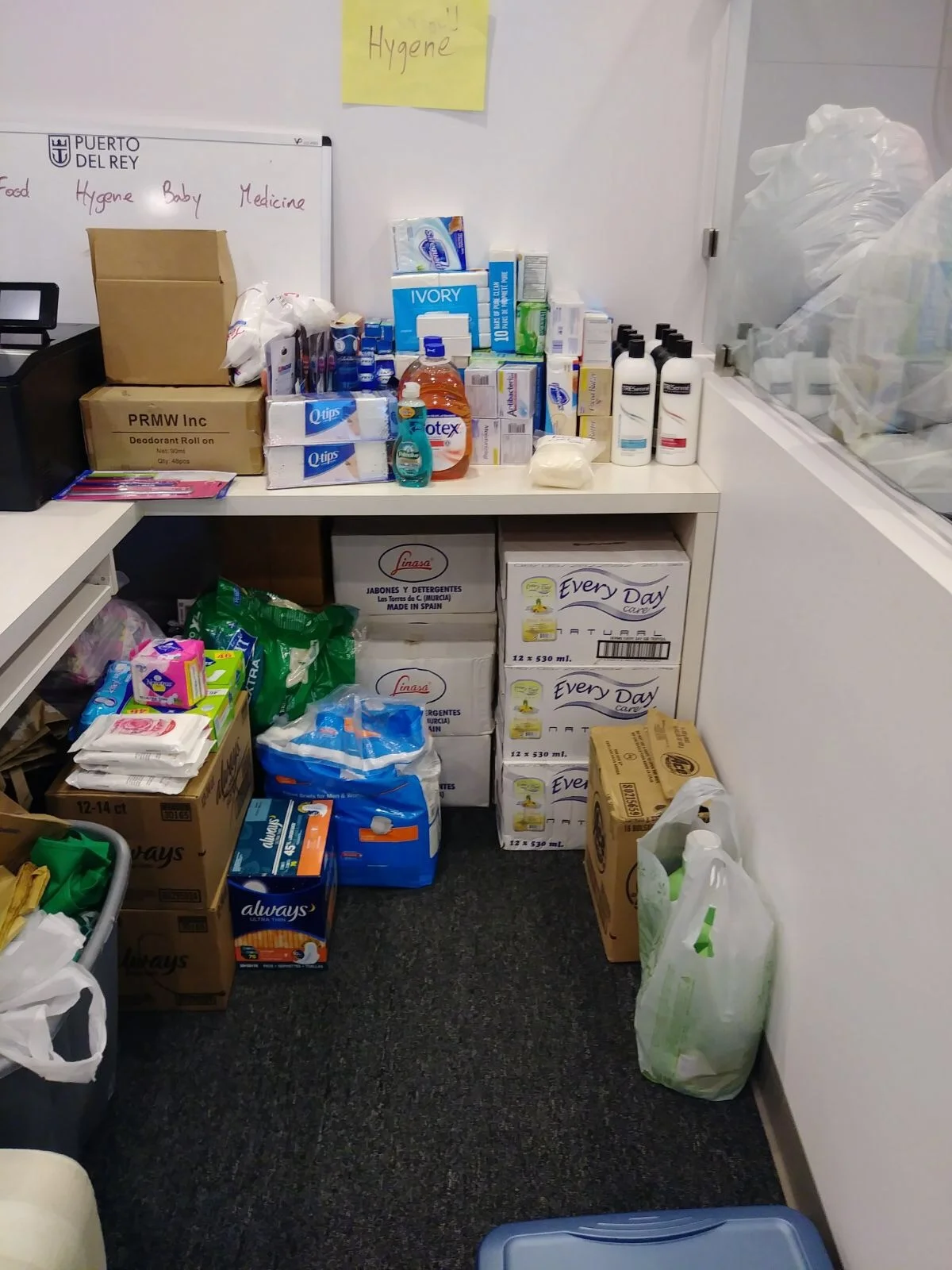
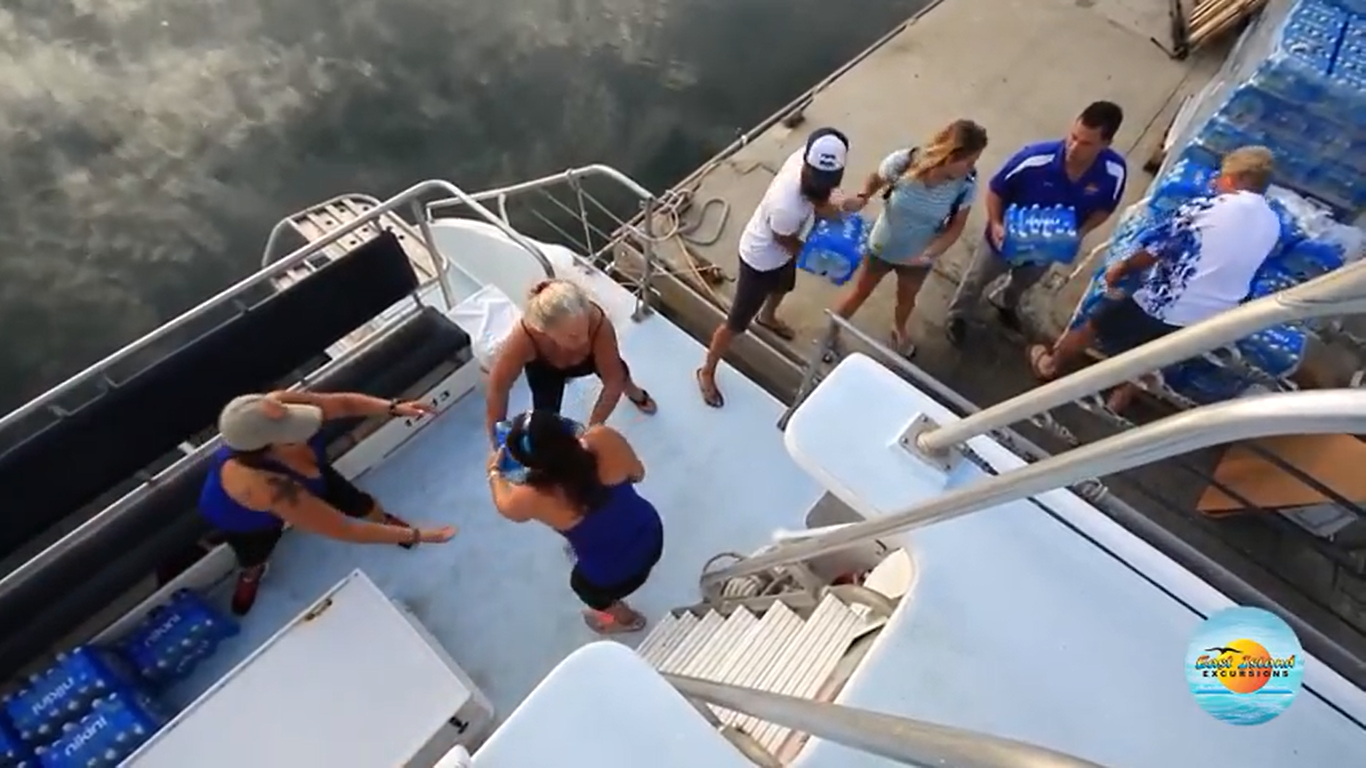
In Puerto Rico, the Marina Puerto del Rey and the companies ‘Sea Ventures Pro Dive Center’, ‘East Island Excursions’ and ‘Bellaventura Inc,’ came together to establish a collection center for first aid kits, food, water, clothing and construction material to deliver to the affected population in these islands.
The Islands of Culebra, Puerto Rico, St. Thomas, Tortola, Barbuda, Antigua, Saint Maarten and St. John suffered mayor destruction after the passage of Hurricane Irma through the Caribbean on September 6, 2017. In Puerto Rico, the Blue Flag awarded Marina Puerto del Rey and the Blue Flag awarded company ‘Sea Ventures Pro Dive Center’, as well as the companies ‘East Island Excursions’ and ‘Bellaventura Inc,’ came together to establish a collection center for first aid kits, food, water, clothing and construction material to deliver to the affected population in these islands. The response was immediate and continued until Puerto Rico was later hit by Hurricane Maria on September 20th, 2017. These Sustainable Boating Tourism Operators also were very helpful in ferrying refugees of the hurricane to Puerto Rico where they were housed in shelters as they awaited the chance to return to their own homes.
Marina Puerto del Rey

Sea Venture Pro Dive Center


East Island Excursions
Make 14 trips and they helped a thousand people.


The Blue Flag: 30 years of Eco Guidance with the TransEurope Marinas
TransEurope Marinas is an association of over 70 marinas across Europe, with a number of members who have been dedicated followers of the Blue Flag programme for twenty years.

TransEurope Marinas is an association of over 70 marinas across Europe, with a number of members who have been dedicated followers of the Blue Flag programme for twenty years. An established culture of environmental management and education has led many marinas to start thinking beyond their boundaries; taking proactive steps to enlighten themselves and others about sensitive nearby areas or about the best way to reduce an impact on the local environment. Members regularly share ideas and import successful solutions to their own marinas.
There is no doubt that our seas and coastlines comprise a stimulating and challenging environment. A beautiful local sailing arena is a dramatically valuable asset for yacht harbours, but it is clear that local ecosystems require vigilance, protection and maintenance to remain healthy; in simple terms, how much nicer to sail out in clean seas, uncluttered by flotsam and jetsam and enjoy the pleasures of observing marine and birdlife than drifting over a seabed littered with discarded rubbish and devoid of life?
Blue Flag criteria identify the following four priorities:
- Environmental education and information
- Environmental management
- Safety and service facilities
- Water quality
It is relevant that education and information appears at the top of the list. Across the board, members have sought out ways to both inform themselves and then communicate this knowledge in order to teach and inspire.
Engaging with local conservationists or wildlife enthusiasts can open up an immense vista of fascinating insights revealing the extraordinary sophistication and complexity of local marine habitats; similarly, unless endangered species or marine protected areas are clearly identified as such, visitors are less likely to be able to make informed decisions.
Puerto Deportivo Gijón in Asturas, have joined forces with biologists to help identify the local sealife and then gone on to study the existence of exotic and invasive species in their waters. They have even prepared publications documenting their results and also handed out advice on good environmental practice. Like others, they have also organised open days for various sectors of the local community to help promote more informed interaction with the marina sphere.
In Belgian marina VVW Nieuwpoort where a significant increase in water quality over the last few years has meant that wildlife has started to return to the marina, they now have six resident seals. Communication with visitors and berth-holders provides further beneficial results:
“At several places in the marina we’ve put up information boards informing everybody about the bird and wildlife in the marina, which is then mentioned regularly on Facebook. We see our members and guests checking the board to identify their sightings, making them more aware of their presence. We hope this increased awareness will eventually lead our members to take more care of their habitat.”
Lanzarote in the Canaries enjoys the status of a Biosphere Reserve; a designation that celebrates man’s respectful interaction with his landscape, wildlife, and cultural heritage. Along the lee coasts of Lanzarote and the neighbouring isle, up to a third of the world’s cetacean species have been identified, with many observations reported by visiting and local sailors. When sailors staying in Puerto Calero requested more information, the marina team sought the advice of local and national conservation groups and produced a panel that locates and describes the nearby sensitive areas; detailing species of interest, their characteristics and the most common threats to their survival.
Quinta do Lorde Marina, located in a Green Key resort, is another member based in Macaronesia, one of the world’s biodiversity hotspots. There the team follows similar strategies of cooperation between marina, social and conservation stakeholders:
“We encourage the promotion of scientific studies on the marine biodiversity of the area and the use of renewable energy sources in the operation of the marina. For this, we are associated with the Department of Biology of the University of Madeira – UMa and we have a protocol established with MARE (scientific research to seek excellence in the study of aquatic ecosystems and disseminate knowledge to support policies for sustainable development).”
Educational activities for this year at Quinta do Lorde include raising awareness about the negative impact of rubbish in protected wildlife areas, composting and tree planting. They too have studied the biodiversity within their own marina and the threat of microorganisms arriving on overseas sailing yachts and have housed exhibitions that juxtapose the beauty and magnificence of local cetaceans, with maritime pollution.
Despite steps taken to reduce a carbon footprint, addressing contamination concerns and switching to less harmful products and behaviours, many problems still remain for the industry: fibre glass boat recycling remains a tricky issue and whilst some ocean-going yachts are able to eliminate the need to use fossil-based fuels, manoeuvring in port under sail for example isn’t currently going to win you many friends in the marina office.
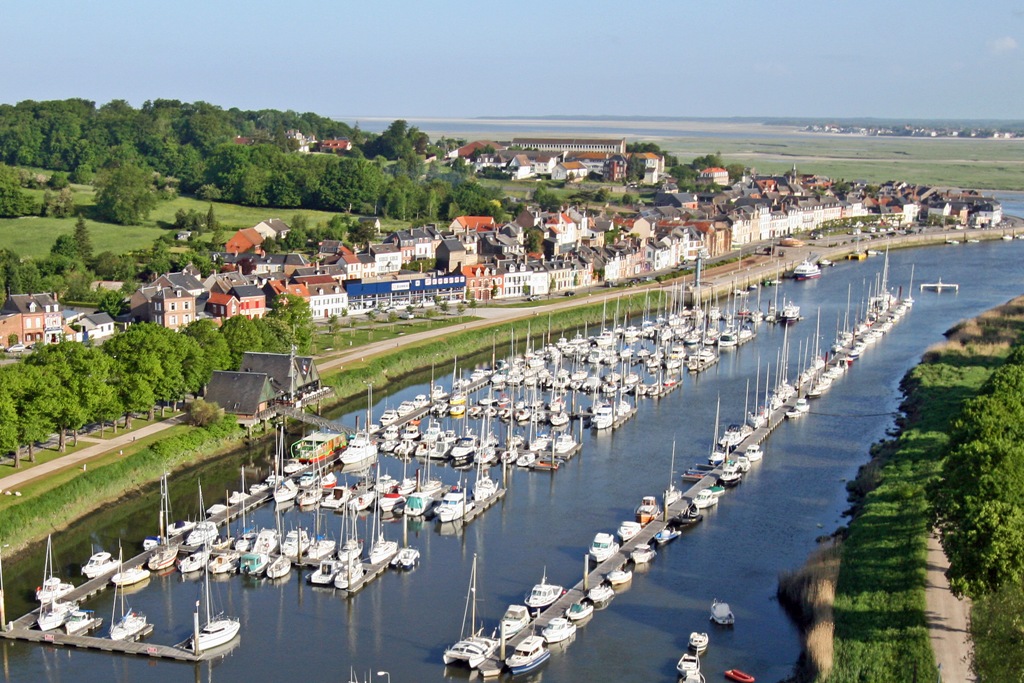
Tackling existing problems then requires finding resourceful answers. In Saint-Valery-Sur-Somme in the beautiful Somme estuary in northern France, where sports fishing is part of one of the popular leisure pursuits, the marina manager has sought to mitigate some of the harmful effects of the sport by organising trips where fishers are encouraged to change their habits and fish for more sustainable species. He also takes the time to carefully explain how to make use of the currents for the purpose of reducing fuel consumption.
Over in the Netherlands, family-owned Jachthaven Wetterwille, under the helm of managing director Mieke Vleugels CMM, was one of the first national sites to be awarded the Green Pennant for excellence in sustainability and corporate social responsibility.
Over the last three years they have planted a green roof on top of an existing showroom as a camping ground for visitors, equipping a studio with 80% vintage and salvaged goods. This summer, the marina will debut an educational programme against plastic in the water, starting with a big clean-up event timed to take place on the World Water Day (22nd March). “Staff will raise awareness about plastic debris in the water and its devastating effect on local fauna and flora. Recycling bags and fishnets will be handed out with each boat rental and kids – or adults – who return with a full bag of flotsam will get a free ice cream. Jachthaven Wetterwille firmly believes that small actions like these make a big difference and that marina, tenants and berth holders can work together for a cleaner and greener world.”
TransEurope Marinas discuss their individual initiatives, some of which tackle safety concerns; others which serve to inspire confidence out on the water. Members have been inspired by Jachthaven Waterlands’ and Penarth Marinas’ successful fundraising projects and also UK-based initiatives, where the national marine federation runs an excellent support programme via The Yacht Harbour Association (TYHA). There, the Royal Yachting Association (RYA) and TYHA’s Active Marina scheme encourages marinas to work with local RYA schools to promote berth-holders’ productive use of their boats. Examples include local cruises, enabling women or families to improve their boating skills in comfortable tailor-made classes, or introducing recreational sailors to the work of maritime control and rescue services in order to raise awareness about the importance of observing safety regulations and procedures. Reporting the success of these activities within the group has reinforced moves by other European members to connect with their local sailing schools and organise similar convivial and instructional activities in port.
The Green Blue is an environmental sustainability initiative that has been working with the UK recreational marine sector for the last 12 years, bridging the gap between marinas and berth-holders and carrying out free environmental audits for marinas; identifying legal compliance issues, energy reduction opportunities, improved waste management, utility monitoring, environmental management systems and berth-holder environmental education. Sustainability Officer Dan Reading described the project’s development:
“In the past decade, The Green Blue have found that the average boat owner is much more well informed about their impact on the environment as well as the potential impact that is indirectly linked to their vessel, including maintenance and wash down carried out by marina operators. This has led to numerous partnerships that not only have helped improve facilities but also reduce costs for marina operators.
From practical actions such as marking all the surface water drains in the marina to creating recycling signage, the environmental footprint of the marina sector in the UK has improved in the last ten years. There is still more work to be done and schemes such as Blue Flag and Gold Anchor Scheme have been successful in embedding environmental sustainability criteria in their awards which promotes and rewards the marinas efforts.”
Blue water sailors are generally recognised as having a special regard for their impact on their surroundings; they shop carefully to avoid extra packaging, live relatively minimally on board to optimise space and take care not to pollute the waters they sail in; mostly as a reaction to the ugly sight of floating debris and in appreciation of the cohesive dynamic of energies and resources that powers the boat and onboard systems and contributes to providing drinking water and food.
In this way, sailors make very special tourists. They seek to learn about the destination they are travelling to and tend to be respectful and curious visitors. It is clear that they take steps to research environmental cleaning products, sanitary items and other staples. They share energy-free food storage options and some contribute to citizen science projects that help build up data in otherwise inaccessible areas. As such they are suitably demanding customers and a great lead for marinas to follow in terms of marine stewardship.
International Blue Flag Director, Sophie Bachet Granados, offered this inspirational message:
“This year is a special one for Blue Flag International and we take the opportunity to look back on our achievements from the past 30 years. Many marinas have joined our network since 1987, including some from the TransEurope Marinas group. We have witnessed the development of great initiatives from hard-working marinas, which we are very proud of, and thankful for. Our international Blue Flag network enables us to share best practises globally, and we are currently investing in a tool which will also enable us to share with the public. We believe that international cooperation is a very powerful asset, and we encourage anyone, in or out of the Blue Flag network, to be proactive about environmental management and education.”
Source: TransEurope Marinas
Environmental beach management for protection of bathers and species in Slovenia
The main beach in Portoroz, a small modern tourist resort close to the Adriatic pearl, the city of Piran, is a sandy beach with the Blue flag. And its sea bottom host very interesting species “Pinna nobilis”, common name the noble pen shell or fan mussel, a large marine bivalve mollusk in the family Pinnidae, the pen shells.
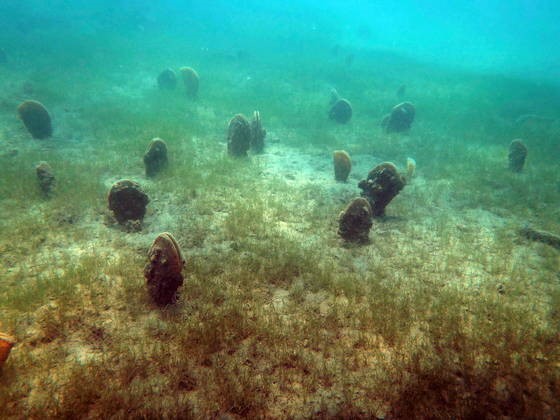
The main beach in Portoroz, a small modern tourist resort close to the Adriatic pearl, the city of Piran, is a sandy beach with the Blue flag. And its sea bottom host very interesting species “Pinna nobilis”, common name the noble pen shell or fan mussel, a large marine bivalve mollusk in the family Pinnidae, the pen shells. It reaches up to 120 cm (4 ft) of shell length. There are so many that they become attraction but sometimes also potential danger for beach users. On the other hand, Pinna nobilis has become threatened with extinction, due in part to fishing, incidental killing by trawling and anchoring, and the decline in seagrass fields.
The Blue Flag beach management team from the public company Okolje Piran did find a solution together with National Institute for conservancy of the Nature, first year as a pilot, later on as a regular annual activity, transplanting the shell from beach user’s area to outside perimeter of the beach bathing area. The activity is performed by the beach management team in collaboration with the local scuba divers club and surveyed by National Institute for conservancy of the Nature.
The first year 750 rare scallops “Pinna Nobilis” were moved from the beach bathing area (depth of 2 m) to more calm and deeper (4-6 m) part outside the bathing water area, approximately 200 meters away. National Institute for conservancy of the Nature is surveying the activity to guarantee that the tasks performed is fulfilling the goals of this activity. The results from previous years shows that the shell is normally adapting to the new home area.
30 years of Blue Flag in The Netherlands

In 1987, 1 marina at the Wadden Island of Terschelling and the beaches of Noordwijk, Wadden Island Ameland, Veere and Westenschouwen received the first Blue Flag as the Blue Flag campaign started that year in The Netherlands.
Now, 30 years later, these locations have still Blue Flag, 30 years after each other. But the program increased in the Netherlands to 182 locations. 122 marina's, 8 inland beaches and 52 beaches at the Dutch North Sea coast.
At 18 May the municipality of The Hague hosted the 30st launch of Blue Flag in The Nehterlands. Al the Blue Flags from 1987 to 2017 waved at the pooles on the beach (thanks to the Blue Flag collegues of Portugal). A lot of school children helped to open the 2017 Blue Flag season by digging in the sand of the beach. They found the largest Blue Flag of the world and spread this big flag out over the beach.
The Blue Flag certificates were reached out to the beach and marina managers at the Olympic Top Sailing Centre at the Yachtclub Scheveningen.
30 years of the Blue Flag programme in Slovenia
"As we all know climate change is a new challenge that brings global tourism more risks than opportunities, predicts regional, seasonal and product redistribution of tourist flows. Consumer behaviour is changing rapidly; tourists are increasingly looking for green, responsible place. The Blue Flag is a promotional tool by which we can influence these decisions of consumers."
"As we all know climate change is a new challenge that brings global tourism more risks than opportunities, predicts regional, seasonal and product redistribution of tourist flows. Consumer behaviour is changing rapidly; tourists are increasingly looking for green, responsible place. The Blue Flag is a promotional tool by which we can influence these decisions of consumers."
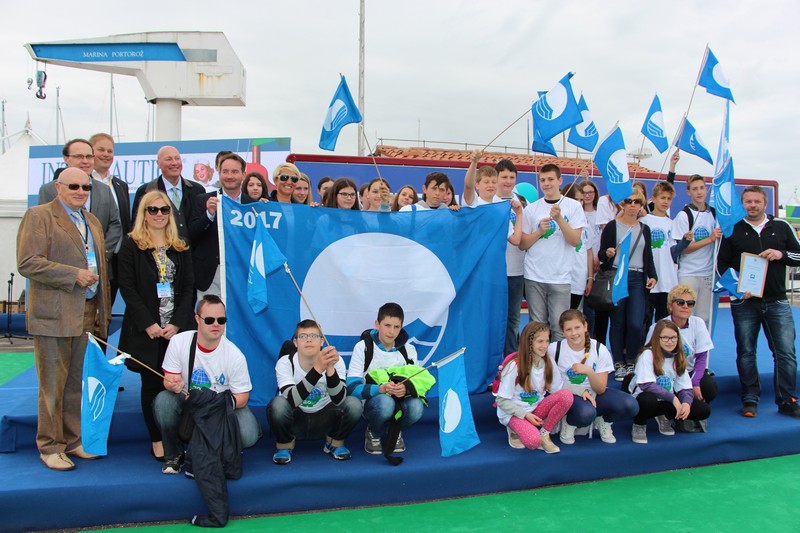
The Blue flag ceremony enriched by Slovenian Eco Schools
The International Jury of the Blue Flag decision based on the proposal of the Slovenian National Jury confirmed 15 Blue Flags for the year 2017. There is 47 countries and over 4,290 Blue Flags in the World taking part in the Blue Flag programme and the number increases from year to year due to the fact that the Blue Flag programme represents the added value for beaches, marinas and municipalities and also serves as a key performance indicator of the efficiency of tourist services and "green” or “eco” level of the destination.
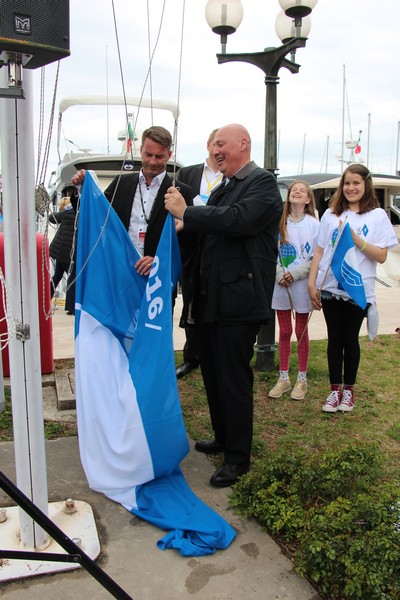
The 23rd Blue flag for Marina Portorož was raised by Mr. Roberto Perocchio, Chairman of ICOMIA Marina Group, and Mr. Sebastjan Selan, Director of Marina Portorož
On this year’s International Boat Show INTERNAUTICA Društvo DOVES-FEE Slovenia did have a booth promoting all the association’s programs.
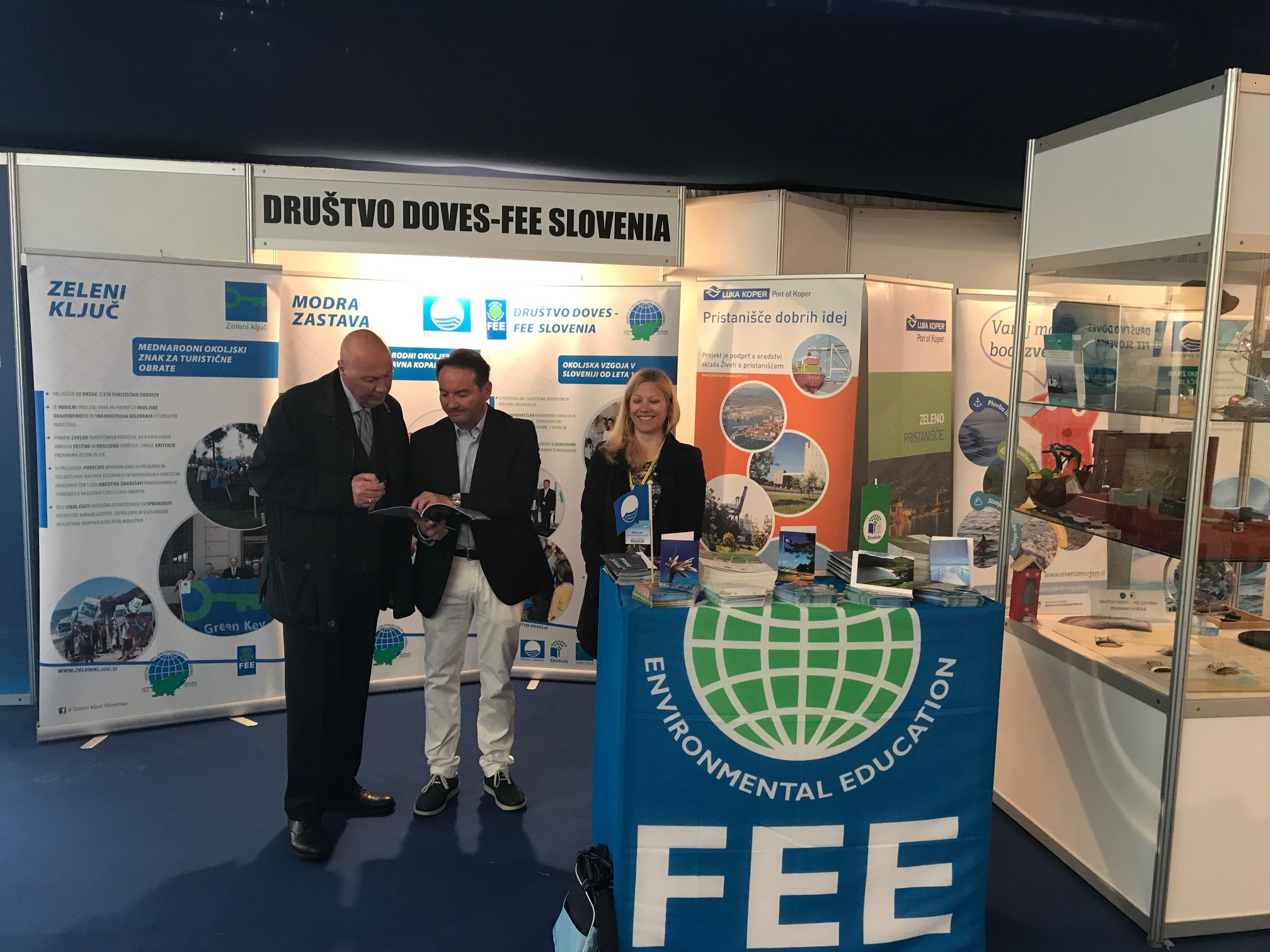
Društvo DOVES-FEE Slovenia's boot at Internautica Boat Show 2017 and Mr. Roberto Perocchio, Chairman of ICOMIA Marina Group, Mr. Fiorenzo Lupieri, President of Društvo DOVES-FEE Slovenia and Milena Lukić, National Green Key operator
We were present also on the neighbouring boot of Maritime Administration of the Republic of Slovenia presenting the project “Protect the sea, be a star!” (URL: https://www.youtube.com/watch?v=Ppdq0Pm9ofw and http://zivetizmorjem.si/wp-content/uploads/2016/11/brosura_zivetizmorjem_8_web_koncna_tisk.pdf and http://zivetizmorjem.si/wp-content/uploads/2016/11/zvezde_otroci_predogled_4_popravkitekstov.pdf ) started in the year 2016 and done together with Slovenian public agencies involved in the coastal, sea and beach management and NGO Morigenos. The project “Protect the sea, be a star!” was also nominated from the Internautica Boat Show Jury within the “Adriatic Boat of the Year Award” as the best environmental project of the Year 2017.
On the Internautica Boat Show opening we did a Blue flag award ceremony combined with the 30th Anniversary of the Blue flag program. The ceremony and raise of the 23th Blue flag in Marina Portorož did actively involve also Mr. Roberto Perocchio, Chairman of ICOMIA Marina Group. Mr. Perocchio is probably well known in the FEE family due to the fact that he served as an International Blue flag Jury member for several years. The program itself was supported with students from four Slovenian Eco schools: Elementary school Dragomelj, Elementary school Domžale, Elementary school Marije Vere, Elementary school Roje.

23rd Slovenian Blue Flag Ceremony, Internautica Boat Show 2017
And last but not least, we did also issued a e-handbook for Blue flag beaches and marinas managers (URL: http://www.modrazastava.si/attachments/article/9/PrirocnikMZ2017.pdf) and each awarded Blue flag site did receive one copy.
Copyright: Dunja Dolinšek & Boris Šušmak, Društvo DOVES-FEE Slovenia
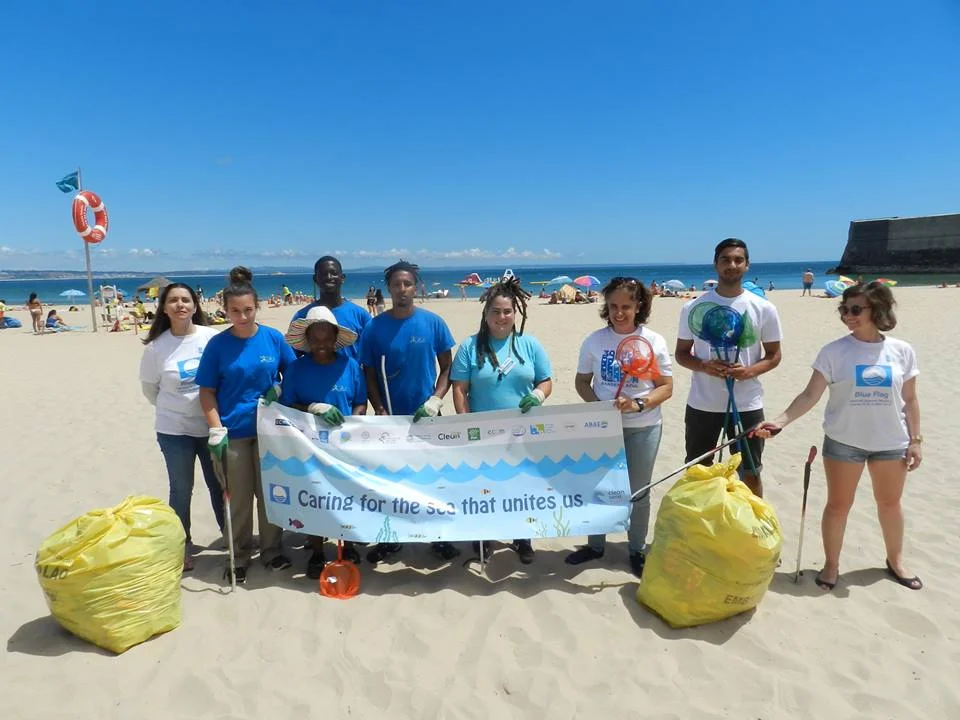
The Blue Flag Mediterranean week: Caring for the sea that unites us
Cross Mediterranean countries Blue Flag Beach cleanups week under the international "clean seas" to start between 3-10 July.
13 countries around the Mediterranean are involved in an international campaign for protecting the marine environment "The Blue Flag Mediterranean week".
In the first week of July, beach clean ups will be organized in order to raise awareness in the public for protecting the shore and the marine environment. The initiative started from the idea that environment have no boundaries and the litter that thrown in one side of the Mediterranean will easily reach the other side. The organizations joined the clean up under the slogan "Caring for the sea that unite us"
Stay up to date and check your social networks #BlueFlagMedWeek
"Sun Eco" service station in Lithuania
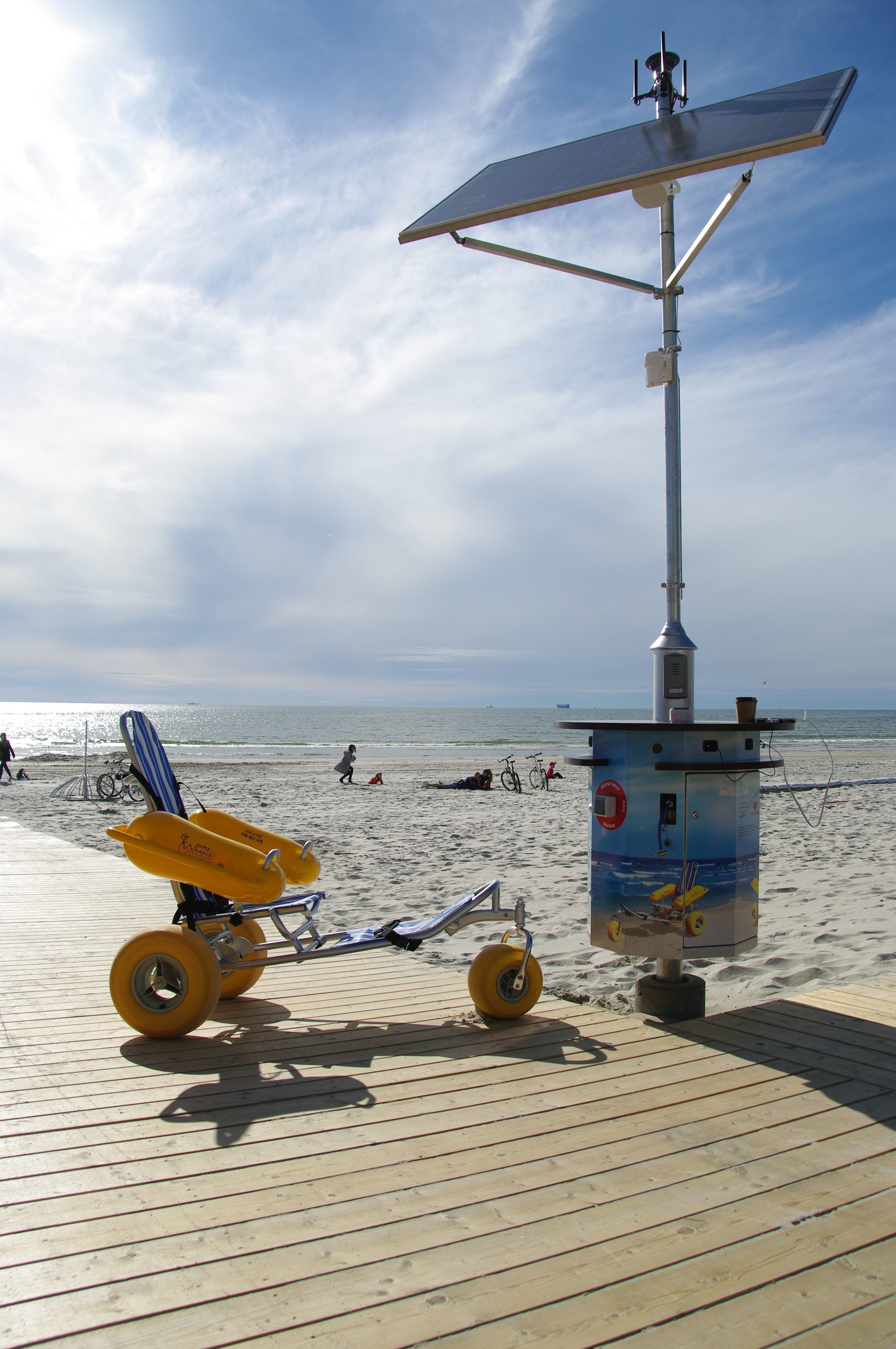
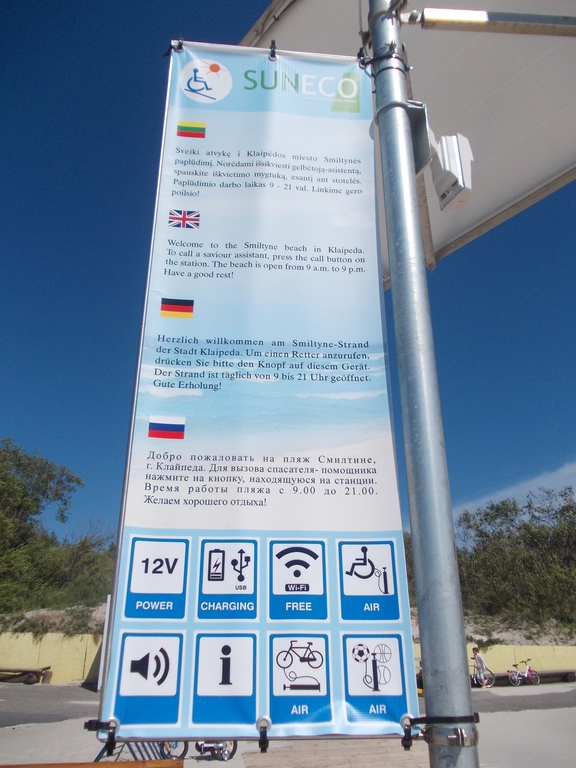
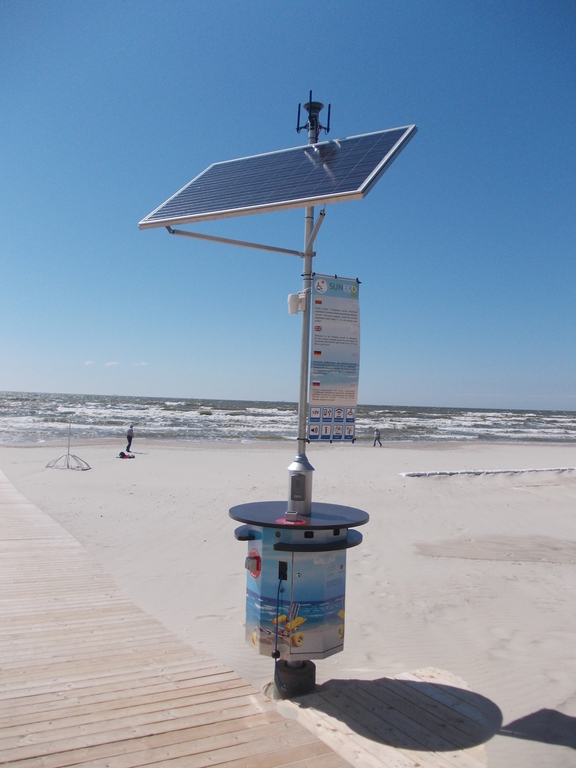
In the beginning of the bathing season an „Sun Eco" public service station was installed at the 1st Smiltyne beach (Klaipeda region). "Sun Eco“- is a multifunctional mobile device, which uses solar energy. The following facilities of the station are provided to the beach visitors:
* air compressor for pumping bikes tires and a fan to inflate water toys, water mattresses, game balls;
* charging facility for mobile devices as phones, computers, GPS devices;
* free Wi-Fi internet access;
* "Call“ button for disabled people, to invite a lifeguard for assistance.
"Sun Eco“ station can be adapted according to the season. The station can be used on the beaches, various popular touristic places, parks, for example, it can be installed during winter time as well, on a sledge on the frozen water pond. If climate conditions allow, station with wind power plant can be also used.
30 years of the Blue Flag programme in Denmark
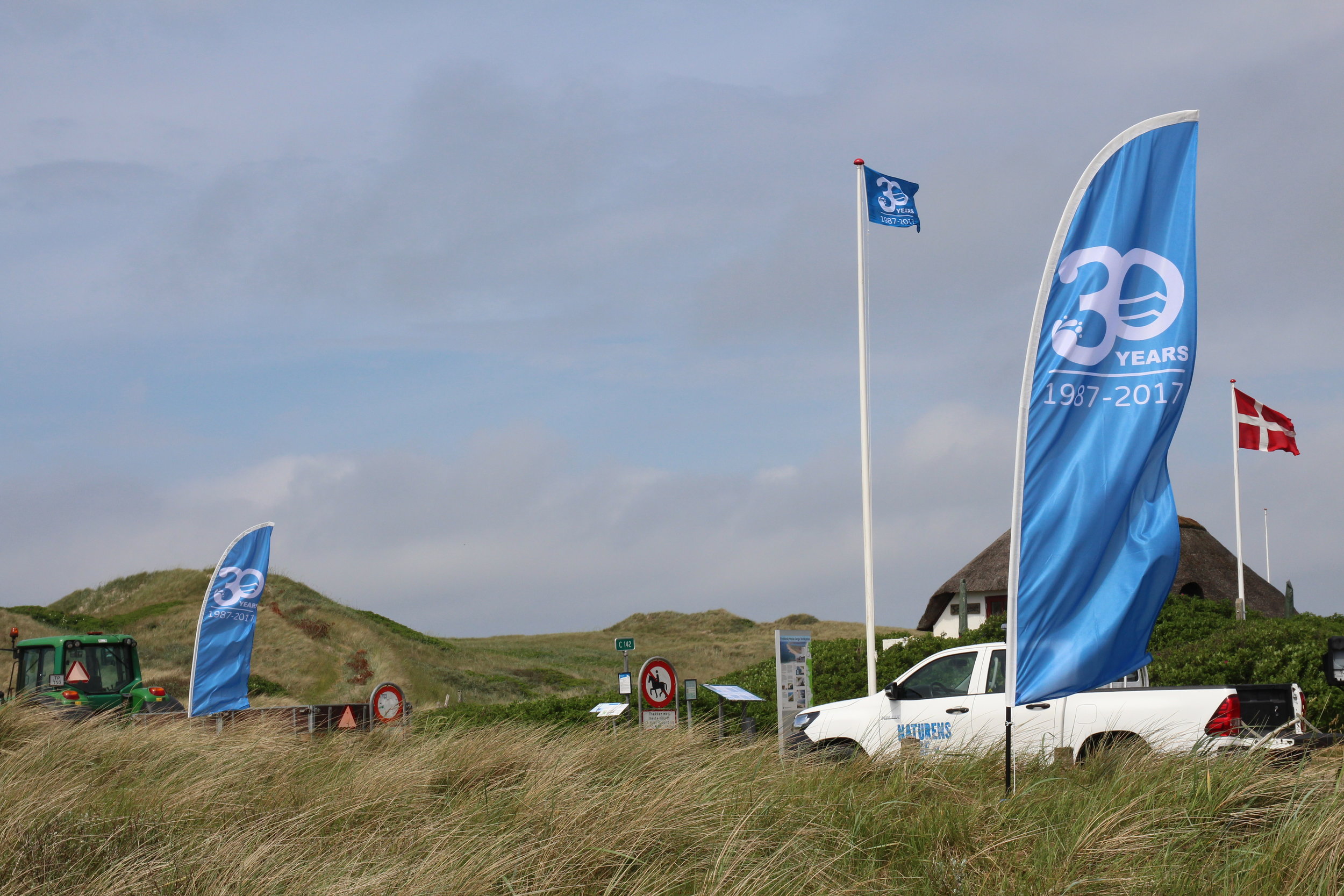
The Danish Outdoor Council hoisted the first Blue Flags in Denmark in the year of 1987. A total of 19 beaches were awarded that year. Out of the 19 beaches, one beach has managed to hoist the Blue Flag for 30 consecutive years. The beach is called Vedersø Klit and is situated in a dune landscape at the Danish Westcoast in Ringkoebing-Skjern Municipality. Maintaining the Blue Flag standard for 30 consecutive years is an outstanding achievement that called for a celebration on site.
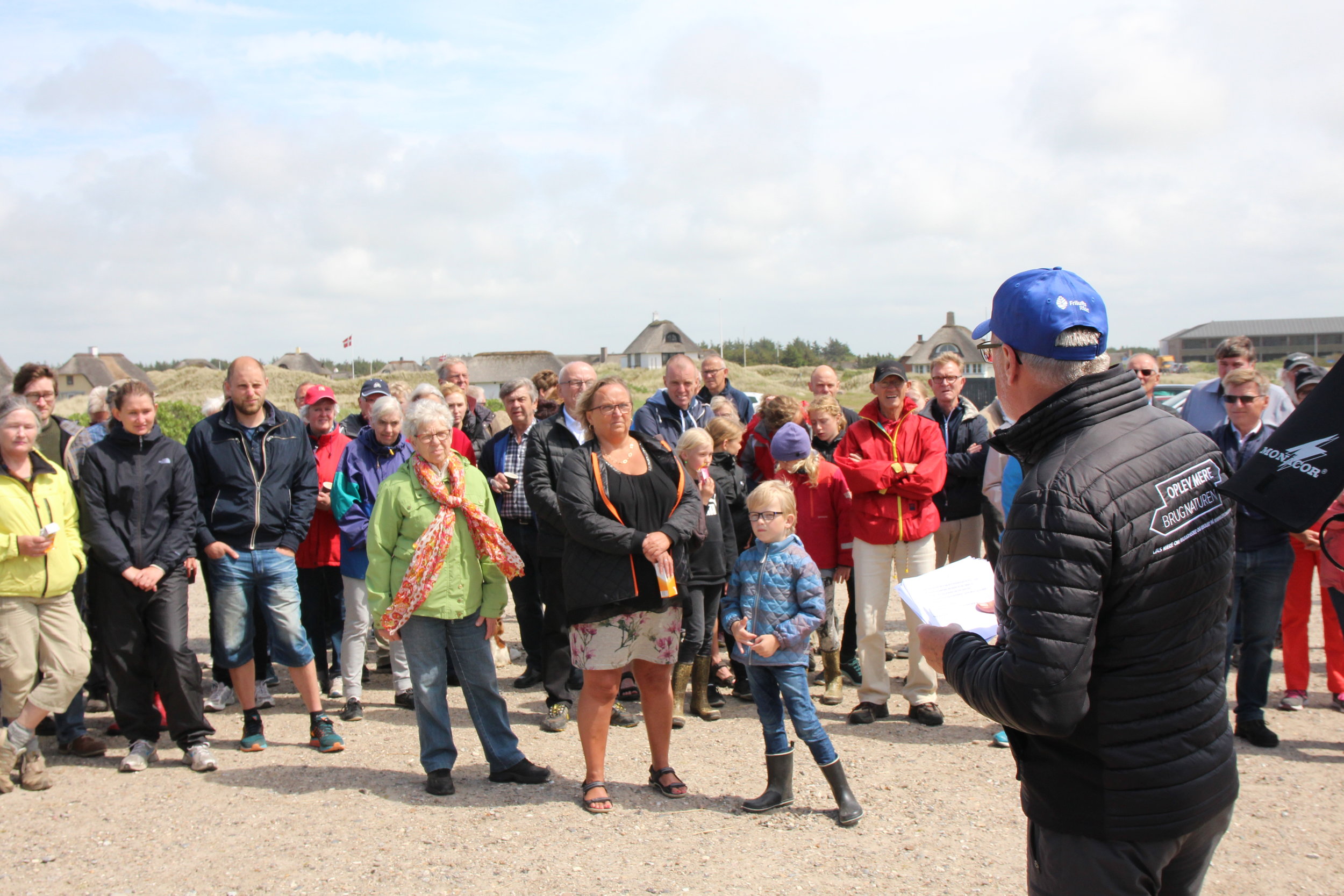
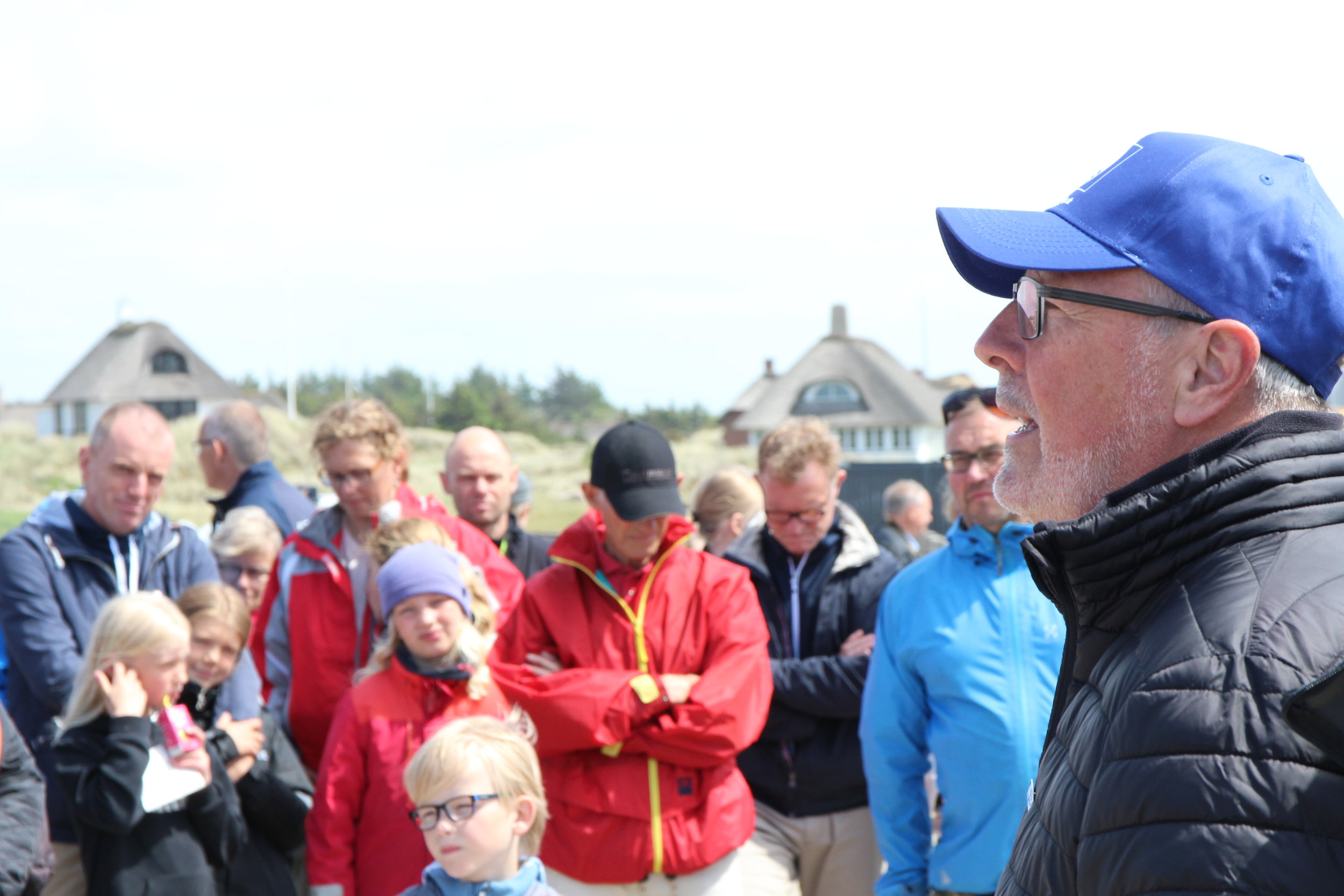
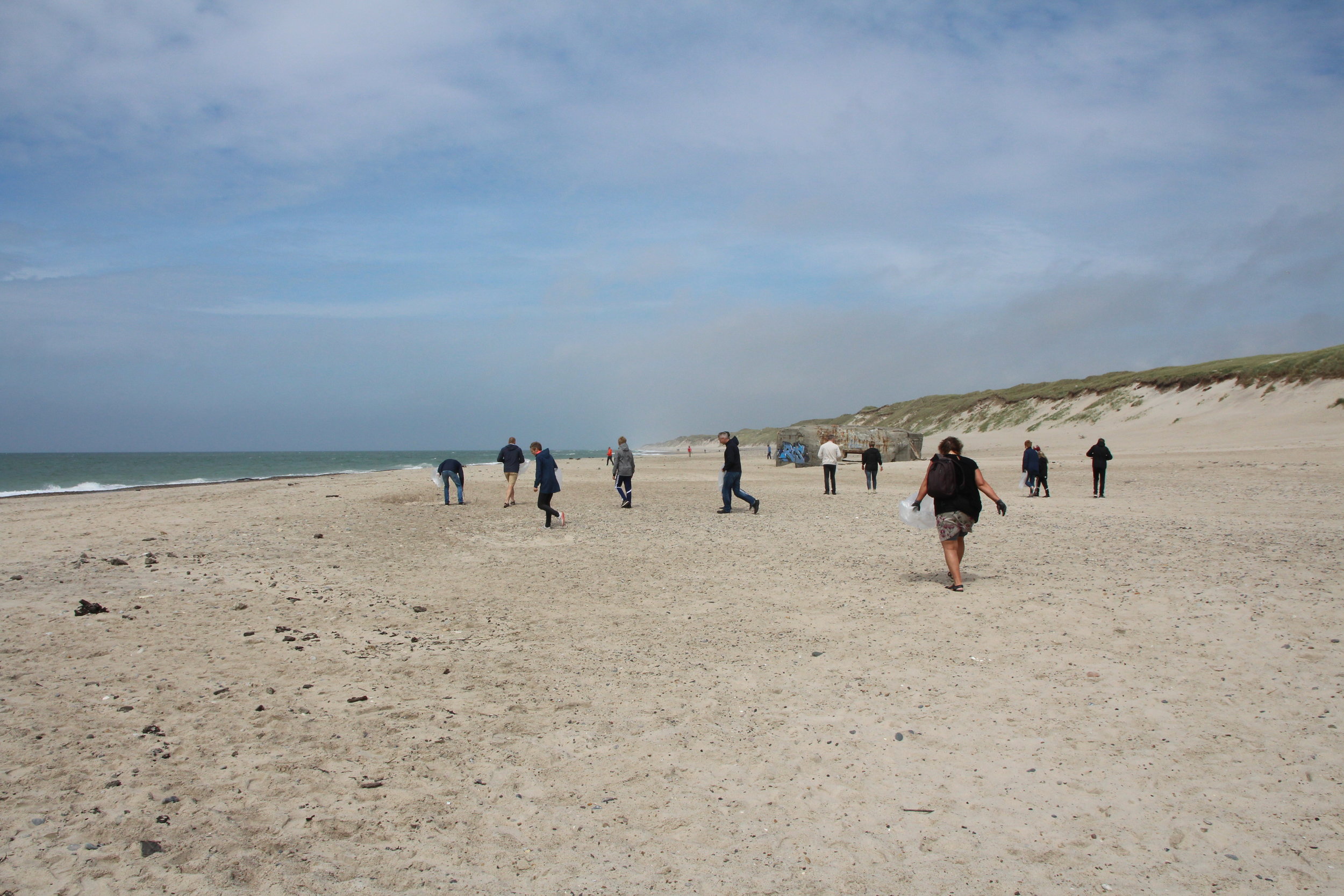
On June 5th The Danish Outdoor Council and Ringkoebing-Skjern municipality had a 30 year Blue Flag celebration on the beach with speaches from the chairman of the Danish Outdoor Council and the chairman of the environmental board of the municipality. The 30 year anniversary flag was hoisted to start the event. Two nature guides conducted different environmental educational activities through out the event and local outdoor organizations had information about coastal recreational activities. The Blue Flag was hoisted and saluted by 8 black powder cannons. The last part of the event consisted of liter picking on the beach with food and something to drink for the litter pickers after a job well done.
Vedersø Klit is also one of the pilot beaches that has tested the sea bin idea this winter, and the idea has worked really well. The municipality has now decided to implement seabins at all their beaches. Thanks to Netherlands and France for the inspiration!
PRESS RELEASE: Blue Flag and World Cetacean Alliance become official partners
In February 2017, the Foundation for Environmental Education and the World Cetacean Alliance have mutually recognised their work and respective fields of expertise by signing a Memorandum of Understanding.


The Foundation for Environmental Education and the World Cetacean Alliance have mutually recognised their work and respective fields of expertise by signing a Memorandum of Understanding.
Over the last four years, Blue Flag has worked on the expansion of its award to include sustainable boating tour operators in their activities such as diving, fishing, nature watching, bird watching, whale watching, etc. In doing so, Blue Flag started to work with various stakeholders that have an important role to play in the world of eco-tourism boats.
The World Cetacean Alliance is the world’s largest Partnership working to protect whales, dolphins and porpoises (cetaceans). Through cooperation, the Partners of the World Cetacean Alliance aim to conserve and protect cetaceans and their habitats in the world’s oceans, seas and rivers, to ensure their continued health and survival.
As such, the World Cetacean Alliance quickly became a vital partner for the establishment of the criteria to award the Blue Flag to cetacean watching eco-tourism boats.
The World Cetacean Alliance has launched in 2016 the Whale Heritage Site, an accreditation to recognize the best global destinations for whale and dolphin watching. Blue Flag’s new award for whale and dolphin watching boats is a complementary scheme that helps the regions reach their goals.
Both organisations will be working hand in hand to further the work and achieve sustainability within the cetacean-watching industry.
“We applauded Blue Flag's recent move to begin awarding sustainable boating tour operators in their activities, including whale watching, diving, fishing, and other wildlife experiences. Now, through our partners, we are pleased to be able to advise on the whale watching aspect of this excellent and rigorous accreditation” says Dylan Walker, World Cetacean Alliance CEO, “We are also very grateful for all of the help and advice that we have received from Blue Flag for our Whale Heritage Sites initiative. I see great opportunities ahead for the WCA and Blue Flag as we continue to collaborate to ensure that coastal and marine tourism adopts a sustainable approach to championing marine wildlife!”
“It is with great pride that we partner with the World Cetacean Alliance, as they share our vision about responsible whale and dolphin watching. In a world where cetacean watching tourism is growing, it could become a pressure on the populations. It is very important to encourage sustainability, education and safety through these activities. I see many synergies between our two organisations and I know that this collaboration will be an important one for Blue Flag, but also for the Foundation for Environmental Education’s other programmes”, says Sophie Bachet Granados, International Blue Flag Director.
More about the World Cetacean Alliance : worldcetaceanalliance.org
More about the Whale Heritage Sites: whaleheritagesites.org
25 years of whale watching in Iceland

A couple of months ago, WDC (Whale and Dolphin Conservation) was delighted to host a packed event commemorating 25 years of whale watching in Iceland. The event was held at the Whales of Iceland exhibition in Reykjavik’s Old Harbour area, where, surrounded by lifesize models of the 23 species of whale and dolphin found in Iceland’s waters, guests from Iceland’s whale watching, research, conservation and tourism communities were welcomed by Ásbjörn Björgvinsson, long-time friend of WDC and the man who had the vision and the belief to help pioneering the concept of whale watching in Icelandic waters, back in the 1990s. Ásbjörn recalled the ridicule that greeted him and others when the idea was first mooted, but those early discussions and occasional trips led to a seminal workshop in 1995, organized by WDC, that led to the explosive growth in whale watching that has continued to this day.
Erich Hoyt, WDC Research Fellow and head of WDC’s Homes for Whales campaign, who helped leading that early workshop, then took the floor. Erich reminded the audience that the high quality of whale watching in Iceland over the past couple of decades has delivered many benefits, including research and education about Icelandic whales that reaches, currently 272,000 people a year, according to IceWhale, Iceland’s whale watching association. Erich reported that, since 2010, Icelandic whale watching is believed to have grown faster than anywhere else in the world, a rate of 20% average annual growth rate. An astonishing 1 in 5 tourists to Iceland now go whale watching. Several areas of Iceland, including Husavik, Grundarfjordur and Akureyri in the North and Reykjavik’s Old Harbour have literally been transformed by whale watching and associated businesses. But with success, of course, comes responsibility. Erich outlined the challenges for the future and introduced the concept of securing marine protected areas or reserves to protect “the stars of the show” that the whales have clearly become, in the hearts and minds of a growing number of Icelanders.
Erich’s talk was followed by a lively panel discussion, led by Ásbjörn. Experts included Rannveig Grétarsdóttir of Elding/Whale Watching Akureyri; Magnús Kr. Guðmundsson of Special Tours, representing the whale watch community; Guðmundur Ingi Guðbrandsson of Landvernd, the Icelandic Environment Association; and University of Iceland researchers, Marianne Rasmussen and Edda Elísabet Magnúsdóttir. Erich’s suggestion for a “Great Barrier Reef” approach to branding tourism, protecting the whales and their habitats, and linking land and sea was endorsed and amplified by everyone on the panel.
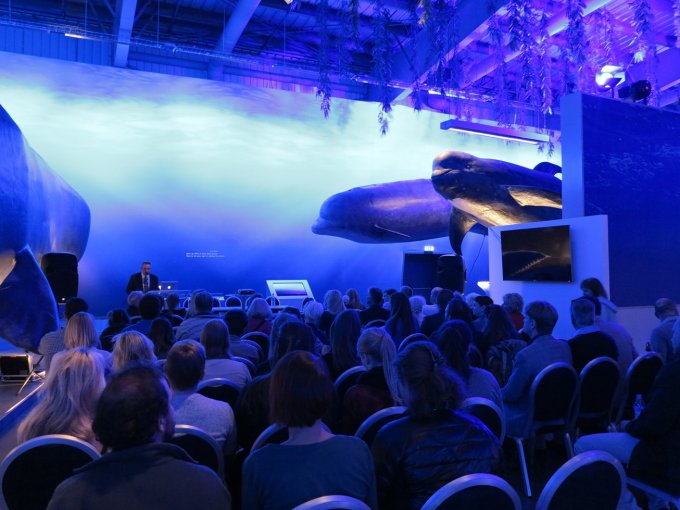
The evening was rounded off by the presentation, by Landvernd’s Salome Hallfreðsdóttir, of Blue Flag awards to four qualifying whale watch companies: Ambassador, Elding, Special Tours and Whale Safari. This was, quite literally, a flagship event marking the first operators to be accredited under this scheme anywhere in the world!
The evening celebration brought together friends and colleagues working for whales and their conservation across Iceland and beyond. Best of all, the evening delivered firm support for ongoing collaborations to push forward the ideas and initiatives discussed during the evening. There was passion in the room - we all got the feeling that a touchpaper has been lit – our job now is to keep up the momentum!
Our thanks and appreciation to our hosts at the Whales of Iceland exhibition and to all our guests for being part of this wonderful, energetic movement.
Research on the endangered Humpback Dolphin by South African Blue Flag boat Dream Catcher

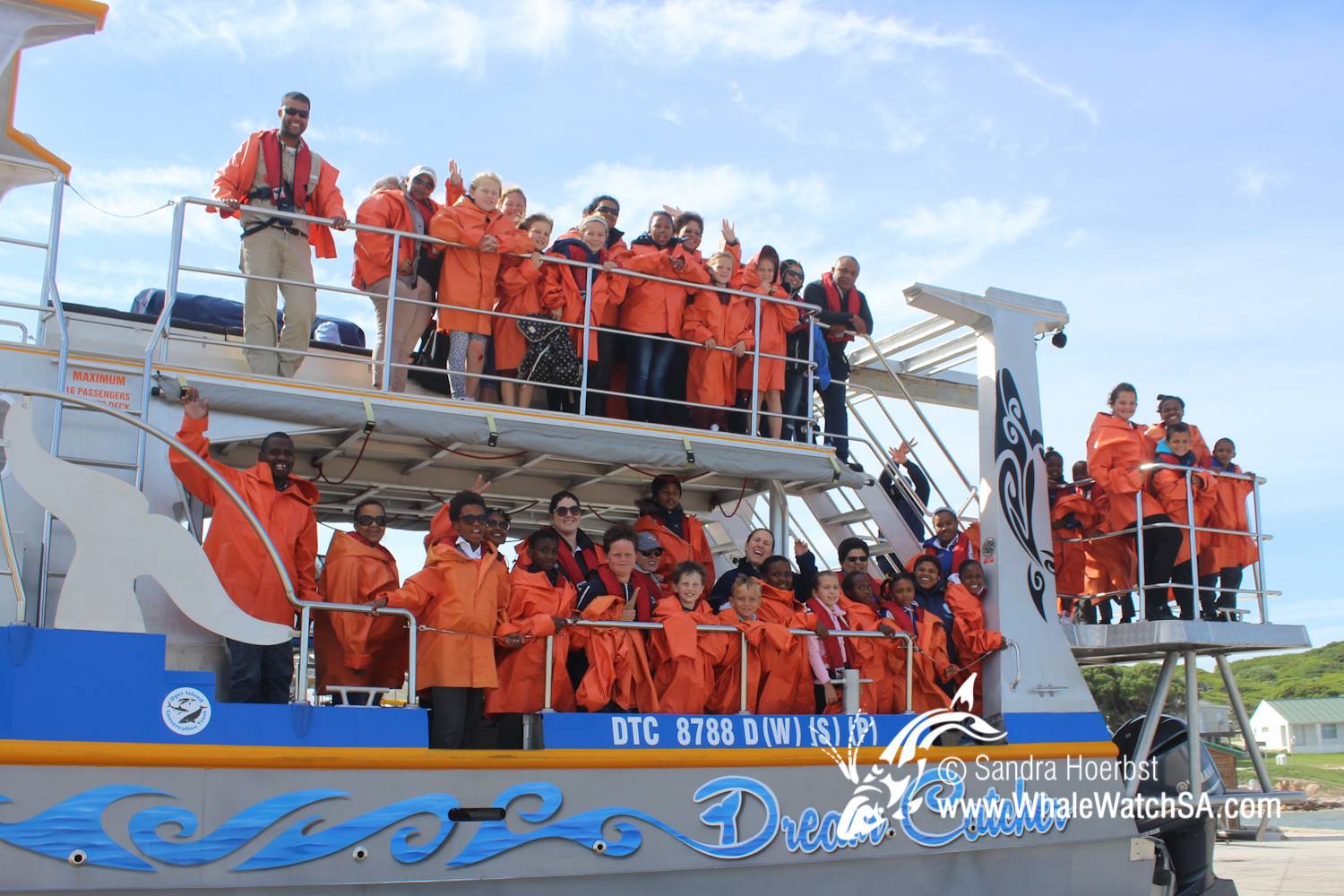
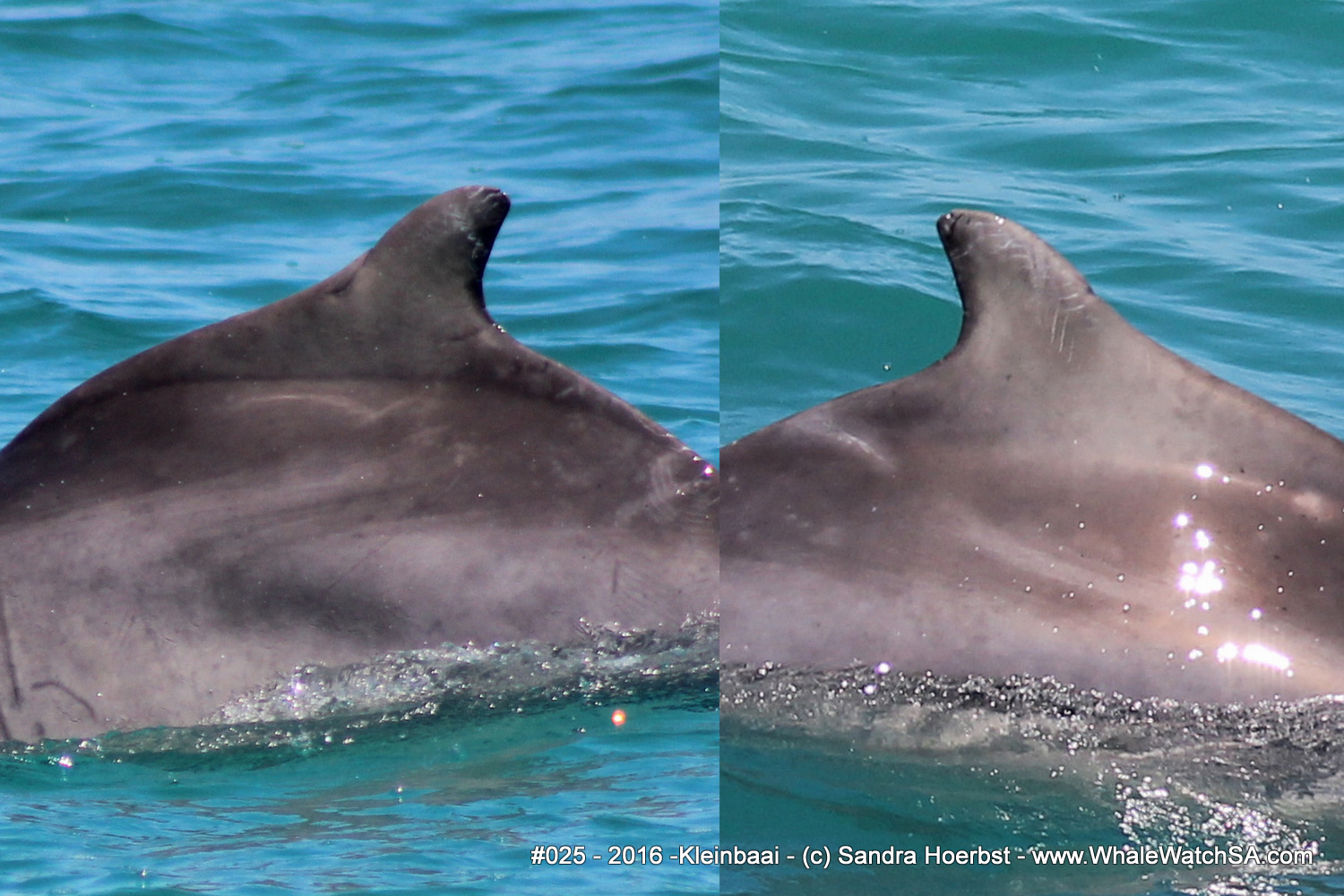
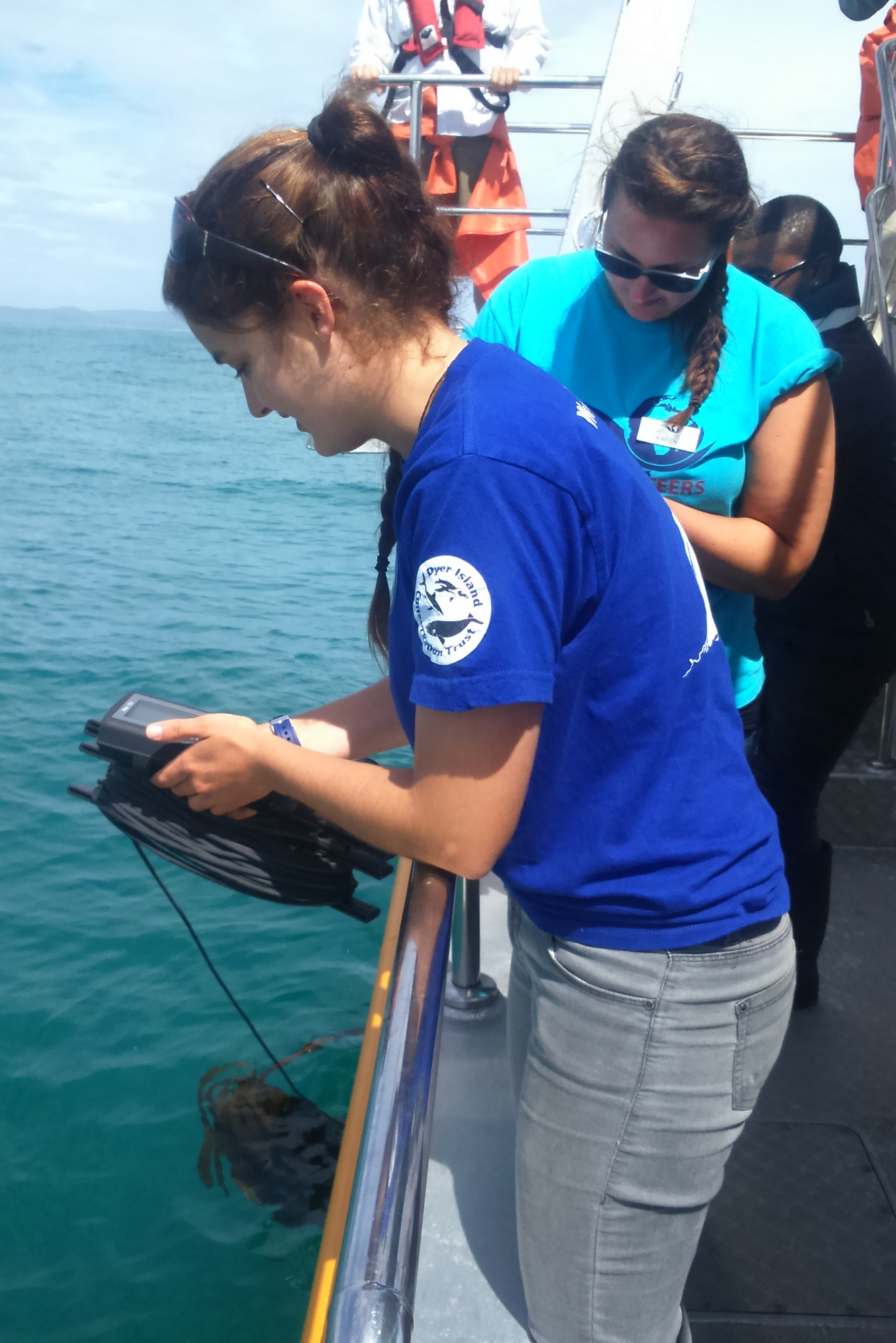
The Indian Ocean humpback dolphin (Sousa plumbea) is classified as endangered, but recent evidence suggests that they may even be critically endangered. This specie inhabits waters that are shallow and as a result often interacts with humans and their activities in the coastal zone, for example coastal development, pollution, high speed water craft etc. The recent establishment of a collaboration between humpback dolphin researchers all along the coast of South Africa has resulted in the first comparative analysis of photo ID’s across the entire range of this specie in South Africa. Initial results show that this species is in need of much more monitoring and that the numbers are much lower than originally thought. The Sustainable Tourism Boat Operator Dream Catcher, collects photo ID’s, group sizes, behavioral data, water salinity and temperature while out on trips and have recently started a dedicated research project on these dolphins. The boat operator has already identified 28 individuals in the operating area showing the prominence of this area for this particular species.
Common dolphins, sperm whales and many more by Spanish Blue Flag Boat Starfish Dos
Starfish Dos from Costa Sol Cruceros was firstly awarded in 2016 with the Blue Flag for sustainable boating tourism operator, but it has been committed to the environment for a long time up to now.
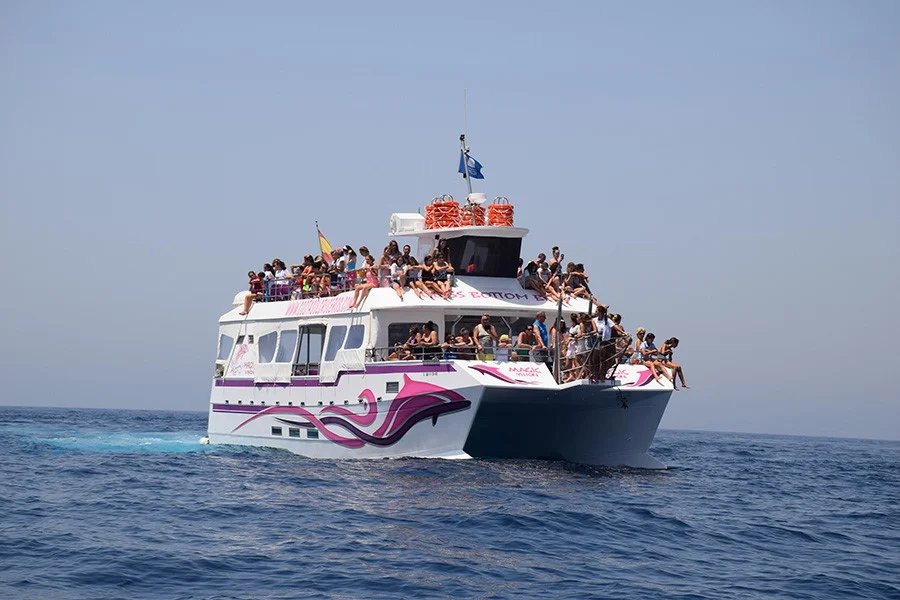
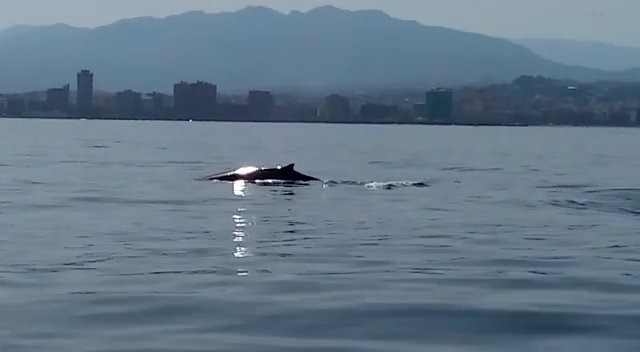
Starfish Dos from Costa Sol Cruceros was firstly awarded in 2016 with the Blue Flag for sustainable boating tourism operator, but it has been committed to the environment for a long time up to now. Based in Benalmadena marina, their excursions get tourist to know the Alboran sea, a protected area of great ecological value as it is an ecotone between the Mediterranean and the Atlantic sea. For 2017, on top of whale and dolphin watching activities, their environmental education actions have focused on marine waste.
Common dolphins, bottlenose dolphins, sperm whales, killer whales and fin whales, can be seen during their excursions. This summer a thresher shark was seen which is very rare as it lives in the deep of the ocean.
“The Blue Flag has been very important for us as it illustrates the commitment of public bodies and companies with sustainable development and in our case, gives an added value to the marine environment of the coast of Malaga.” States the President of Costa Sol Cruceros.