
Paris Nautic show & COP21
Blue Flag International was at the Nautic show in Paris, to network with existing and potential new partners...
Blue Flag International was at the Nautic show in Paris, to network with existing and potential new partners, as the criteria for sustainable boating tourism operators are being launched very soon in 2016. Meanwhile, the Foundation for Environmental Education was participating in COP21 conferences, discussing climate change as part of the curriculum.

Picture Le Telegramme: Jean-Michel Gaigné, Blue Flag International jury member representing ICOMIA, met with Sophie Bachet Granados, Blue Flag International Director and Daniel Schaffer, FEE CEO.
Source: article in french here

Blue Flag part of the OPERAs userboard
Blue Flag International has been taking part in the OPERAs project in the past three years, and provides a user point of view towards marine environment and environmental education.
The OPERAs project, funded by the EU, is about moving away from what is fundamentally an academic concept (ecosystem services) towards practice. To this end the project brings together science, policy and practice communities through the development of tools, methods, instruments, data, best practice guidelines, examples, training, educational materials, services, events and other means. Complementing this, the OPERAs project is testing the different approaches in defined areas. Most importantly, all of this should be developed together with, and for a community of practice.
Blue Flag International has been taking part in the OPERAs project in the past three years, and provides a user point of view towards marine environment and environmental education. This year, Johann Durand, Blue Flag International Assistant, attended the third OPERAs userboard meeting in Edinburgh, Scotland, to bring Blue Flag's expertise to the userboard.
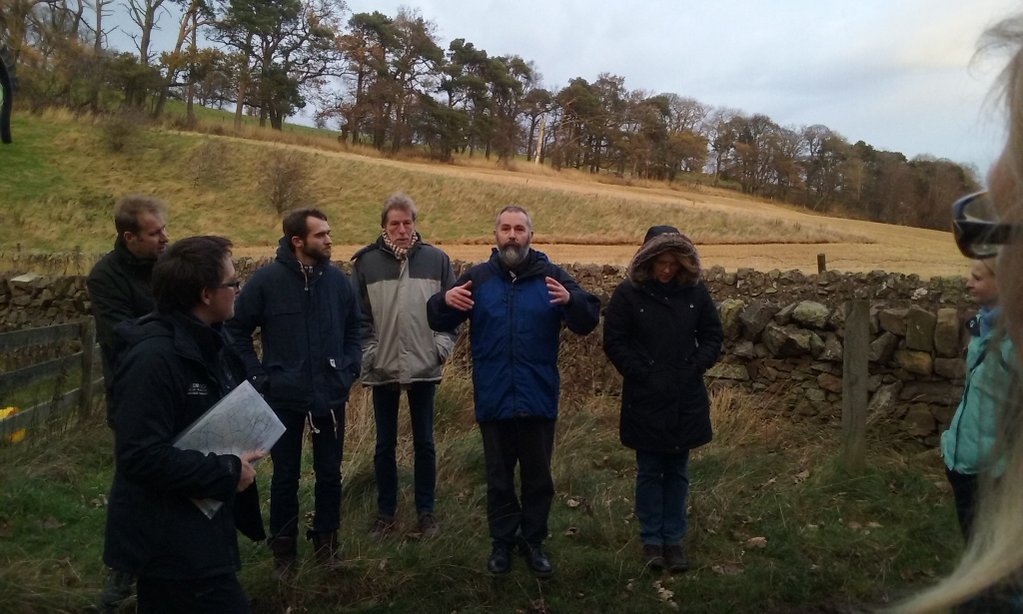
Picture Credit: Caterina Amengual
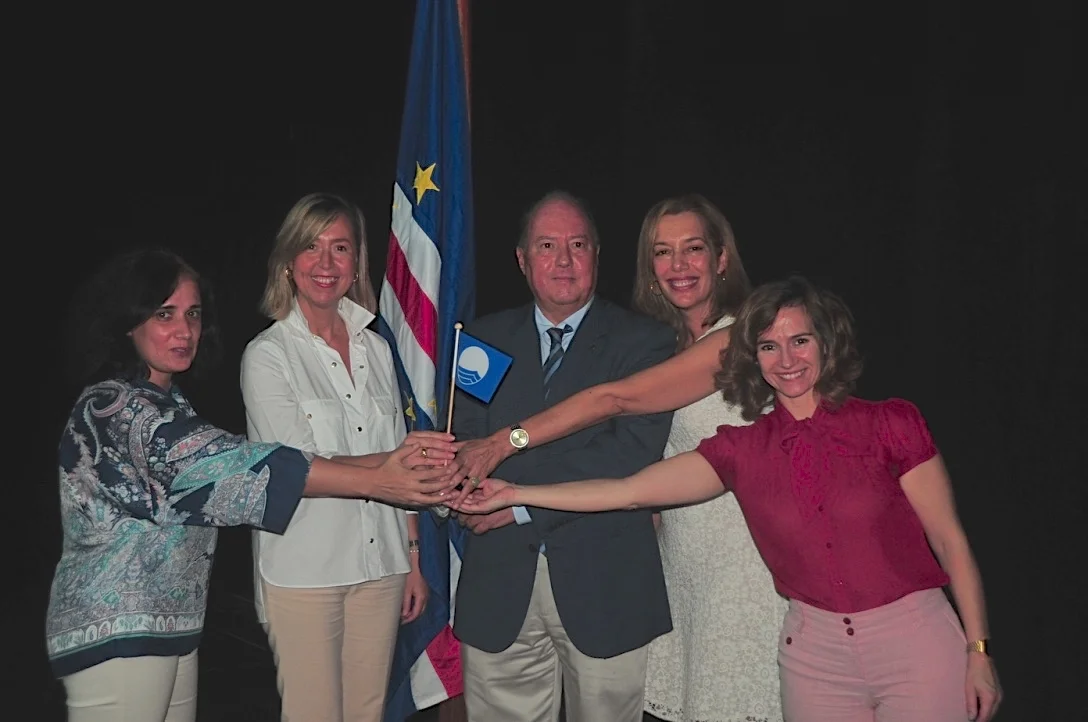
Blue Flag seminars in Cabo Verde
In November, Catarina Goncalves and Fatima Viera from ABAE, the FEE national organisation in Portugal, presented, on behalf of Blue Flag International, the Foundation for Environmental Education and the Blue Flag programme at several seminars in Cabo Verde!
The School of Health and Social Services of the Canary Islands (known as ESSSCAN in Spanish), the Civil Protection National Service of Cape Verde (SNPC) and the Chamber of Tourism of Cape Verde, have been developing joint actions in both regions since 2011, as part of the Transnational Cooperation project known as Euro-African Network of Health Emergency - REACT.
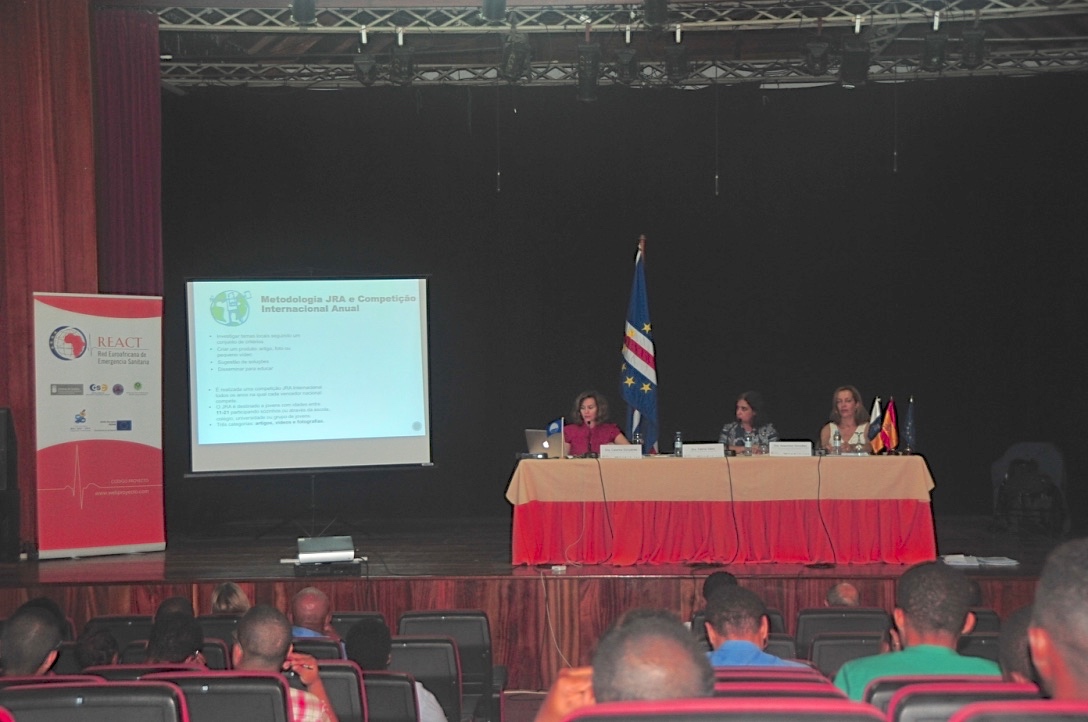
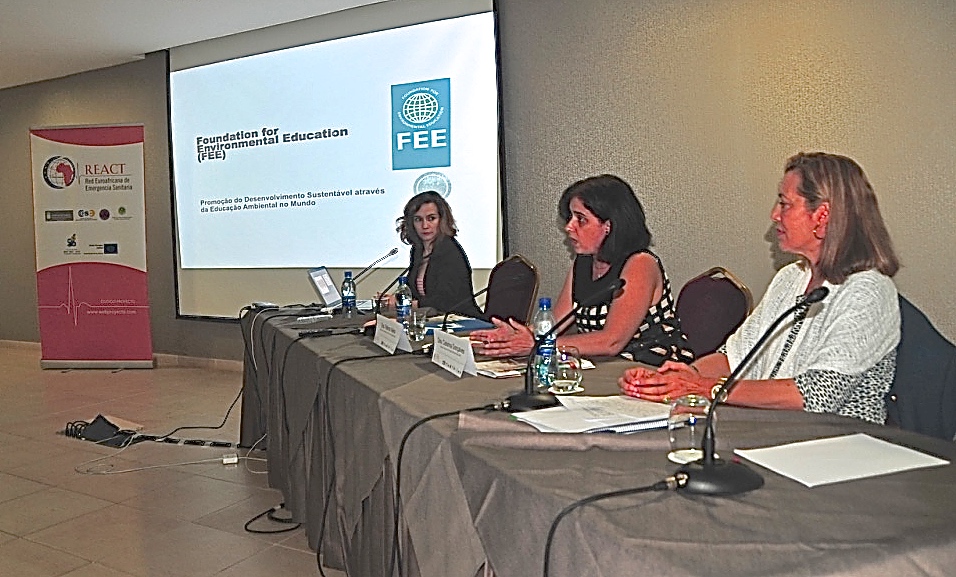
This project aims to increase the efficiency of the health care workers, improve the substandard health conditions and the access to health quality systems, to create spaces for the exchange of experiences and to develop a prevention transnational programme, as well as to contribute actively to actions that foster the security of the tourist destination. During the last four work years, they have reached the conclusion that the Security and the Quality are fundamental pillars where they have to continue working in, in Cape Verde, specifically in the islands with an important flow of tourists, as is the case of the Isla de Sal and Saõ Vicente, in order to promote the sustainable development of the coastlines.
In this sense, they consider the implementation of the Blue Flag raises the sustainable development in these areas, through the requirement of high standards in the quality of the bathing water, the security, the environmental and information management and the education for the sustainability.
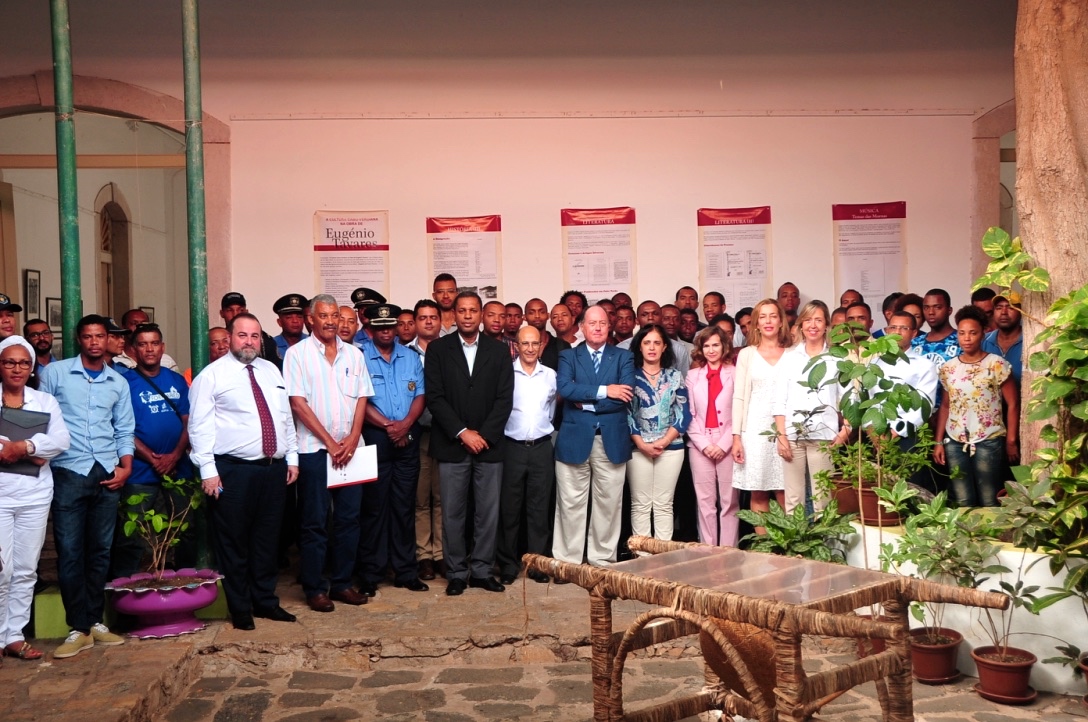
From the School of Health and Social Services of the Canary Islands, Blue Flag International has beeb invited to participate in two activities taking place in Cabo Verde from the 10th to the 17th of November, last month. During those days, they offered to give two talks aimed at the municipal authorities from Cape Verde, managers from the tourist sector, healthcare technicians, among others, in order to get to understand the importance of keeping Quality and Security standards in their beaches, and which are de procedures that should be taken to get the Blue Flag there.
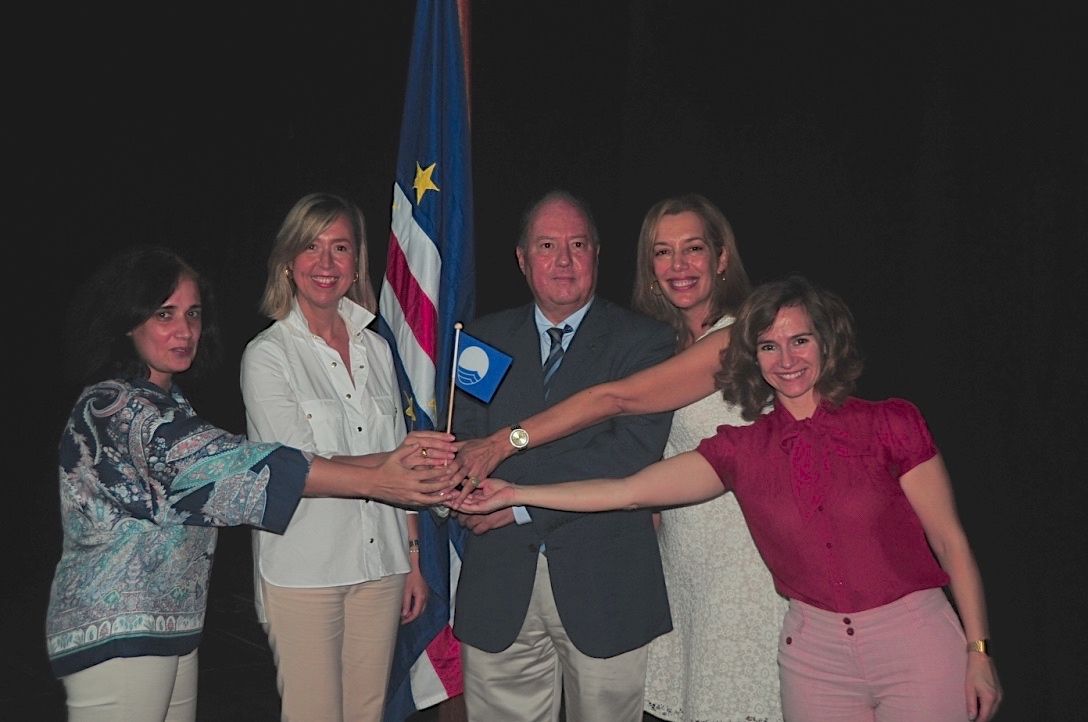
Catarina Goncalves and Fatima Viera from ABAE, the FEE national organisation in Portugal, presented, on behalf of Blue Flag International, the Foundation for Environmental Education and the Blue Flag programme at several seminars in Cabo Verde!
We are thrilled to know that the interest towards the FEE programmes and especially Blue Flag programme is rising there.
We gladly thank our two colleagues for their great involvement during a busy month in Portugal and of course all the stakeholders involved in Cabo Verde (The Office for the Tourism of Cabo Verde, Civil Protection National Service, Regional Directorate for Tourism and Maritime Agency,...).
We wish the best to the organisations in Cabo Verde and we will keep working closely with them to hopefully enter in a process of welcoming Cabo Verde within the FEE countries in a near future!
Blue Flag at the World Cetacean Alliance conference
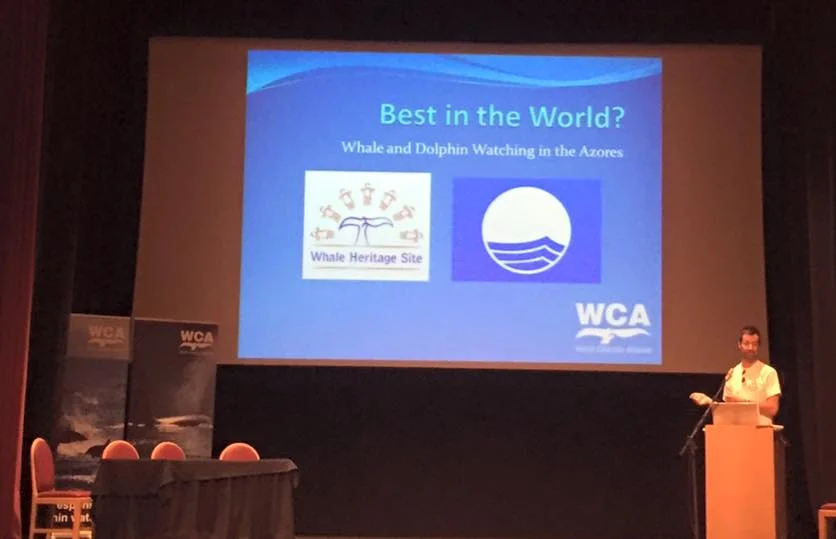
Blue Flag International was invited by World Cetacean Alliance (WCA) to present its programme.
Blue Flag International was invited by World Cetacean Alliance (WCA) to present its programme, namely the new criteria for sustainable boating tourism operators, at its annual conference, in the Azores. Following the conference was a workshop about maintaining the highest standards of responsible whale and dolphin watching, which is an important mission for WCA and Blue Flag.
We wish to thank WCA for inviting us to the conference, as well as ADEAC, the Spanish Blue Flag National Operator for attending on behalf of Blue Flag International.

Picture: WCA
Blue Flag in Japan
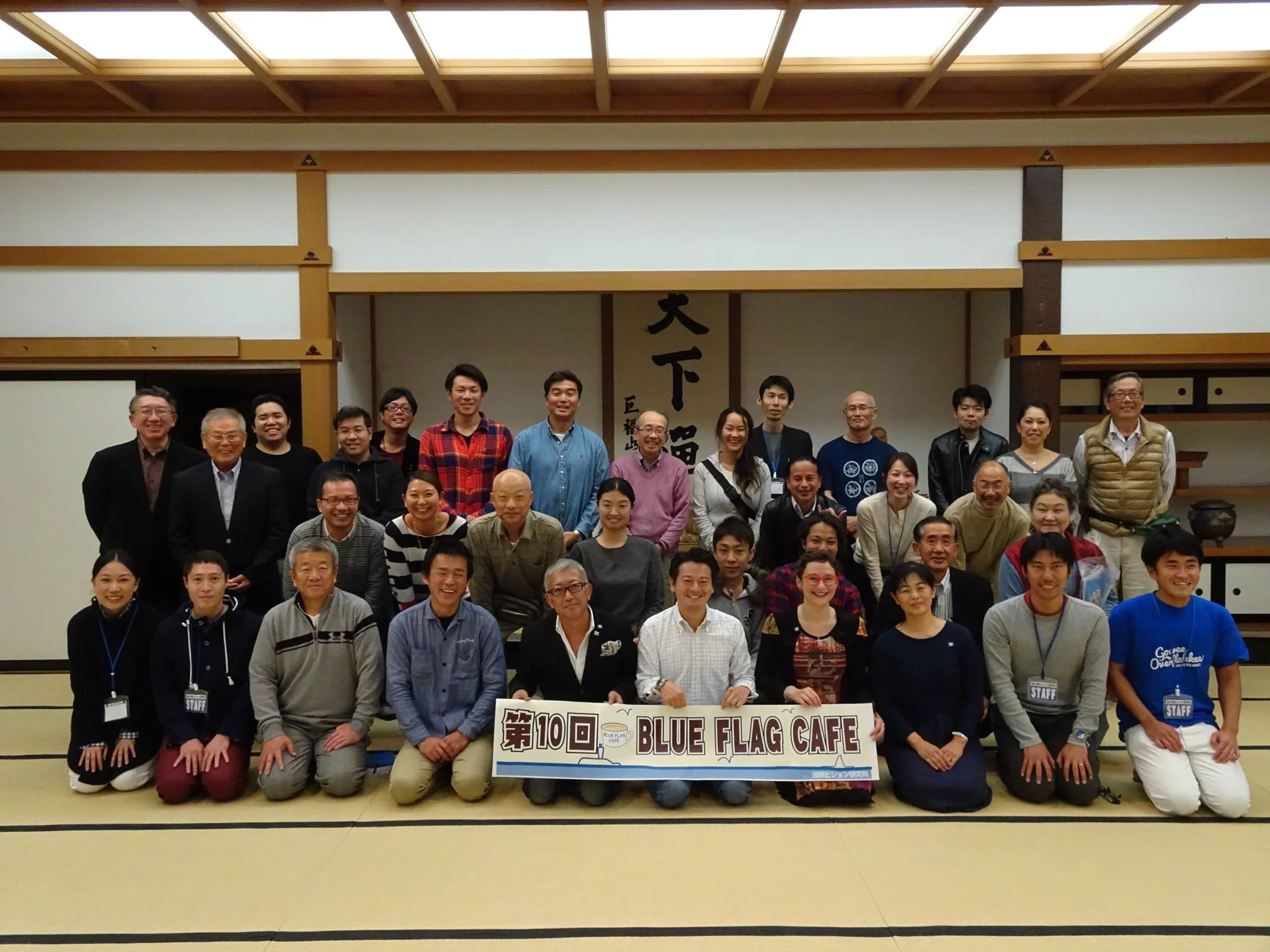
Two Japaneese municipalities, Kamakura and Takahama, are working hard towards obtaining the Blue Flag for 2016. For the first time they met to exchange experiences and discuss with the Blue Flag National Operator and the Blue Flag International Director.
Sophie Bachet Granados, Blue Flag International Director, was one of the key-speakers at the Blue Flag conference in Kamakura, Japan. Both municipalities, Kamakura and Takahama, working hard to obtain the eco-label for the first time in Japan were present, and shared valuable information, leading to great discussions.
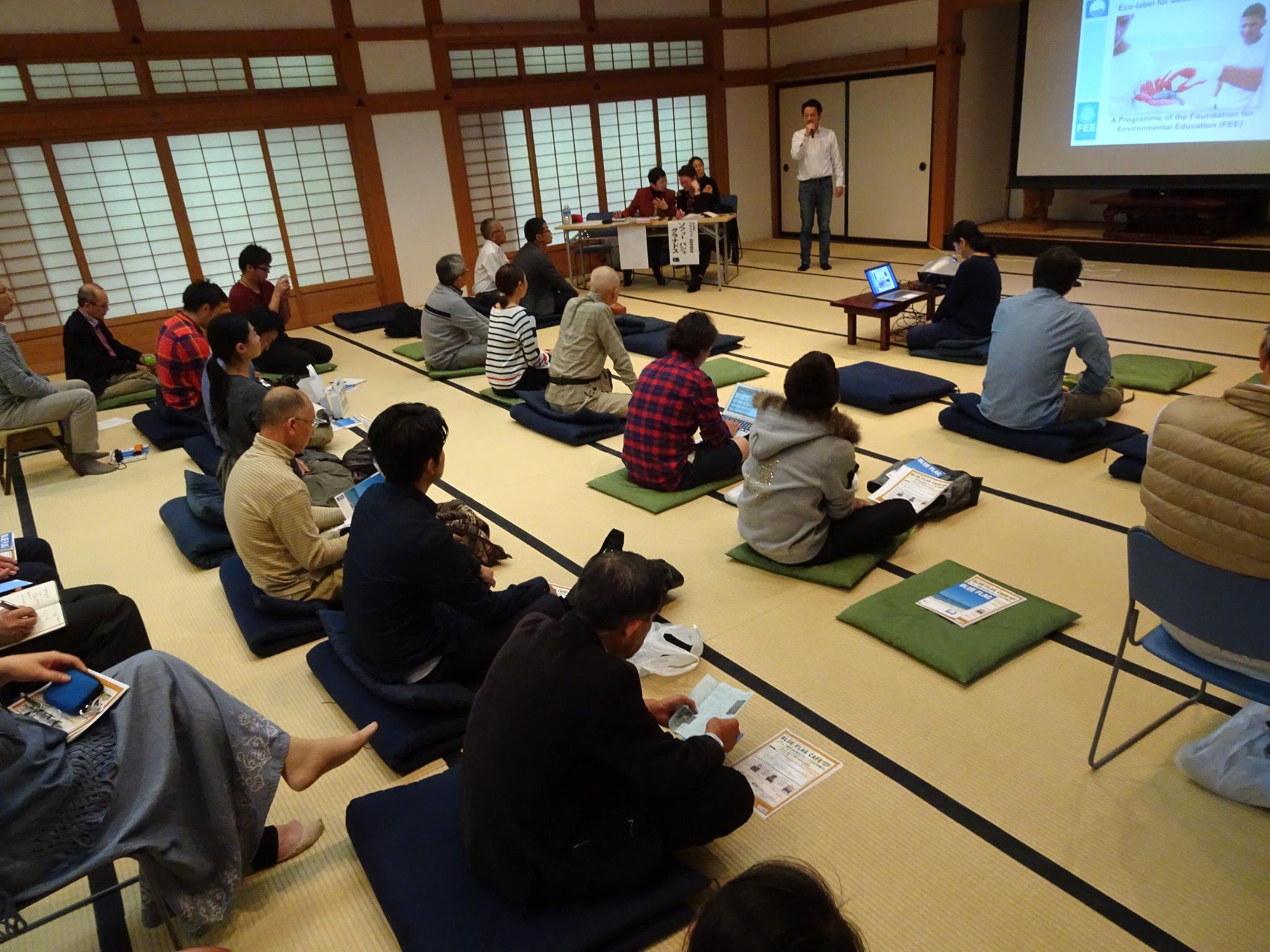
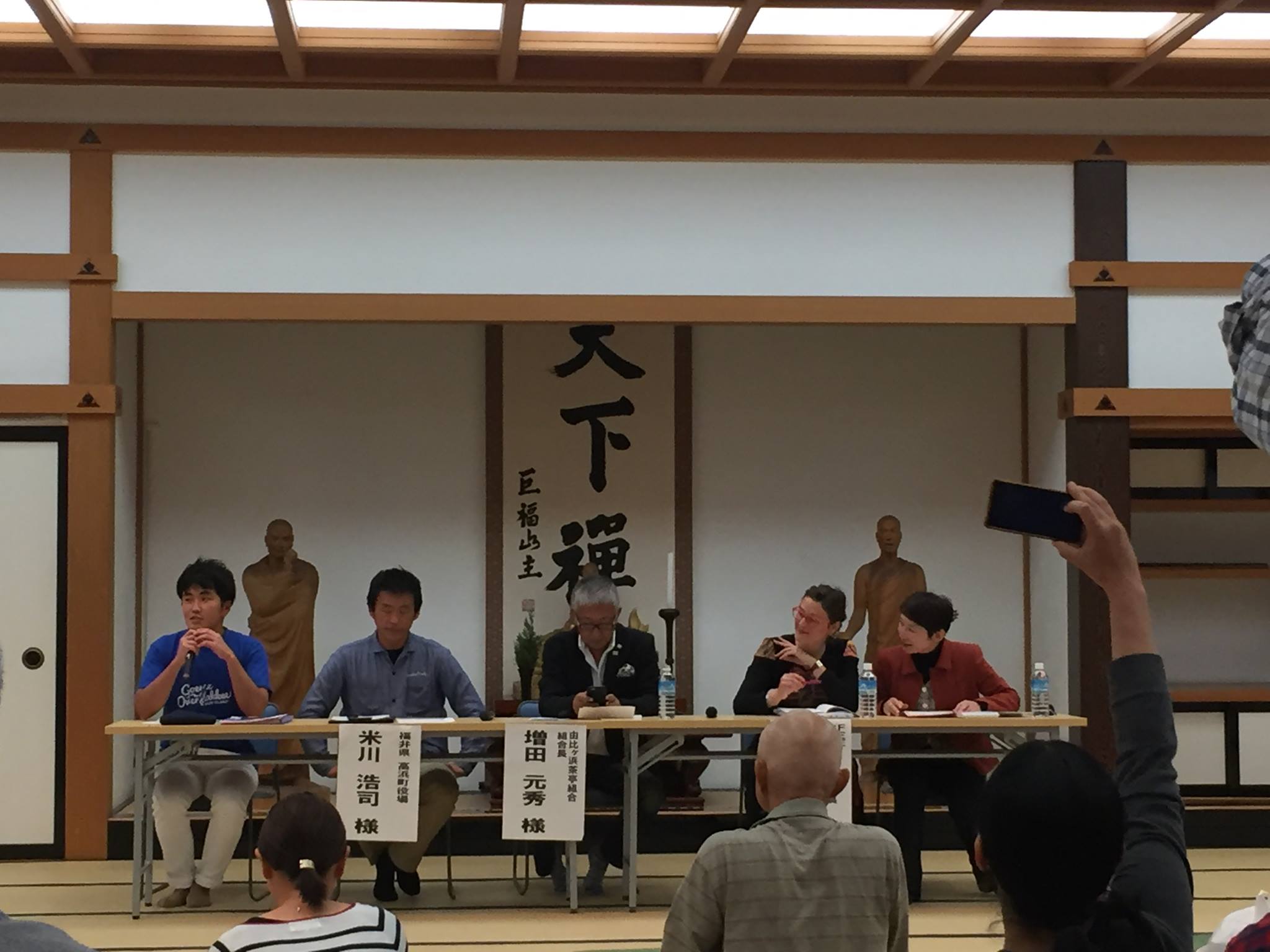
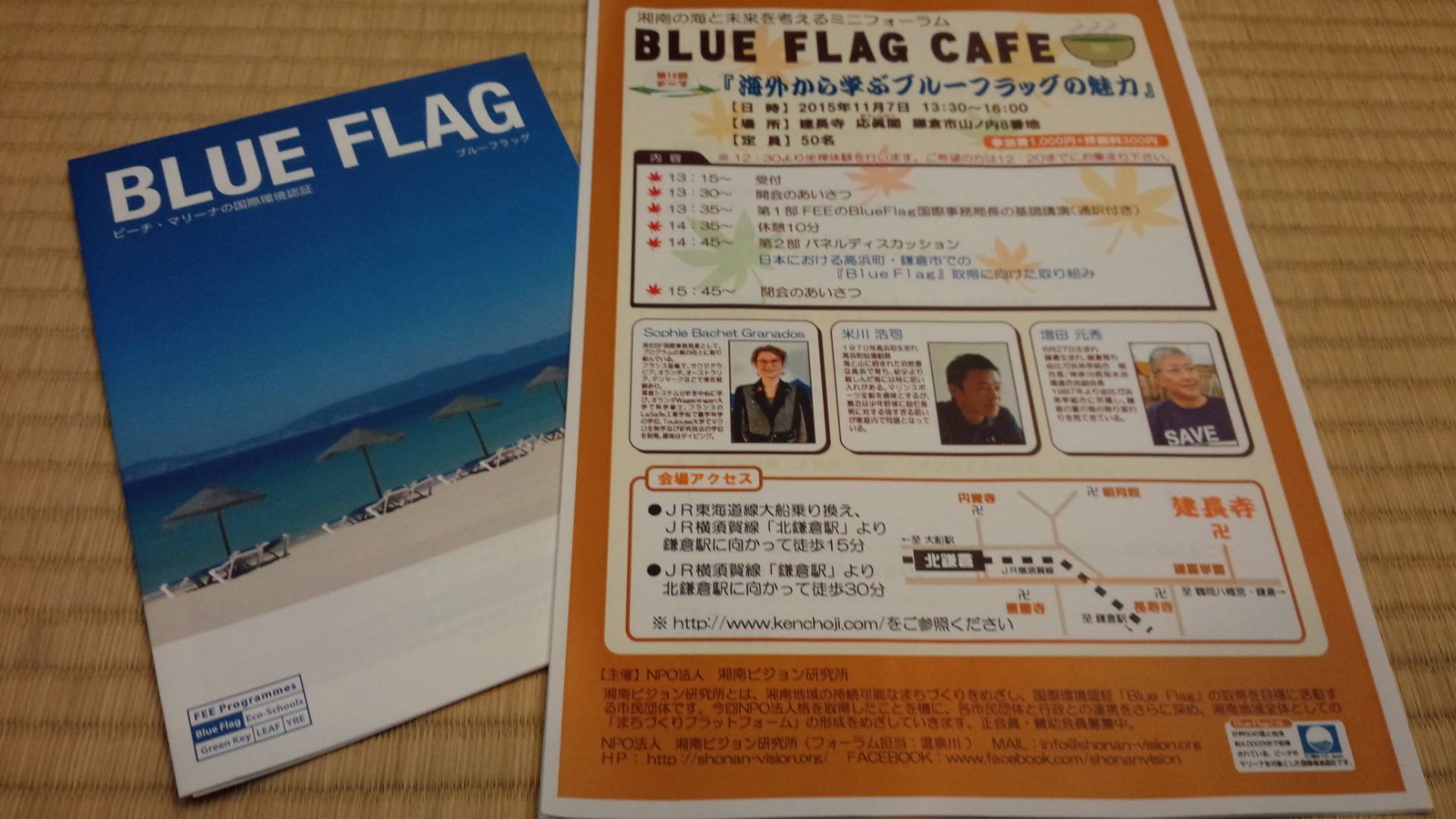
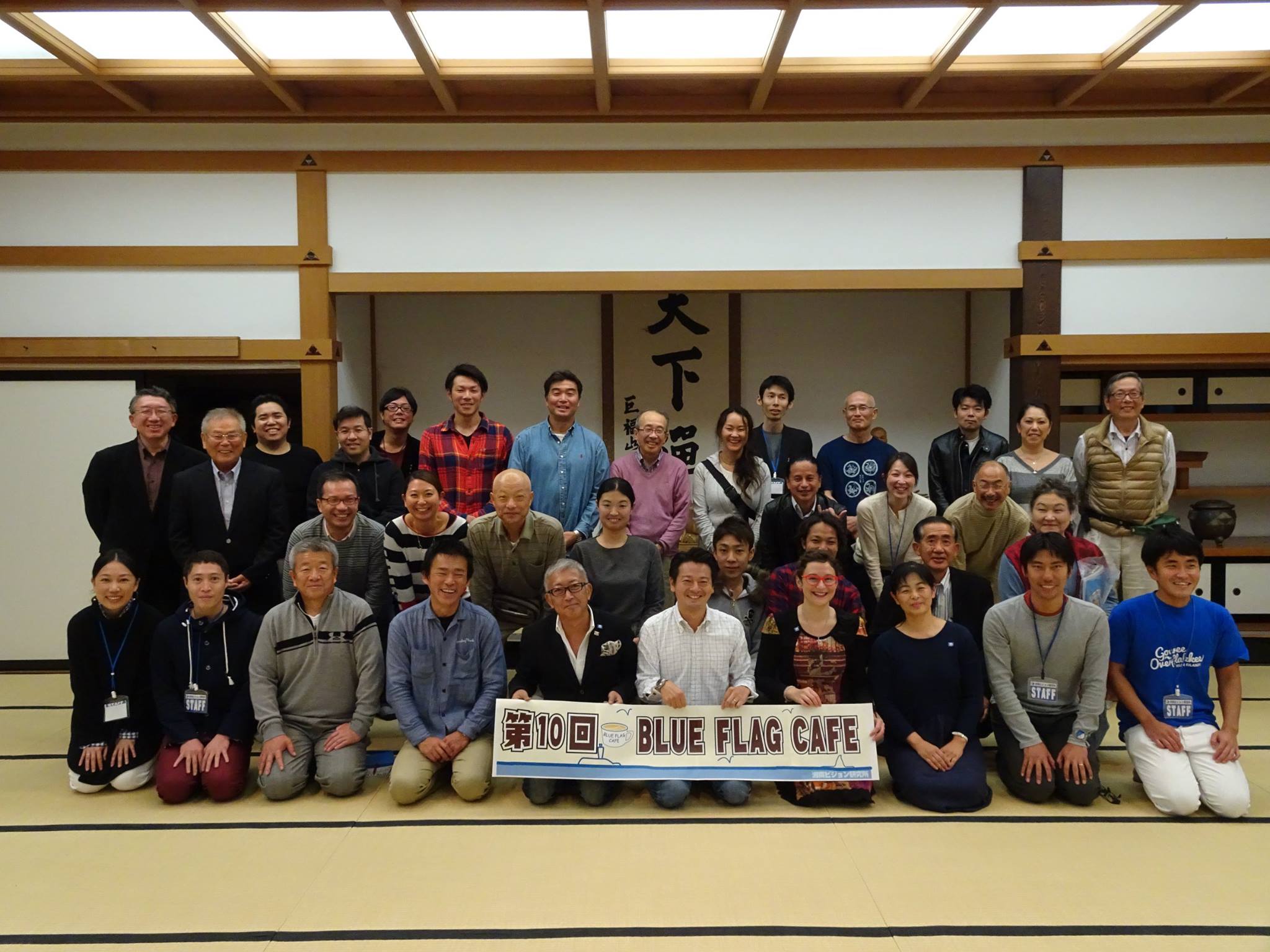
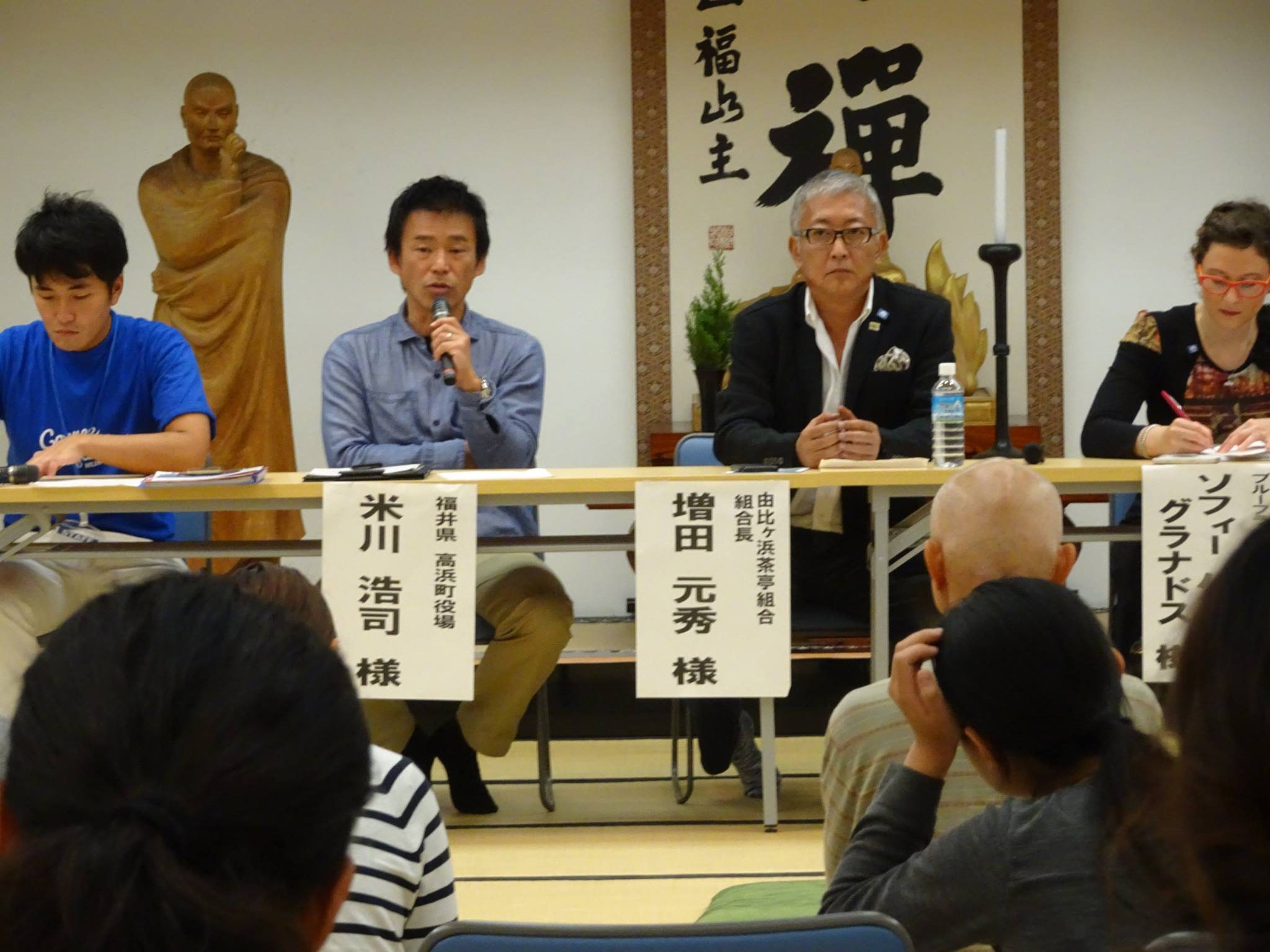
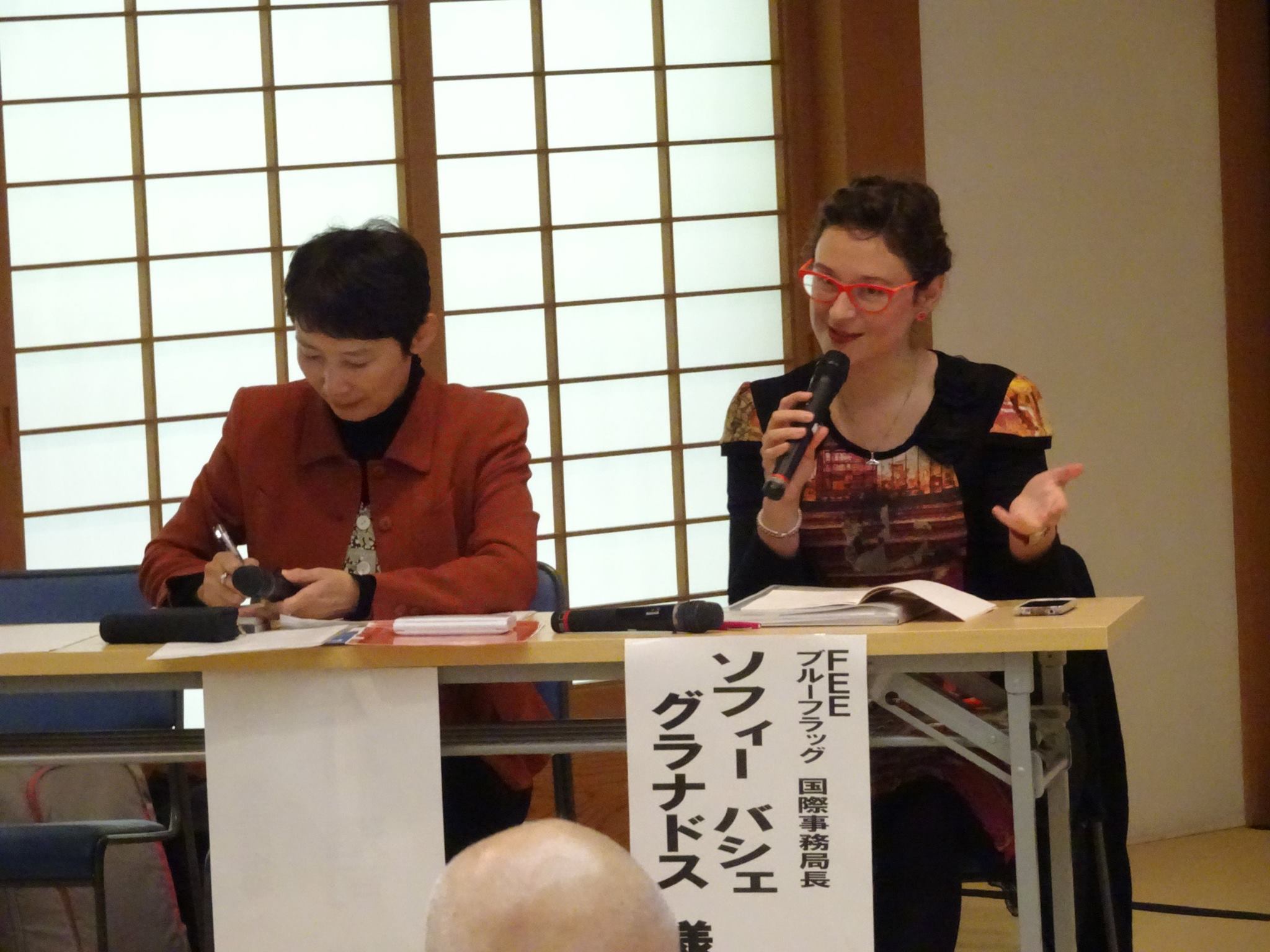
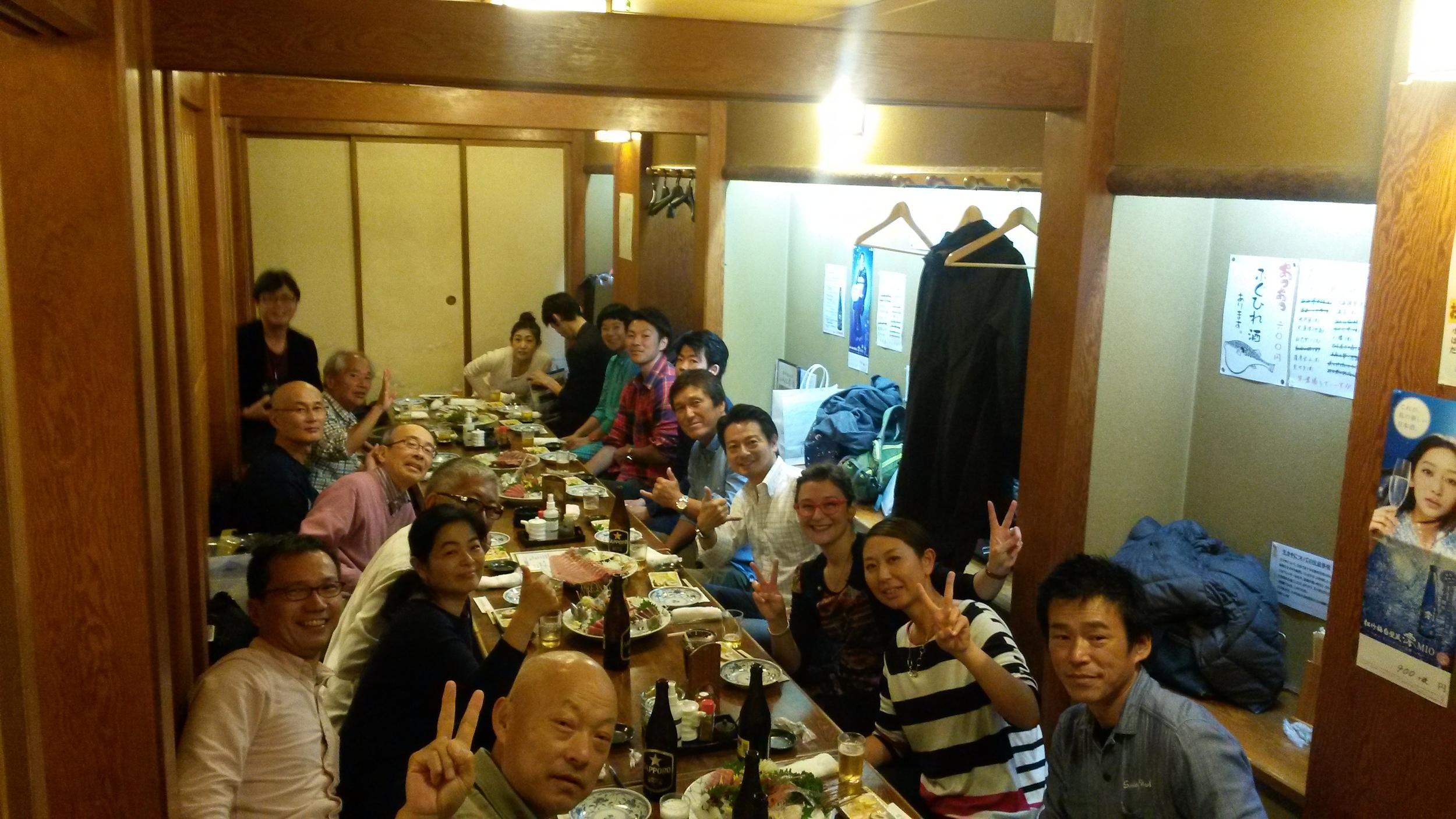
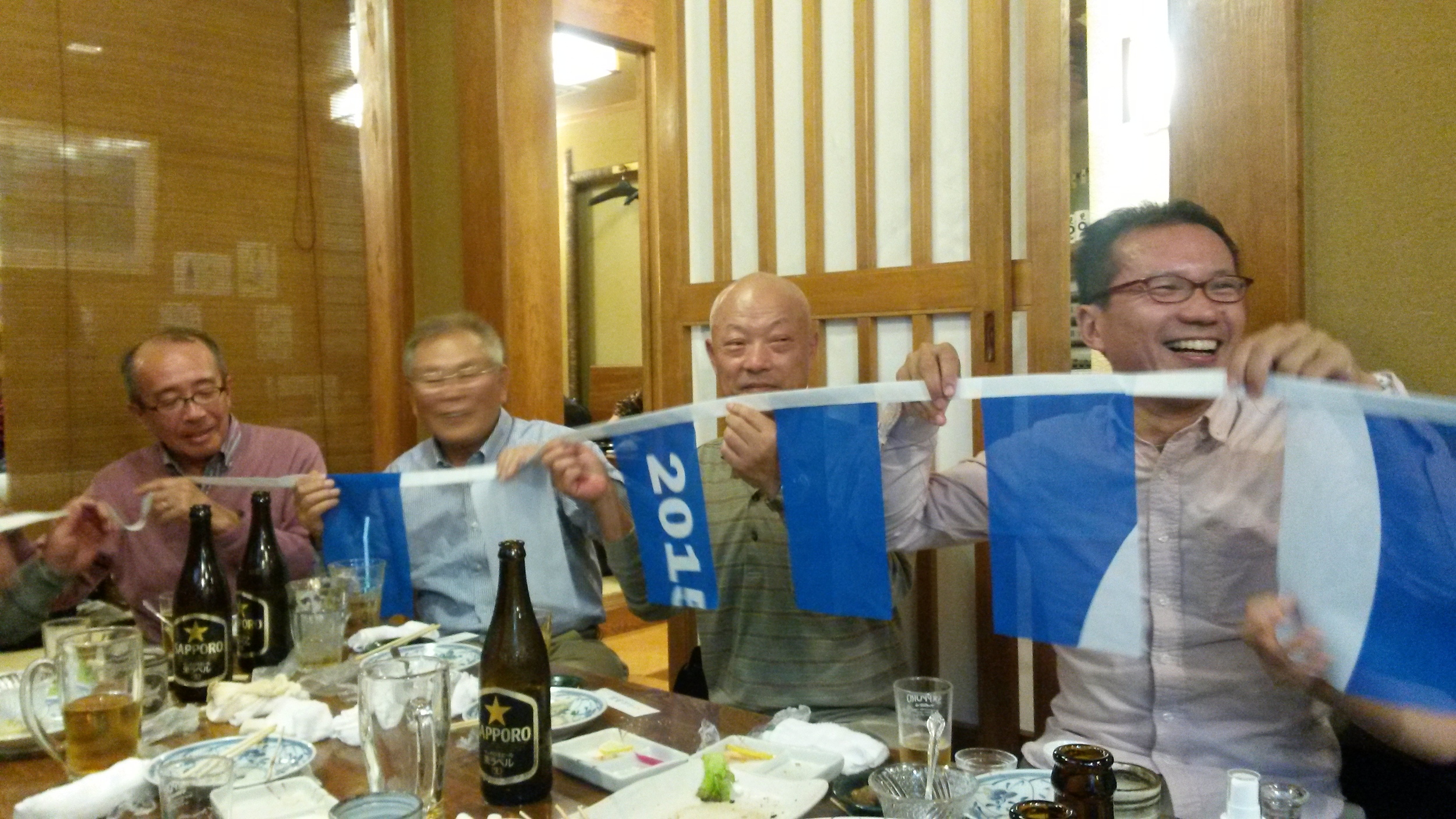

The next day a beach clean-up was organised by Shonan-Vision, followed by some environmental education activity by FEE Japan and Blue Flag International. A great experience for our teams in Kamakura and Takahama, who with their hard work will hopefully be the first Asian sites to be awarded with the Blue Flag in 2016! Keep up the good work!

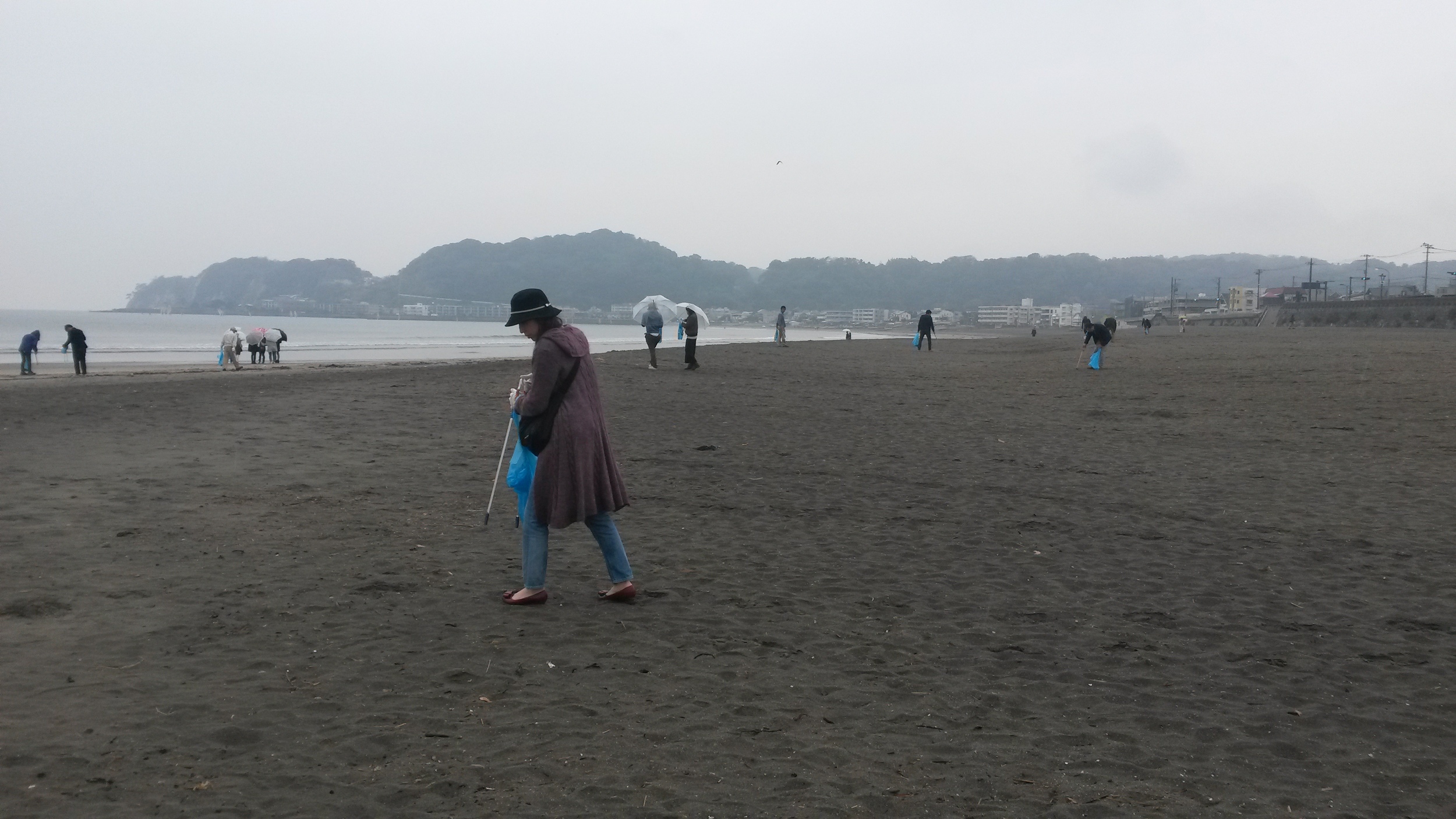
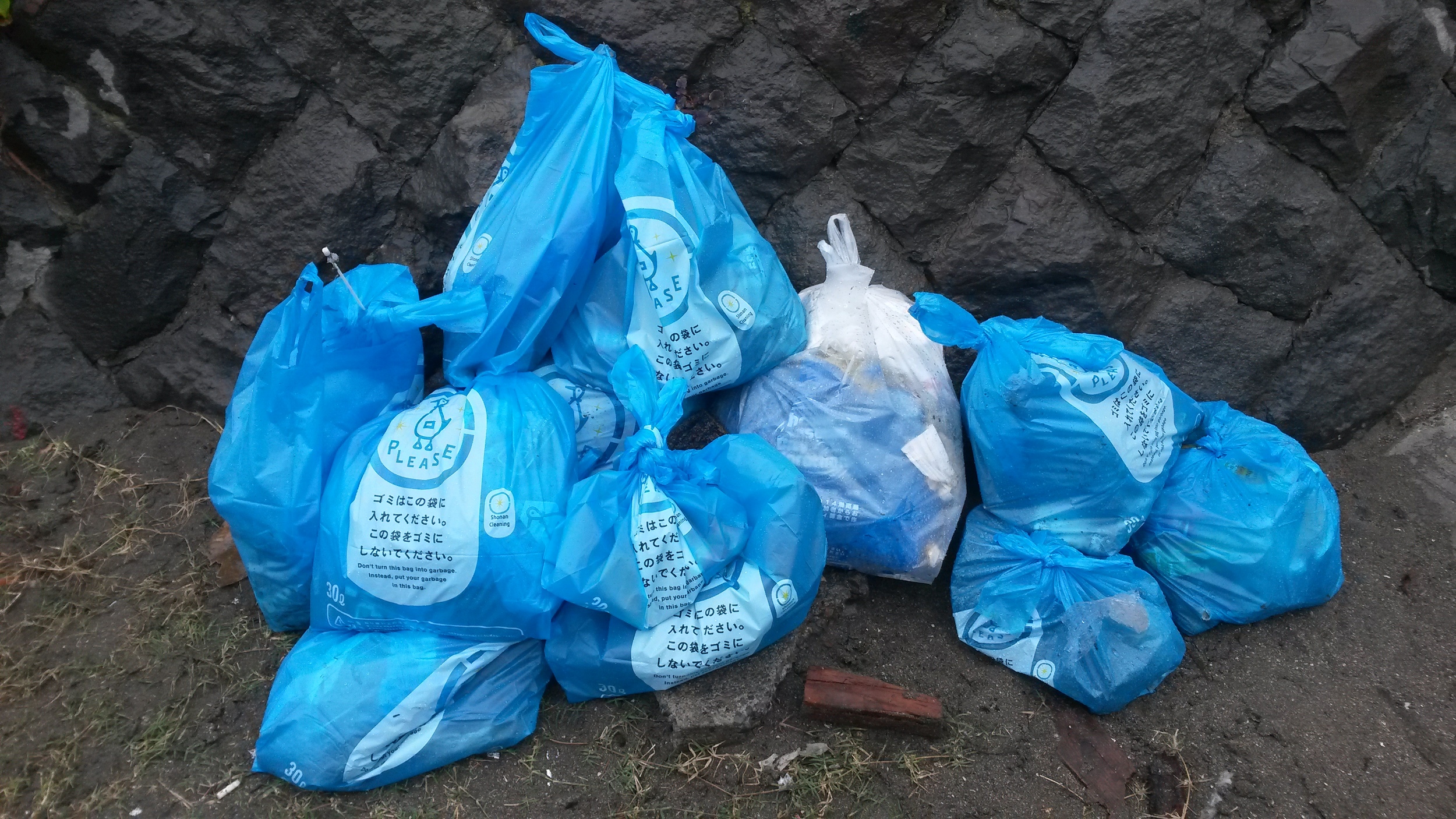
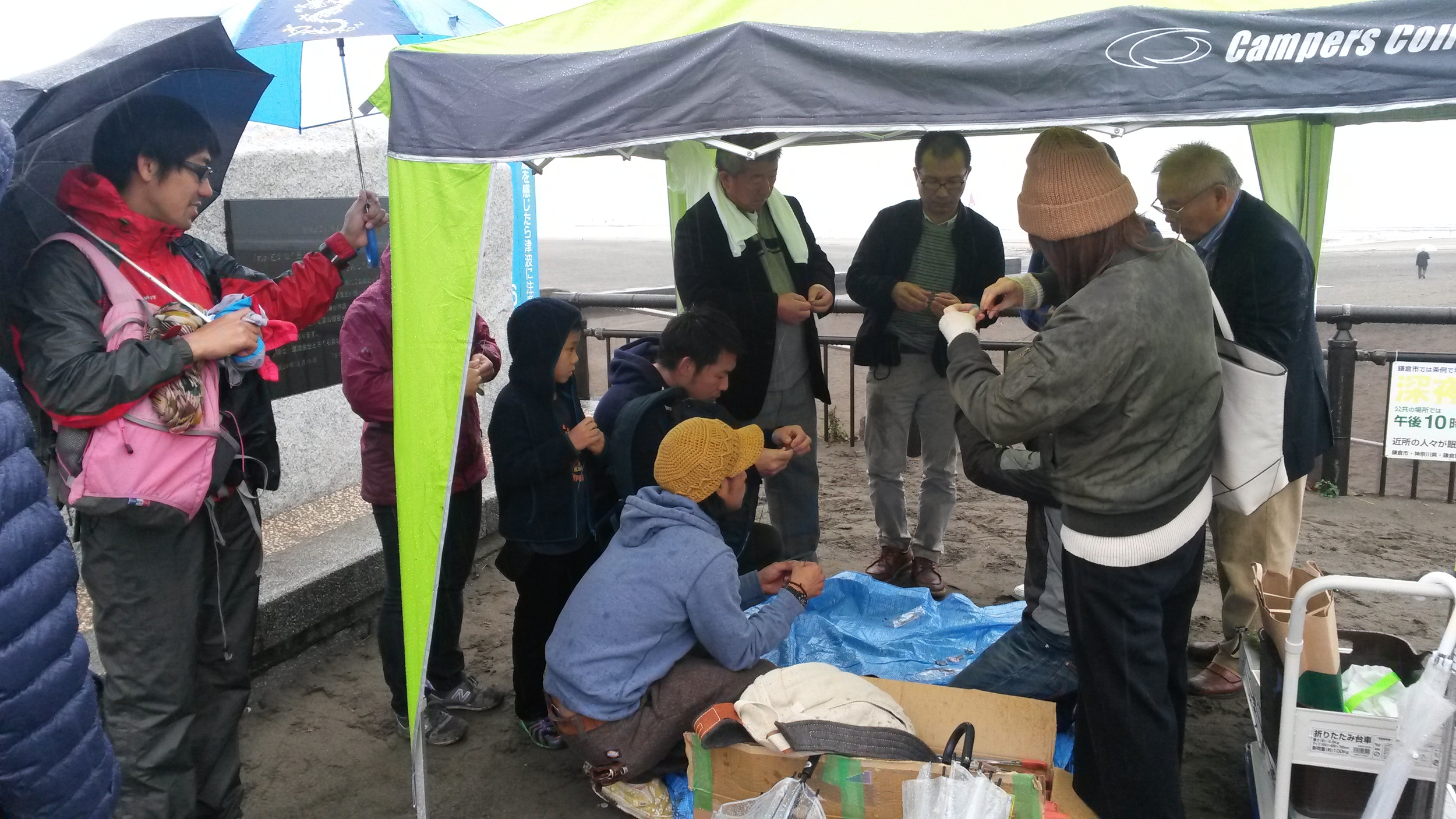
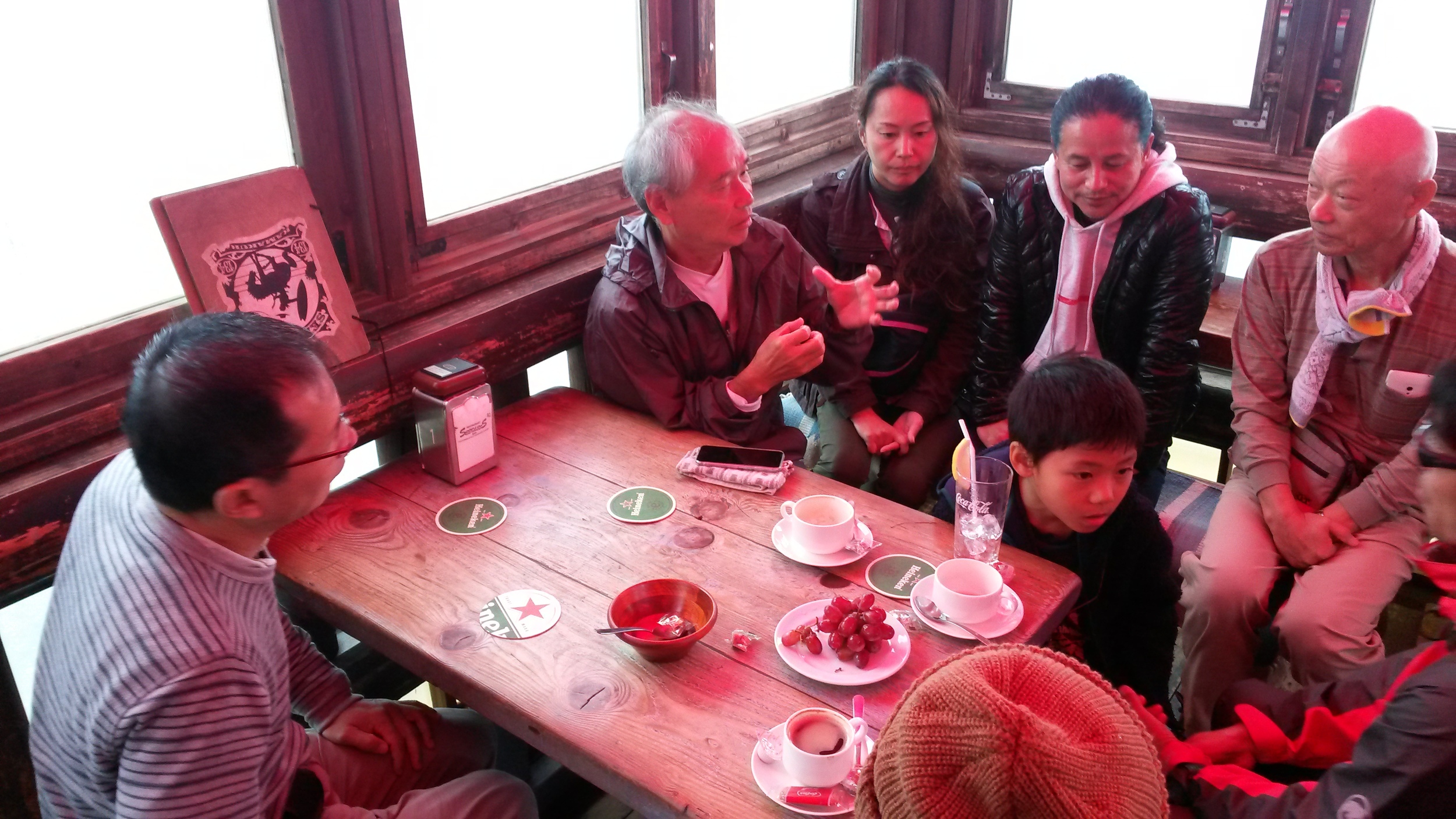

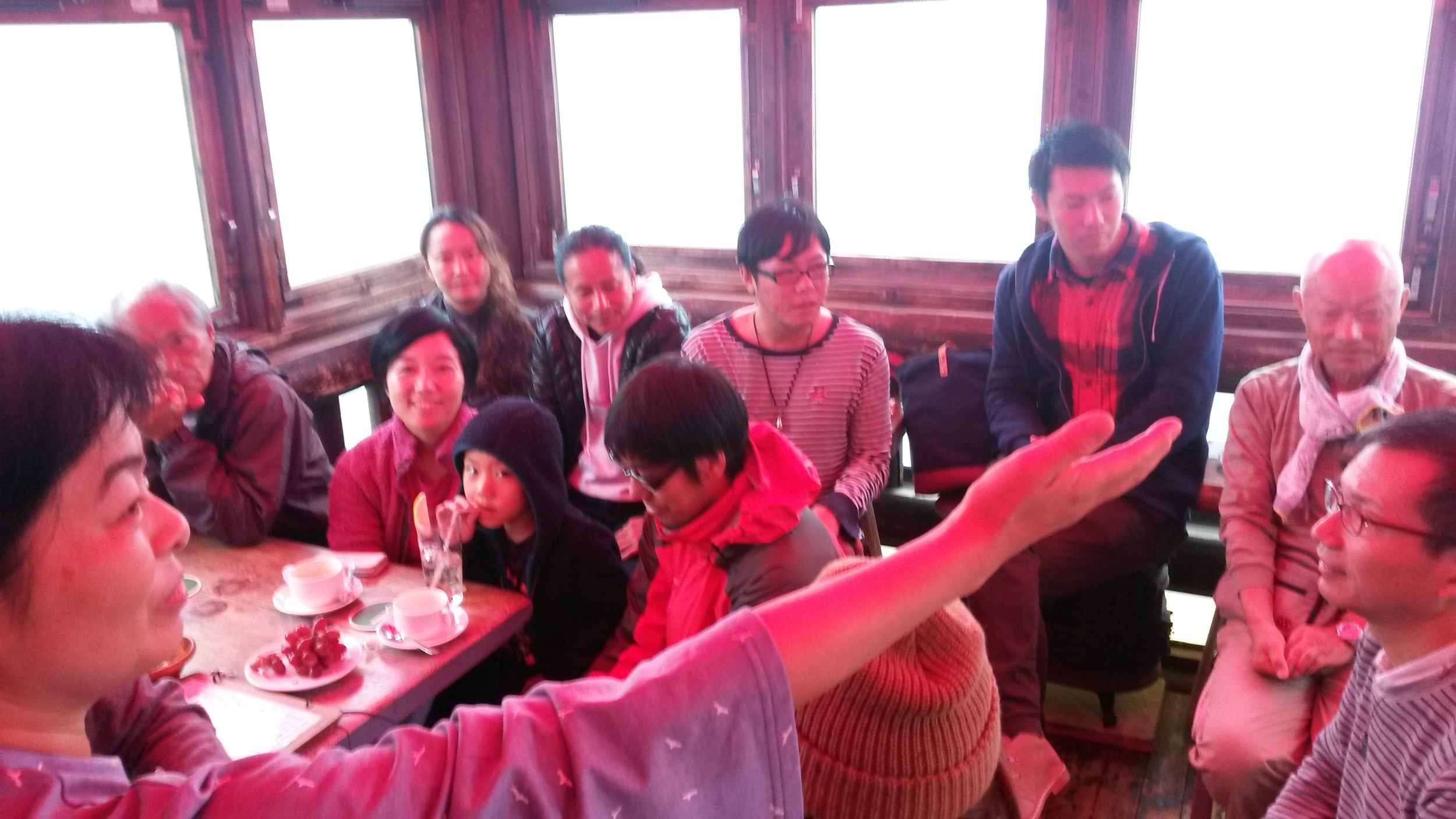
The Mayor of Kamakura, in Japan received the Blue Flag National Operator for Japan, Shoko Itoh and the Blue Flag International Director, Sophie Bachet Granados, to discuss strategy and vision for the future. It is a great step which the Mayor has committed to last year, and all his teams as well as the other stakeholders are working hard towards complying with all International standards for July 2016.

Blue Flag National Operator Meeting 2015
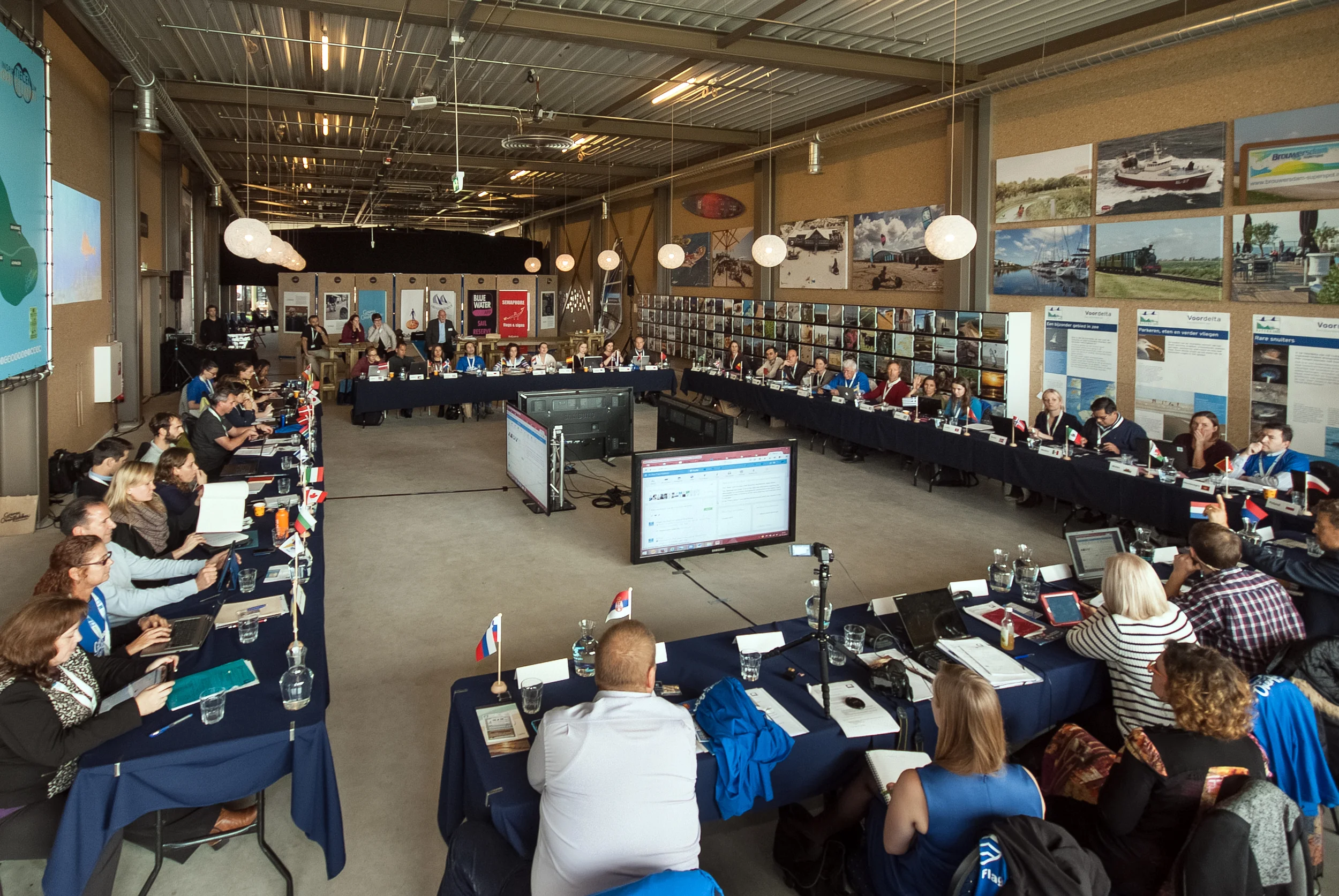
This 2015 edition took place in the Municipality of Goeree Overflakkee, in the Netherlands.
Each year, all Blue Flag National Operators from the network meet to discuss and exchange about the technicalities of the programme, the strategy, best practices and other issues. This 2015 edition took place in the Municipality of Goeree Overflakkee, in the Netherlands.
Over 40 participants attended the meeting, and enjoyed the Dutch region after a two-day meeting. The focus this year was on the newest Blue Flag development: awarding the sustainable boating tourism operators, as a means to take further action in the marine sustainability. Environmental actions such as the two minutes beach clean up were presented, and many countries brought to the table their best national expertise to inspire others.
We wish to thank the Blue Flag National Operator, Stichting KMVK, and the municipality of Goeree Overflakkee for the warm welcome and fantastic venue!

Picture Credit: Municipality of Goere-Overflakkee - The Netherlands
Blue Flag's 30th anniversary in France
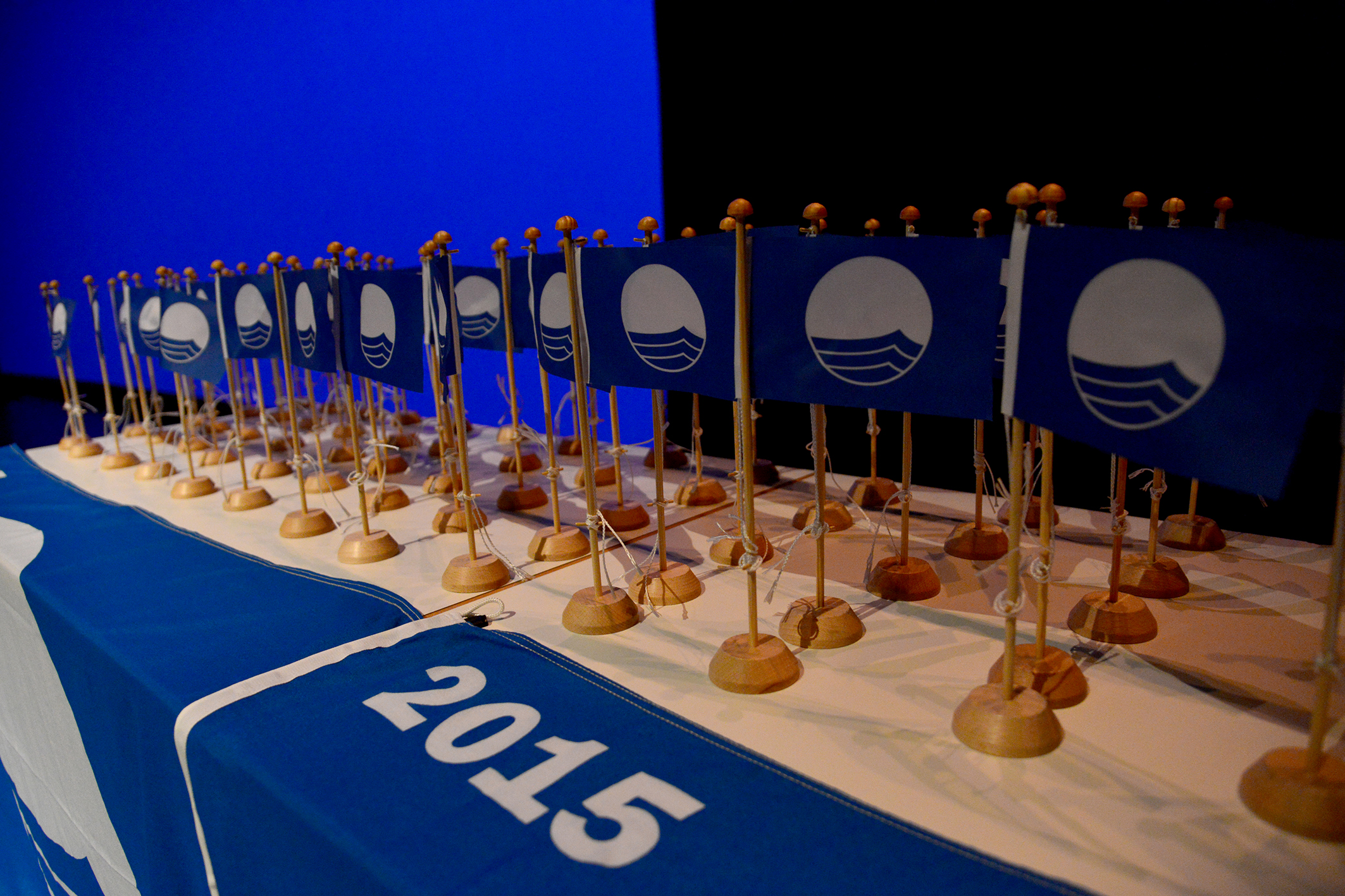
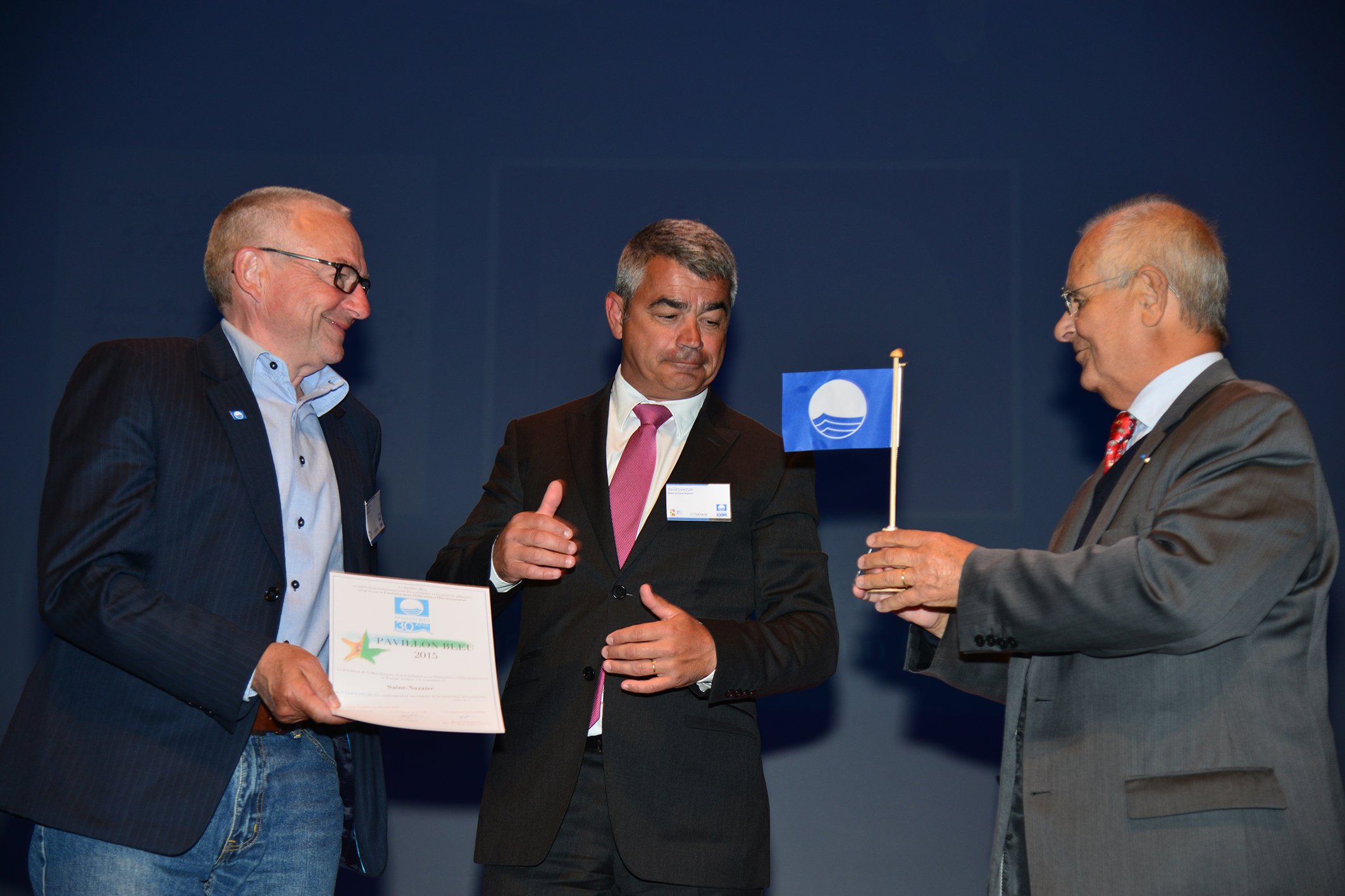
Born from a French idea in 1985, Blue Flag turned 30 this year in its mother country! French municipalities came to this special anniversary event, to receive their flag and to exchange ideas amongst each other.
Born from a French idea in 1985, Blue Flag turned 30 this year in its mother country!
It is with great pride that our French municipalities came to this special anniversary event, to receive their flag and to exchange ideas amongst each other.
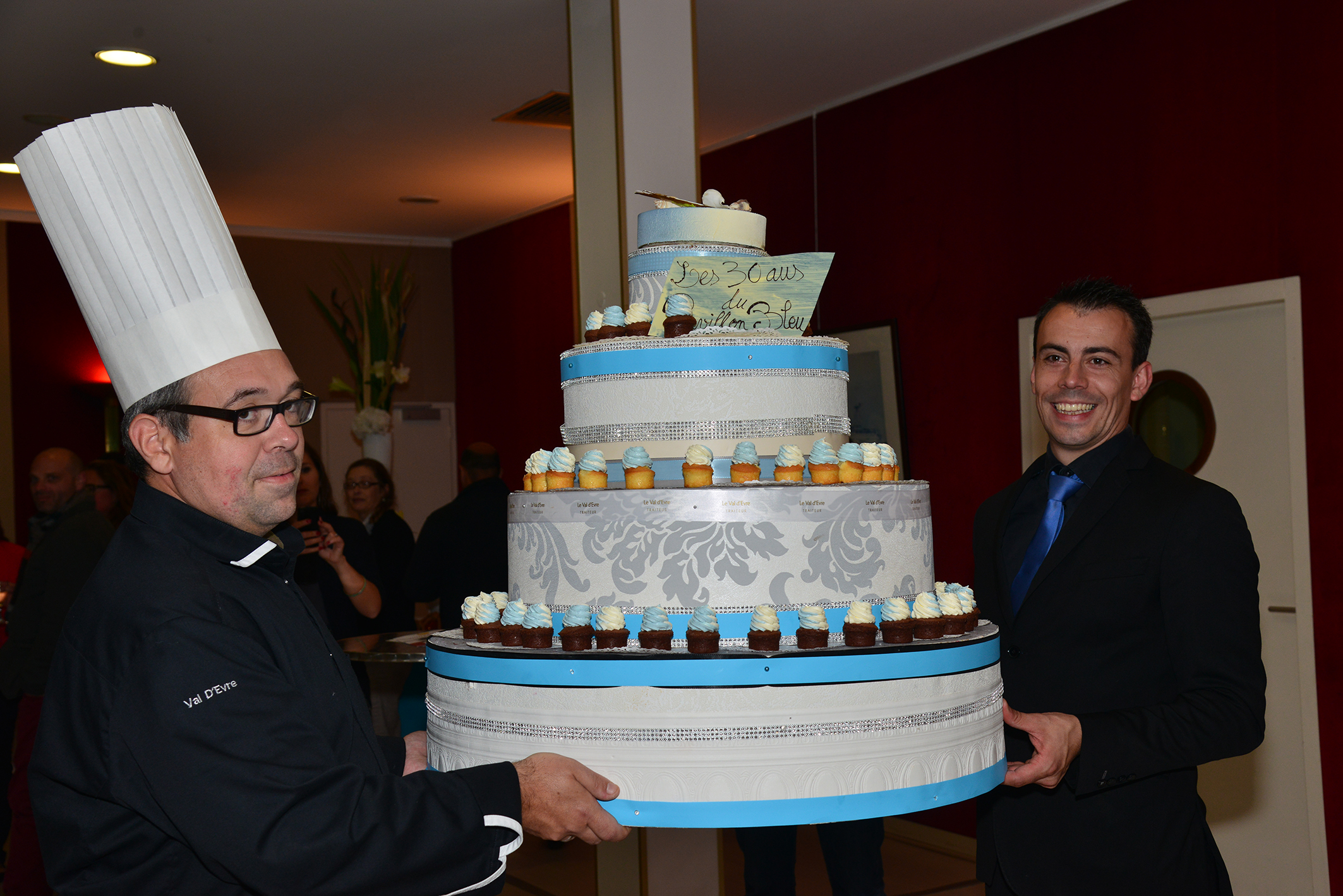
The municipality of St Nazaire, receiving Blue Flag for the first time, was hosting the event which included a discussion panel with experts and partners of Blue Flag France: Eco Maires, Fédération Francaise des Ports de Plaisance, Ligue de Protection des Oiseaux PACA, Villes de France, Eco-emballages. Jan Eriksen, FEE President, as well as Sophie Bachet Granados, Blue Flag Internationa Director, were also part of this discussion panel.
"I was there when the Blue Flag was created, and I am very glad I could be here today, to this special 30th anniversary of Blue Flag in France. To have witnessed the birth of this international programme and the development throughout these past thirty years is one of the many reasons I believe that the Foundation for Environmental Education brings a real change to our world." says Jan Eriksen, whilst addressing the assembly.
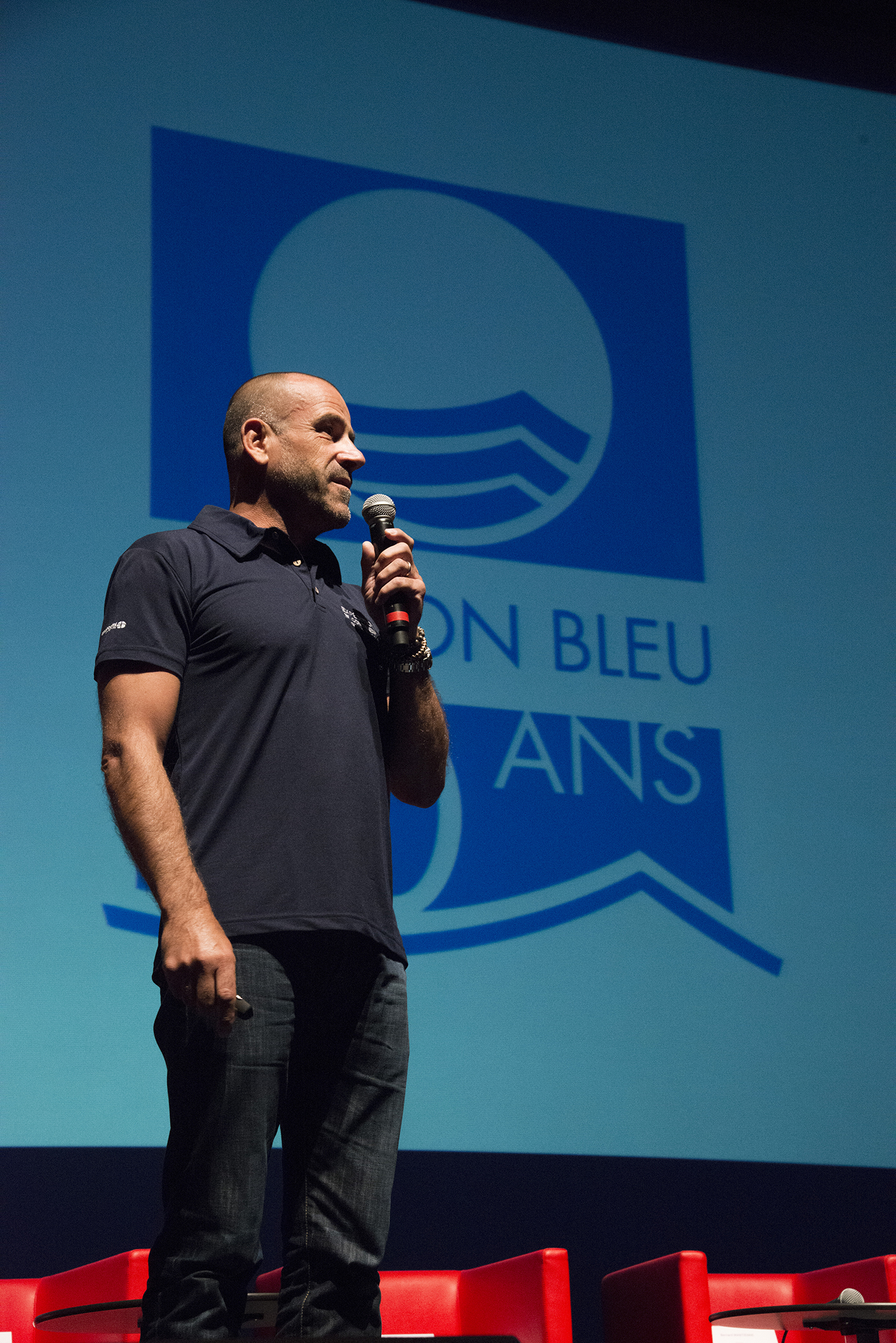
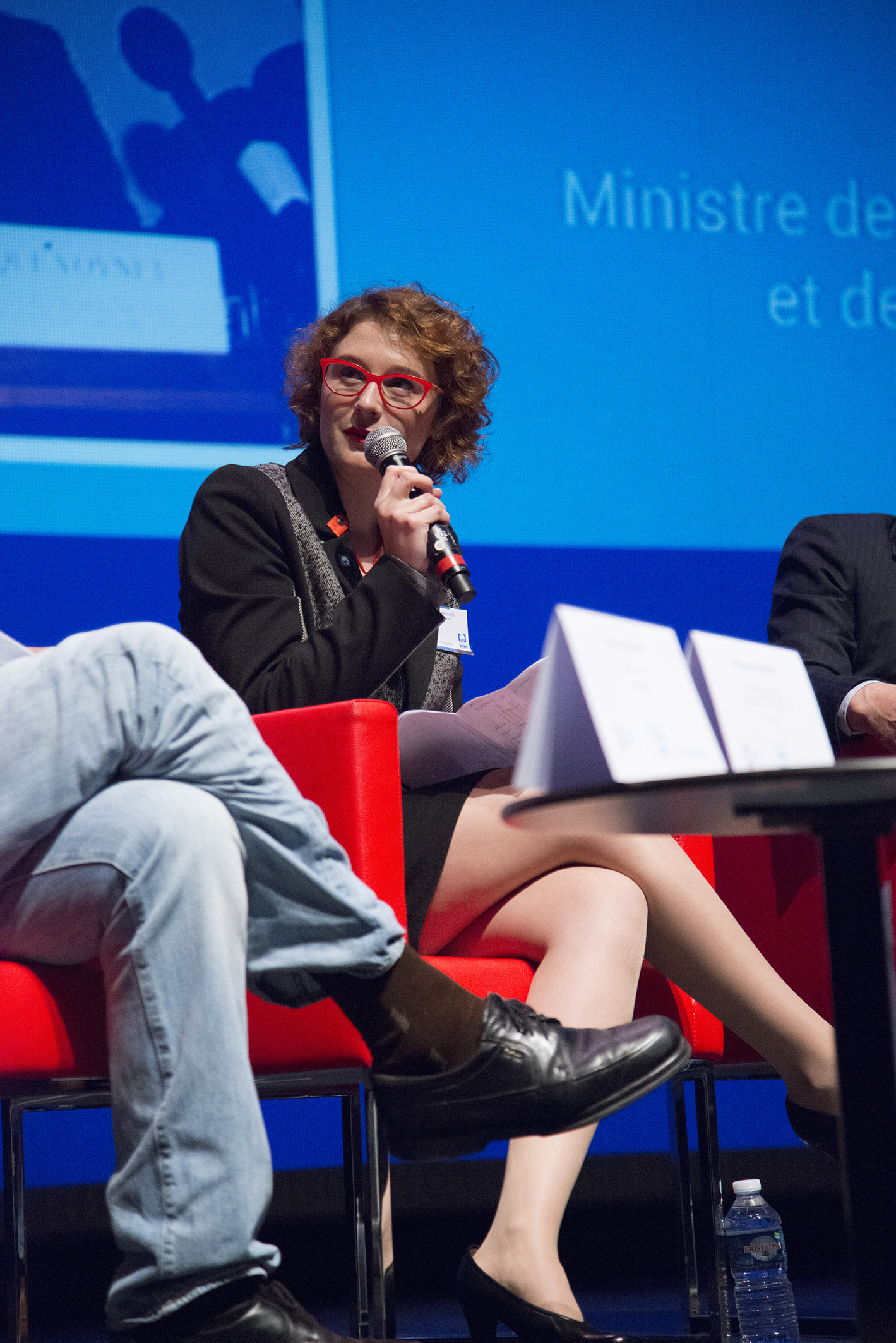
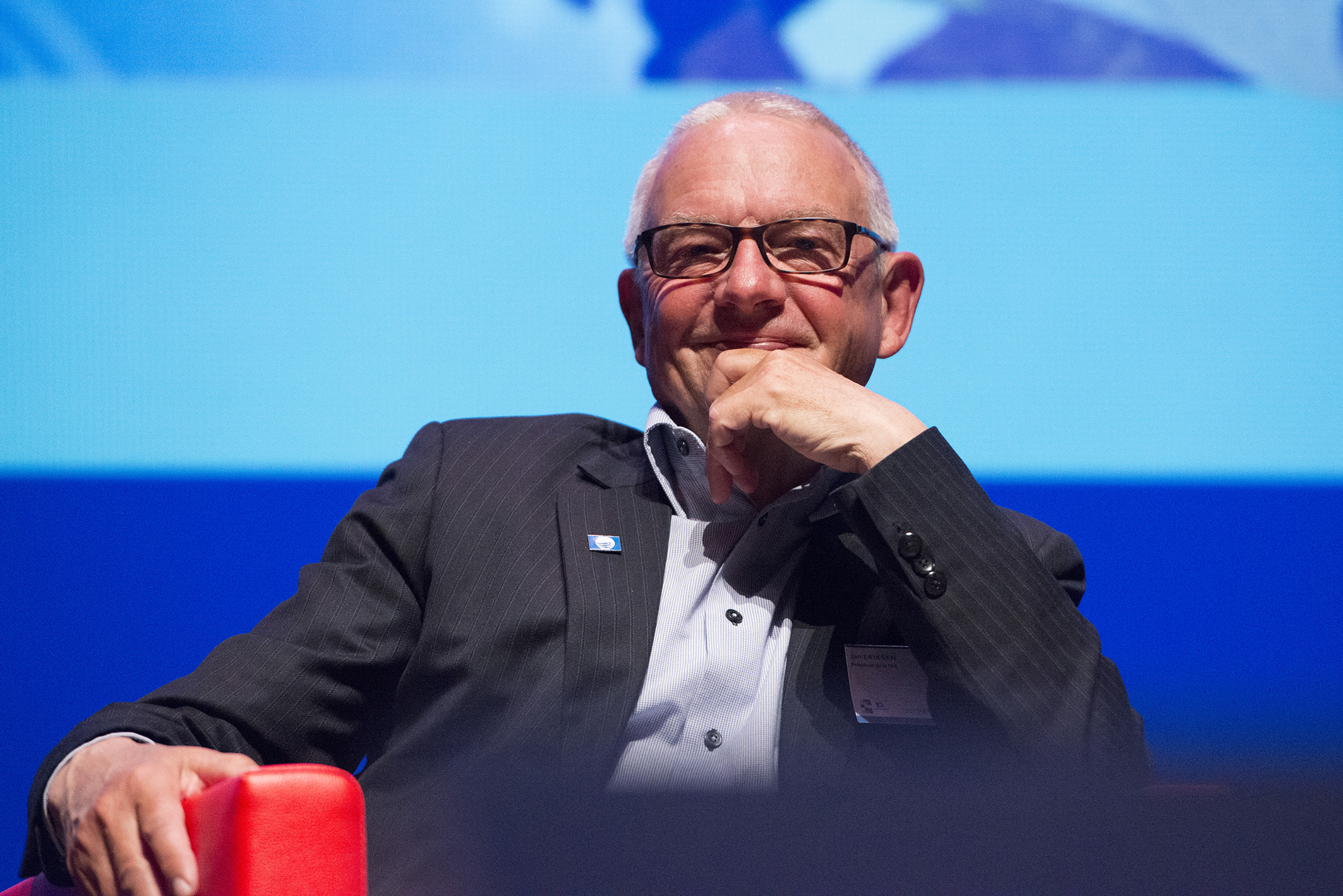
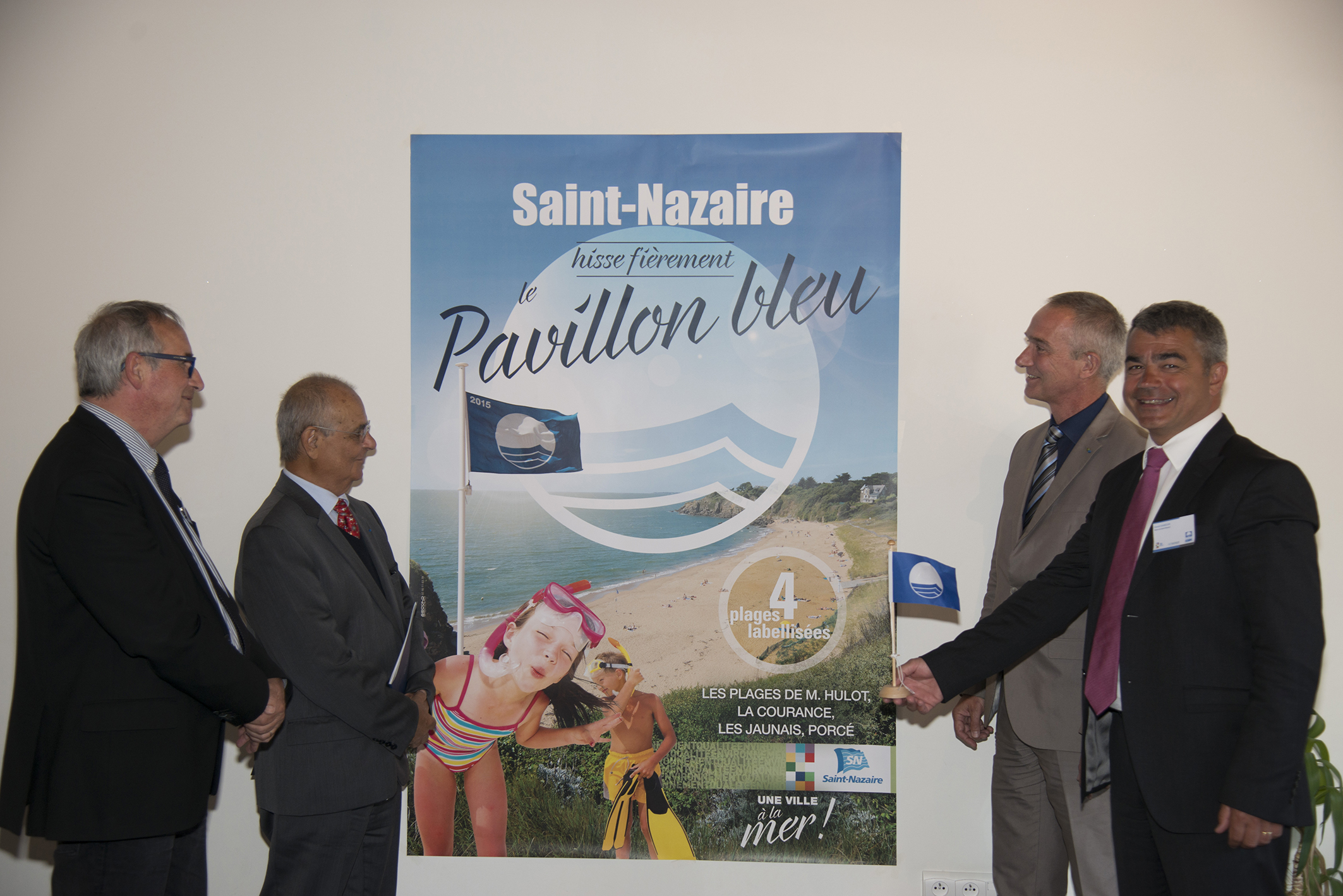
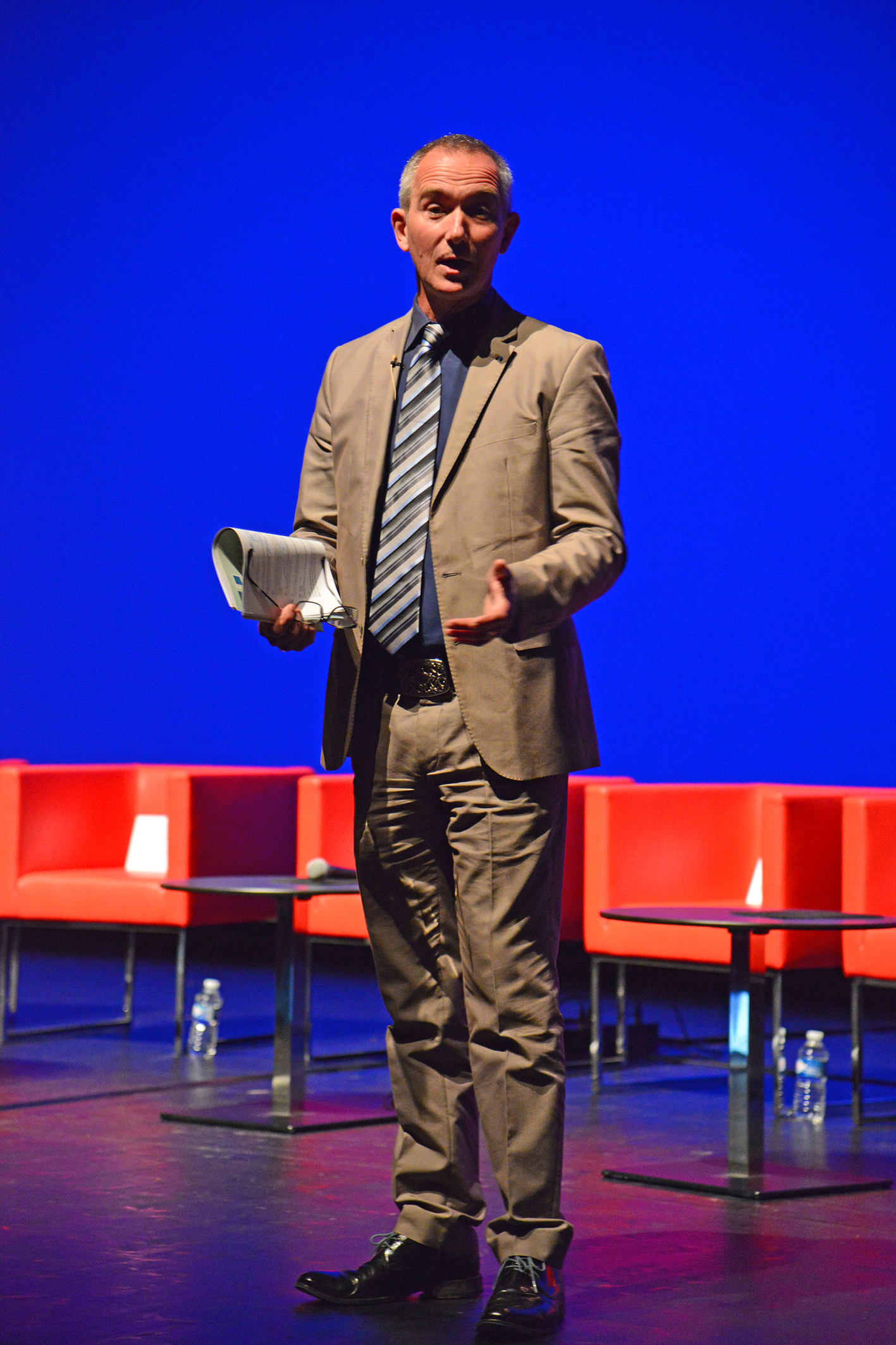

"Today I am proud of what France has achieved in the past 30 years, and the tremendous work the French Blue Flag team has done to get there. It is important we know our past, so that our roots are deep in the ground, feeding on our huge experience. This enables our head to reach high in the sky, above and beyond what we know and imagine. Blue Flag has 30 years of experience, and thanks to all those working with us, Blue Flag has a bright future ahead, with many more exciting challenges." adds Sophie.

Increasing quality of Blue Flag sites worldwide acknowledged by International Jury
More than 4000 sites were awarded the world’s leading eco-label for the 2015 season by the Blue Flag International Jury on 9 April in Copenhagen, Denmark.
More than 4000 sites were awarded the world’s leading eco-label for the 2015 season by the Blue Flag International Jury on 9 April in Copenhagen, Denmark.
The full list of awarded sites will be published on the international Blue Flag website on May 20th, where the users will also find detailed information about the services or facilities for disabled people, amongst other things.
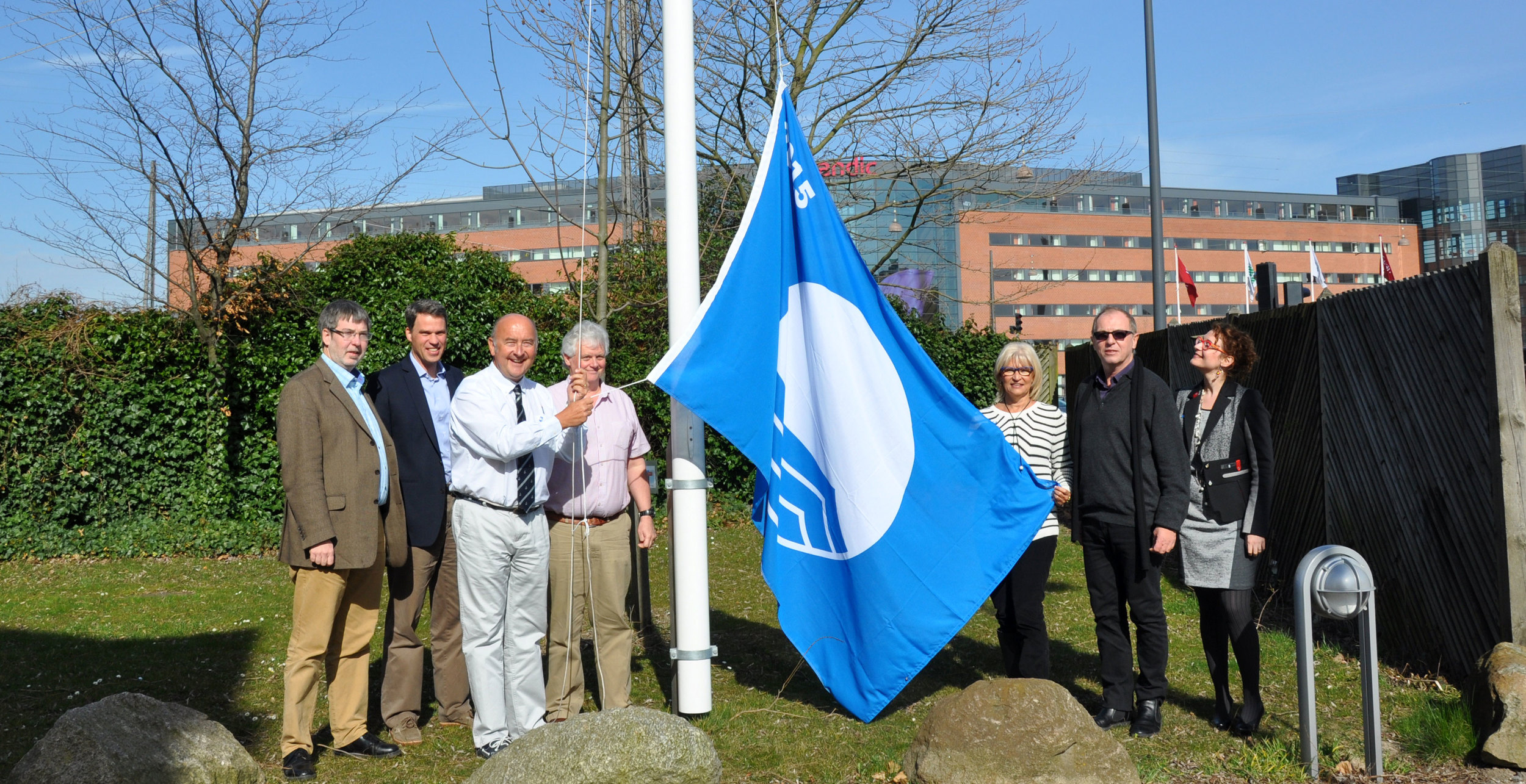
“The International Jury was very impressed with the work done by the Blue Flag National Operators and the beach and marina managers. Our numbers are steadily growing, whilst the quality of the sites remains our priority. We are always striving towards excellence, which is why we are currently pilot-testing a set of 38 new criteria for Blue Flag marinas, which should be added to the 2016 criteria. This is a way to always motivate our sites to continue their hard work, even if some of them have been in the programme for 30 years! Indeed, this year our French FEE member is celebrating 30 years of Blue Flag, since the project originated from this country in 1985”, says Sophie Bachet Granados, Blue Flag International Director.
“We also have many other projects in the pipelines, and amongst them the launch of criteria for eco-tourism boats,” she adds. “This has been a huge project which has started three years ago, when I visited Iceland and met with our National Operator (Landvernd) there, as well as one of our Blue Flag whale-watching boats company, Elding. I realised that Blue Flag could and should do much more than ask the companies to sign a code of conduct to fly the flag on their boat, so we started to work on a set of criteria, on the same basis as the beaches or marinas awards. We are now including a whole variety of eco-tourism activities which have direct impact on the coastal environment and marine life. It is a very exciting project, and Blue Flag will proudly take this new step soon, once we have finalised the pilot-testing this summer”, she concludes.
The next meeting of the Blue Flag International Jury will take place in September to award beaches and marinas from the Caribbean, South America, Africa and southwest Pacific.
Blue Flag International is currently working on its website and tools, which will be totally redesigned within the coming months, for better internal and external use.
Additionally, Blue Flag International has in 2015 signed a five year agreement with its flag provider, Semaphore. All flags are produced according to strict environmental rules, and their confection as well as transport is CO2 neutral.

The International Blue Flag Jury is composed of representatives from the United Nations Environment Programme (UNEP), the United Nations World Tourism Organization (UNWTO), International Lifesaving Federation (ILS), the European Environment Agency (EEA), the European Union for Coastal Conservation (EUCC), the International Union for Conservation of Nature (IUCN), an Environmental Education expert, the International Council of Marine Industry Associations (ICOMIA) and FEE.
The Blue Flag also greatly appreciates the support of its sponsor, Semaphore.
Connected Eco Labels for Chinese water recreation and tourism sector
Rising living standard costs limited nature resource - an increasing pressure and crisis worldwide.
Rising living standard costs limited nature resource - an increasing pressure and crisis worldwide.
Boating is an ancient green lifestyle and traffic tool for more balanced development on land and on water.
In China and Asia, versus luxurious living trends, environmental-friendly leisure boating and eco tourism are receiving more and more consciousness and market attention.
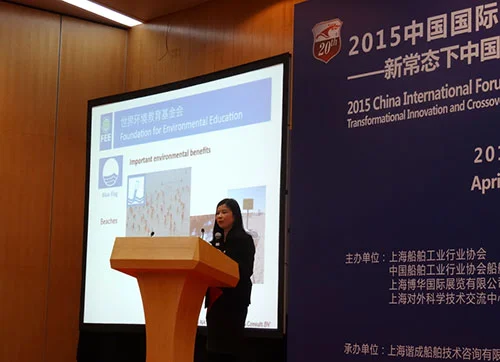
At the occasion of the 20th China International Boatshow and CTIBA (China Boat Industry & Trade Association) International Forum on Yacht and Waterfront Leisure Industry Development in Shanghai on 10th April 2015, FEE’s Blue Flag and Green Key were introduced by Xiaoying Liu, an environmental planning expert and architect, Natureherit Design & Consult, The Netherlands. Researching environmental-friendly leisure boating and eco tourism implementation plans at Chinese Taihu Lake (Suzhou), she identifies the two FEE eco labels as potential effective catalyzers to initiate pilot cruising areas and amphibian healthy environment for people and nature.
According to Liu, marinas and beaches are often linked to restaurants, hotels and meeting facilities, especially in China and Asia. With integrated requirement of surrounding environment and management, the two labels are of high potential operations to jointly combat water-environmental crisis and challenges.
She also says, as China is one of the oldest water cultures, it is high time to develop waterfront and boating regions priotizing environmental-friendly interactions. China is already an important global yacht producer (incl. clean energy boats) and have increasing yachting marina locations. However, Chinese coastal and river regions need connected and versatile cruising system as a water-eco-people “working system” to combat smog, climate change and biodiversity challenges. Transformations of Chinese policy and green governance are on the way, such as “Ecological Civilization”, “One Belt, One Road” and innovative PPP project modes.
Blue Flag programme for beaches and marinas have been set up in 49 countries with success. It could be a great help for Chinese leisure boating industry to transform the developing questions (such as environmental information, planning coordination, boating and cruising technology) into pleasant environmental recovery tools. More routing possibilities are needed. Cruising safety, management and environmental education should come more together to re-establish natural environment for cruising and living. There are new challenges to coordinate between governmental departments, but this green economy will worth the efforts.
Besides the individualization of yacht players, big opportunities are also in water sport and sailing schools with small-scaled harbors, with increasing needs for physical health, recovery and spiritual training for young people. With flexible location and low impact to water quality, some sport marinas showed big interests in the forum to be the first Blue Flag pilots.
In China, tourism development has increased drastically with rising living standard. Tourist facilities from hotel to camping and restaurants are searching value-adding brands and programs, for which Green Key programme could be the great help to stimulate environmental programs and interact with facilities in other 47 countries.
Ms. Liu suggests Blue Flag and Green Key to be introduced jointly to Chinese authorities and boating sectors. It will help Chinese venues to exchange environmental knowledge and programs with others abroad and existing FEE eco labels in China: Eco School and Young Reporters for the Environment are run by the FEE official operator China, CEEC of Ministry of Environmental Protection. The needed feasibility study, roundtable process and pilots are interesting challenges for improving the coastal and river region environment,such as Taihu Basin-Yangtze River Delta (Shanghai, Suzhou, Hangzhou etc.), Pearl River Delta (Hong Kong, Guangzhou, Shenzhen, Zhuhai), Xiamen, Qingdao, Hainan, Tianjin, Chongqing and Dalian Region.
Caribbean Hotel & Tourism Association signs a Memorandum of Understanding with FEE
Caribbean Hotel & Tourism Association (CHTA) recognises and supports the Blue Flag and Green Key programmes of the Foundation for Environmental Education.
Caribbean Hotel & Tourism Association (CHTA) recognises and supports the Blue Flag and Green Key programmes of the Foundation for Environmental Education.
CHTA and the Foundation for Environmental Education have signed a Memorandum of Understanding recognising FEE’s Green Key and Blue Flag programmes in the Caribbean as well as CHTA’s sustainability initiatives. The document was signed on 29 January 2015 during the Caribbean Travel Marketplace. The Memorandum of Understanding between CHTA and FEE has been entered to recognise the hospitality and tourism sustainability initiatives in the Caribbean brought forward by FEE through the Green Key and Blue Flag programmes and by CHTA through the Caribbean Alliance for Sustainable Tourism (CAST) and programmes such as the Caribbean Hotel Energy Efficient Action (CHENACT) programme.
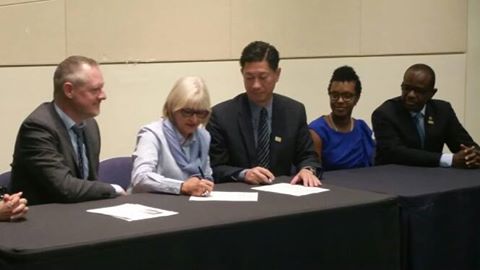
The Memorandum of Understanding provides a framework of cooperation with a view to contributing to more effective attainment of common objectives of both CHTA and FEE. Both organisations have agreed to a long-term cooperative relationship for the purpose of identifying and developing programmes and activities such as the Blue Flag and Green Key programmes as well as the initiatives developed by CHTA and CAST to attain common objectives on sustainable tourism and environmental education. This will include joint projects and activities on a regional level as well as local destination levels across the Caribbean.
The Memorandum of Understanding recognises CAST as the main resource for Caribbean enterprises to obtain training, education and implementation guidance of sustainable tourism best practises specific to the Caribbean region with the following three strategic focus areas: advocacy, environmental management and sustainable tourism support. As part of the agreement, CHTA recognises FEE and its programmes for inclusion in its sustainable tourism initiatives such as the Blue Flag programme for beaches and marinas and the Green Key programmes for hotels and other tourism facilities. The agreement will also be used to identify future cooperation between the two organisations promoting sustainable tourism projects and raising environmental awareness.
“By signing this cooperative agreement with FEE, CHTA reaffirms its commitment to sustainable development”, said Emil Lee, President of CHTA. “Certainly protecting our environment and being a responsible industry are important reasons to support sustainable development”, he said, adding: “However, there are even more profound reasons to integrate green policies into everything we do. The Caribbean is our home. Additionally, being efficient is good for our environment, but being efficient is also good for profitability, which translates into stronger economies, better infrastructure and more jobs. The partnership gives CHTA members an excellent road map for our members to follow. We welcome cooperation with an organisation like FEE with its programmes to further strengthen the sustainability agenda in the tourism and hospitality sector in the Caribbean region.”
Jan Eriksen, President of FEE, adds: “We already have a history of successful cooperation with CHTA/CAST in connection with the implementation of the Blue Flag programme in the Caribbean starting 15 years ago and we are happy now to formalise it and extend it to also include our fast growing Green Key programme.”
Semaphore – Blue Flag’s new flag producer
After a call for tender was launched in June 2014 Semaphore has been chosen to produce our flags for the next five-year period.
After a call for tender was launched in June 2014 Semaphore has been chosen to produce our flags for the next five-year period.
A strong environmentally-friendly policy and a high level of customer service convinced the committee in charge of finding a flag producer to choose Semaphore as Blue Flag’s new partner.

Semaphore team : from left to right Coerd, Mariska, Sherry, Martine, Paul and Jaap
All flags are exclusively produced in the EU and fully comply with the EU directive on eco-textiles. Furthermore, Semaphore will compensate the CO2emissions which are produced during production and transportation of the flags through FEE’s Global Forest Fund.
The national operators will now have the possibility to choose between two different flag materials for their sites. They can either choose the regular fabric or a new one, which is more resistant and therefore particularly suitable for sites with heavy weather conditions, or long seasons.
Blue Flag National Operator Meeting 2014
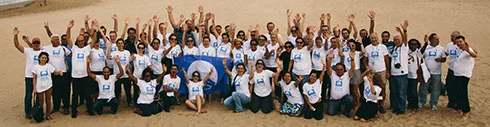
To conclude 2014, Blue Flag National Operator Meeting took place in Chania, Greece from 16th to 17th October. 45 Blue Flag National Operators from 40 countries, as well as Blue Flag International representatives and partners, attended the stimulating and productive meeting.
To conclude 2014, Blue Flag National Operator Meeting took place in Chania, Greece from 16th to 17th October. 45 Blue Flag National Operators from 40 countries as well as Blue Flag International representatives, Daniel Schaffer (FEE Chief Executive Officer), Lourdes Diaz (FEE board member) and Blue Flag partners attended the stimulating and productive meeting.
This year, the NOM was organised by the Hellenic Society for the Protection of Nature (FEE member organisation) which put a lot of effort into creating a professional and constructive atmosphere while also giving the participants the chance to experience Greek hospitality and culture. The agenda was filled with many new and exciting developments and updates from Blue Flag International, the national operators and the Blue Flag working parties.
Two new countries (Estonia and Trinidad & Tobago) joined the Blue Flag programme in 2014 and were therefore warmly welcomed to their first National Operator Meeting (NOM). It was also announced that Japan and Mauritius have started to implement Blue Flag. Another important change in 2014 was the new cooperation between Blue Flag International and the flag producerSemaphore, which will start at the beginning of 2015. Semaphore’s representatives gave an overview of their products and their history. (Read more about Semaphore)
Other topics that were discussed during the first day of this year’s NOM were: the bathing water quality criteria, the FEE Environmental Education Principles, the changes to a new website in the coming year and the progress towards including more criteria for the beaches and marinas. Moreover, it has been announced that Blue Flag will also be part of the impact assessment FEE plans in the coming years in order to get information about the global and local effects of its programmes.
The second day of the NOM was dedicated to worldwide best-practices exchange. The national operators had the opportunity to present their best-practices and to be inspired by other countries’ success stories.
A best-practice example which has been presented and which deserves special recognition is the cooperation of Blue Flag Puerto Rico with the Puerto Rican Department of Youth Correction. The idea behind this cooperation is to engage adolescents with difficult social backgrounds in environmental activities in order to help them learn how to respect others and their environment. The project was initiated in 2013 and further extended in 2014. In the first year, the adolescents took part in environmental workshops at the correction facilities and participated in cleanups after St. John’s Eve, which draws many people to the beaches every year and fills them with massive amounts of litter. In the second year the project also included the rescue of leatherback turtles which nest on Puerto Rican coasts. The adolescents helped the nestlings to find their way into the water, an act which to a certain extent was an echo of their own lives. Maria Elena Garcia, Blue Flag national operator from Puerto Rico, highlighted the enthusiasm shown by the young people during the project and the potential this kind of cooperation might have in the future.

Part of the best-practice exchange was also the presentation of the Corona project pilot phase, which was the driving force for many successful beach cleanups and environmental projects in the participating countries. (Read more about Corona here)
Like every year, the Blue Flag NOM was a successful platform to roll out old issues, to exchange new ideas and to strengthen the network, which is the basis of Blue Flag’s successes.