

Blue Flag International at the METS and World Marinas Conference in Amsterdam
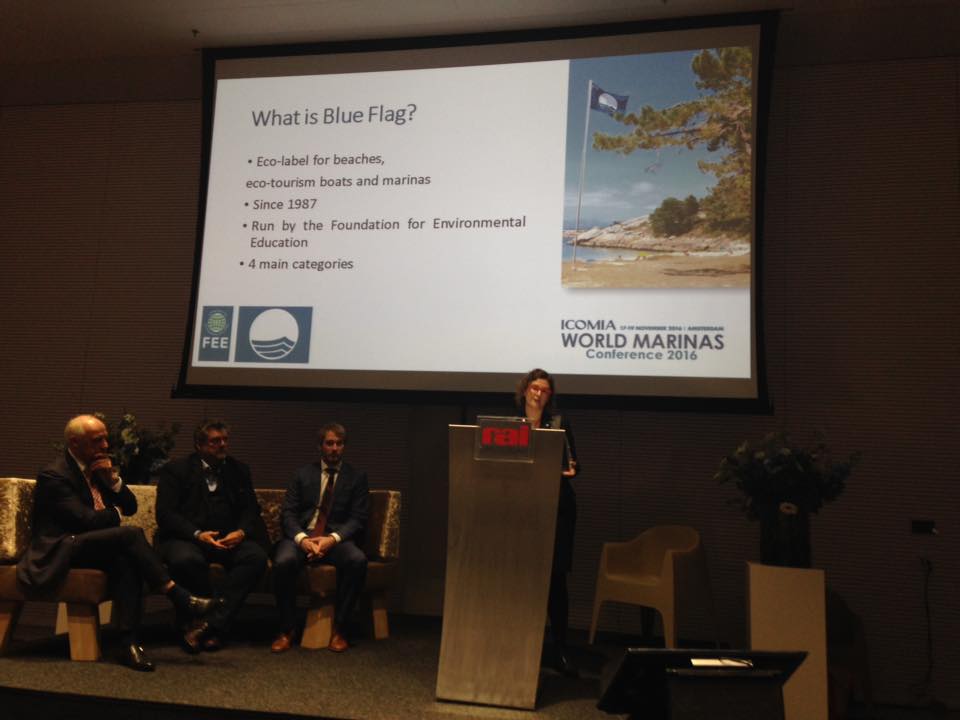
From 15 to 17 November, Sophie Bachet Granados, Blue Flag International Director, attended the METS, international boat fair in Amsterdam and the ICOMIA World Marinas Conference.
Copyright: Jean-Michel Gaigné
From 15 to 17 November, Sophie Bachet Granados, Blue Flag International Director, attended the METS, international boat fair in Amsterdam and the ICOMIA World Marinas Conference.
This year, she was one of the main speakers at the conference to present the last developments of the Blue Flag programme and the trends among the Blue Flag marinas, worldwide. In a fast changing world, it is vital for marinas to adapt and understand the growing challenges. As such, as a worldwide premiere, she presented more than ten new criteria for marinas which will be part of the 2017 set of Blue Flag criteria, to guide and encourage the marina owners to take a step further towards sustainability.
Blue Flag International thanks the ICOMIA organisation for the invitation to present the programme at this international event.
Blue Flag International thanks ICOMIA organisation for the invitation to present the programme at this international event.

OPERAs Final UserBoard Meeting in Palma de Mallorca, Spain
The OPERAs project, funded by the EU, is about moving away from what is fundamentally an academic concept (ecosystem services) towards practice.

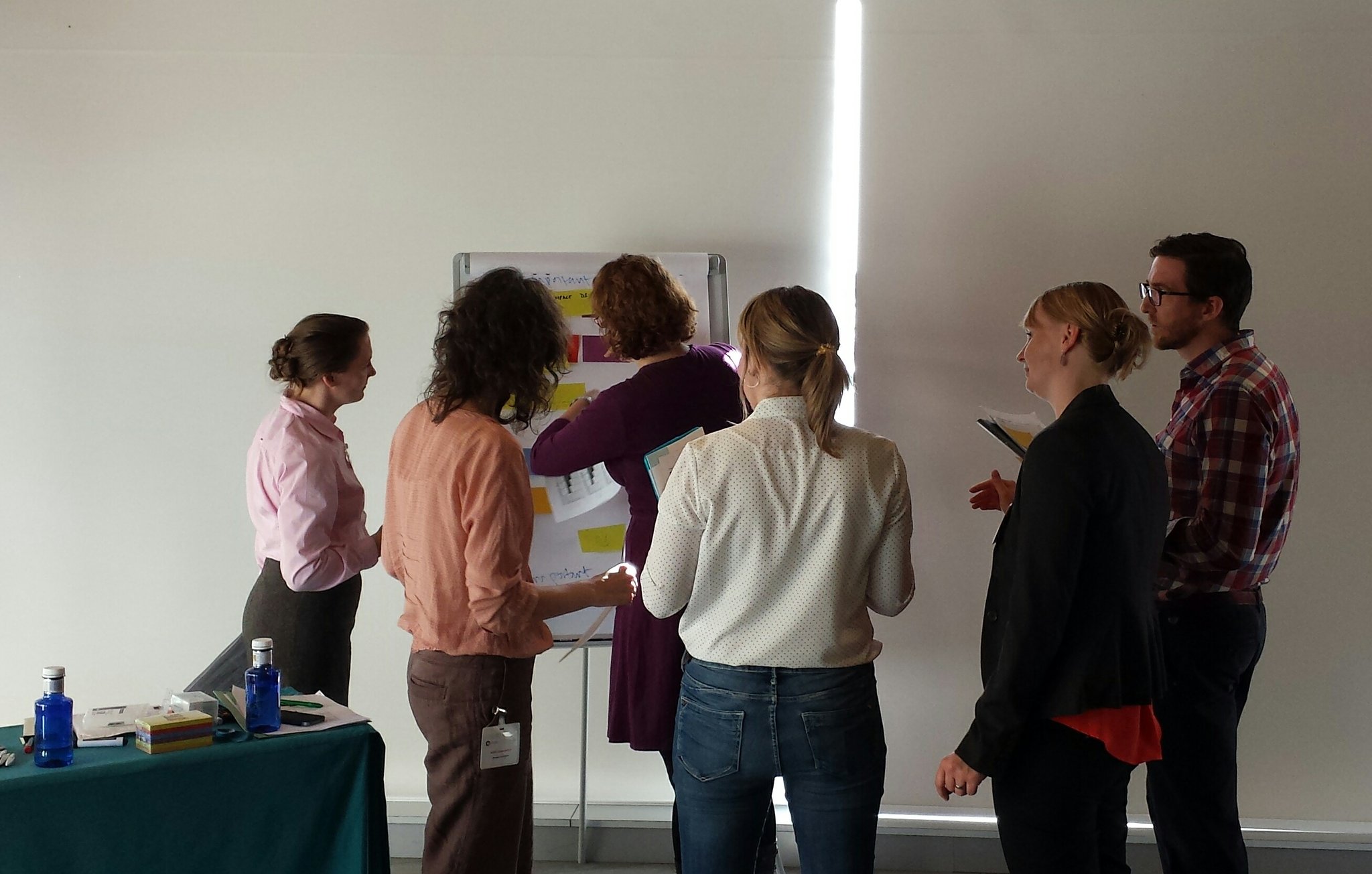
Copyright: Prospex bvba. OPERAs userboard meeting in Palma de Mallorca, Spain.
The OPERAs project, funded by the EU, is about moving away from what is fundamentally an academic concept (ecosystem services) towards practice. To this end the project brings together science, policy and practice communities through the development of tools, methods, instruments, data, best practice guidelines, examples, training, educational materials, services, events and other means. Complementing this, the OPERAs project is testing the different approaches in defined areas. Most importantly, all of this should be developed together with, and for a community of practice.
Blue Flag International has been taking part in the OPERAs project in the past four years, and provides a user point of view towards marine environment and environmental education. This year, Chris Woodey, Blue Flag International Auditor, attended the fourth and final OPERAs userboard meeting in Palma de Mallorca, Spain, to bring Blue Flag's expertise to the userboard.
More information about the OPERAS project can be found here.
Copyright: Prospex bvba / OPERAs / OpenNESS projects

Blue Flag National Operator Meeting 2016 in San Juan, Puerto Rico - 13 and 14 October
Over 40 participants attended the two-days meeting and enjoyed excursions to Blue Flag beaches, marina and ecotourism activities in beautiful Puerto Rico.
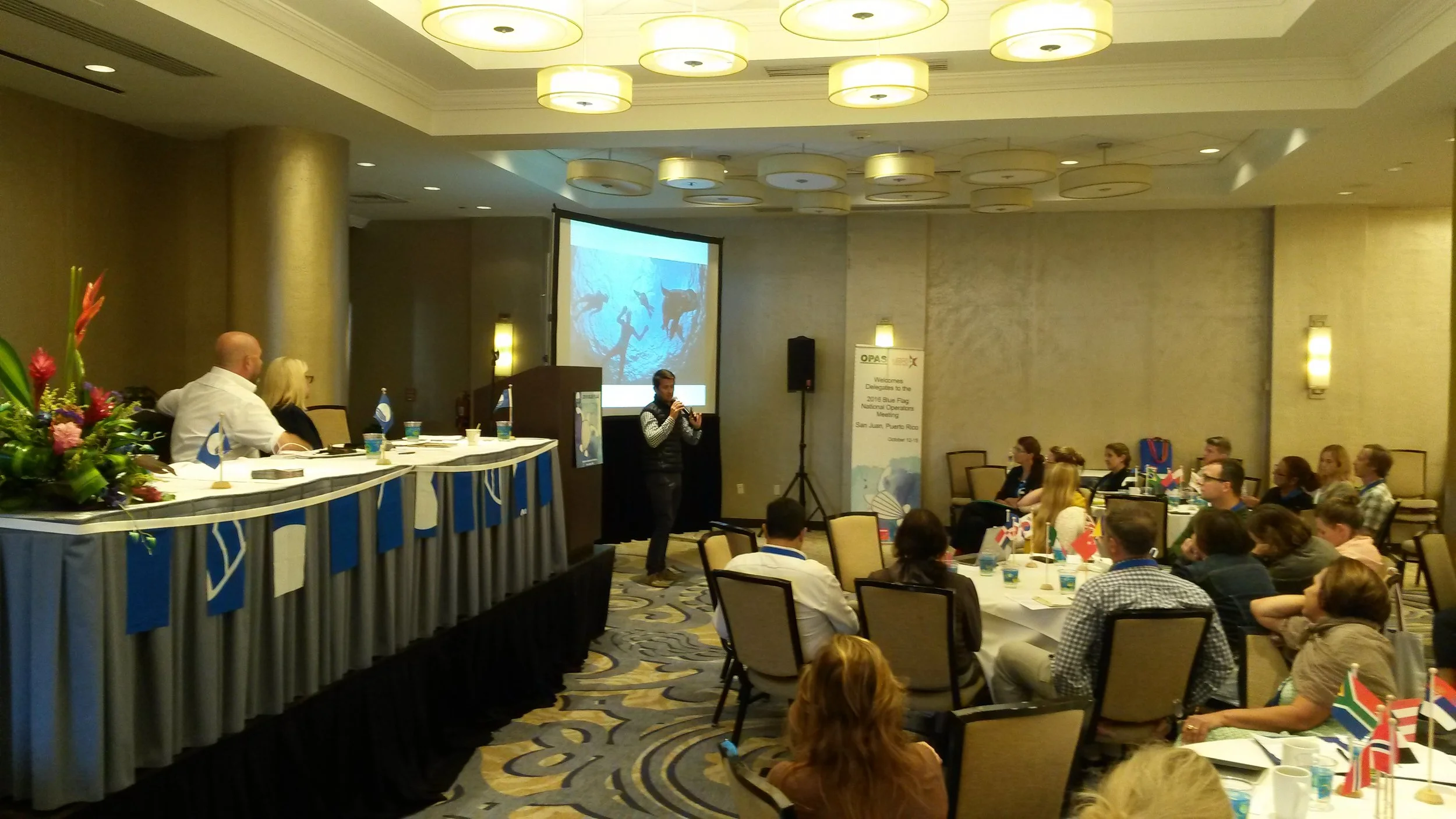
Each year, all Blue Flag National Operators from the network meet to discuss and exchange about the technicalities of the programme, the strategy, best practices and other issues. This 2016 edition took place in the Municipality of San Juan in Puerto Rico.
Over 40 participants attended the two-days meeting and enjoyed excursions to Blue Flag beaches, marina and ecotourism activities in beautiful Puerto Rico. The focus this year was on the newest Blue Flag development: awarding the sustainable boating tourism operators, as a means to take further action in the marine sustainability. Many countries brought to the table their best national expertise to inspire others.
We wish to thank the Blue Flag National Operator, Organizacion Pro Ambiente Sustentable, the municipality of San Juan and all the sponsors involved for the warm welcome and the fantastic venue!
Picture Credit: Blue Flag International
Blue Flag awards in South Africa
The annual Blue Flag Awards celebrated the sustained partnerships that WESSA has built with key municipalities as well as committed private entities around the country. These Municipalities and private entities have recognised the value of Blue Flag not only to environmental management and education, but also to tourism, economic development and job creation.
The annual Blue Flag Awards celebrated the sustained partnerships that WESSA has built with key municipalities as well as committed private entities around the country. These Municipalities and private entities have recognised the value of Blue Flag not only to environmental management and education, but also to tourism, economic development and job creation.
The Blue Flag South African Launch was hosted by the Ray Nkonyeni Municipality (formerly known as the Hibiscus Coast Municipality). Ray Nkonyeni walked away with seven Full Status Blue Flag beaches at the launch. The regular attendance of Minister of Tourism, Derek Hanekom, is a confirmation of the ongoing support for the Programme by the South African government. The Minister had said that we have an incredible diversity of marine life along our country's 3,000km of coastline. We need to double our Blue Flag coverage to protect our natural heritage as this creates tourism and tourism creates jobs. He added that he really values the partnership the National Department of Tourism has entered into with WESSA. The project is about looking after our precious coastal resources and marks the beginning of the Working for Tourism programme. The Mayor of Ray Nkonyeni Municipality, Nomusa Mqwebu (Figure 1), who delivered the opening address at the event said: "Blue Flag is the ideal catalyst to improve tourism".
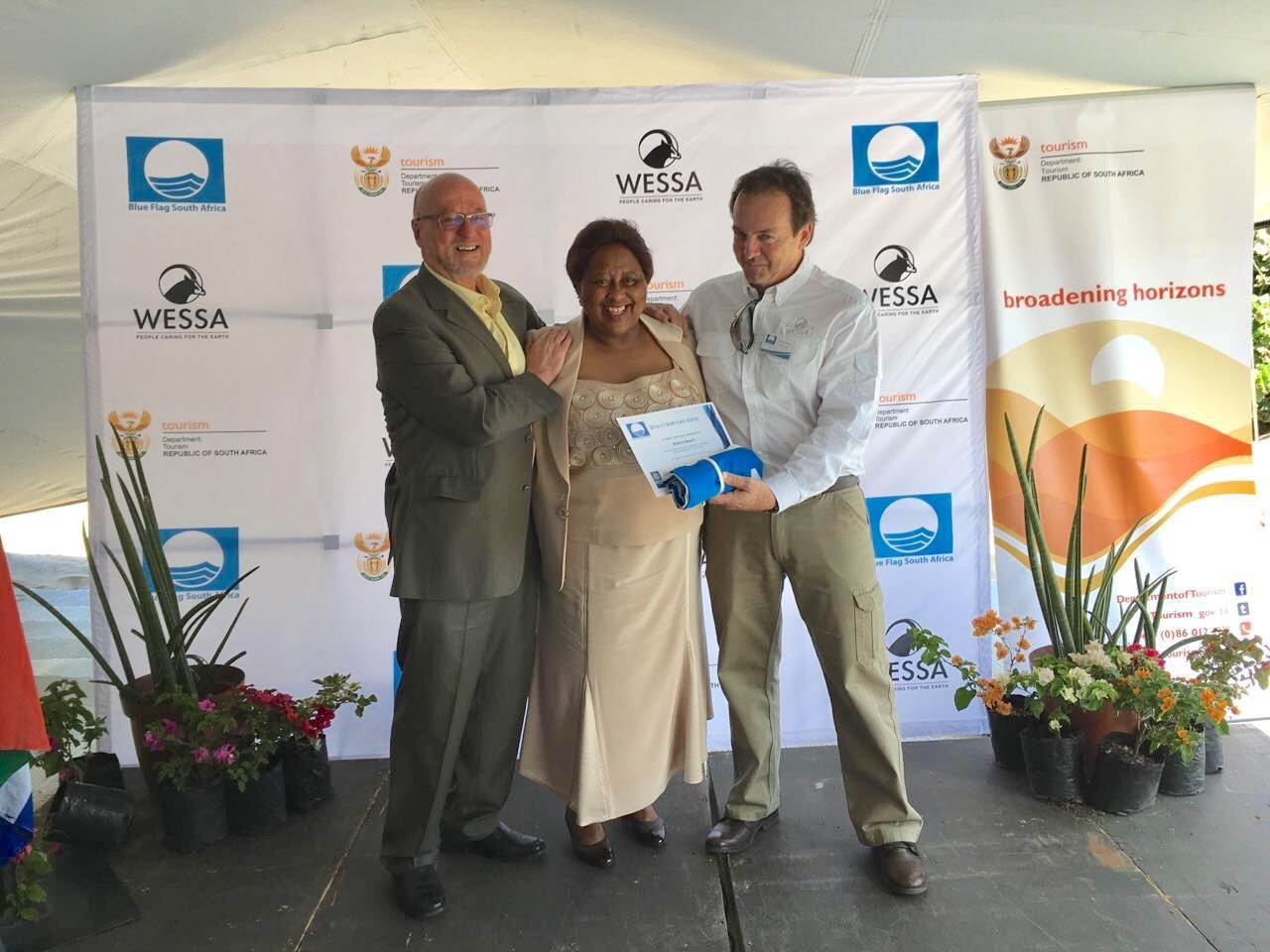
Figure 1: The mayor of Ray Nkonyeni Municipality, Nomusa Mqwebu (Centre) receiving the Blue Flag awards for all seven beaches within the municipality from the Minister of Tourism Dereck Hanekom (Left) and WESSA CEO Dr Thommie Burger (Right).
This year’s event also marked the launch of an exciting new coastal tourism project to be managed and implemented by WESSA in partnership with the National Department of Tourism. The Tourism Blue Flag Project aims to improve tourism facilities and services offered at 50 Blue Flag sites across South Africa, while also providing youth employment opportunities. Through this project, 200 participants will be employed in the role of “Beach Stewards” (Figure 3) and hosted by local coastal municipalities at beaches. The participants will also receive accredited training in environmental education and practical work experience centred on monitoring and data collection, as well as facilitators of tourism initiates and hospitality on beaches. The ultimate aim of the Tourism Blue Flag project is to developing the Beach Stewards for further employment in the coastal tourism sector.
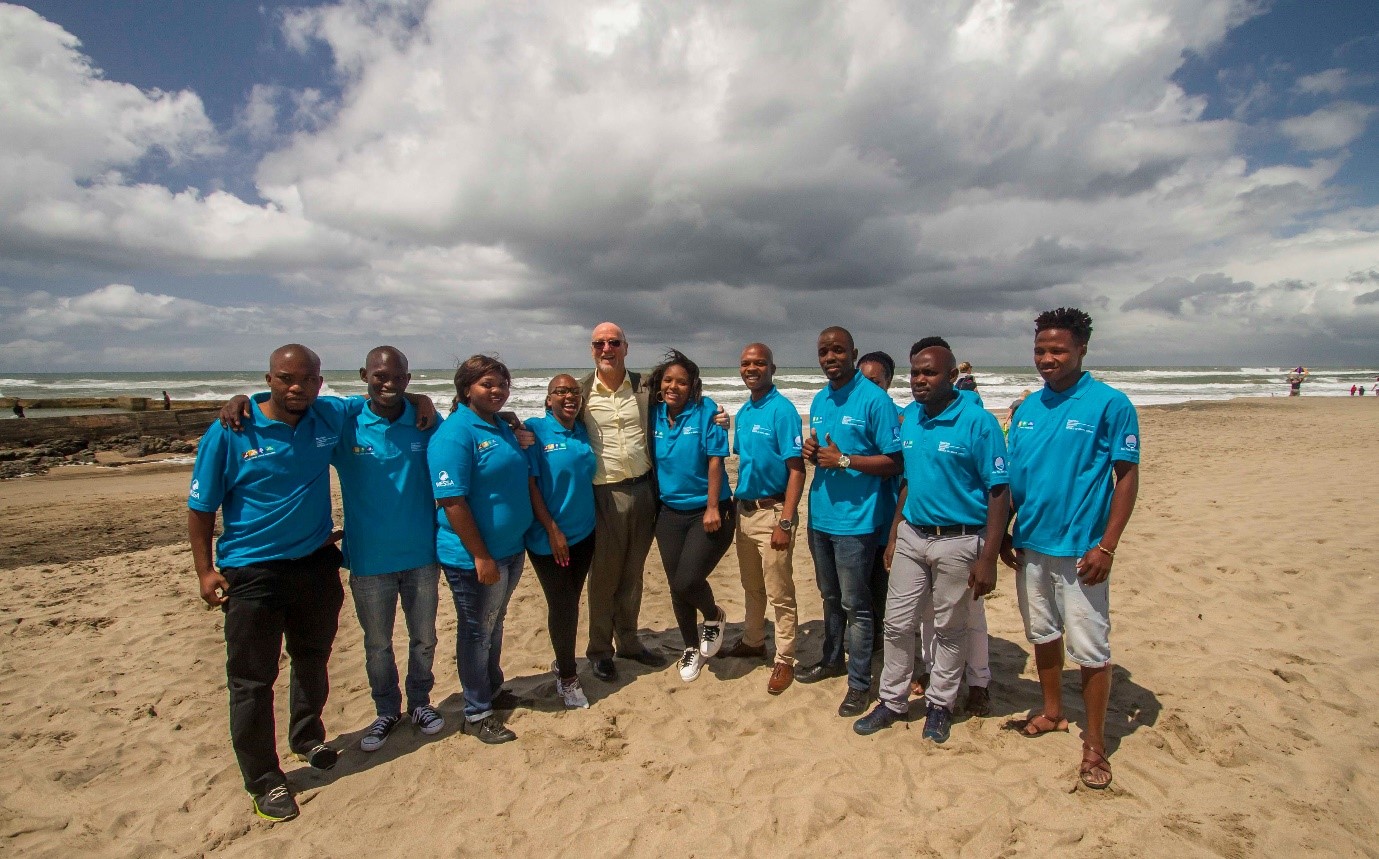
Figure 3: Minister of Tourism (Centre) with Stewards from the Tourism Blue Flag Project (clothed in blue shirts)
An exciting development in the Blue Flag programme internationally has also been the expansion of Blue Flag certification programme to acknowledge sustainable boating operators in the tourism industry (Figure 4). In the past, sustainable boating operators have simply signed a code-of-conduct with Blue Flag around operating sustainably, but now operators offering boating activities – such as bird, seal and whale watching, cage diving, recreational diving and recreational fishing – can be awarded formal certification if they comply with Blue Flag’s newly defined set of strict boating criteria. South Africa is at the forefront of this new development as one of only three Blue Flag member countries to have received accreditation for sustainable boating operators in the 2016/17 Season.
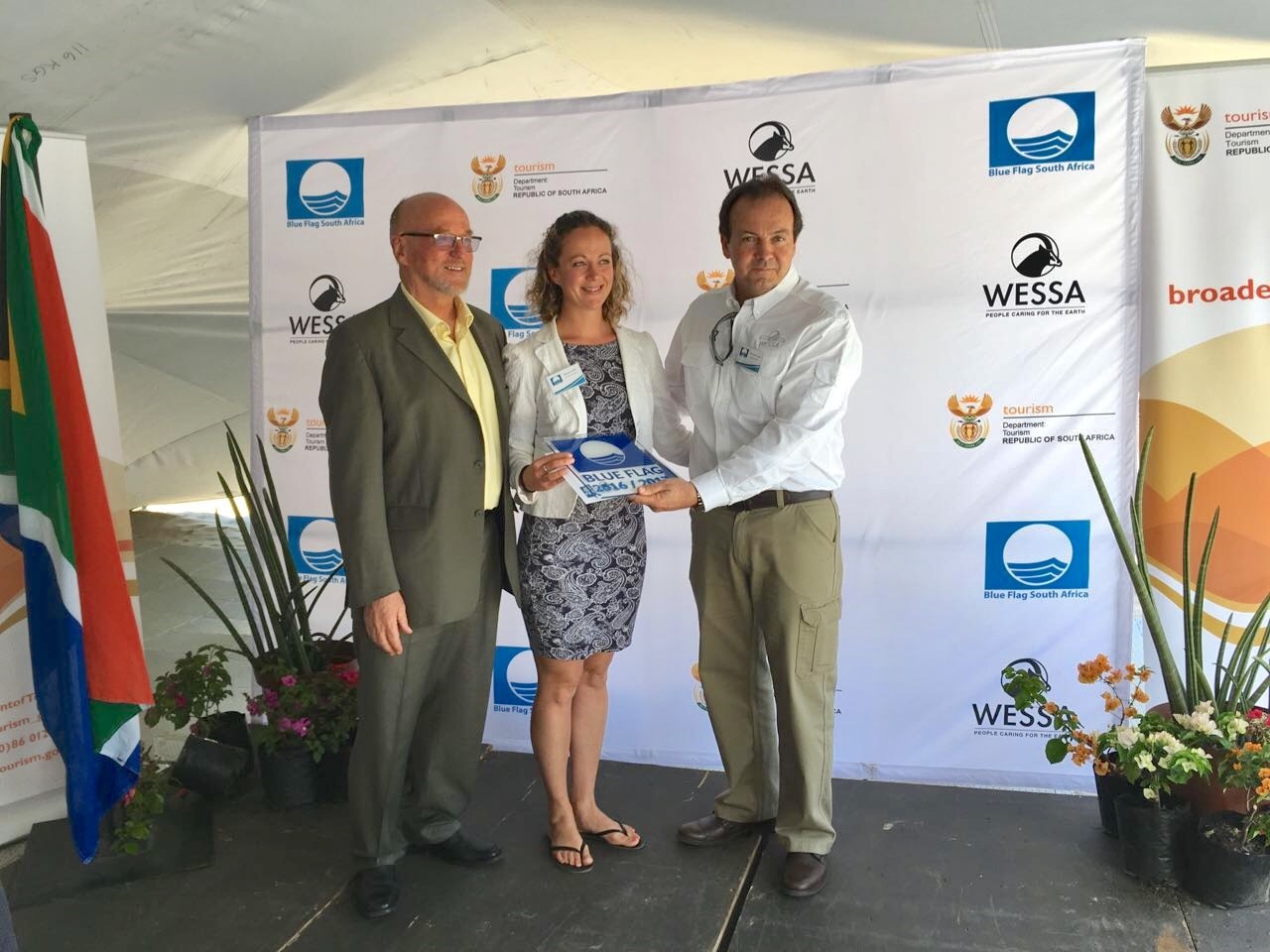
Figure 4: Monica Taylor (Centre) from offshore adventures receiving the Blue Flag award for Sustainable Boating Tourism Operators for their vessels Robberg Express and Oceanic Express from the Minister of Tourism Dereck Hanekom (Left) and WESSA CEO Dr Thommie Burger (Right).
First Blue Flag boats in the Southern Hemisphere
More than 120 sites were awarded the world’s leading eco-label for the 2016-2017 season by the Blue Flag International Jury
More than 120 sites were awarded the world’s leading eco-label for the 2016-2017 season by the Blue Flag International Jury.
On September 6th, the International Blue Flag jury members met for the second time in 2016 in order to review and award the applications of the sites based in the Southern Hemisphere. 124 sites have been awarded for the 2016-2017 Blue Flag season in the Southern Hemisphere, 97 beaches, 18 marinas and 11 boats within nine countries running the Blue Flag programme in this part of the world.
Globally, the Blue Flag is proudly flying over 3559 beaches, 676 marinas and 30 boats in 2016.
After years of work on the Blue the Flag for Sustainable Boating Tourism Operators criteria, we are glad to announce that the first boats for the Southern Hemisphere have been awarded, in Puerto Rico and South Africa.
“This new development is extremely important for us, and it’s very exciting to see that sustainable boating tourism operators in Puerto Rico and South Africa are joining the ones awarded in April in Iceland and Spain. These four countries have successfully implemented the Blue Flag award for eco-tourism boats. They are a great inspiration to the other countries of the network which are also working on implementing the award for eco-tourism boats in the near future. We are looking forward to cooperate on this development with new partners, such as the World Cetacean Alliance”, says Sophie Bachet Granados, International Blue Flag Director.
The full list of awarded sites will be published on the 1st of November on the international Blue Flag website. Users can visit the new Blue Flag website and enjoy its new maps and search systems, in order to find the perfect site depending on their needs.
The next meeting of the Blue Flag International Jury will take place the 20th of April 2017 to award beaches, marinas and boats from the Northern Hemisphere.
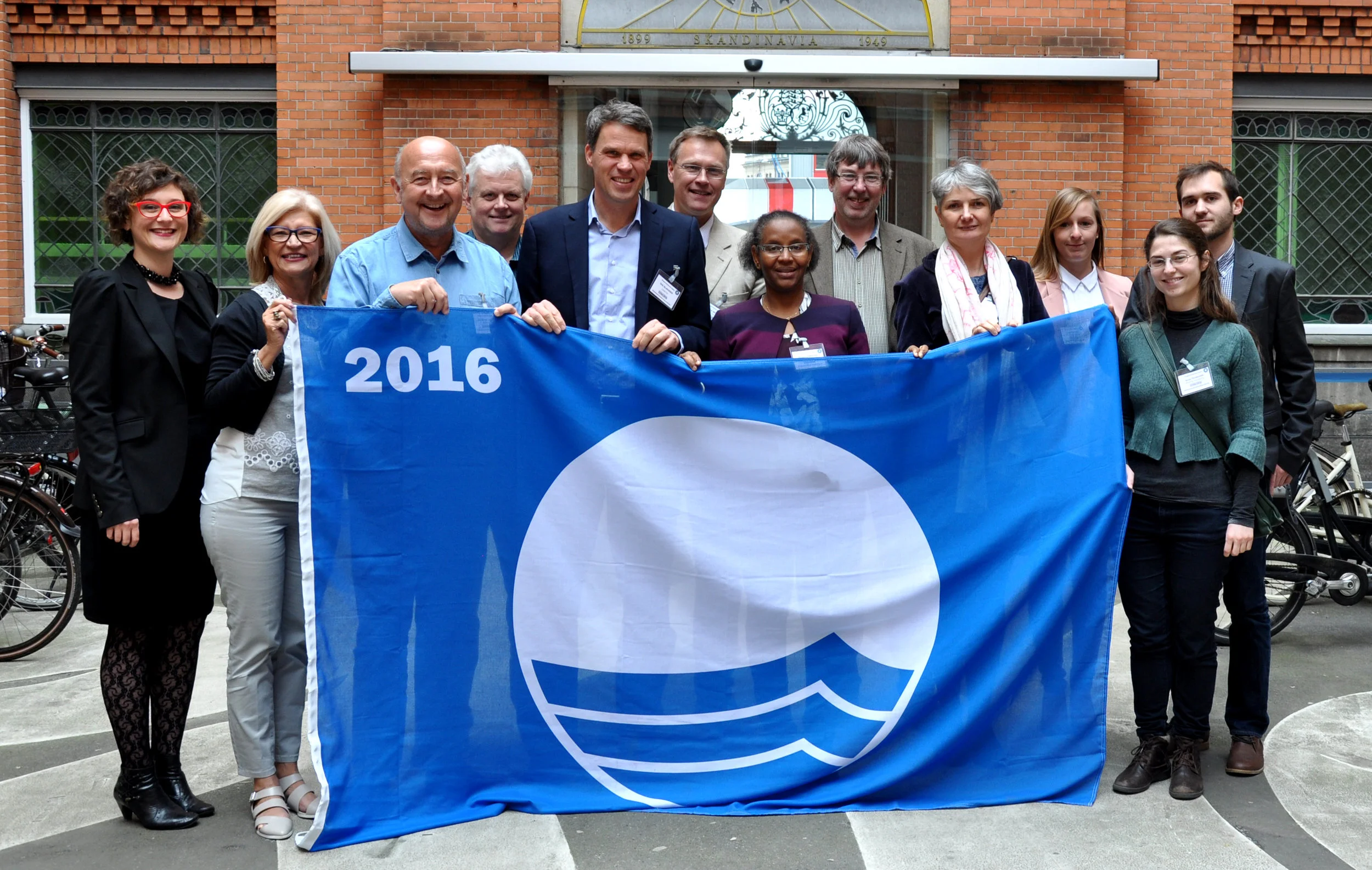
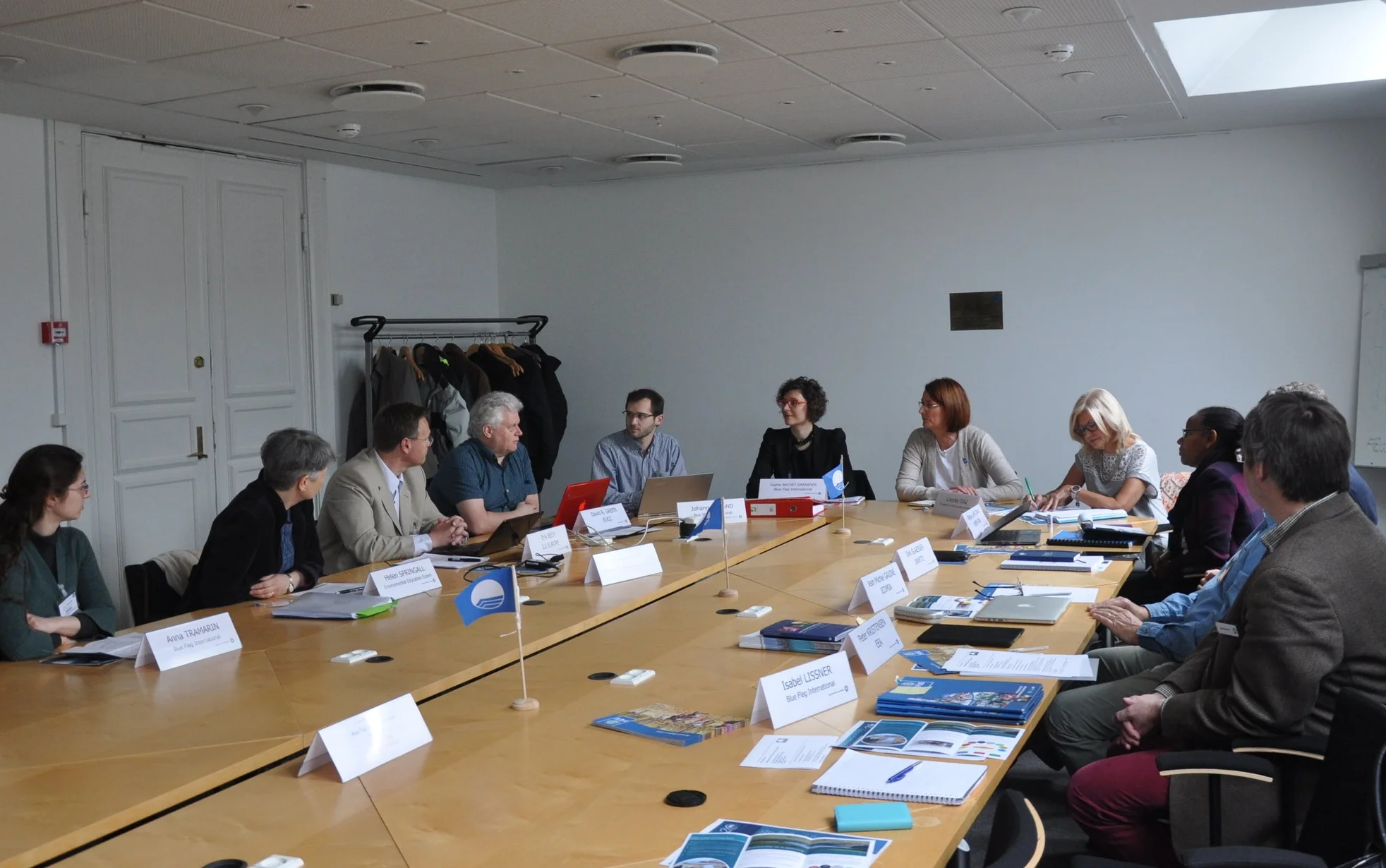
The International Blue Flag Jury is composed of representatives from the United Nations Environment Programme (UNEP), the United Nations World Tourism Organization (UNWTO), International Lifesaving Federation (ILS), the European Environment Agency (EEA), the European Union for Coastal Conservation (EUCC), the International Union for Conservation of Nature (IUCN), an Environmental Education expert, the International Council of Marine Industry Associations (ICOMIA) and FEE. You can find out more about them on Blue Flag’s website.
The Blue Flag greatly appreciates the support of its sponsor and worldwide flag producer, Semaphore.

Shark Friendly Marina Initiative, Puerto del Rey Marina, Fajardo, Puerto Rico
The Shark Friendly Marinas Initiative aims to severely reduce shark mortality and save tens of thousands of sharks per year along the Pacific, Atlantic, and Gulf coasts by prohibiting the landing of any shark at participating marinas.
The ocean today is at a crisis point; global warming, pollution and land reclamation are already destroying the fragile balance of the sea. When we add to that the destructive effects of over fishing and mismanagement of fish stocks the scientific community agree, we may well witness the total collapse of the oceans ecosystem within our lifetime.
Life in the ocean is all tied into a fragile but robust system called a food chain. Imagine it like a pyramid built of layers called trophic levels. The first and largest trophic level consists of algaes and phytoplankton and bacteria. As we move up the trophic pyramid we encounter various animals from the very small fish and corals to the very large predators and ultimately end up at the top trophic level which is dominated by sharks.
For hundreds of millions of years this amazingly complicated web has self regulated and remained stable, that is until we developed fishing techniques that exceed the sustainable fishing levels. Currently on a worldwide scale almost every species of fish which is caught for commercial or and recreational purposes is fished beyond a sustainable level. Of most concern to us is the shark.
A healthy ocean needs sharks. They regulate populations of other large predatory fish and create stability in the food web. Without sharks in the ocean it is likely that in a very short time the food web would collapse from the top down, resulting in an ocean depleted of fish and human nourishment. In a very real sense the measure of our healthy ocean is the presence of sharks, and in that case we are in serious trouble.
Commercial fishing fleets are currently responsible for between 60 and 100 million shark deaths per year. Many shark species have declined in numbers by 90%. There are currently over 150 species of shark listed on the IUCN’s Red List as near threatened or worse. Over 40 of these are considered at serious risk including the great hammerhead, oceanic white tip, grey nurse, the great white, Caribbean reef shark, leopard shark and the tiger shark, just to name a few familiar examples.
While action certainly needs to be taken on a global scale the fight to save our oceans needs to take place in your own backyard. In 2008 the National Oceanic Atmospheric Administration reported ½ million sharks killed for recreational purposes, most of these were large sharks and most likely of breeding age. The vast majority of the anglers responsible for this catch are private boat owners and charter fishing boats.
The Shark Friendly Marinas Initiative aims to severely reduce shark mortality along the Pacific, Atlantic, and Gulf coasts by prohibiting the landing of any shark at participating marinas. This initiative stands to save tens of thousands of sharks per year as well as set a new global standard for responsible management of our oceans' resources.
Here’s the bottom line: with this initiative, fisherman will no longer be allowed to bring sharks into a Shark-Friendly Marina for any photographic or trophy display purposes or for any cleaning or processing of the shark for fins, meat, jaws, or any other by-product.
Participating marinas will encourage those fishermen who are determined to fish for sharks to exercise safe catch-and-release techniques. While not as definitive as an outright ban on shark fishing, the acceptance of catch-and-release fishing techniques represents an incremental step in protecting valuable marine resources, with the intent that the long-term cumulative effect of the Shark Friendly Marina Initiative will ultimately make shark fishing less attractive as an activity.
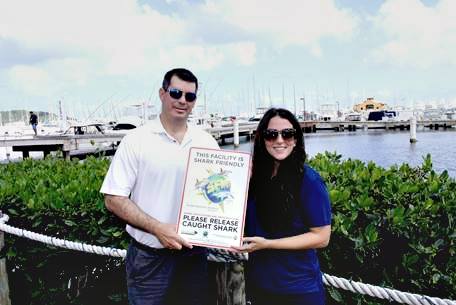
Puerto Del Rey is proud to join the Shark Free Marina Program. Since acquiring the Marina in 2013, the new administration, Putnam Bridge Funding, has made its commitment to the environment one of its top priorities, including work to improve the surrounding waters and eco-systems in the Marina area. Puerto Del Rey has a strong fishing community as part of its boating clientele, and the Marina understands that it is important to connect its recreational fishermenwith groups such as Shark Free Marina, in order to educate and fight against declining shark populations, which are an important component to the ecosystems that makeup our oceans. The Marina has already committed to the protection of the billfish species, by ensuring its annual billfish tournament is conducted as a catch-and-release format, in order to protect the billfish species in Puerto Rico. Puerto Del Rey is excited to begin its latest endeavor with its partnership with Shark Free Marina in order to extend this work to protect shark species.
Puerto Del Rey will support the Shark Free Marina initiative by implementing various new regulations as part of the Marina’s overall green-friendly strategies. First, the Marina will make specific amendments to its Harbor Regulations by including a rule which prohibits fisherman from landing any shark at our Marina, including the extension of this rule to the commercial fishermen’s docks. Management has already spoken to the spokesperson of the commercial fishermen’s group and we agreed that they will not be fishing or catching shark. The Marina will ensure that any new client that brings his or her vessel to Puerto Del Rey is advised of the rule when signing a vessel space license agreement. Further, in order to educate the Marina’s current clients, Puerto Del Rey plans to host environmental talks with its clients and the local communities to raise awareness about the importance of protecting this species. The Marina will host these educational activities in coordination with the organization “Pesca, Playa, y Ambiente”, a local group which works to promote the conservation of our environment through education.
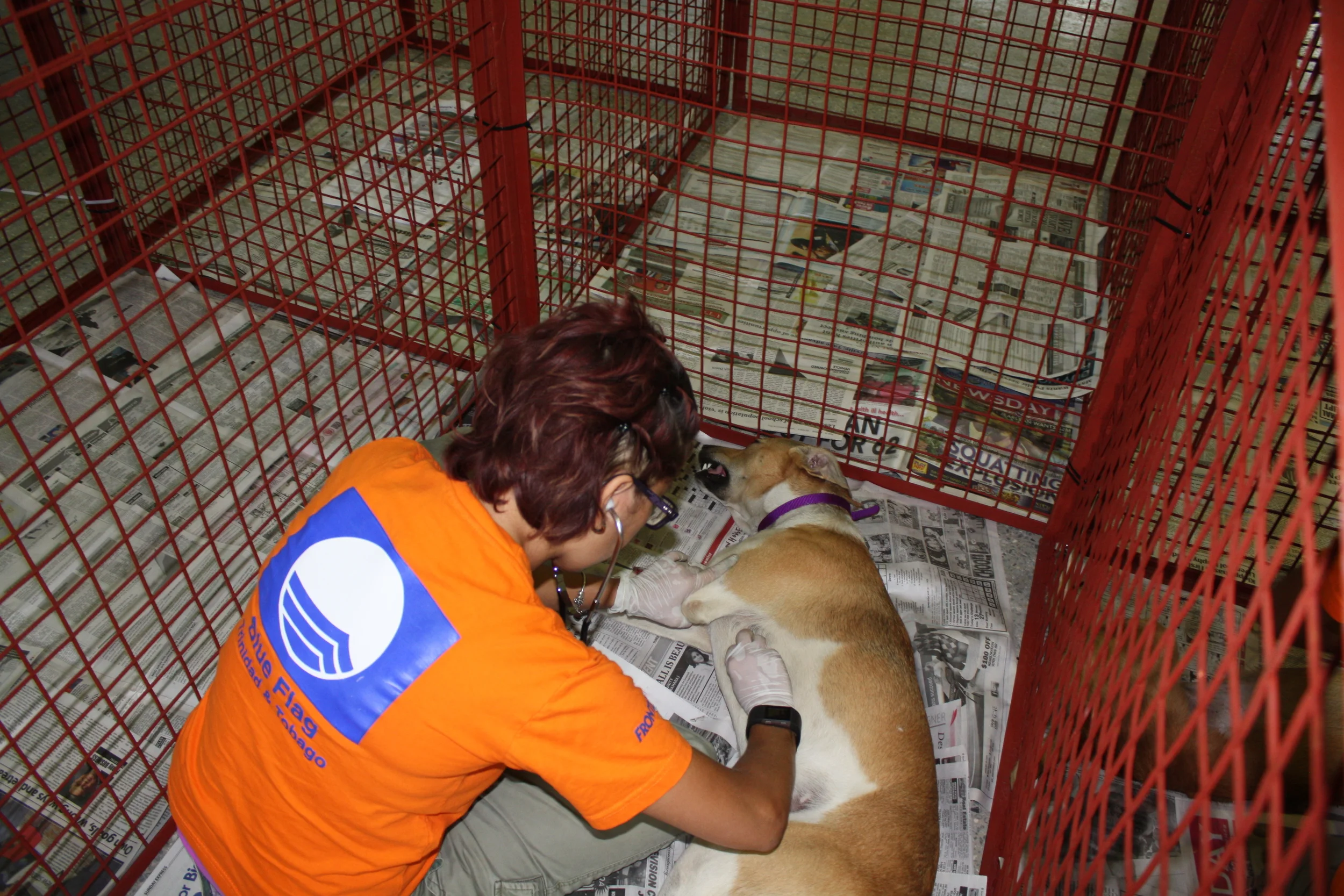
Trinidad and Tobago engages in Responsible Pet Ownership Project to control the stray animal population
The Responsible Pet Ownership project was one of five environmental outreach activities completed by the TDC in order to maintain the Las Cuevas beach facility’s Blue Flag status.
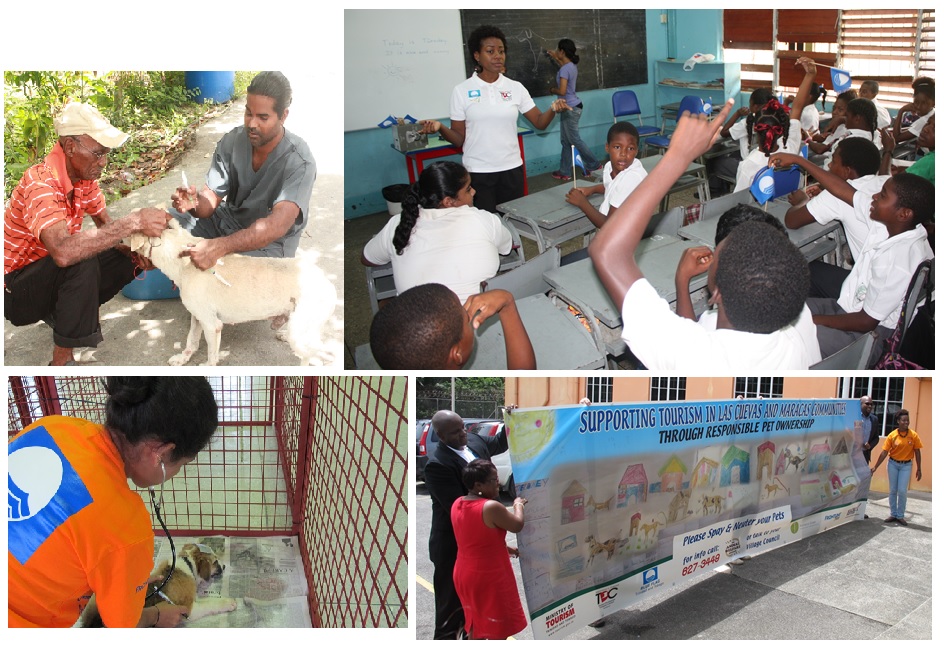
One hundred and seventy-three (173) pets belonging to residents on the North Coast of Trinidad received free veterinary treatment during the final segment of a four-part community engagement – “Humane Stray Animal Control through Spay and Neuter Intervention and Responsible Pet Ownership” programme facilitated by Asclepius Green, the National Coordinator for the Blue Flag programme, and supported by the Tourism Development Company (TDC) in May and June 2016. Asclepius Green is proud to work with the Beach Operator (TDC) as they seek to meet and maintain strict Blue Flag certification criteria including the control of the stray animal population on its Blue Flag beach.
The clinic was officially opened with a small ceremony attended by Tourism Officials, members of several animal welfare NGOs and staff and students of the Las Cuevas Government Primary School. The field veterinary clinic had a dedicated veterinary team of passionate volunteers giving over 900 hours of free work to the project. The clinic opened daily from 7:30am to 7:30pm and of the 173 animals seen, 102 were spayed/neutered.
The Responsible Pet Ownership project was one of five environmental outreach activities completed by the TDC in order to maintain the Las Cuevas beach facility’s Blue Flag status.
Other community outreach initiatives undertaken included an interactive school outreach session at the Las Cuevas Government Primary School; a community outreach event on responsible pet ownership and tourism; and a community walkabout to raise awareness, provide basic medical care to pets and pre-register pet owners for a free spay and neuter field clinic.

The first Russian Blue Flag beach provides comfortable vacation for people with disabilities
The first Russian Blue Flag beach is located in the Jantarny village, Kaliningrad region, and stretches along the coast of the Baltic Sea over 300 meters with fine white sand.
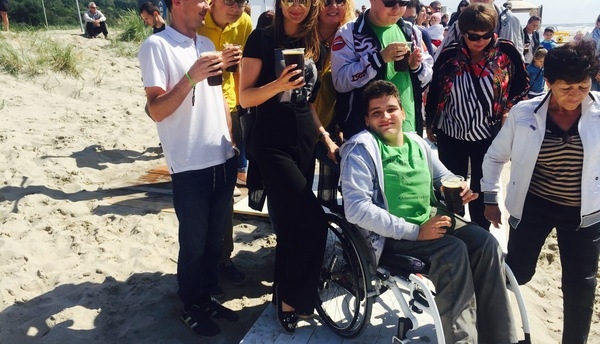
The first Russian Blue Flag beach is located in the Jantarny village, Kaliningrad region, and stretches along the coast of the Baltic Sea over 300 meters with fine white sand. The spacious beach stadium with comfortable rostrums, cafe, car parking and other facilities are located not far from the beach area. After a strong wind you can find on the beach some pieces of amber washed waves on the shore.
The beach meets all required Blue Flag criteria and provides a comfortable vacation for people with disabilities. To the beach leads the wooden descend of promenade, which represents a wooden track along the coast with observation platforms. Its total length is 1980 meters, including 700 meters over the water. The material used for construction — Siberian larch, which, thanks to its high content of resin in its wood exclusively is resistant to decay.
On the beach there is some wooden flooring, on which the bathing wheelchairs "Tiralo" for people with disabilities are placed. The Tiralo is a beach chair designed for people with reduced mobility. It rides on the beach (sand, gravel, ground) or floats on the water, and goes from one to the other without requiring any adjustments. On to this wheelchair, disabled people can be placed by using the special lift. The representatives of the society of people with disabilities take part in assembling of such bathing wheelchairs in France, where the Tiralo is extensively used.
Within the framework of the regional project "Flowers of Life" the local young people with disabilities took part in the construction of meteorological booth which shows the current settings for the environment, air and water temperature, time and date. This booth is set on the beach , for all users to enjoy.
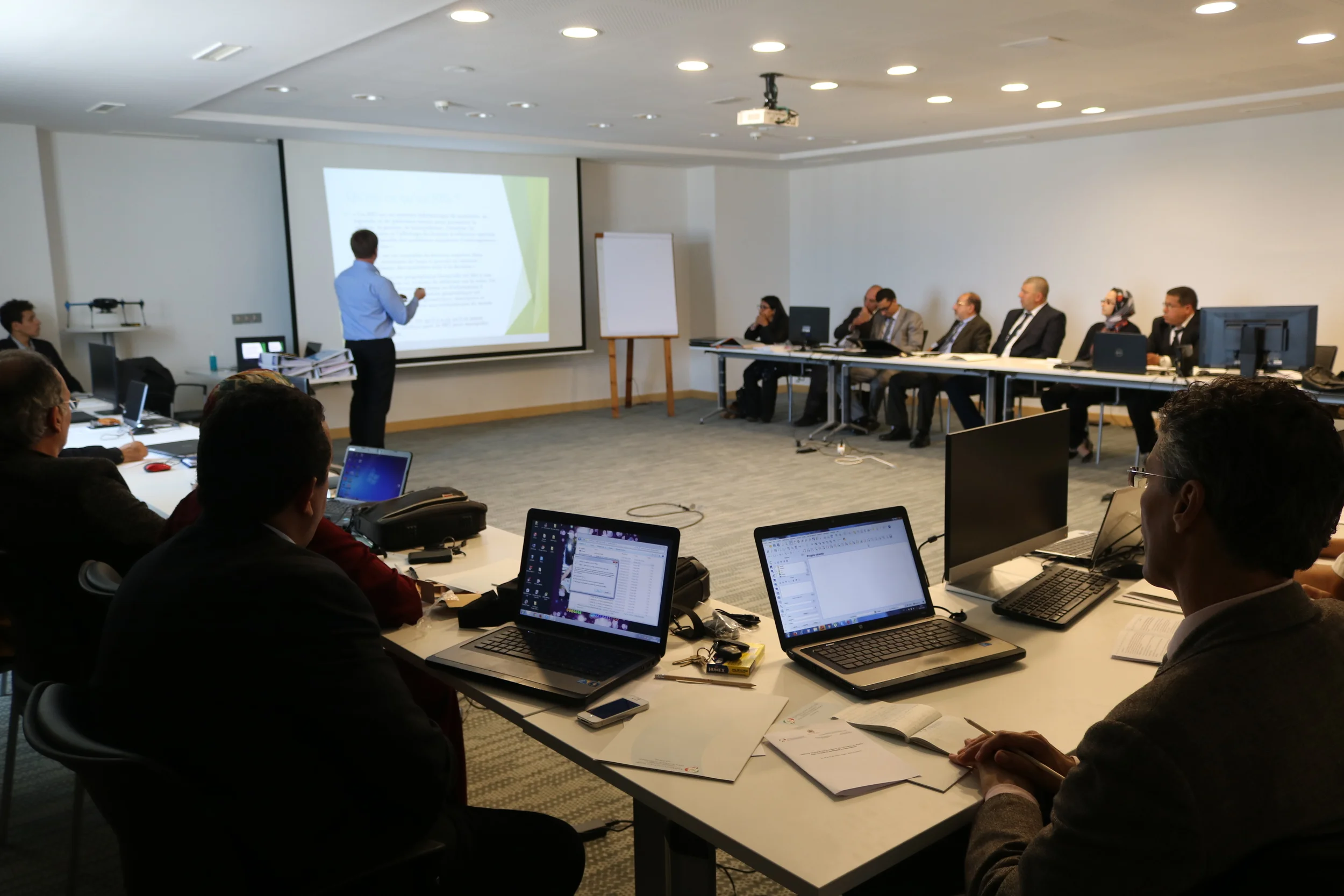
Morocco organised a three day training for the local technical managers responsible for the management of the Blue Flag beaches
For the year 2016, 120 technical managers responsible for the management of beaches within 25 wilayas and prefectures (locals’ authorities) and over 55 coastal municipalities have been trained in beach management.
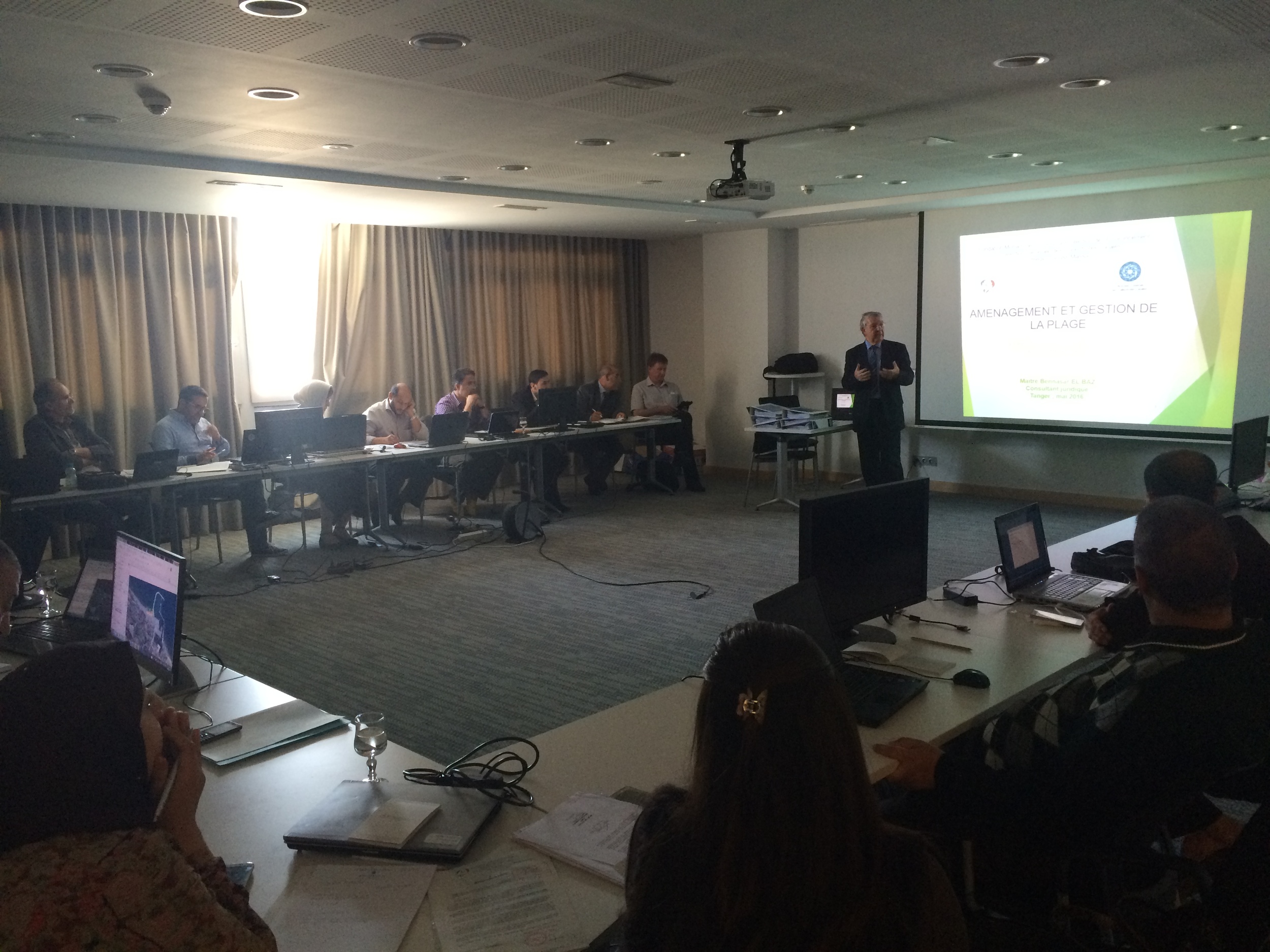
For the year 2016, 120 technical managers responsible for the management of beaches within 25 wilayas and prefectures (locals’ authorities) and over 55 coastal municipalities have been trained in beach management. This skill-building cycle consists of three sessions of three days each, in three different cities in Morocco: Agadir, Tangier and Casablanca.
This beach management training cycle is based on technical tools developed by the Mohammed VI Foundation for Environmental Protection (Blue Flag National Operator in Morocco) and on the regulatory aspects of coastal management. The Foundation provides local authority agents with a project management manual to facilitate their work in the field. This manual is the result of a study conducted by the Foundation with the General Directorate of Local Authorities in 2014 on the sustainable management of beaches and coastline within the framework of the Clean Beaches and Blue Flag programs.
This capacity building should facilitate the work of all local stakeholders to enable them to more easily raise beach quality and enable local authorities to support their investments in their territory with the aim of generating economic and social benefits.
The training agenda included Blue Flag planning and project management, beach characterization indicators, guidance values and tables of the budgeted objectives for defining the communal budgets for the coming years.

A job with teeth – South Africa’s Blue Flag National Operator shares his extraordinary control visit on a shark cage diving boat.
For testing the feasibility of Blue Flag’s new criteria for sustainable boating tourism operators, Vincent Shacks, Blue Flag National Operator in South Africa visited a shark cage diving tour operator in False Bay. Although the encounter with the Great White Sharks was the highlight of his tour, the professional insights he gained into the industry were of equal value for him.
For testing the feasibility of Blue Flag’s new criteria for sustainable boating tourism operators, Vincent Shacks, Blue Flag National Operator in South Africa visited a shark cage diving tour operator in False Bay. Although the encounter with the Great White Sharks was the highlight of his tour, the professional insights he gained into the industry were of equal value for him.
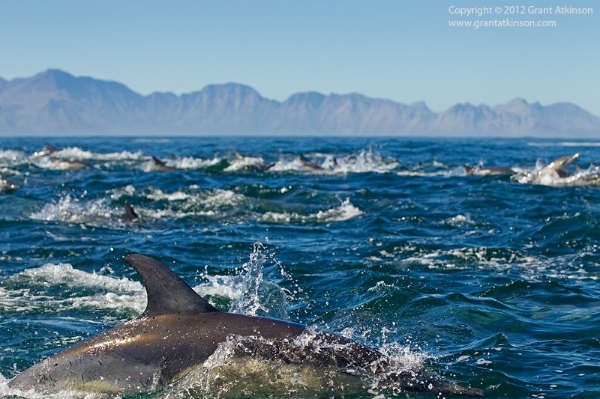
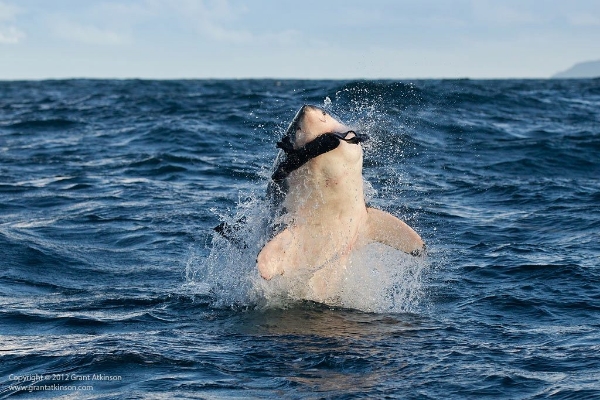
“In the winter of 2015 I joined an award winning shark cage diving operation in Simons Town (Cape Town) to view the famous “flying sharks” of South Africa. The idea of climbing into a cage that is surrounded by Great White Sharks dominates your expectation of a trip like this, but the boat ride out to Seal Island is no standard transfer. On route to Seal Island we spotted numerous species of pelagic birds, two southern right whales and a “mega pod” of common dolphins! All of this before even one Shark. After a while the captain put out our soft seal decoy to be pulled slowly behind the boat. This decoy mimics a small seal swimming through the water and in a matter of minutes the water exploded with a 4 meter Great White Shark launching itself out the water to catch this decoy. All of this action and I had still not yet climbed into a cage!
Once the adrenaline had flushed out of our systems, the boat anchored at a spot just west of the island. After sitting in the cage for about 5 minutes, I heard the captain cry “Shark- 12 o’clock”. A three and half meter Great White Shark, slowly drifted out of site. I thought I had missed it, but the Shark banked left and eased back into view. This incredible animal then slowly swam closer to the cage, eventually filling my frame of view with just Shark. It gently turned in front of the cage and passed full length alongside me. What an incredible experience. In the course of my half hour in the cage the Shark would visit me again as well as a second larger adult. Both animals were completely calm and relaxed around our boat. This was an amazing way to interact with this very misunderstood ocean predator. The tour leaders were incredibly informative about the surrounding ecosystem and more especially the Great White shark population of False Bay. Each shark sighting was recorded in a monitoring book along with any visual identification markers that could be seen on the Shark. There is no doubt in my mind that this activity has given me a new appreciation of this keystone predator and I would encourage anyone interested in our ocean environment to do this. At no point was I or the animal put in any danger or difficult situation and I believe the experience is critical to developing a new public perception of these important species.
A visit on board the vessel was incredibly useful for me as a Blue Flag National Operator as one is able to visualise the practical and direct impacts of some of the criteria. There was no better way to pilot-test the criteria or the operation than by experiencing the activity as a regular paying client would. By joining an existing trip with a boat full of clients, we were able to assess the interaction of the operators with the clients as well as understand the visitor behaviour."

Northern Ireland's best beaches celebrate with Blue Flag awards
The International Blue Flag Awards have recognised ten of Northern Ireland’s beaches as “world class” for their facilities and water quality. The new Minister for Agriculture, the Environment and Rural Affairs, Michelle McIlveen, attended the ceremony as her first public event.
The international Blue Flag award is administered locally by environmental charity Keep Northern Ireland Beautiful, and is a mark of excellence in 49 countries.
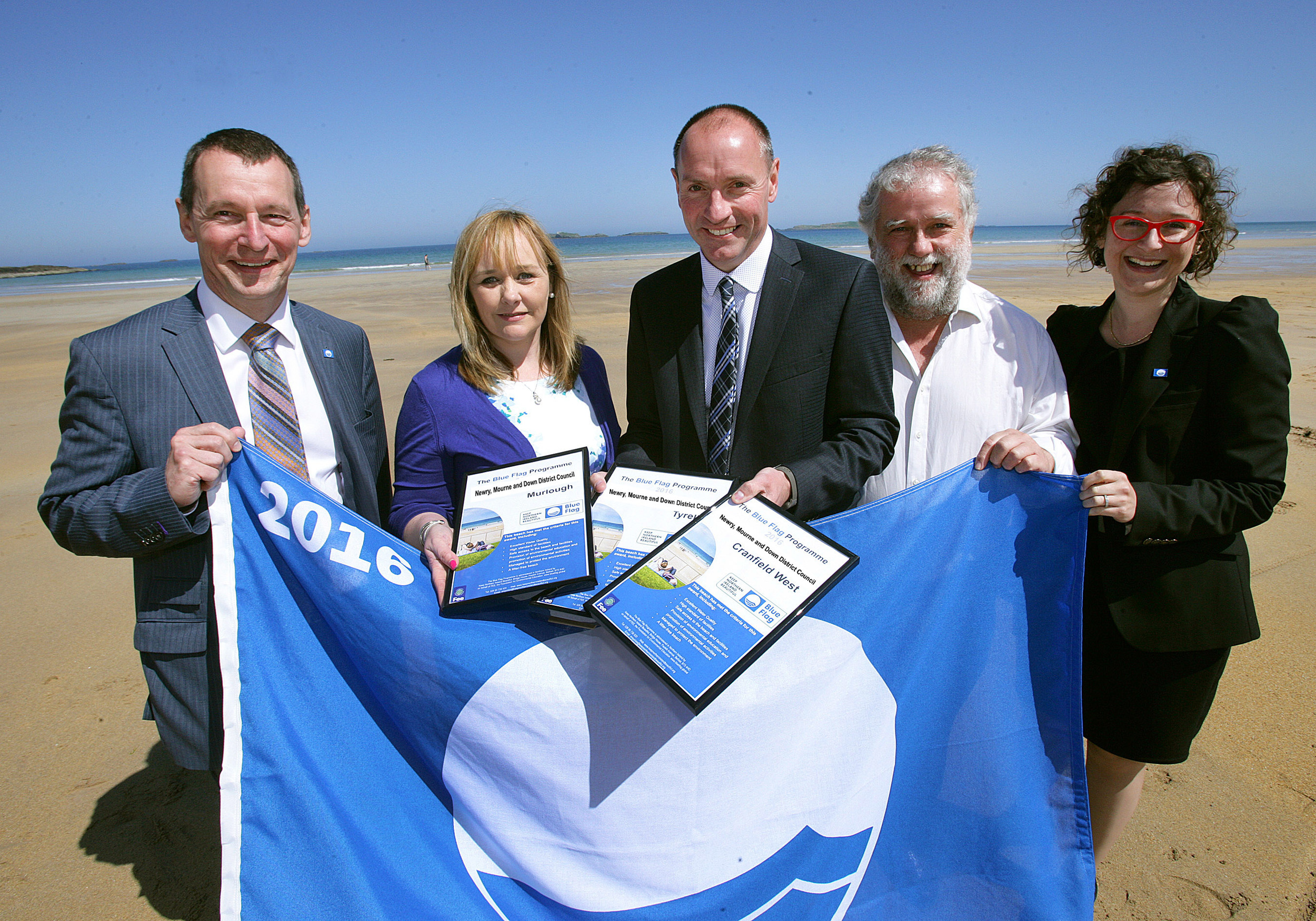
The awards have been presented to each beach on 1st June, the first day of the 2016 bathing season, by the International Director of the Blue Flag programme, Sophie Bachet Granados, the new Minister for Agriculture, the Environment and Rural Affairs, Michelle McIlveen, and Andrew Patterson from Tourism Northern Ireland, which supports the awards in Northern Ireland at an event in the iconic Arcadia building in Portrush.
Blue Flag beaches offer the highest standard of visitor facilities including toilets, lifeguards if necessary, first aid during peak hours and disabled access onto the beach. In order to promote an inclusive atmosphere for families with small children, activities such as windsurfing are zoned while dogs are not permitted within the Award area.
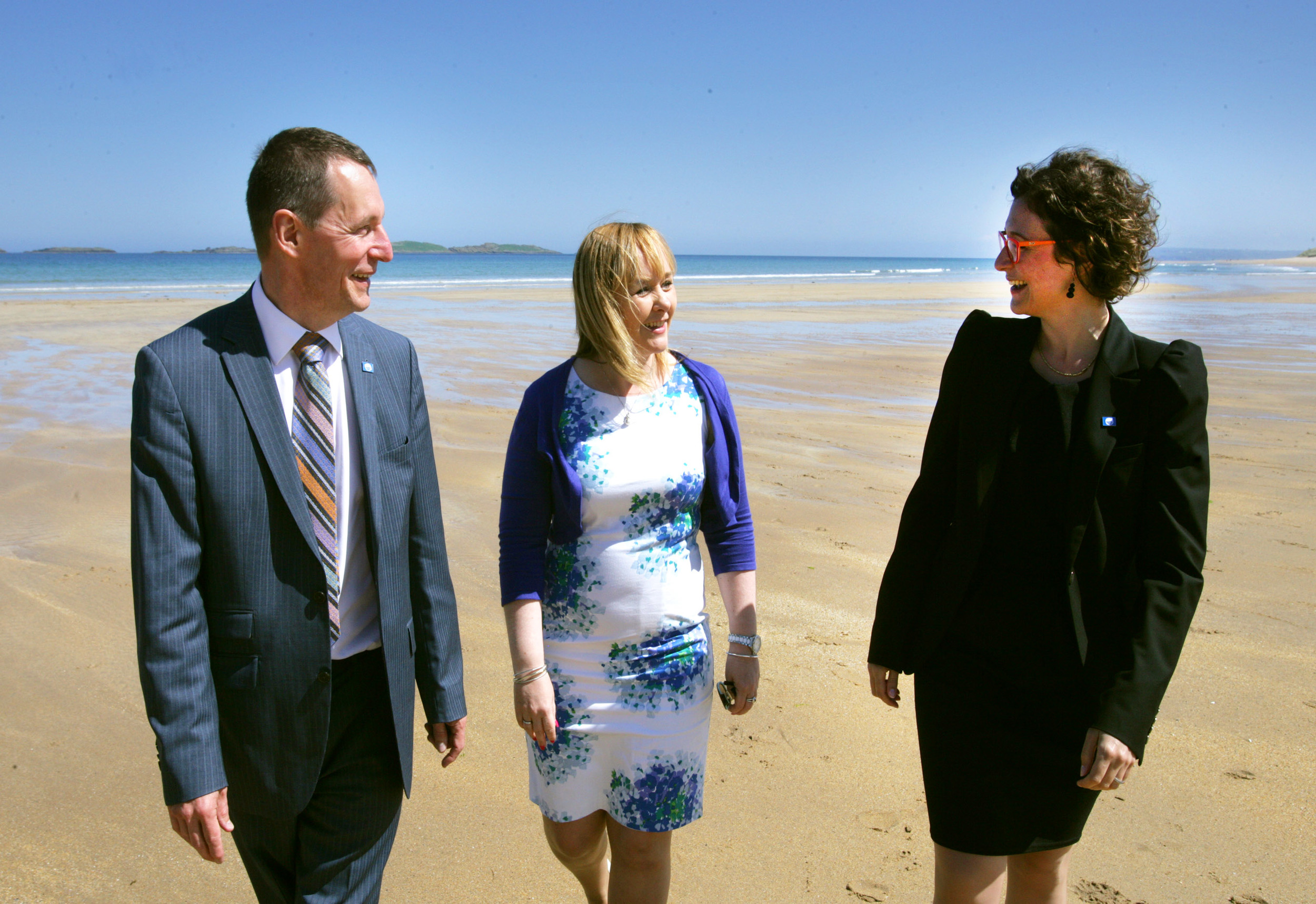
Ian Humphreys, Minister Michelle McIlveen and Sophie Bachet Granados
Agriculture, Environment and Rural Affairs Minister Michelle McIlveen said: “I am delighted that once again so many of Northern Ireland’s beaches have received the coveted Blue Flag and Seaside Awards and that our first-class Marinas have also been recognised. These awards are testament to the hard work and dedication of those who manage our beaches. These hard-won awards let people around the world know that Northern Ireland is open for business and that our beaches are first class destinations: clean, healthy and safe to enjoy.”
Mrs Bachet Granados said “I’ve had the chance to see some of the beautiful beaches here and speak to the Operators, and I’m very impressed by the standards. As a mark of excellence recognised across Europe; Africa; North and South America and as of this year Asia, Blue Flag beaches represent the best in coastal recreation management.”
The Blue Flag award is predicated upon the bathing water quality at each beach over the past four years, with the requirements laid down by the revised EU Bathing Water Directive. This is the first year since the new stricter classifications were introduced that all 23 identified bathing waters in Northern Ireland have met the minimum standards, something still not achieved in England or Scotland.
Ian Humphreys, Chief Executive of Keep Northern Ireland Beautiful, said “Having Northern Ireland’s world class beaches managed to such high standards is helping improve the quality of our lives as well as attracting visitors. Beach operators are inspirational people showing that all of us can play our part in loving where we live. .And, in most council areas, the Live Here Love Here campaign is building on this to inspire everyone to get involved in creating cleaner, greener and healthier places to live, learn and work.”
With weeks of fine weather in May prompting hopes of a fine summer, beaches around Northern Ireland are gearing up for an influx of visitors. To help everyone find their ideal award winning beach or marina Keep Northern Ireland Beautiful and Tourism NI have launched a visitor map highlighting the facilities offered at each beach and also includes suggestions for activities or attractions to make for a memorable day out. The guide will be available online, via all Tourist Information Centres, at Award beaches and from local councils. Of course, the Blue Flag awarded sites are also available on our Blue Flag International Pages

Blue Flag award helps to save leatherback turtles in Trinidad and Tobago
Las Cuevas Beach, located on the north coast of Trinidad, is the only Blue Flag certified beach in the southern English-speaking Caribbean since January 2015 and an important turtle nesting ground in the Caribbean.
Las Cuevas Beach complied twice with the 33 Blue Flag beach criteria, including monthly water quality testing. The Blue Flag National Coordinator for Trinidad and Tobago, Asclepius Green, continues to work diligently with the Tourism Development Company (Las Cuevas’ beach operator), the Ministry of Tourism and the 12-member National Blue Flag Jury to ensure that the beach maintains its Blue Flag status and to involve more beaches in the programme.
Although Blue Flag is synonymous with beach cleanliness and safety, it is also recognised as a helpful tool to reinforce existing legislations. Bathers at Las Cuevas are now empowered to report any lawbreaking activities such as driving on the turtle nesting beach. Las Cuevas beach is an important nesting site for the endangered Leatherback turtles. The local population of the nesting Leatherback is one of the three largest in the world, and a few beaches around the country’s coast are the best managed and monitored turtle nesting grounds. All in all, five of the seven sea turtle species in the world feed in the waters around Trinidad and Tobago or return to lay their eggs.
Although the turtle nesting generally occurs outside of the Blue Flag area, the ease of accessibility to drivers led to driving along the beach especially near turtle nesting areas. The turtle conservation group, Las Cuevas Eco Friendly Association, has been pleading with these lawbreakers, but only the use of social media got the attention of law enforcers responsible for the protected species which lead to the erection of signs that restrict driving on the beach. Families to Las Cuevas can now enjoy a true eco-tourism experience; a safe environmentally- friendly beach with turtle nesting viewing.

Parents and children of the Fast Learners Academy in Valsayn, Trinidad enjoying turtle watching with the Las Cuevas Eco Friendly Association (May 2015)

Blue Flag ceremony 2016 in Ukraine
Riviera Beach situated in the suburbs of Odessa city joins this year the Blue Flag sites in Ukraine.

For the first time ever in history of independent Ukraine, a newly constructed beach has been put into operation being built following the Blue Flag set of criteria requirements. All coastal beaches now operated here were mainly built in the soviet era as side effects of shoreline engineering enforcement or naval exercises, so formally they were not suitable for recreational bathing activities themselves. This led to numerous inconveniences to face with many beaches nowadays in Ukraine. They are not well-suited for beach leisure activities due to their initial design. This example shows a first case of a Beach construction in Ukraine, designed and built here exclusively for recreation itself.
The Celebration of the Blue Flag award on June 1, at Riviera Beach, got wide interest from the public and the media with a highlight moment of former Georgian President Mr. Mikheil Saakashvili (now Ukrainian Odessa region Governor) arrival to raise the Flag and a supportive speech for the Blue Flag in Odessa Oblast region, now transformed into the principal beach resort of the country.
Riviera Beach situated in the suburbs of Odessa city joins this year the Blue Flag sites in Ukraine with our traditional participant - with the municipal beach of Chornomorsk - they both give two perfect examples of successful beach management models implemented in the region - private and public, both according to the Blue Flag requirements and opening a proper level of marine recreation for a wide range of public.

Video - Blue Flag International Ceremony in Greece, May 2016.
Blue flag international announcements 2016 in Greece - thank you HSPN for the wonderful ceremony, and well done to all the 2016 awarded sites! Great work, as always!
First Blue Flag Beaches in Asia
More than 4000 sites were awarded the world’s leading eco-label for the 2016 season by the Blue Flag International Jury on 13th April in Copenhagen, Denmark.
More than 4000 sites were awarded the world’s leading eco-label for the 2016 season by the Blue Flag International Jury on 13th April in Copenhagen, Denmark.
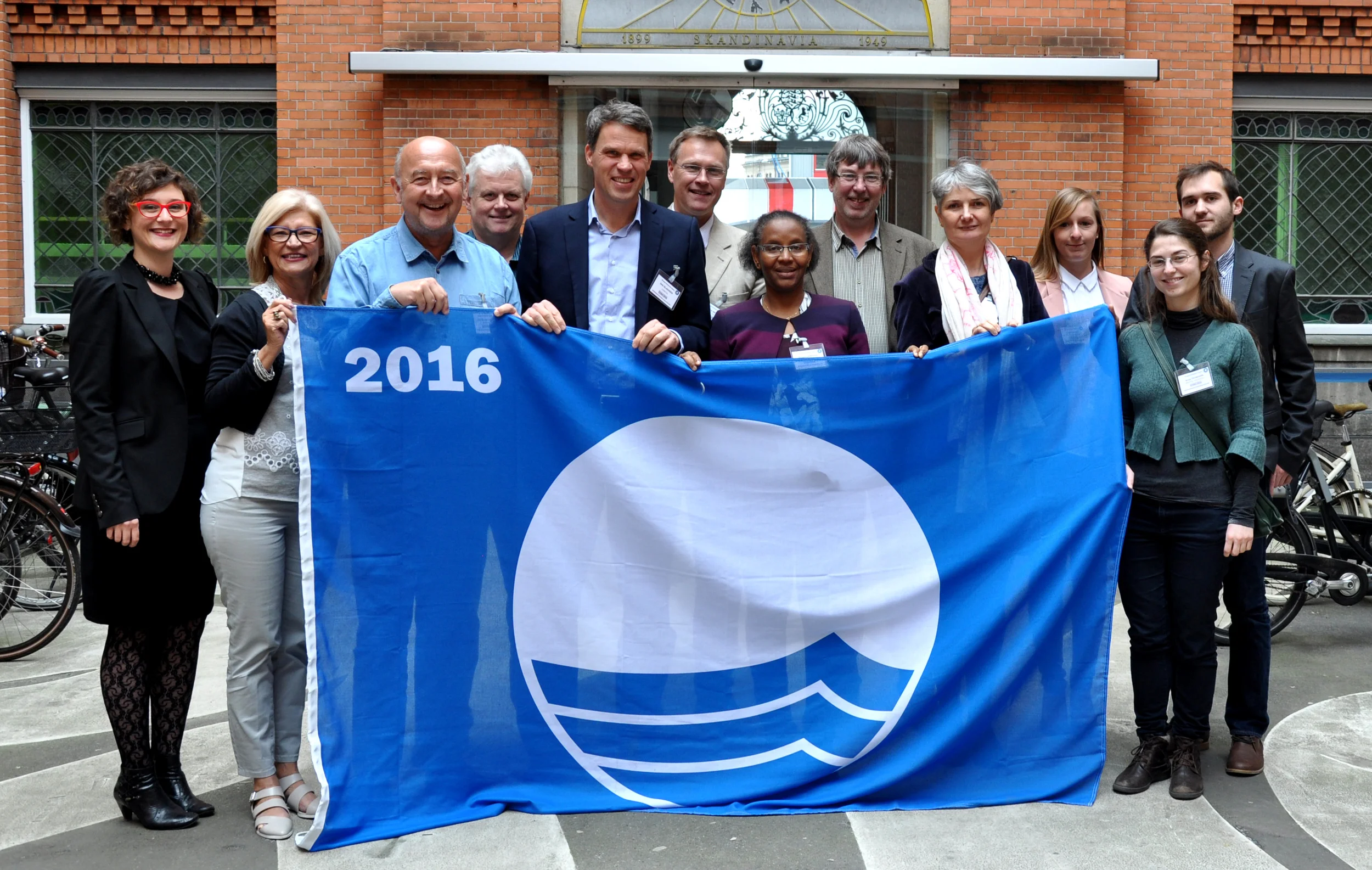
The International Jury meeting was hosted by the European Environment Agency, in Copenhagen, for the first time ever. This event goes hand in hand with the 40th anniversary of the European Bathing Water Directive. Indeed, in the eighties and nineties, the Blue Flag was supported by the EU as a tool to implement the Bathing Water Directive throughout European countries. Nowadays, Blue Flag is still ensuring all its sites possess excellent Bathing Water Quality, not only in Europe, but all around the world.
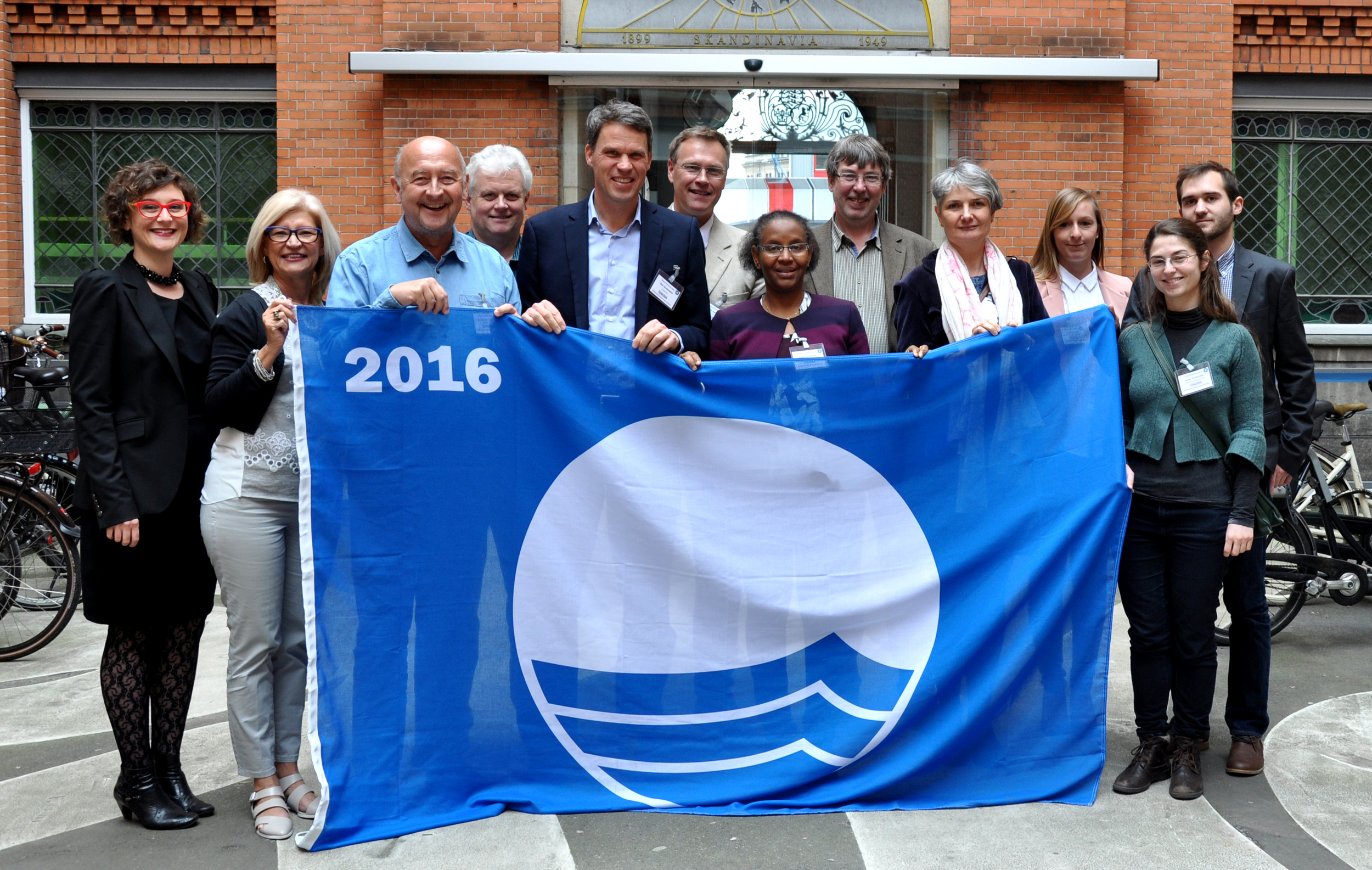
This first Blue Flag International Jury meeting of 2016 has seen new milestones coming to reality in the Blue Flag scheme. After more than three years of designing and pilot-testing a new set of criteria for Sustainable Boating Tourism Operators, the very first operators have been awarded the Blue Flag after a long period of work towards achieving the strict criteria in environmental education, safety, social responsibility, and environmental management. The International Jury is very impressed by the dedication of these operators and look forward to welcoming many others to apply soon to the Blue Flag to create more sustainable boating operations. These awarded boats offer specific types of activities from whale-watching to diving and more, and each comply with the relevant set of criteria.
“Oil and chemical spills, sewage and other manmade marine pollution and debris can have terrible effects on the marine environment, including coral reefs, whales and dolphin, which are some of the main tourist attractions nowadays. Equally, discharge of untreated wastewater, poorly maintained sanitary waste systems aboard boats and/or unloading of solid waste overboard impact the marine environment” says– Dr Birguy Lamizana, GPA, Coordinator Acting, United Nations Environmental Programme (UNEP) “Thus, boating activities, as exciting as they are, need to give due attention to those issues to avoid any side effects. Who wants to pay to dive if it is only to come across bleached coral reefs? This is the reason why, the GPA (Global Programme of Action for the protection of marine environment from land based activities), is working to address these issues through its three Global partnerships, on wastewater, on nutrients and on marine litter[1]. By raising awareness on environmental education and responsible tourism, the Blue Flag is an important ally, as it helps protect and sustain the marine environment,” she concludes.
This year, Blue Flag also marks a second milestone by expanding to the Asian region. The first two beaches to fly the award in Asia, are on the coastlines of Japan. This is the result of four years of hard work from FEE Japan and the municipalities who came on board.
To celebrate these very important milestones, and to support Greece in this difficult period, the Blue Flag international results will be announced, for the first time ever, at a major event on May 25th. This event will be held in Chalkidiki, Greece, at the Porto Carras Grand Resort, and organised by the Hellenic Society for the Protection of Nature, (HSPN) a valued member of the Foundation for Environmental Education (FEE) since 1992.
The 2016 Blue Flag awards results will presented by Lesley Jones, FEE Vice-President, and Sophie Bachet Granados, Blue Flag International Director.
HSPN President, Dr. Nikos Petrou, stated: “FEE has established the Blue Flag as the foremost eco-label throughout the world and continues to promote its vision for sustainable coastal management and responsible tourism through education around the globe. HSPN, also committed to environmental education and sustainable management of the environment since its founding 65 years ago, is proud to host the first ever open announcement of the international results. In close cooperation with our colleagues at FEE, we strive to expand the programme as a means to safeguard our fragile coastal environment, both as a precious resource for future generations and as an invaluable tool for our tourism industry”.
After the event, the full list of awarded sites will be published on the international Blue Flag website. Users can visit the new Blue Flag website and its new maps and search systems. There is detailed information about the business season, the services or facilities for disabled people, and lots more at each awarded site.
The next meeting of the Blue Flag International Jury will take place in September to award beaches, marinas and sustainable boating tourism operators’ boats from the Caribbean, South America, Africa and southwest Pacific.
The International Blue Flag Jury is composed of representatives from the United Nations Environment Programme (UNEP), the United Nations World Tourism Organization (UNWTO), International Lifesaving Federation (ILS), the European Environment Agency (EEA), the European Union for Coastal Conservation (EUCC), the International Union for Conservation of Nature (IUCN), an Environmental Education expert, the International Council of Marine Industry Associations (ICOMIA) and FEE. You can find out more about them on Blue Flag’s website.
The Blue Flag greatly appreciates the support of its sponsor and flag producer, Semaphore.
[1] Global Wastewater Initiative (GW2I), Global Partnership on Nutrient Management (GPNM) and Global Partnership of Marine Litter (GPML).

Blue Flag expands its field of operations beyond the shore - to boats!
In April 2016, for the first time, the Blue Flag International Jury will award tour operators in marine tourism. With the help of an expert working party, the world’s leading eco-label has devised new criteria for boat-based tourism activities.
Over the last three years, Blue Flag International has worked on the expansion of its award to acknowledge sustainable boating tour operators. The tour operators must offer high quality tourism services with an environmental educational context.
Since its launch in 1985 in France, the Blue Flag programme has continued to grow, not only with regard to the number of member countries and sites involved, but also in its range of expertise within marine and freshwater environments. The steady revision of its criteria, as well as the sharing and promotion of newest best practices make Blue Flag a highly dynamic eco-label that takes new challenges and continuous change seriously.
Blue Flag has decided to take a new step and expand its work to tourism activities beyond the shore. From 2016, tour operators offering boating activities such as diving, nature watching, whale watching, recreational fishing and charter trips can be awarded if they comply with Blue Flag’s strict set of criteria. The criteria concerns environmental education and information, environmental management, safety and services, social responsibility and responsible tourism.
“The Blue Flag programme offers a global standard which boat operators around the world should strive to achieve to help maintain a healthy ocean - for animals and humans alike” states Cynde McInnis, co-chair of the World Cetacean Alliance.
By extending the programme and including sustainable boating tour operators into its network, Blue Flag intends to build on its reputation of being a strong, trustworthy eco-label.
“Marine activities have seen a huge democratisation in the past ten years, and are no longer only the preserve of the elite. However, with the increased use of our resources, comes increased threats and potential damage. We have to measure our impact to ensure these activities are conducted in the most respectful and sustainable manner, and we have to educate the public. Blue Flag offers a perfect framework to achieve these goals. This is therefore a logical expansion of Blue Flag, but also a defining one, as we draw on thirty years of experience to now raise awareness to the wider community,” says Sophie Bachet Granados, International Blue Flag Director. “We want those activities to be as exciting and memorable as ever, whilst being highly sustainable, educational, and safe.”
The criteria include existing Blue Flag standards which have proven to be effective in relation to promoting sustainable practices at beaches and marinas, as well as criteria which are based on different national and international guidelines and legislation for boat-based tourism activities. In addition, tour operators from different regions of the world have been involved in the development process to ensure the feasibility of the criteria worldwide.
“The great thing about the Blue Flag is that we don't have to reinvent the wheel. There may be others out there already thinking along the same lines as we are, and as the challenges we are facing don’t respect borders, cooperation with such a successful international eco-label comes quite naturally,” stated Maria Gunnarsdottir, Secretary and Treasurer of IceWhale, the Icelandic Whale Watching Association.
Relevant stakeholders such as UNEP (United Nations Environmental Programme), UNWTO (United Nations World Tourism Organisation), EUCC (The Coastal and Marine Union), IUCN (International Union for Conservation of Nature), EEA (European Environment Agency), and ICOMIA (International Council of Marine Industry Associations), which work closely with Blue Flag, also gave their feedback and offered their expertise to the working party, in order to ensure the criteria reflect Blue Flag’s excellent standards.
“Oil and chemical spills, sewage and other manmade marine pollution and debris can have terrible effects on the marine environment, including coral reefs, whales and dolphin, which are some of the main tourist attractions nowadays. Equally, discharge of untreated wastewater, poorly maintained sanitary waste systems aboard boats and/or loading of solid waste overboard impact the marine environment” says – Dr Birguy Lamizana, GPA, Coordinator, United Nations Environmental Programme (UNEP) “Thus, boating activities, as exciting as they are, need to give due attention to those issues to avoid any side effects. Who wants to pay to dive if it is only to come across bleached coral reefs? This is the reason why, the GPA (Global Programme of Action for the protection of marine environment from land based activities), is working to address these issues through its three Global partnerships, on wastewater, on nutrients and on marine litter[1]. By raising awareness on environmental education and responsible tourism, the Blue Flag is an important ally, as it helps protect and sustain the marine environment,” she concludes.
The Blue Flag International Jury will be reviewing the first ever sustainable boating tourism operator candidates on 13th April in Copenhagen, Denmark, and the results will be available on Blue Flag’s International website on 25th May 2016.
The detailed criteria and award process is available on Blue Flag’s website (www.blueflag.global)
[1] Global Wastewater Initiative (GW2I), Global Partnership on Nutrient Management (GPNM) and Global Partnership of Marine Litter (GPML).
First Blue Flag sustainable boating tourism operators to be awarded in April
The idea to certify businesses that care for the needs of their customers as well as for the environment was welcomed by Blue Flag’s National Operators worldwide.
After three years of developing the new criteria for sustainable boating tourism operators, this April the first companies will be awarded the Blue Flag. While the first six applications from the Northern Hemisphere have been reviewed by their National Juries and sent to the International Jury for the award, our National Operators in the Southern Hemisphere are preparing for their first applicants this summer.
The National Blue Flag Operator in Spain, Virginia Yuste Abad, sees a great future for the new certification as there are many whale watching and diving operators in her country. “Spain’s National Blue Flag Jury highly welcomed the initiative, as well as several representatives from different regions in Spain. They considered it to be a useful tool for selecting tour operators that want to develop tourism activities in marine protected areas,” she says. In addition, she sees great potential in the connection of Blue Flag marinas with certified sustainable boating tourism operators.

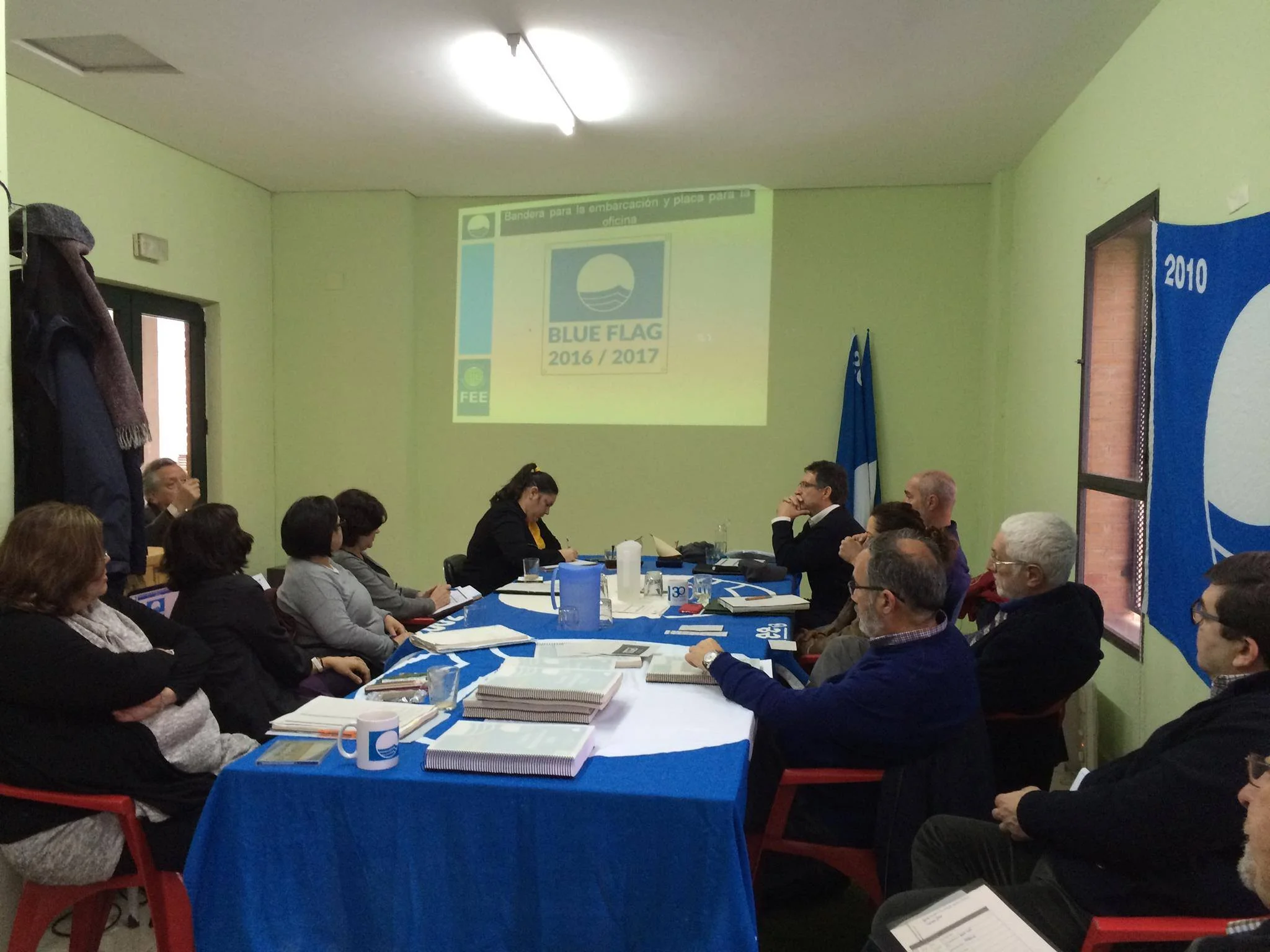
The Spanish National Jury during the evaluation of the first boating tourism operators
Salome Hallfreðsdóttir, Blue Flag National Operator in Iceland, is also very positive about the new criteria. “From my experience, the tour operators were very enthusiastic during the application process. The new criteria represent a helpful and also much needed tool to make tourism businesses more responsible as tourism has increased a lot in the last years in Iceland.”
Our National Operator in South Africa, Vincent Shacks, has been enthusiastic about the new criteria from the beginning. “The close pilot work with the tour operators on the criteria is the main reason why I thinkthat the award has great potential in South Africa. The tour operators need to feel that they have been a part of the process of developing the standard,” he says. “I am of the opinion that international labels run the risk of becoming so accommodating to every member country that they eventually become too generalised or bland. With Blue Flag, however, this will not be the case as the National Operators in each of the host countries were asked to take the new criteria to the market and test them in local conditions,” he concludes.
In regard to the positive feedback of Blue Flag’s National Operators and of the first companies applying for the Blue Flag prestigious award Blue Flag International feels that the expansion of the programme to sustainable boating tourism operators was the right step to further encourage sustainable tourism development in marine environments.
New Blue Flag "ambassador" project in South Africa to employ 200 community members in 2016
In 2016, Blue Flag South Africa will be partnering with the South African National Department of Tourism on a three year project which will focus on improving services and adherence to the Blue Flag criteria by employing 200 community members from low income households
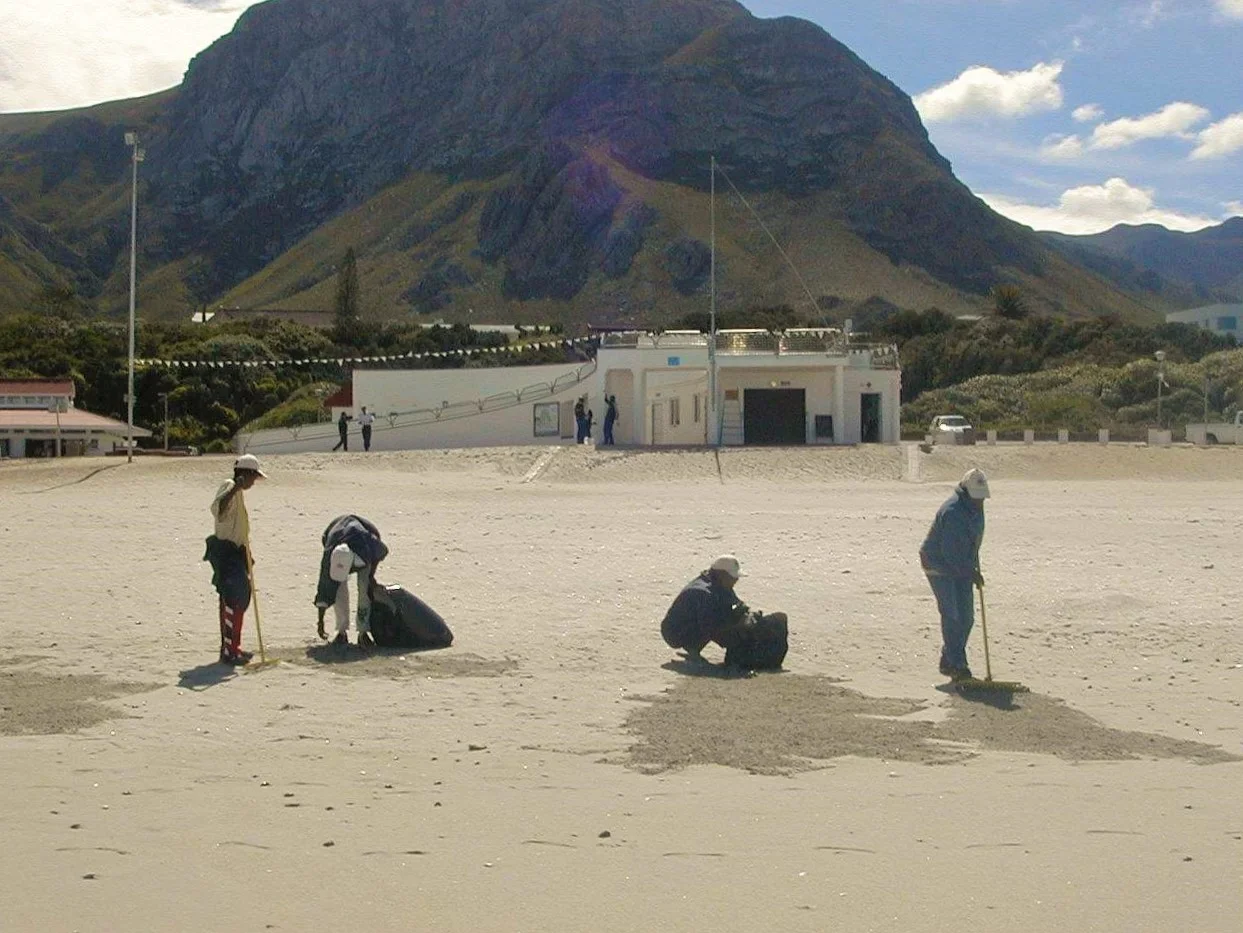
In 2016, Blue Flag South Africa will be partnering with the South African National Department of Tourism on a three year project which will focus on improving services and adherence to the Blue Flag criteria at all certified beaches in South Africa. This will be done by employing 200 community members from low income households throughout South Africa.
These Blue Flag beach “ambassadors” will undergo training in environmental management, safety and environmental education and be stationed at all beaches to ensure that the beach users get a true Blue Flag experience. The project will be managed by the Wildlife and Environment Society of South Africa (WESSA), who are members of Blue Flag International since 2001. The project intends to not only maintain excellent standards at the existing sites but also to identify new beaches which could qualify for Blue Flag status in the future and assist these municipalities with adequate marketing, promotion and infrastructural support.
Blue Flag International and Blue Flag South Africa are both very proud and excited by this wonderful opportunity to partner with the national government and to contribute to the social upliftment of local communities.

Grotto Beach, South Africa

New FEE member: Keep New Zealand Beautiful to run Blue Flag
A new organisation is running the Blue Flag programme in 2016 in New Zealand, and the FEE CEO visited them to ensure FEE processes are taken care of.
New FEE member: Keep New Zealand Beautiful to run Blue Flag
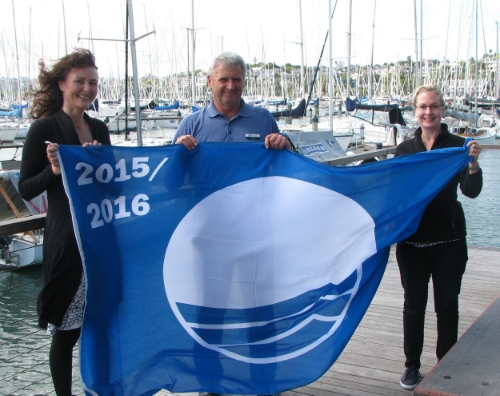
Award ceremony in Westhaven Marina
In January, Daniel Schaffer visited New Zealand to meet our new FEE member : Keep New Zealand Beautiful. This organisation will very soon take over the Blue Flag programme, and is currently implementing processes in order to do so. During Daniel’s visit, he and Keep New Zealand Beautiful staff conducted control visits of two Blue Flag awarded marinas, Westhaven Marina and The Landing.
Currently New Zealand have two Auckland Marinas that hold Blue Flag status. Westhaven Marina is the largest marina in the southern hemisphere with more than 2000 boats of all kinds. The marina takes pride in upholding a clean environment and has successfully achieved international Blue Flag status for the tenth consecutive year!
The Landing at Okahu Bay is a dedicated marine based site at the entrance to the Hauraki Gulf with facilities that include a public boat ramp and pontoon and boat hardstand, maintenance and storage. The Landing has held Blue Flag status for 5 years.
Daniel was able to offer to Keep New Zealand Beautiful staff his vast experience and expertise in conducting a Blue Flag control visit and it was also a fantastic opportunity for the staff at both Marinas to meet with an international FEE representative.
With the support of Blue Flag International, Keep New Zealand Beautiful is aiming to grow the Blue Flag programme further to include Sustainable Boating Tourism Operators in New Zealand as well as increasing the number of marinas with Blue Flag status.

Award ceremony in The Landing marina
Blue Flag's achievements honoured at award ceremony in St. Maarten
St. Maarten held its annual Blue Flag ceremony in December, honouring the achievements of the awarded sites and their committment to the Blue Flag programme in the past years.
St. Maarten’s National Operator, Environmental Protection in the Caribbean (EPIC), held its annual Blue Flag award ceremony in December 2015. Both Divi Little Bay Beach Resort and Yacht Club Isle de Sol, the event host, received the award for the fifth time, demonstrating a long-term commitment in their role as leaders in sustainable tourism.

The Blue Flag award ceremony at Yacht Club Isle de Sol
Mr. Ricardo Perez, Executive Board Member of the St. Maarten Hospitality and Trade Association (SHTA), spoke of his organisation’s continued commitment to supporting responsible tourism and its value in strengthening the island’s economy over the long-term. Minister Ingrid Arrindell of the Ministry of Tourism and Economic Affairs then awarded the Blue Flag to the recipients, congratulating them on this significant achievement. Minister Arrindell also expressed her concern for protecting our coastal areas, described as St. Maarten’s environmental and economic treasure.
Some of the accomplishments outlined by the recipients included their educational programmes, such as Isle de Sol’s mangrove planting and trash cleanup or Divi’s Bird Walk and kid’s Easter Egg snorkel. Divi has also installed an extensive solar panel system to reduce their carbon footprint while Isle de Sol has expanded their recycling programme.

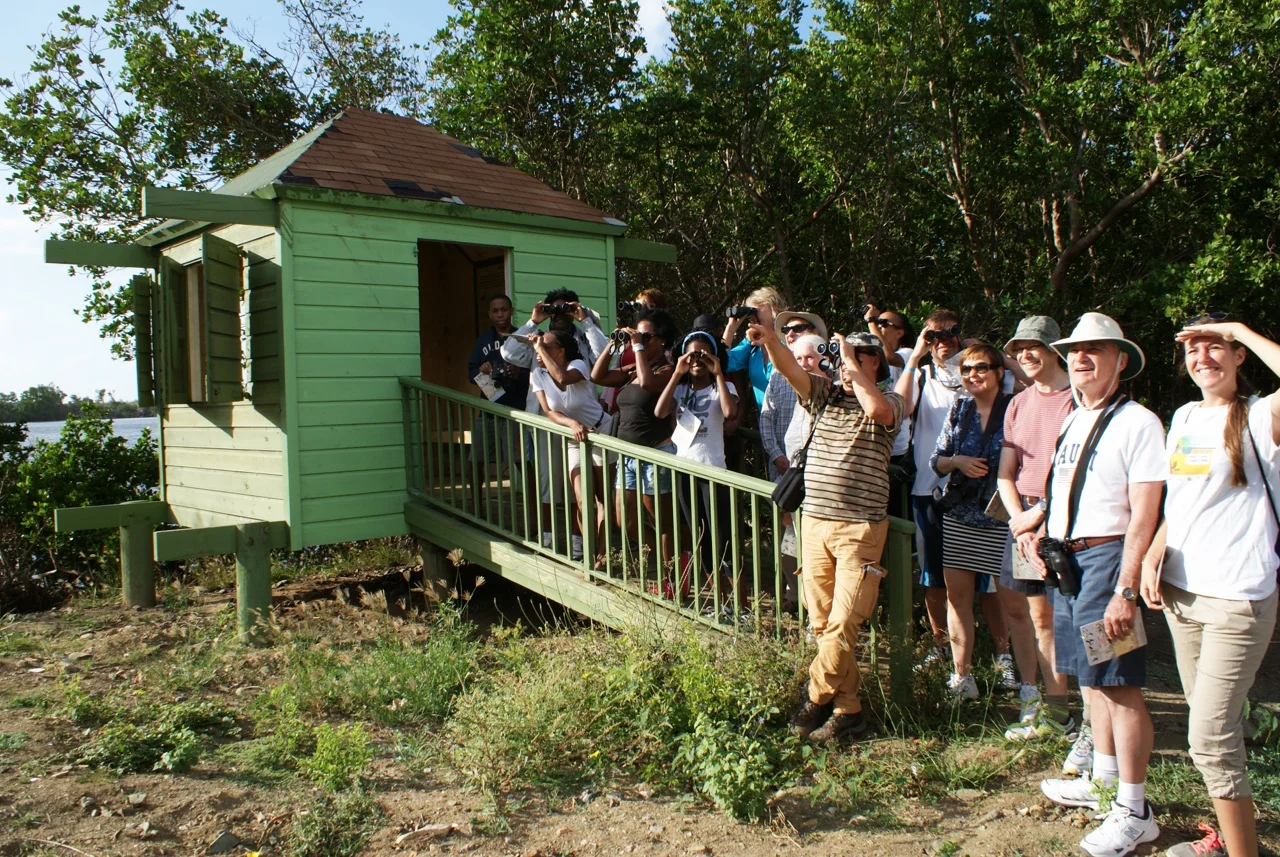
Participants in a free public Bird Walk hosted by Blue Flag site Divi Little Bay Beach Resort
EPIC President, Natalia Collier, noted “The Blue Flag programme is successful thanks to the efforts of our many partners, including the awarded sites, the Tourist Bureau, the SHTA, and the American University of the Caribbean which contributes water quality analysis.”