
16th Local Blue Flag Responsibles Training Seminar Held in Ankara, Türkiye
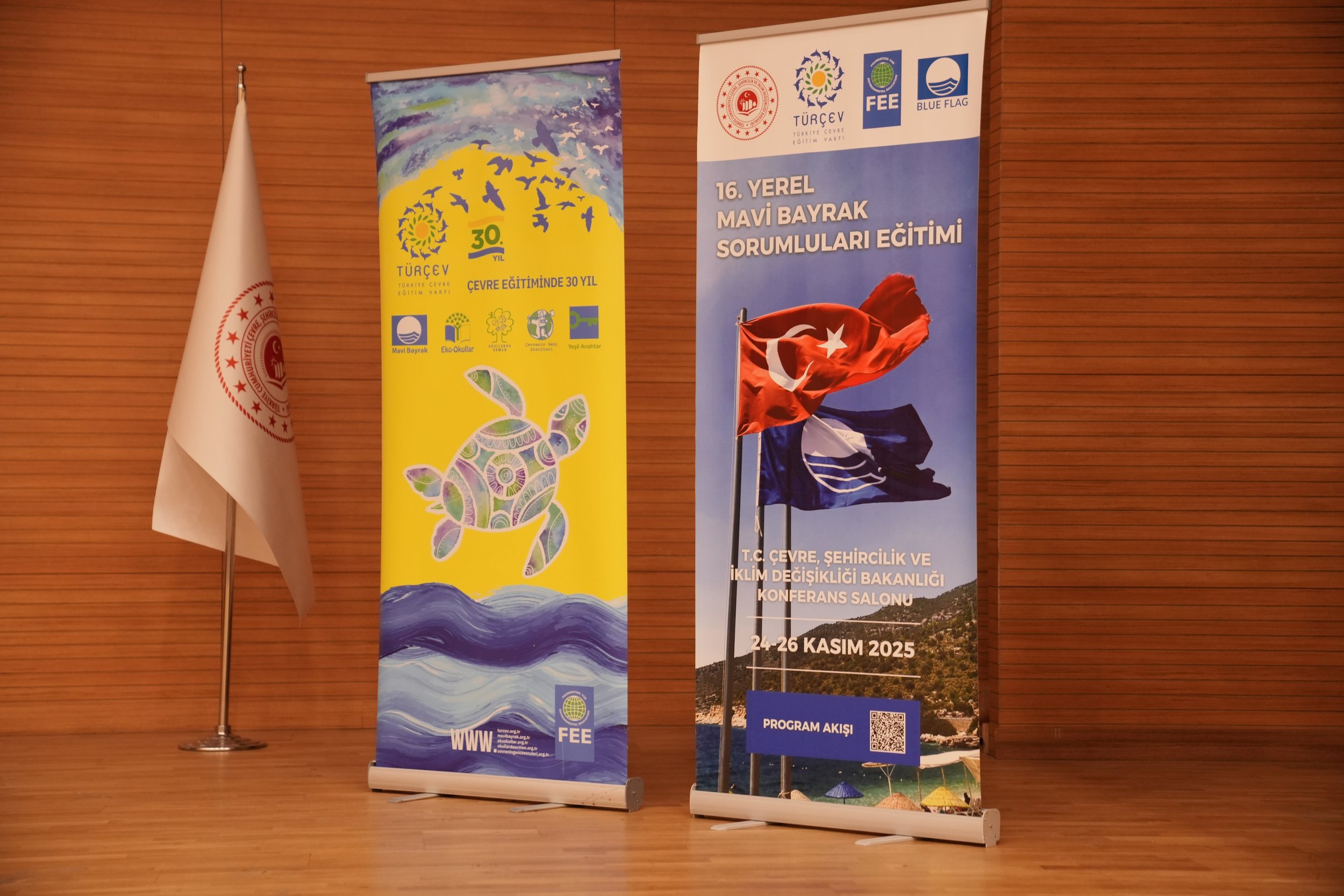
Following the three-day seminar, more than 150 participants were awarded the Local Blue Flag Responsibles Training Certificate. Organized for the 16th time by the Foundation for Environmental Education in Türkiye (TÜRÇEV), the Local Blue Flag Responsible Training Seminar took place on 24–26 November 2025 at the Conference Hall of the Ministry of Environment, Urbanization and Climate Change.
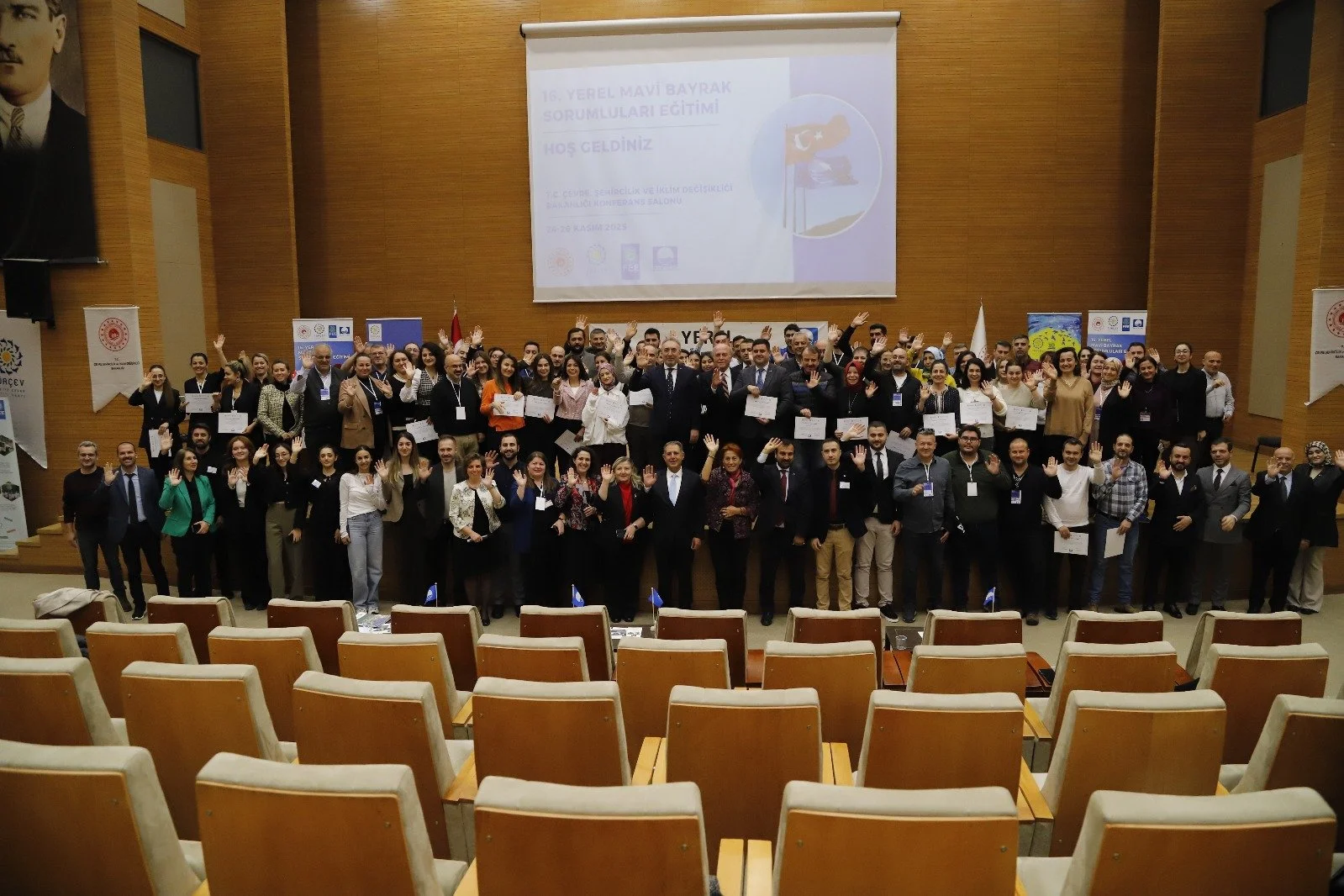
The seminar brought together senior representatives from leading institutions supporting the Blue Flag Programme in our country, including Fatih Turan, Director General of Environmental Management at the Ministry of Environment, Urbanization and Climate Change; Dr. Abdulkadir Ateş, Chairperson of TÜRÇEV and former Minister of Tourism; Halil İbrahim Kılıçarslan, Head of the Project Construction Department at the Ministry of Culture and Tourism; along with experts from the Ministry of Health, the Turkish Coast Guard Command and the Turkish Underwater Sports Federation (TSSF).
Representing 54 municipalities, 4 tourism unions and NGOs, 6 companies and 13 public institutions, more than 150 participants received their certificates at the end of the three-day training. These individuals will serve as Local Blue Flag Responsibles, authorized to implement and oversee the Programme in their respective regions on behalf of their institutions. To date, a total of 1,731 municipal personnel have participated in trainings organized by TÜRÇEV.
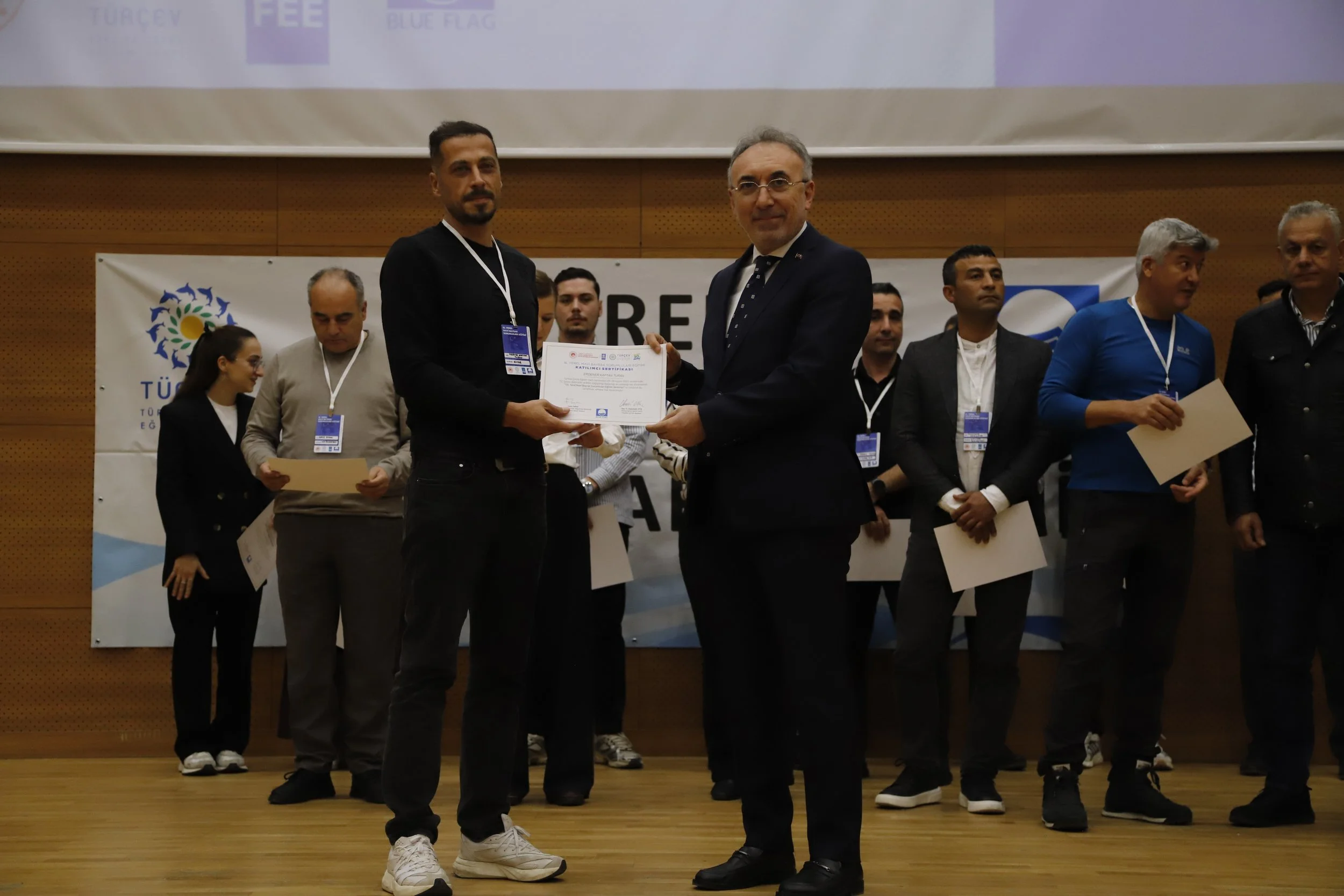
Since its implementation in Türkiye in 1993, the Blue Flag Programme has continued to grow. As of 2025, Türkiye has earned the Blue Flag for 557 beaches, 29 marinas, 18 tourism boats and 8 individual yachts. With this number of awarded beaches, Türkiye ranks 3rd globally among more than 50 participating countries.
In regions where the Blue Flag Programme is applied, various institutions designated by TÜRÇEV operate as local responsible bodies. While municipalities constitute the majority of these institutions, NGOs, village service unions and accommodation facilities are also included among the local responsible organizations. A Local Blue Flag Responsible is an authorized individual appointed by these institutions to coordinate Blue Flag related work for awarded or candidate beaches and marinas in collaboration with TÜRÇEV.
Credits: Almıla Kindan Cebbari & Betül Ferik
Brazil’s National Blue Flag Award Ceremony Celebrates Awarded Destinations and Brings Together Five Brazilian States in the city of Guarujá in São Paulo
Held at the Iate Clube de Santos, the event marked the beginning of the 2025/2026 season and recognized beaches and marinas for their environmental excellence and commitment to sustainable tourism.
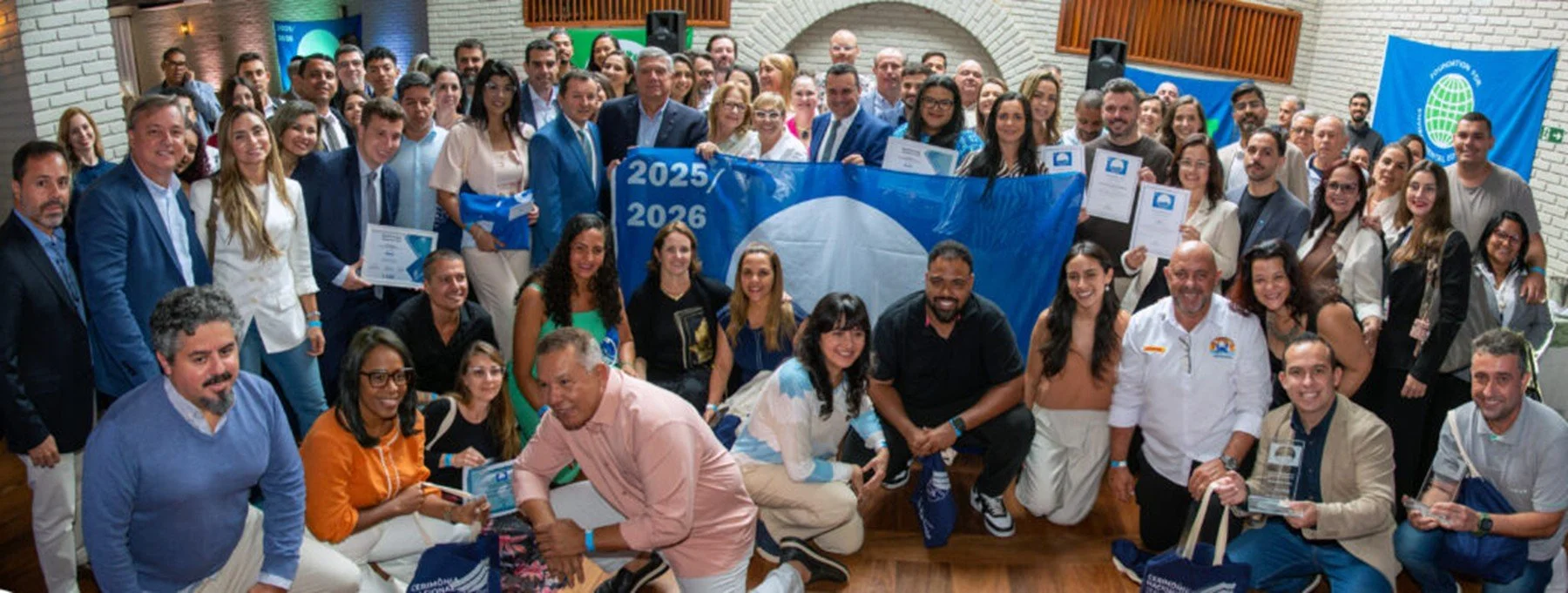
The municipality of Guarujá, on the coast of São Paulo, hosted on October 31 the National Blue Flag Award Ceremony 2025, an event that officially marked the beginning of the new season of the program for the awarded destinations across five Brazilian states. Held at the Iate Clube de Santos, one of the country’s most traditional nautical clubs, the gathering brought together local authorities, mayors, environmental and tourism secretaries, as well as representatives from environmental organizations from all over Brazil. In this edition, 60 Brazilian destinations were approved by the national and international juries of the Blue Flag Program and will have the right to hoist the flag that symbolizes environmental quality, responsible management, and the promotion of sustainable tourism along the Brazilian coast.
Destinations from five states were recognized this season. The geographic distribution of the 2025/2026 Blue Flag includes six locations in the Northeast, one in Alagoas and five in Bahia. In the Southeast, there are 23 approvals, 19 in Rio de Janeiro and four in São Paulo. Santa Catarina, meanwhile, consolidates its position as the state with the largest number of awarded destinations, totaling 31 sites.
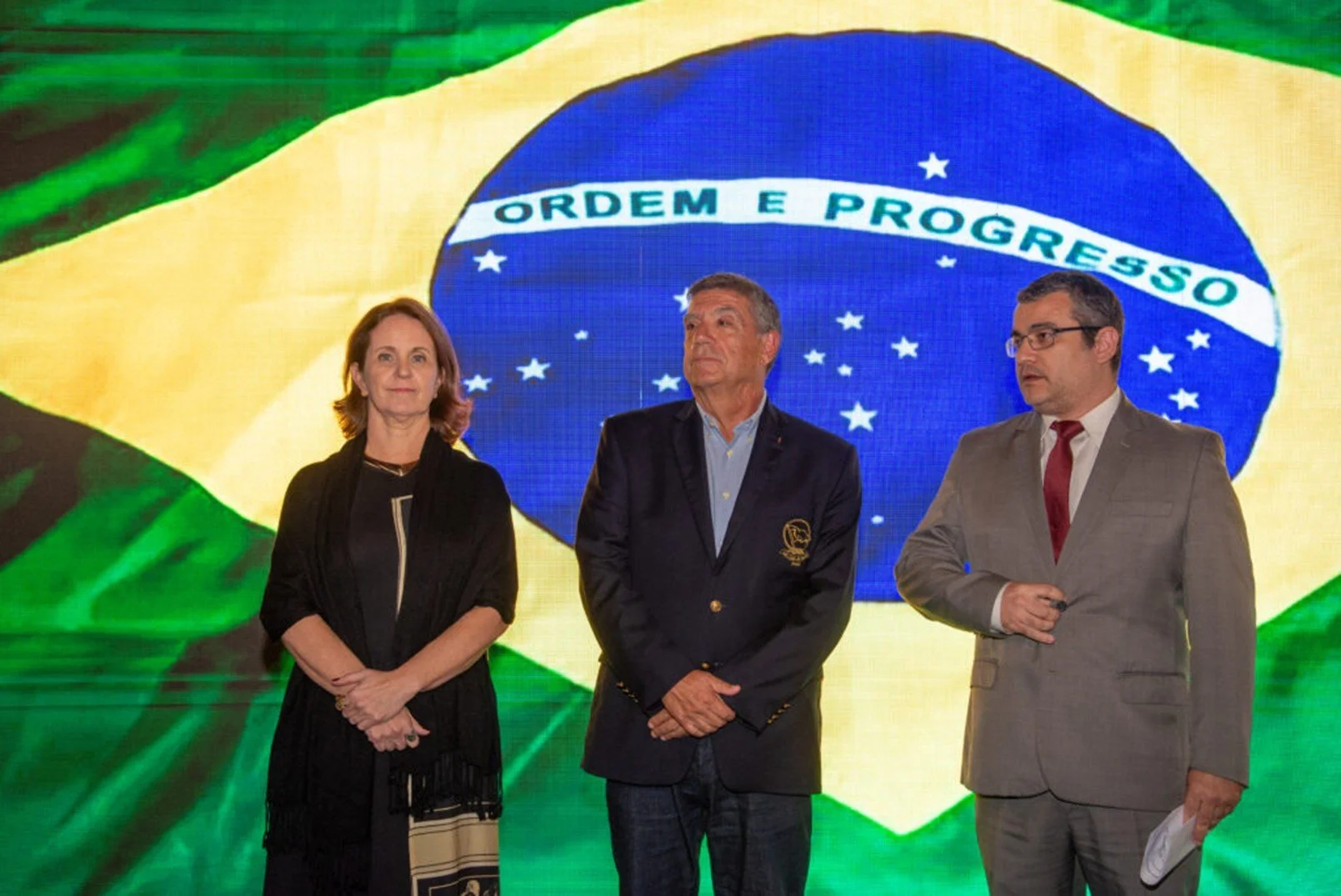
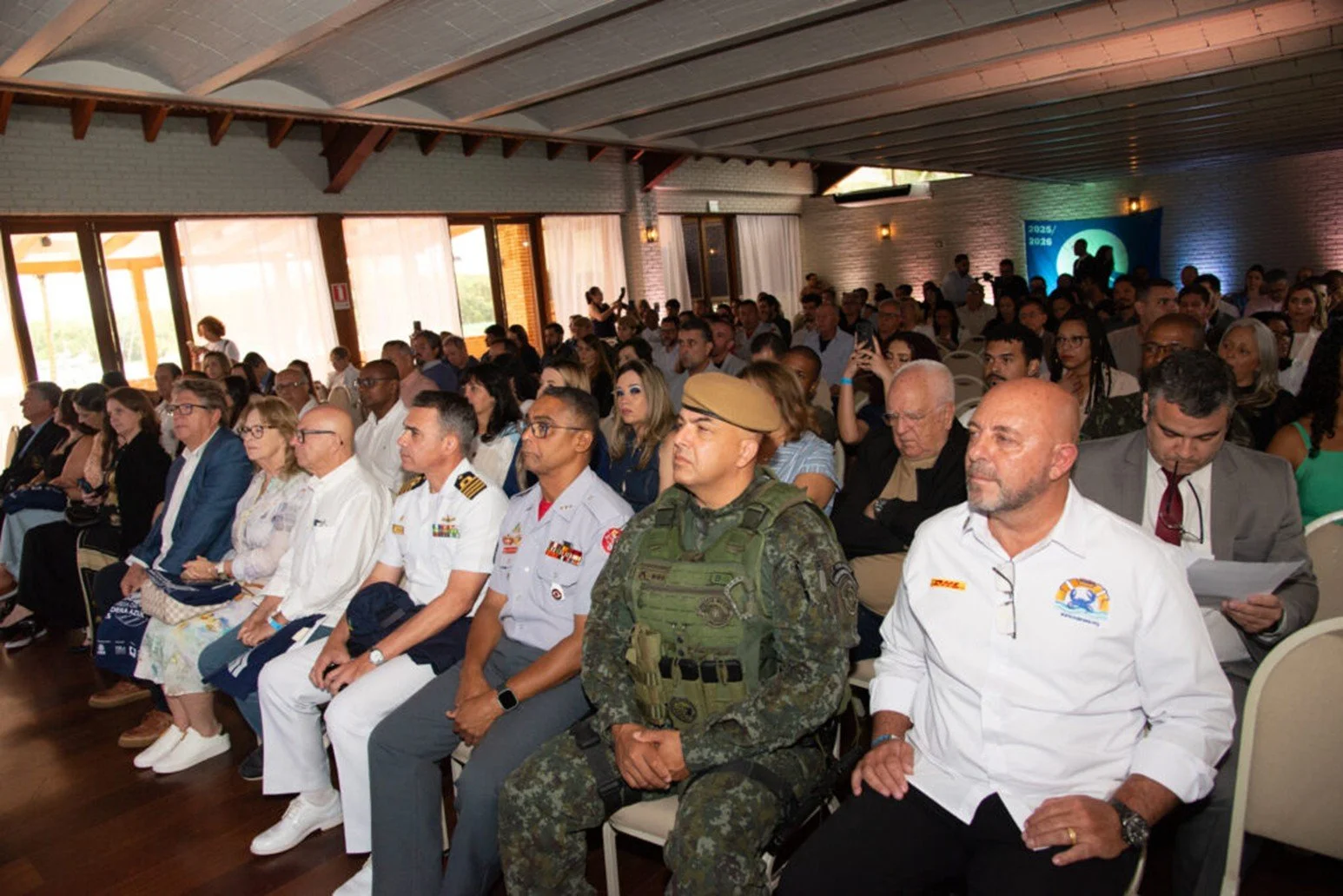
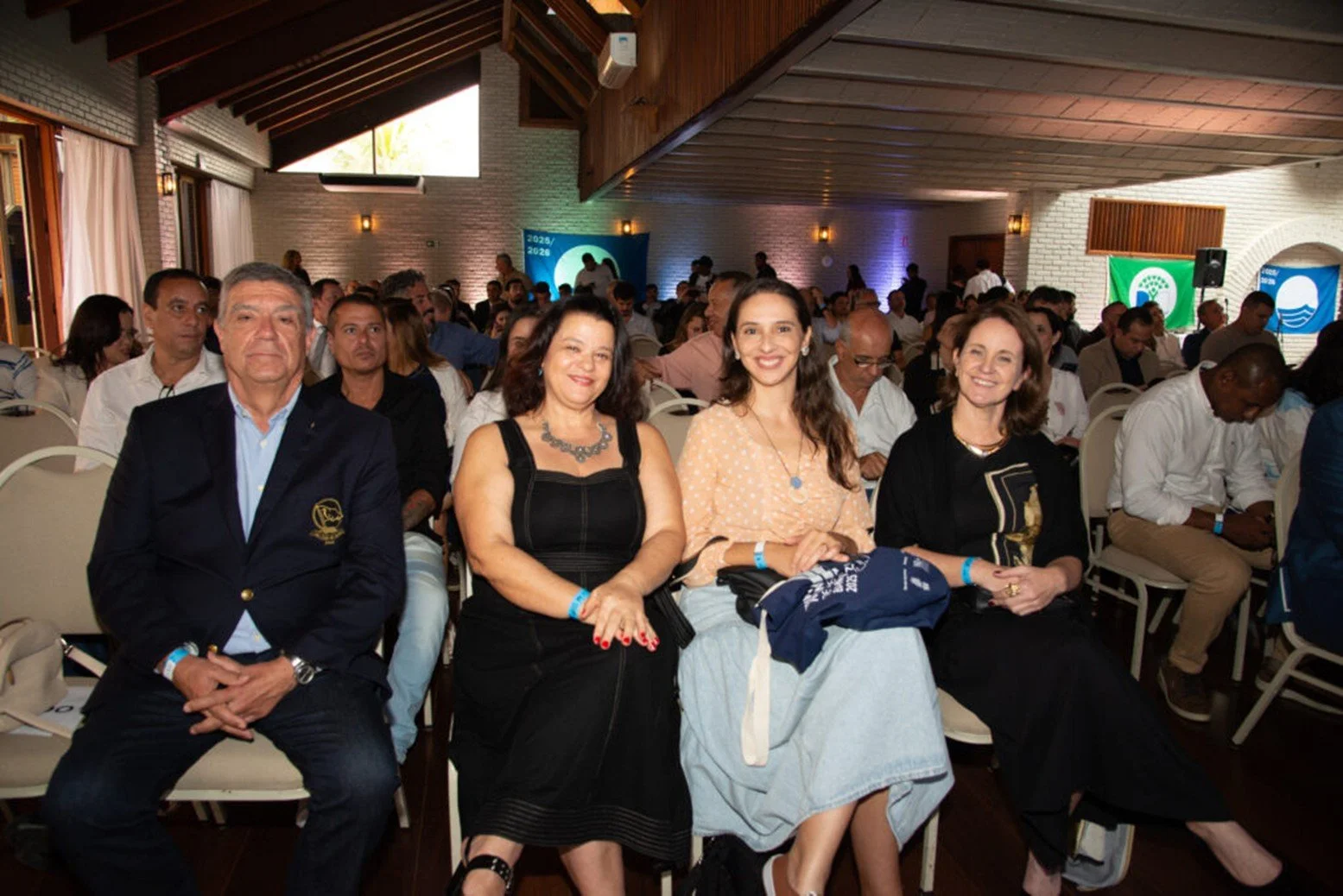

The mayor of Guarujá, Farid Madi, celebrated the award for Praia do Tombo, now reaching its 16th consecutive season with the Blue Flag award. “It is a great joy to host the national Blue Flag ceremony here in Guarujá. Praia do Tombo reaches its 16th season with the award, being the oldest in South America, and this fills our city with pride. This recognition reaffirms Guarujá’s commitment to sustainability, environmental quality, and the well-being of those who live in and visit our coastline. Hosting this national ceremony here makes the moment even more special,” the mayor highlighted. “For the Iate Clube de Santos, it is an honor to host this national ceremony and celebrate, together with the awarded destinations, the commitment to sustainability and the preservation of our seas. The award is a symbol of excellence, but also of collective responsibility. Here in Guarujá and at the club, we work to maintain an environmental management standard that inspires other clubs and coastal communities to follow the same path. Hosting this event reinforces our mission of promoting the conscious and sustainable use of the marine environment,” said Odoardo Lantieri, environmental manager and representative of the Iate Clube de Santos in Guarujá. The executive director of Instituto Ambientes em Rede, the organization responsible for promoting the program in Brazil, also celebrated the awarded destinations: “Behind each hoisted flag, there is a committed team, an engaged community, and a constant effort to make a difference. The Blue Flag recognizes precisely the work of those who believe sustainability is not a distant concept, but something built daily, through responsible decisions. In this edition, we have destinations from five states — Alagoas, Bahia, Rio de Janeiro, Santa Catarina, and São Paulo — that demonstrate, through concrete actions, that it is possible to align tourism development with environmental conservation. This achievement is the result of collective work involving public authorities, the private sector, and local communities, all united by the common purpose of ensuring a more sustainable future for our coastline,” said Leana Bernardi, who is also the national coordinator of the program in Brazil.
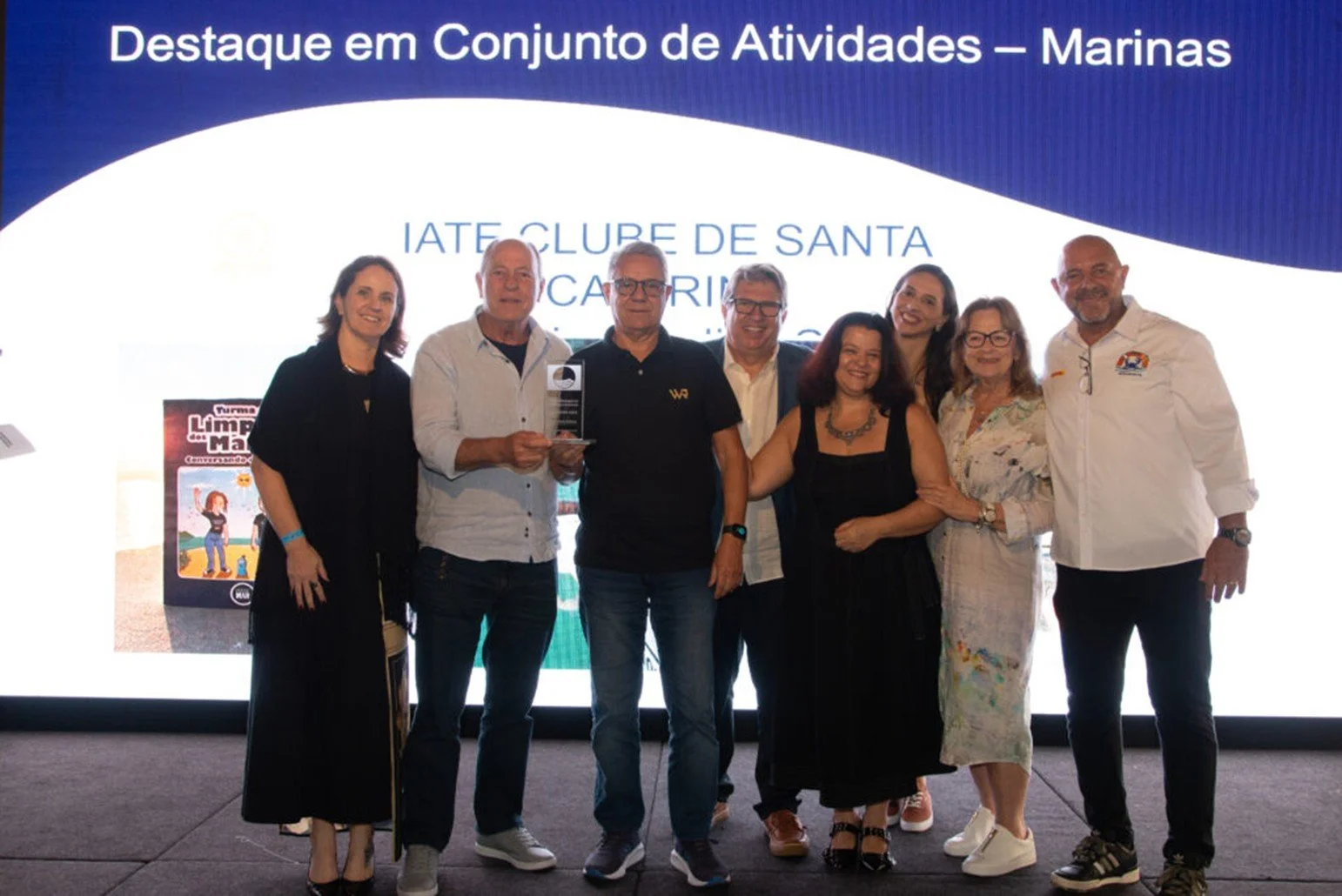
Environmental Education Recognition Award– National Jury
The municipality of Bombinhas, in Santa Catarina, was recognized for its set of Environmental Education activities for the third consecutive year, receiving the Environmental Education Recognition Award, granted by the National Jury of the Blue Flag Program, for the initiatives carried out during the 2024/2025 season on the beaches of Conceição, Mariscal, Prainha de Mariscal, Quatro Ilhas and Tainha. Also in the Beaches category, highlights included the activity “Ghost Fishing: Protection of the Marine Environment,” conducted at Praia do Peró in Cabo Frio (RJ), and the video entitled “Dissemination of Knowledge on Climate Change,” developed by the beaches of Bombinhas (SC). In the Marinas category, recognition went to the set of activities by the Iate Clube de Santa Catarina – Veleiros da Ilha, in Florianópolis (SC), and the initiative “The Path of Waste to the Sea,” promoted by Marina Kauai in Ubatuba (SP).
Good Practice Competition – International Jury
This year, the International Jury of the Blue Flag Program granted Brazil three Good Practice Competition awards. In the Climate Adaptation category, the Iate Clube de Santa Catarina won in the Southern Hemisphere with the activity “Visit to an Oyster Farm – Mariculture, Climate, and the Ocean Economy.” In the Pollinator Loss Prevention category, the project “Iguaba Mais Verde,” from Praia de Ubás in Iguaba Grande (RJ), took second place. In the same category, Praia do Patacho in Porto de Pedras (AL) was also awarded for the activity “Sustainable Paths, Inclusion, and Nature.”
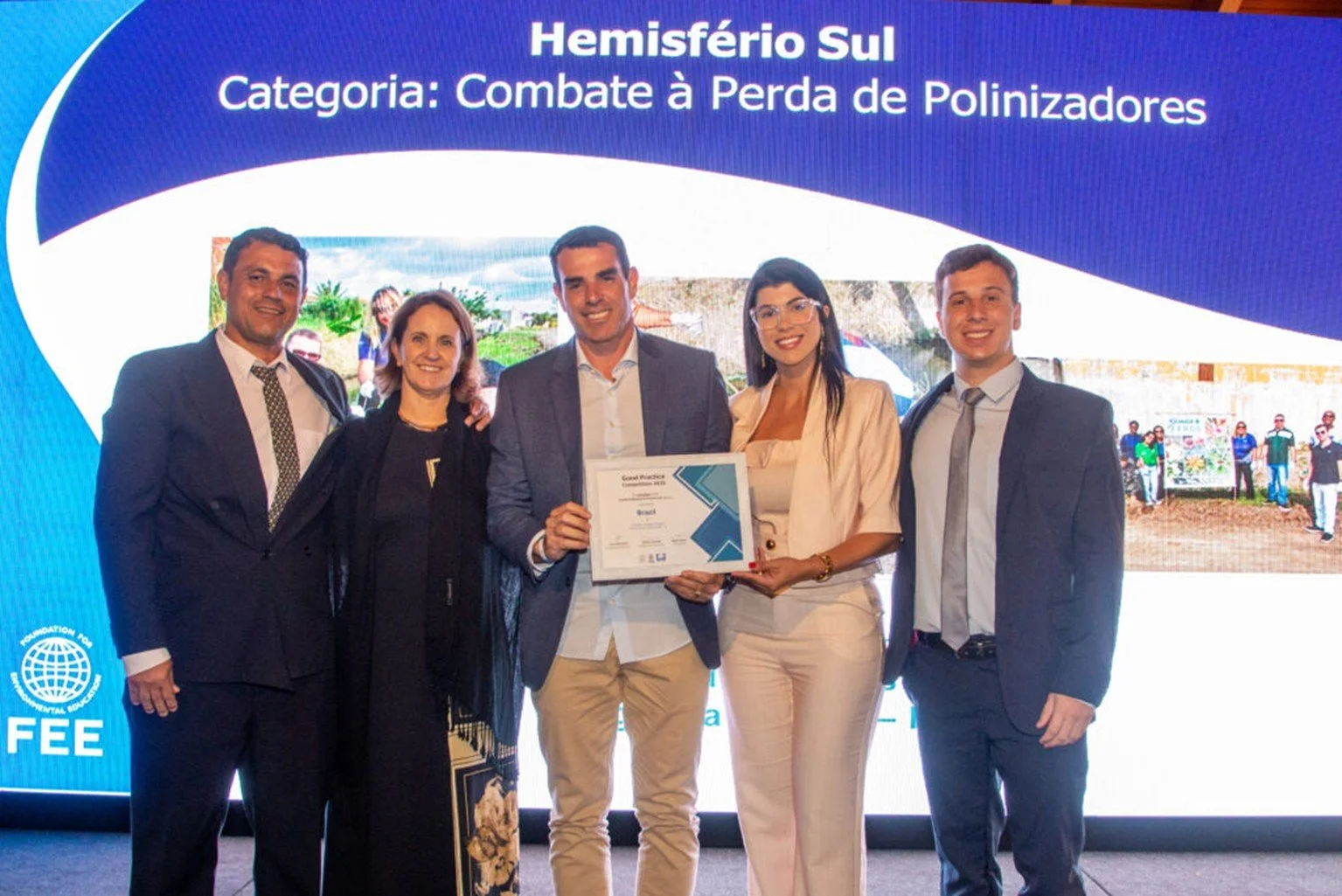

Awarded beaches and marinas must annually demonstrate compliance with the criteria established by FEE – Foundation for Environmental Education, the international organization responsible for overseeing the program. The criteria cover aspects such as environmental and heritage management, water quality, environmental education, safety and services, sustainable tourism, and social
responsibility.
The National Blue Flag Award Ceremony 2025 was organized by Instituto Ambientes em Rede, in partnership with the Municipality of Guarujá and the Iate Clube de Santos, with sponsorship from Embratur and support from the Visite Guarujá Convention & Visitors Bureau. The official flag hoisting will take place starting November 1, marking the beginning of the summer season in the Southern Hemisphere.
Credits: Matheus Bonfim
International announcement of Blue Flag Awarded sites - Southern Hemisphere 2025/2026 season

The second Blue Flag International Jury meeting of 2025 took place this past September, and we’re proud to announce that 21 new sites have received the Blue Flag award for the upcoming season in the Southern Hemisphere.
These sites join the previously awarded beaches, marinas, and tourism boats awarded by the International Jury in the Northern Hemisphere round that took place in April, for a total of 5216 sites awarded in 2025 (4323 beaches, 738 marinas, and 155 tourism boats) in 51 countries.
We would like to also congratulate the winners of the Best Practice competition for the Southern Hemisphere 2025/2026 International Evaluation. The final ranking is published here.
Once again, Blue Flag International thanks its valuable institutional partners EEA, ENAT, EUCC, ICLEI, ICOMIA, ILS, UNEP, UNESCO, UN Tourism, World Sustainable Hospitality Alliance, CitiesWithNature, Climate Service Center Germany - GERICS, Caribbean Hotel & Tourism Association, University of Aberdeen, IUCN and WCA for sharing their expertise.

Celebrating Coastal Stewardship: Morocco’s Lalla Hasnaa Sustainable Coastline Awards
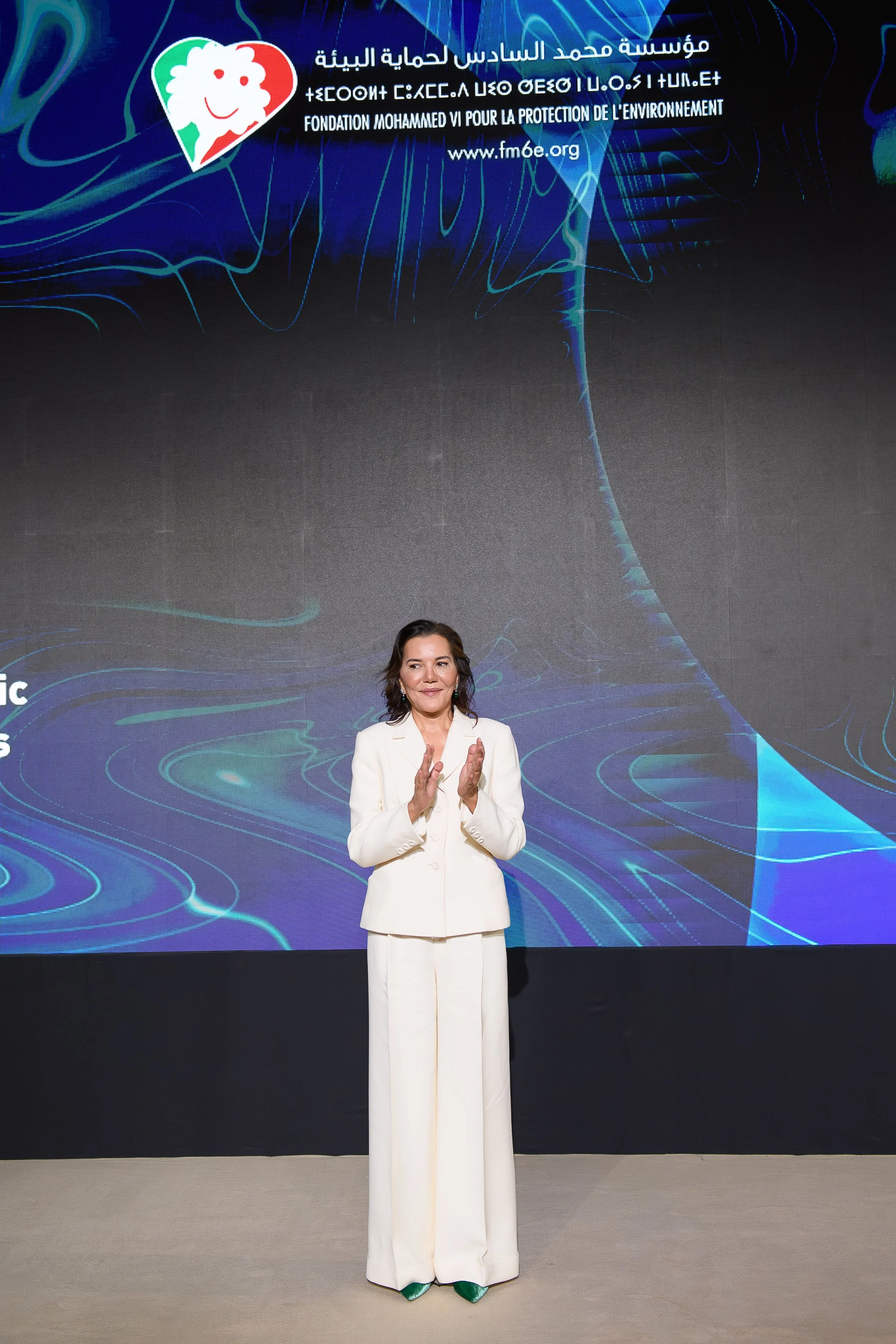
Since 2001, Morocco has championed the protection and celebration of its 3 500 km of coastline through the Lalla Hasnaa Sustainable Coastline Awards, an initiative of the Mohammed VI Foundation for Environmental Protection under the leadership of Her Royal Highness Princess Lalla Hasnaa. Born from the original “Clean Beaches” program, the awards have evolved into a flagship model for community-driven coastal sustainability; one that perfectly embodies the spirit of Blue Flag, the international FEE program recognised for environmental education, citizen engagement, biodiversity protection, and waste reduction.
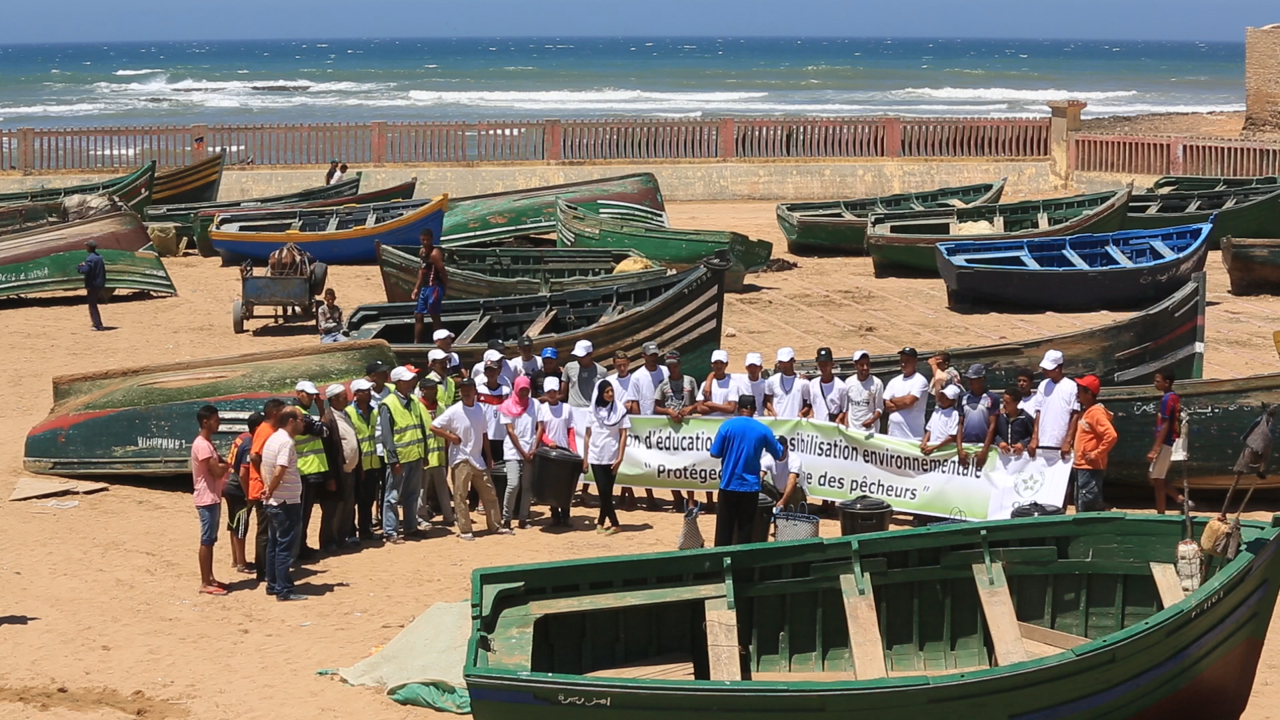
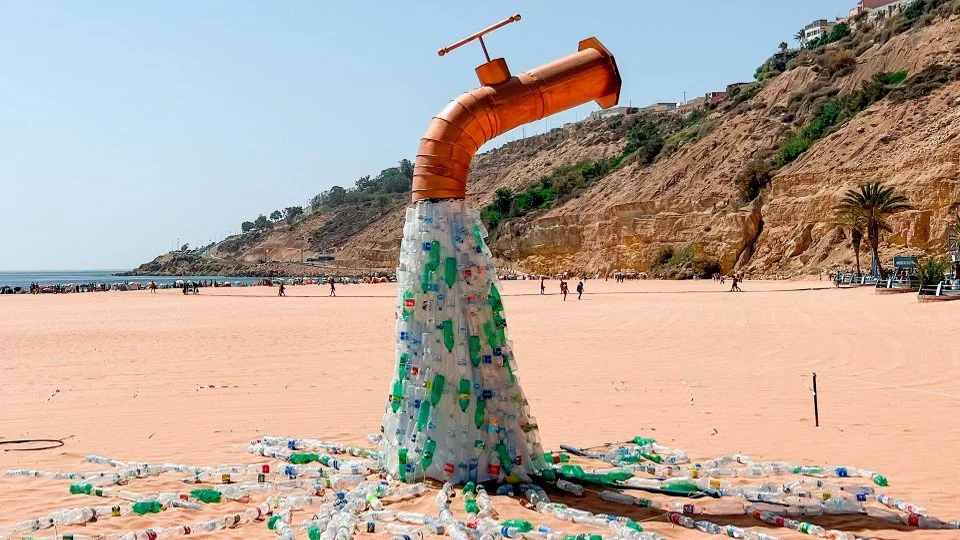
Each biennial edition invites municipalities, NGOs, schools, businesses, and individuals to submit their most innovative coastal projects. From brightly colored, fish-shaped recycling bins that capture the public’s imagination to the transformation of plucked plastic waste into functional art, these initiatives spark real change on the sand. Winning efforts to date have included inclusive boardwalks that grant beach access to people with reduced mobility and citizen-science campaigns that map microplastic hotspots, all evaluated by an independent jury of marine scientists, sustainability experts, and community leaders for relevance, measurable impact, creativity, and potential to inspire replication elsewhere.
Participation has steadily increased over the editions, with a total of 440 applications and nearly 100 projects awarded across the four editions, reflecting a growing national momentum for environmental engagement and illustrating the Moroccan population’s increasing ownership of their coastal heritage. The Fifth Edition of the Lalla Hasnaa Sustainable Coastline Awards marks a significant milestone, guided by themes aligned with UNESCO’s Decade of Ocean Science for Sustainable Development 2021-2030; an alignment intended to steer projects toward priorities such as ecosystem restoration, marine biodiversity, and sustainable livelihoods.
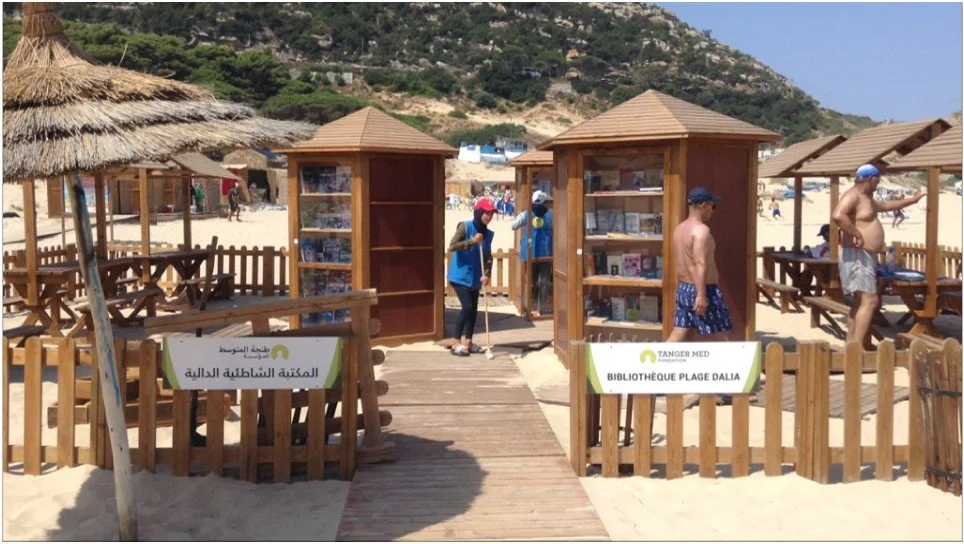
Since that alignment began at the fourth edition in 2022, the awards have been officially recognized within UNESCO’s Ocean Decade framework, solidifying their role in advancing key Sustainable Development Goals. By promoting quality education through youth‑focused workshops, ensuring clean water and sanitation via rigorous beach‑cleaning benchmarks, fostering sustainable communities through public‑space rehabilitation, championing climate action with low‑emission solutions, safeguarding life below water with scientific monitoring, and forging strong partnerships across sectors, the Trophies directly contribute to SDGs 4, 6, 11, 13, 14, and 17.
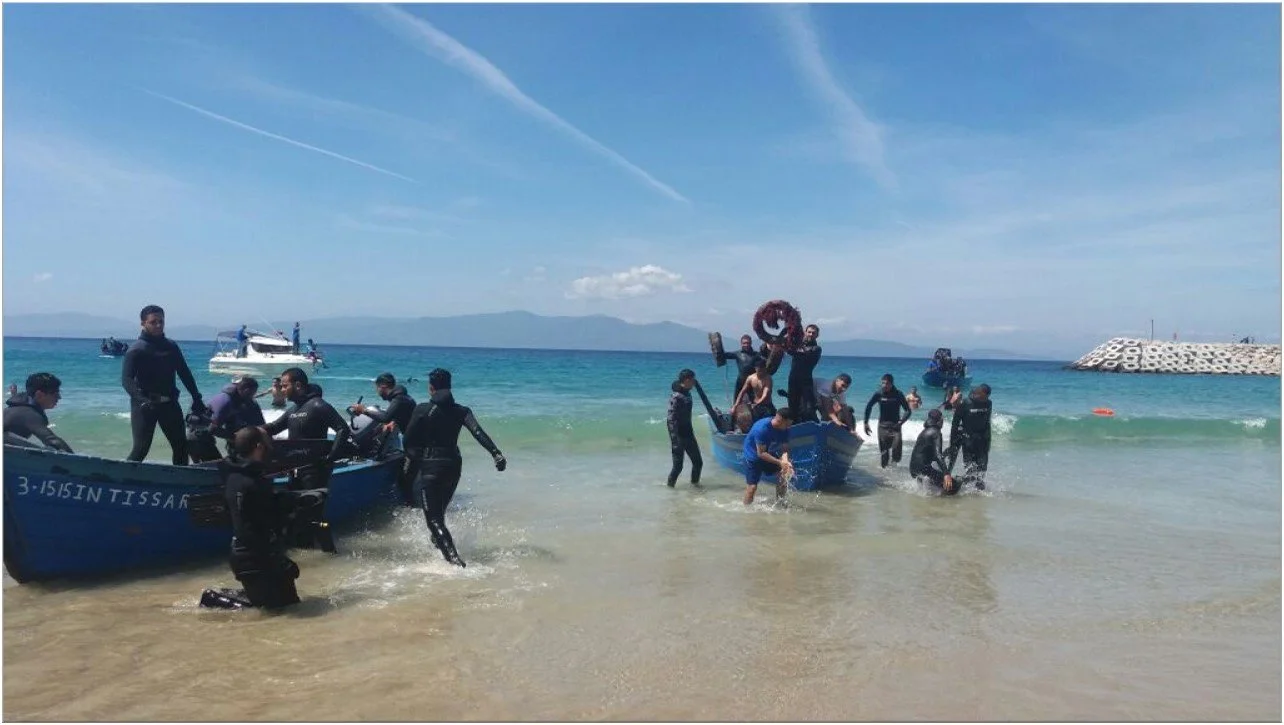
This international visibility underscores the Trophies’ effectiveness as a scalable blueprint for participatory coastal governance, inspiring communities locally, nationally and regionally. While Morocco emerges as a regional leader in sustainable coastal management, the Fifth Edition of the Lalla Hasnaa Sustainable Coastline Awards invites new laureates to carry forward a legacy of innovation and stewardship. Learn more about the Lalla Hasnaa Sustainable Coastline Awards through the program’s website and follow us “@b7ar.blaplastic” on social media (Instagram and Facebook). Together, we can translate local ingenuity into lasting coastal stewardship; one beach, one community, one Trophy at a time.

The Bulgarian Blue Flag Movement celebrates 30 years since Bulgaria’s first Blue Flag
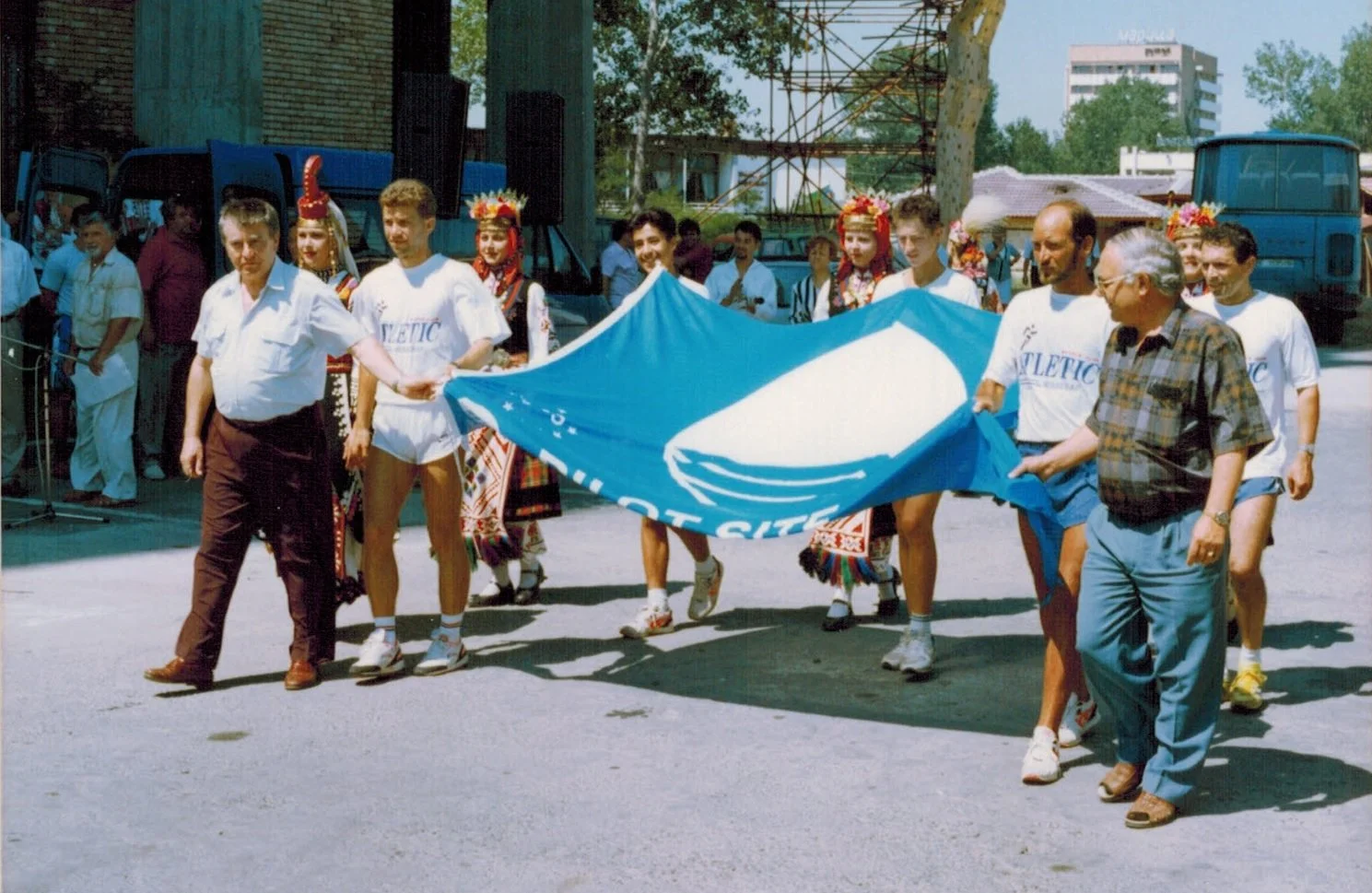
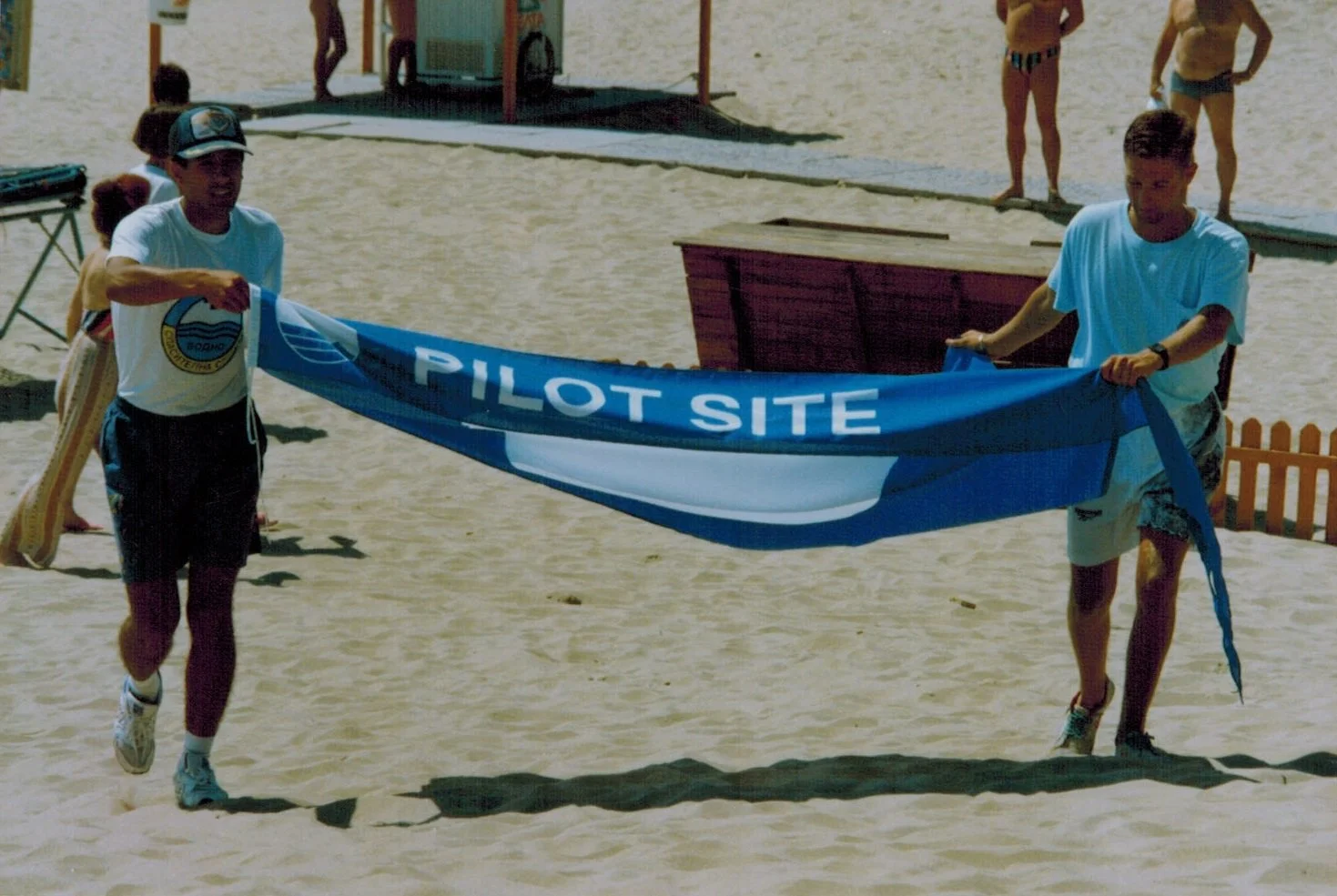
On July 4th 2025 at exactly 11:59:25 in Sunny Beach the Bulgarian Blue Flag Movement organized an event with the slogan “30 Years of Clean Water, Trust and Safety”. This event copies and commemorates the first Blue Flag raising ceremony, organised 30 years ago at 11:59:25 at Sunny Beach, which was the first Bulgarian beach to receive the prestigious Blue Flag award. That special day honors the beginning of the international recognition for Bulgarian beaches and the long-term commitment to high standards of cleanliness and safety.
First Blue Flag award ceremony in Sunny Beach, Bulgaria (1995)
Exactly 30 years after its first international distinction, the Bulgarian Blue Flag Movement looks back to where it all started for the Blue Flag in Bulgaria.
Today the flag arrived from the water, pulled by a boat with a parachute — a visual symbol of the clean connection between sea, nature and human efforts.
“This flag carries memoris, responsibility, and meaning — it proves that Sunny Beach is not just a tourist destination, but a national example of sustainable coastal development,” said Kiril Spasov from the Association of Concessionaires of Seaside Beaches.
“Bulgaria celebrates 30 years in the Blue Flag family with 30 Blue Flags awarded. It’s not just recognition—it’s the result of real efforts, every day, every season. The anniversary is a great opportunity to honor the people behind the success,” emphasized Stanimir Georgiev, Chairman of the Bulgarian Blue Flag Movement.
In 2025, Bulgaria joins the initiative with a national record number of beaches and marinas. But Sunny Beach remains the starting point—the place where, 30 years ago, the country first found its place on the global Blue Flag map.
Everyone’s efforts are important and definitely lead to success when people join forces to protect the coast.
2025 marks another success – Bulgaria’s bathing water quality is ranked second in Europe by the EU after the fifth place last year, which eloquently shows improvement. All these great news are the result of the hard work of all the people and especially the beach managers, who follow the Blue Flag criteria and run their activities in a respectful and responsible for the environment way.

European Boating Industry and FEE sign MoU to advance sustainable nautical tourism
Brussels/Copenhagen, June 2025– European Boating Industry (EBI) and the Foundation for Environmental Education (FEE), the organisation behind the Blue Flag certification, joined forces with a Memorandum of Understanding (MoU) aimed at accelerating sustainable practices within the European nautical tourism sector. This collaboration reflects both organisations' strong commitment to promoting innovation, environmental stewardship, and responsible growth across the industry.
Bringing together complementary expertise, the partnership combines EBI’s influence in European recreational boating policy with FEE’s global leadership in sustainable tourism. With initiatives such as Blue Flag and Green Key, FEE sets internationally recognised standards, while EBI engages directly with policymakers and industry actors to advance sustainable development and connects the boating sector at European level from manufacturing to tourism and services. This collaboration creates a strong foundation for unified efforts, shared advocacy, and greater impact to support the nautical tourism sector.
Through this partnership, EBI and FEE commit to a close and ongoing collaboration aimed at advancing sustainability. This includes mutual promotion of activities, the joint development of projects aligned with shared priorities and regular exchanges of information. The partnership is grounded on a shared commitment to delivering meaningful and accountable outcomes.
Philip Easthill, Secretary-General of European Boating Industry, emphasised the significance of the partnership by stating, “This is an important step forward for the recreational boating industry in Europe. By aligning with FEE, we are reinforcing our commitment to a sustainable future for nautical tourism, one that balances growth with environmental responsibility.”
Daniel Schaffer, CEO of the Foundation for Environmental Education, welcomed the collaboration, noting:
“The Foundation for Environmental Education is proud to formalise its collaboration with the European Boating Industry Association through this Memorandum of Understanding. As custodians of the Blue Flag, one of the world’s most recognised voluntary eco awards, we see this partnership as a vital step forward in promoting sustainable practices across the pleasure boating sector in Europe. By aligning with EBI, we aim to further our shared commitment to protecting marine and coastal environments while supporting innovation and responsibility in the recreational boating community. Together, we can chart a more sustainable course for the future of European waters.” ”
About European Boating Industry (EBI)
EBI represents the recreational boating industry in Europe. It encompasses all related sectors, such as boatbuilding, equipment manufacturing, marinas and service providers. The industry is a significant contributor to the European economy, representing 32,000 companies, predominantly SMEs that employ over 280,000 people directly. The mission of EBI is to advance and represent a sustainable boating and nautical tourism industry.
About Foundation for Environmental Education (FEE)
The Foundation for Environmental Education (FEE) is one of the world’s largest Education for Sustainable Development (ESD) organisations, with over 100 member organisations in 85 countries. With a network of over 50,000 educational institutions, the Eco-Schools, Learning About Ecosystems and Forests and Young Reporters for the Environment programmes empower young people to create an environmentally conscious world through experiential, project-based learning. The Green Key and Blue Flag programmes are globally recognised for promoting sustainable business practices and the protection of natural resources. With over 40 years of impactful experience in ESD, FEE’s strategic plan, GAIA 20:30, prioritises impactful action across all five programmes to address the threats of climate change, biodiversity loss and environmental pollution.

Blue Flag Educational activity in Argentina - Balneario La Florida
In the framework of the Blue Flag programme, Balneario La Florida in Argentina presented ‘La Travesía del Sauce Criollo’, a travelling artwork that is integrated into the city's environmental education agenda. This artistic and community project is part of a larger effort focused on environmental education, waste management, safety and water analysis.
‘La Travesía del Sauce Criollo’ is a monumental sculpture created by internationally renowned artist Alejandro Propato, a specialist in large-scale sculptures in natural public spaces. Inspired by the Creole willow, a tree that grows along rivers and whose seeds are dispersed through water, the work combines art and environmental awareness in an innovative way. The structure simulates the trunk and branches of the willow, while its foliage is built in a participatory way using reusable plastic PET strips.
In this sense, more than 30 institutions, including cultural centres, NGOs, neighbourhood organisations, faculties, municipal secretariats, the Aquarium and the River Advisory Council, have already joined this process, as well as 25 schools participating in the construction of the foliage. In addition, 9 plastic bottle collection centres have been set up at strategic points in the city: the municipal centres of the South, North and Centre districts, the Centre for Contemporary Expressions, the Parque España Cultural Centre, the Municipal School of Urban Arts, the Faculty of Humanities and Arts and the Argentine Library.
It is worth noting that the project not only seeks to raise awareness about the importance of the native willow tree and reforestation with native species, but also to promote reflection on consumption and its impact on nature. Thus, ‘La Travesía del Sauce Criollo’ is an opportunity to unite community wills in pursuit of positive change.
"We believe that, by uniting community wills, we will generate the necessary change while reflecting on our consumption and its impact on nature. We want to highlight the importance of reforestation with native species and how we can all be agents of change," said La Florida.

Good Practice Competition results for the Northern Hemisphere 2025 International Evaluation
As part of the Northern Hemisphere 2025 International Evaluation, Blue Flag International invited the National Operators to share Good Practice examples from their countries. The themes of this edition were:
Measures to prevent pollinator and insect loss
Measure to promote climate adaptation
In total, 22 Good Practices have been submitted by 13 countries as part of the latest International Evaluation round. That included
14 Good Practices related to Climate adaptation;
8 Good Practices related to Pollinator and Insect Loss Prevention;
The International Jury was then presented with a selection of Good Practices during its meeting on the 10th of April 2025, and evaluated the Good Practices within each category. In this process, relevance, creativity, adaptability, collaboration, and replicability were taken into consideration.
The final rankings are presented below, including the winning top Good Practices from each category.
Measure to promote climate adaptation
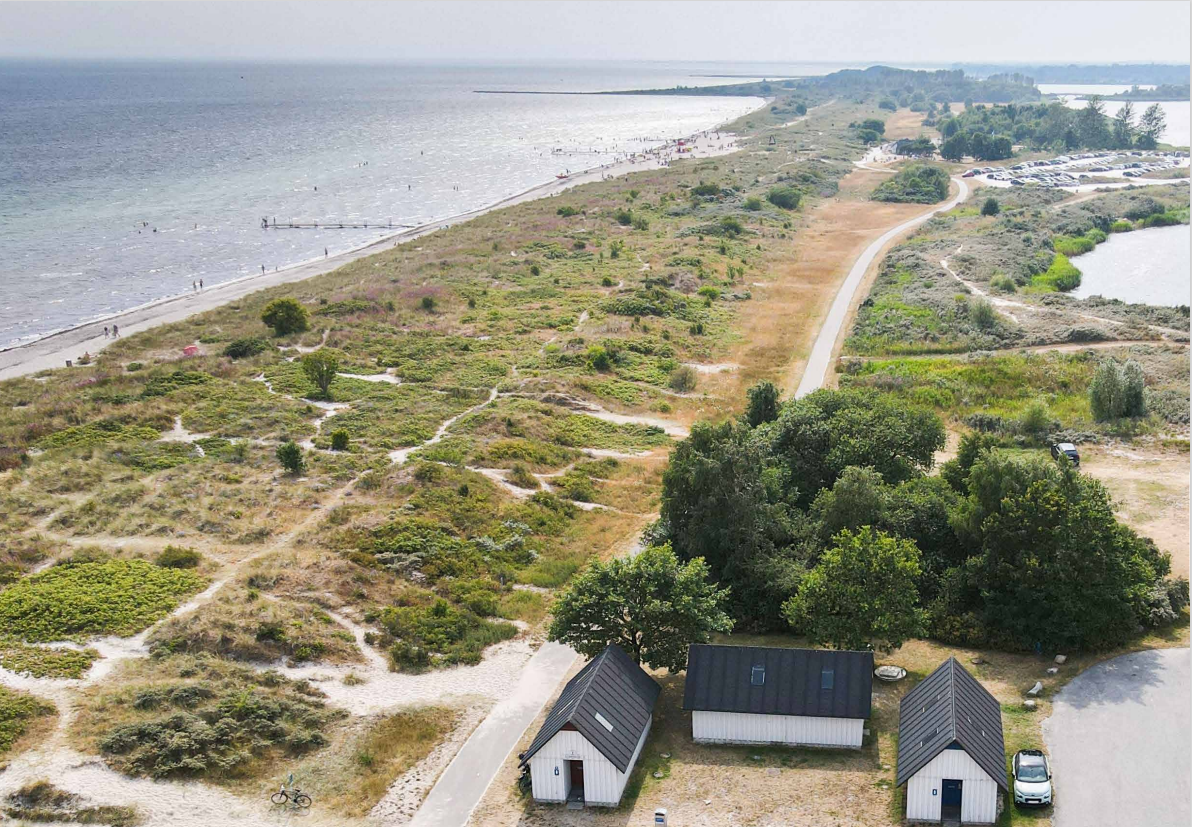
© Municipality of Ishøj

3rd place - ‘Beach SOS ’,
Municipality of Ishøj, Denmark
The Beach SOS initiative at Køge Bugt Strandpark in Denmark combines large-scale sand nourishment, reinforced dikes, and sustainable tourism infrastructure to enhance coastal resilience, while the expanding Havhytten marine center fosters climate adaptation through education and community engagement.

© Municipality of Teulada

3rd place - ‘Dune Awareness-raising workshops on the beach’,
Municipality of Teulada, Spain
A series of interactive workshops in Playa de la Ampolla de Moraira, Spain, raised awareness among 90 participants about the vital role of seagrass beds and seaweed in coastal protection, promoting respect for natural processes and their importance in combating climate change.

© Hotel Wyndham

2nd place - ‘Coastal Green’,
Hotel Wyndham, Mexico
The Viva Azteca By Wyndham Hotel launched a coastal restoration project, planting 400 native plants to stabilize sand, prevent erosion, and promote biodiversity. The project engages tourists and locals through environmental workshops, talks, and hands-on activities.
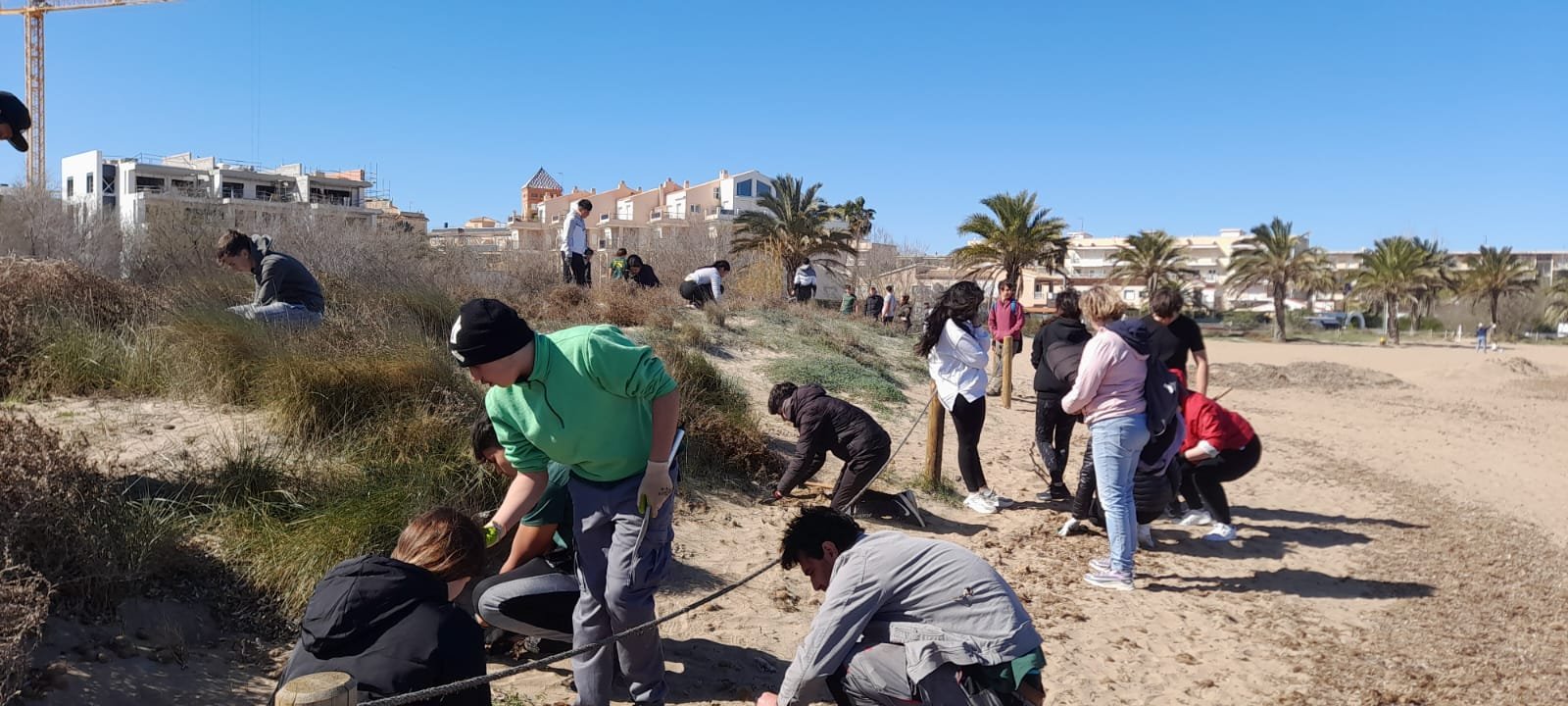
© Municipality of Denia
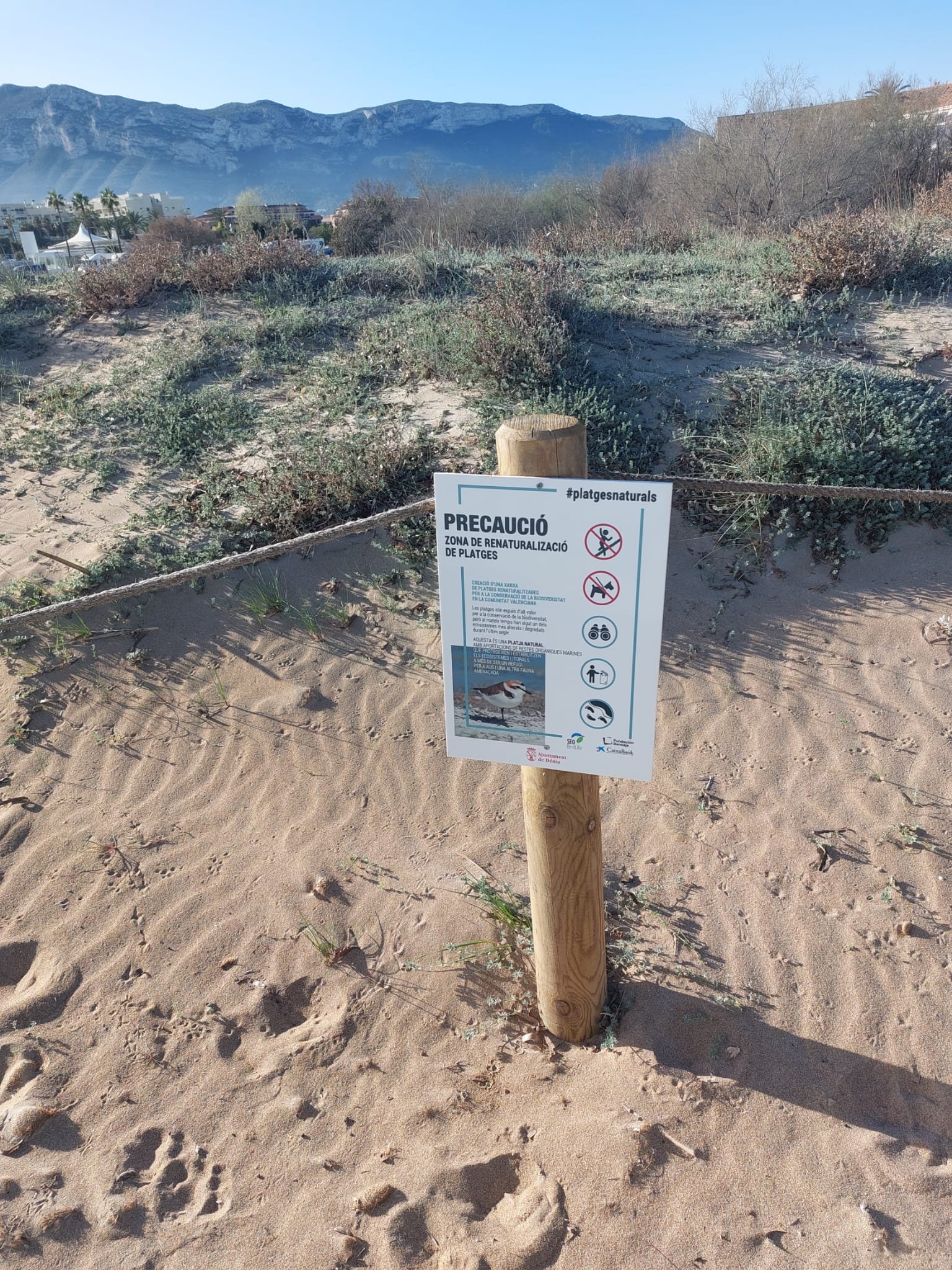
1st place - ‘Environmental volunteering to restore the dune system’,
Municipality of Denia, Spain
An environmental volunteering initiative at Punta del Raset beach mobilised 60 participants to restore dune ecosystems and protect the Kentish plover’s habitat, combining hands-on conservation with educational signage and sand traps to combat erosion, support biodiversity, and foster sustainable tourism.
Measures to prevent pollinator and insect loss.

© Municipality of Gavà

3rd place - ‘BIO Platges met’,
Municipality of Gavà, Spain
BIO PLATGES MET in Gavá, Spain, is a citizen science initiative that engages beachgoers in monitoring pollinators and local biodiversity through educational signage and digital tools, raising awareness and contributing valuable data for ecosystem conservation.
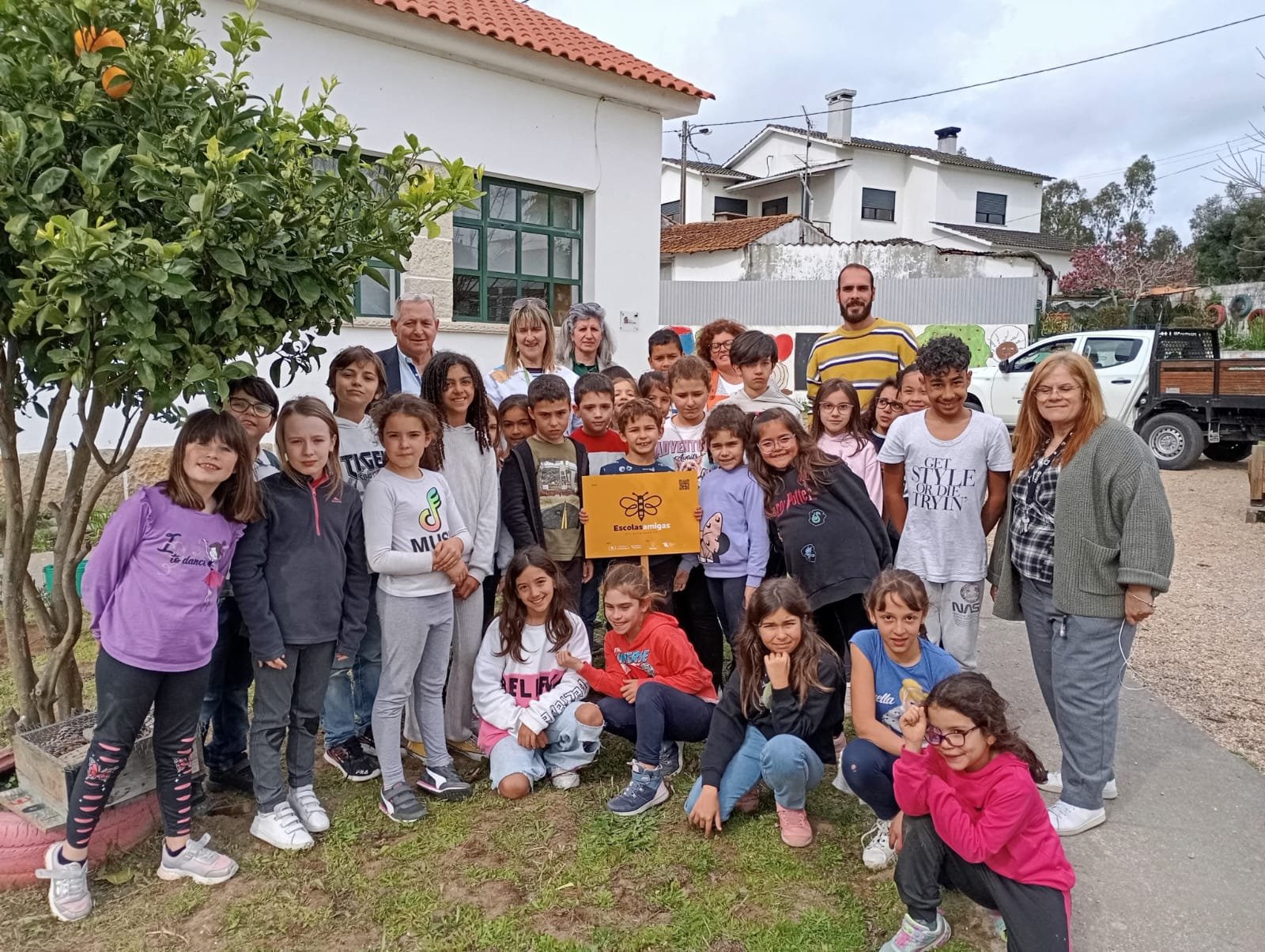
© Municipality of Leiria

2nd place - ‘Pollinator Friendly Schools Network’,
Municipality of Leiria, Portugal
In Portugal, the Pollinator Friendly Schools Network empowered students across six schools to combat pollinator decline by planting native species and creating insect habitats, blending environmental education with hands-on restoration to support biodiversity and sustainable agriculture.

© City of Delray Beach, Florida

1st place - ‘Pocket Parks and Pollinator Gardens ’,
City of Delray Beach, Florida, USA
In Delray Beach, USA, the Pocket Parks and Pollinator Gardens initiative created ten biodiverse green spaces in partnership with residents and the National Wildlife Refuge, combining public engagement, educational events, and citizen science to support pollinators and promote long-term environmental stewardship.