
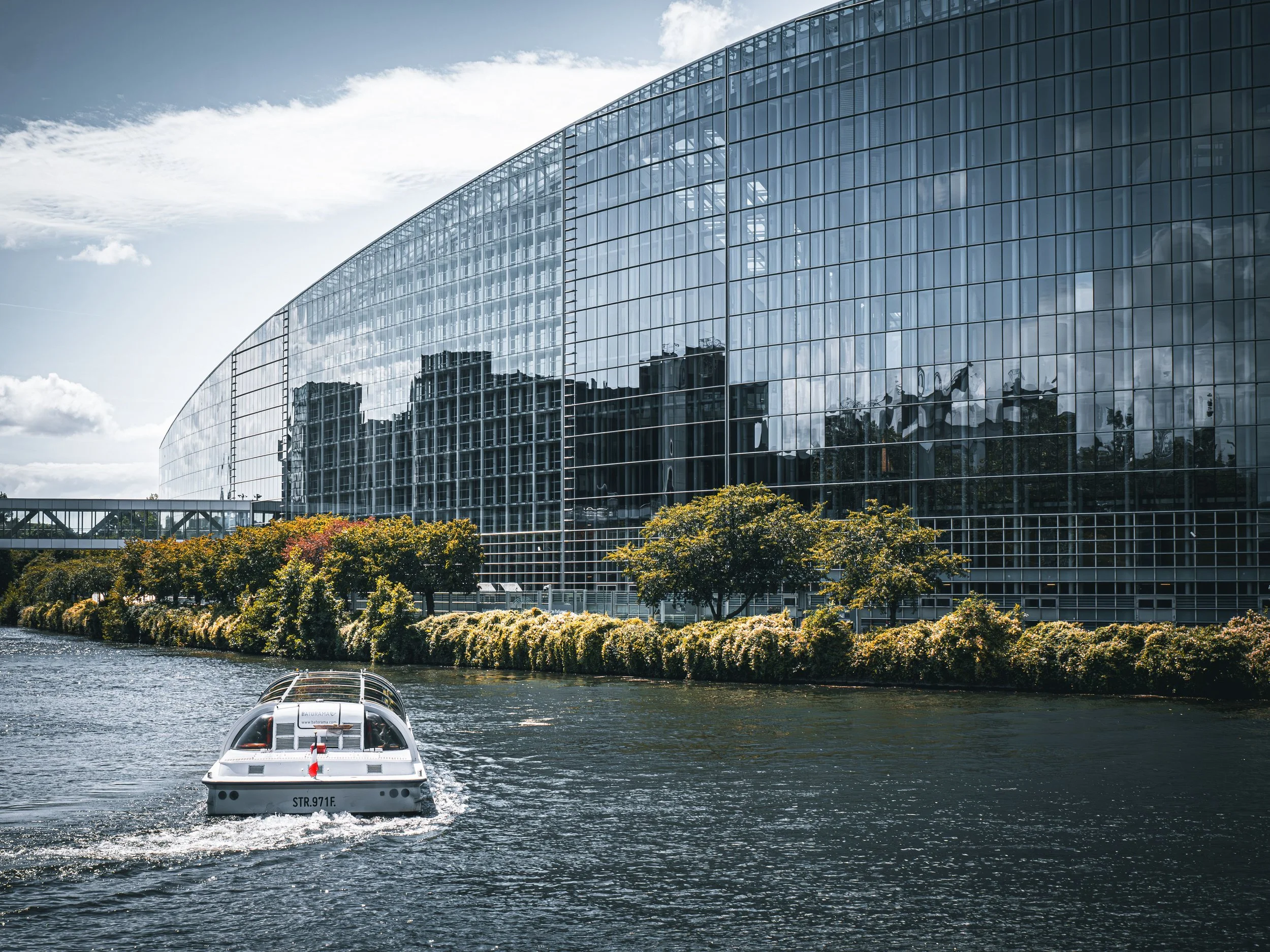
Blue Flag Welcomes European Parliament Support for the Future of the Programme
Blue Flag Welcomes European Parliament Support for the Future of the Programme
The Foundation for Environmental Education (FEE) welcomes a cross-party initiative by 30 Members of the European Parliament calling on the European Commission to safeguard the future of the Blue Flag Programme in Europe.
This effort is led by a Member of the European Parliament, Vice-Chair of the S&D Group, Mr. Yannis Maniatis, after he was contacted by FEE and informed about the potential riks to the Bue Flag Programme arising from the implementation of Directive (EU) 2024/825 (Empowering Consumers for the Green Transition – EmpCo). The coalition of MEPs has submitted a formal parliamentary question to the European Commission and addressed a letter to the relevant European Commissioners, highlighting the importance of ensuring that the implementation of EmpCo does not unintentionally undermine one of Europe's most recognised environmental programmes.
Since its creation in 1987, Blue Flag has become a global symbol of environmental excellence, recognising beaches, marinas and tourism boats that meet high standards in water quality, environmental management, safety, accessibility and environmental education. Today, the programme is implemented across 52 countries, with approximately 3,800 Blue Flag sites in 22 EU Member States, making a significant contribution to sustainable tourism and the implementation of European environmental policies.
In his intervention, Mr. Maniatis recognises the programme's long-standing contribution to the European Union's environmental objectives while raising concerns that the application of legislation originally designed for consumer products could create disproportionate administrative and financial burdens for municipalities responsible for implementing Blue Flag. Such unintended consequences could reduce participation in the programme and weaken its positive environmental and socio-economic impact.
The Blue Flag Programme has already been proactively preparing for the new regulatory landscape. FEE is working closely with National Operators, accreditation experts, and European stakeholders to strengthen the programme's governance and verification framework, ensuring alignment with the objectives of the EmpCo Directive while preserving the programme's accessibility, credibility, and effectiveness that have defined Blue Flag for nearly forty years
Across Europe, Blue Flag supports municipalities and coastal communities in delivering high environmental standards through rigorous international criteria, independent assessment, and ongoing compliance monitoring. The Programme contributes directly to EU objectives on bathing water quality, environmental education, accessibility, environmental management, and sustainable tourism.
In a written statement, Mr. Maniatis emphasizes:
"The institution of the "Blue Flag" is an extremely successful environmental initiative, which has proven its value for decades. It is not just a symbol of quality, but a tool for environmental protection, sustainable development and strengthening Greek and European tourism.
The Commission must immediately ensure that the implementation of the new legislation does not create unjustified obstacles to the continuation of a programme that is a European model of success."
"We greatly appreciate Mr. Maniatis' recognition of the value that Blue Flag brings to Europe's coasts, communities and tourism sector," said Johann Durand, International Blue Flag Director, at the Foundation for Environmental Education. "As a programme that has supported environmental excellence for almost four decades, we share the objective of strengthening consumer confidence through robust and credible certification. We look forward to continuing our constructive dialogue with the European Commission and other European institutions to ensure that the implementation of the Directive reinforces, rather than jeopardises, successful public-interest environmental programmes such as Blue Flag."
FEE will continue working collaboratively with European institutions, Member States, and partners to ensure that Blue Flag remains a trusted driver of cleaner beaches, healthier coastal environments, informed citizens, and sustainable tourism across Europe for generations to come.”
Blue Flag in Europe
Established in 1987
Present in 22 EU Member States
Around 3,800 awarded beaches, marinas and tourism boats
A Programme of the Foundation for Environmental Education (FEE)
Contributes to EU objectives on water quality, environmental education and sustainable tourism
Source in Greek: maniatis-paremvasi-eyrwvouli-gia-mellon-galazia-simaia
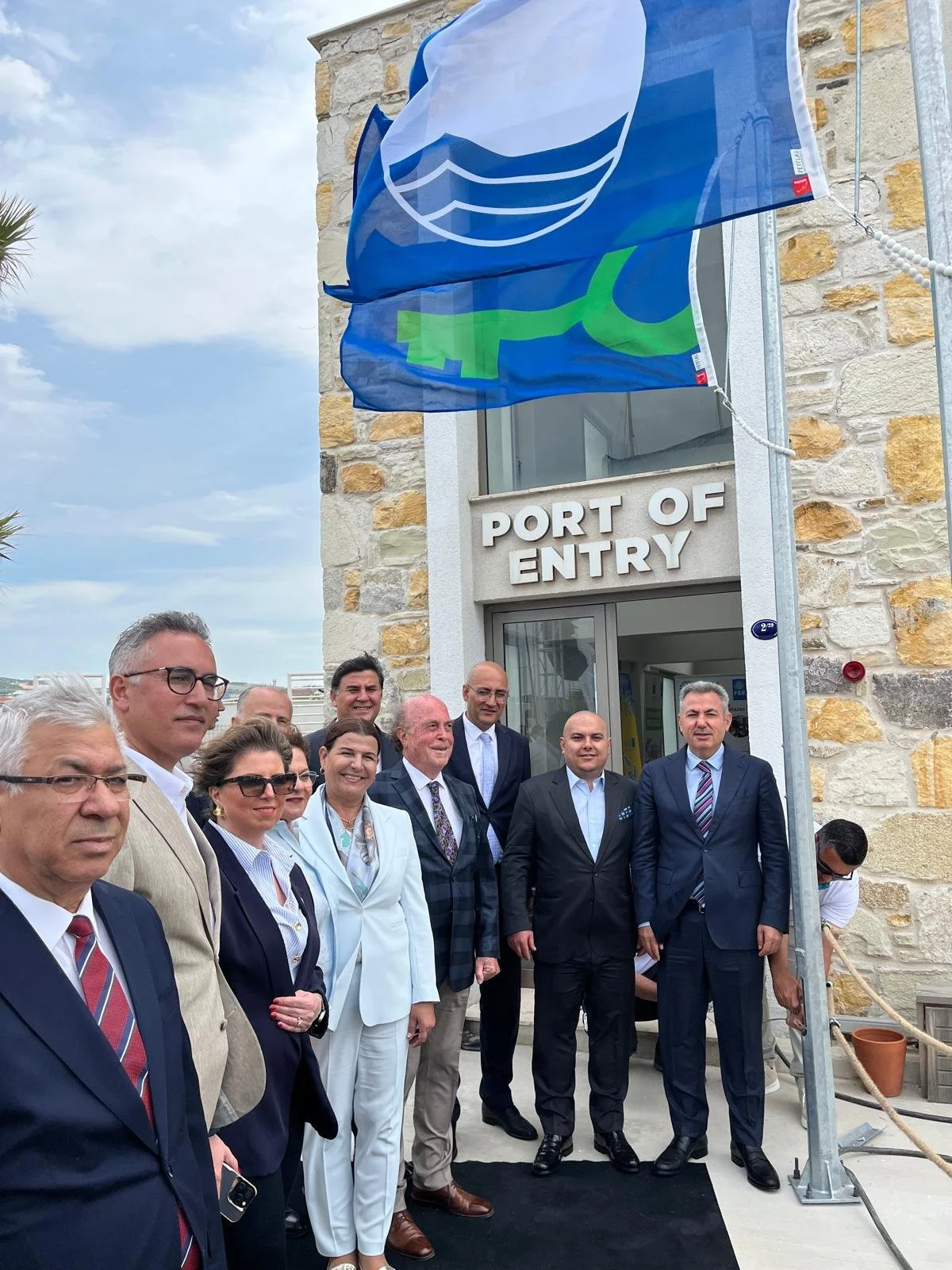
Türkiye’s National Blue Flag Award Ceremony 2026
Following the announcement of the 2026 Blue Flag awards by the Foundation for Environmental Education (FEE), the National Blue Flag Award Ceremony was held at the Yenifoça Oasis Marina in Foça, İzmir.
At the ceremony, beaches, marinas, tourist boats, and private yachts that were deemed worthy of the Blue Flag award in 2026 were honored, once again highlighting Türkiye's strong position in international rankings.
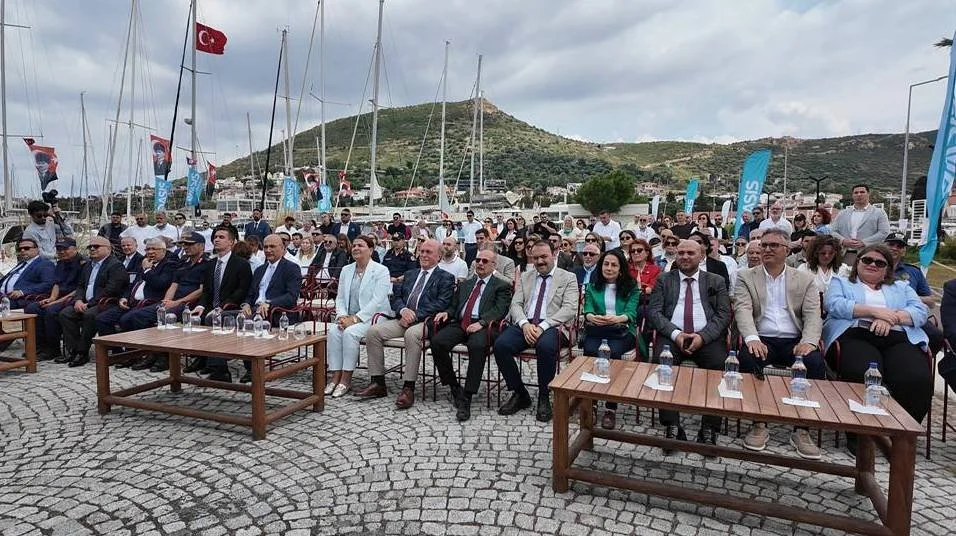
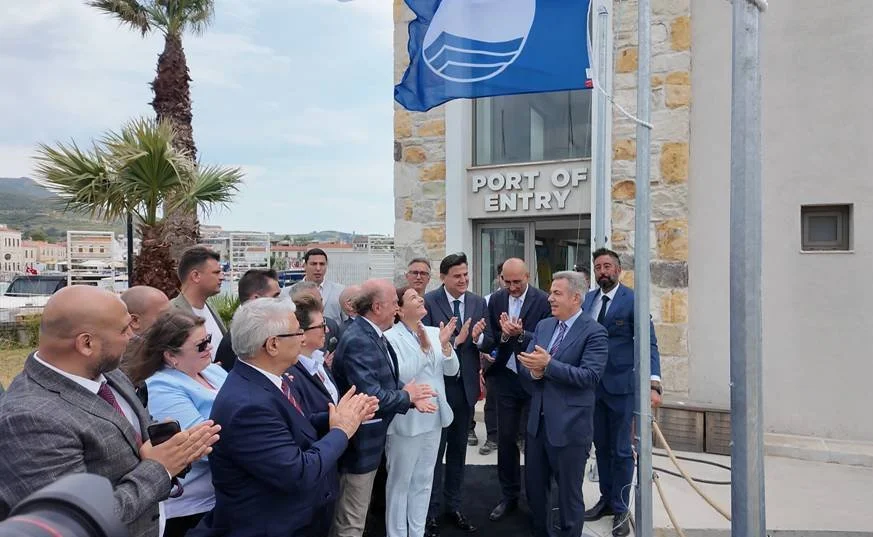
This year, Türkiye received Blue Flags for 580 beaches, 30 marinas, 18 tourist boats, and 26 private yachts. Thus, Türkiye maintained its position as the third country in the world with the most Blue Flag beaches in the beach category.
The ceremony was attended by the Governor of İzmir, Süleyman Elban; the Chairman of the Board of Directors of TÜRÇEV and former Minister of Tourism, Assoc. Prof. Dr. The ceremony was attended by Abdulkadir Ateş, Foça District Governor İhsan Emre Aydın, Foça Mayor Saniye Bora Fıçı, Fethiye Mayor Alim Karaca, Didim Mayor Hatice Gençay, as well as representatives from National Blue Flag Jury, public institutions, local governments, the tourism sector, and members of the press.
During the ceremony, Blue Flag Awards of 2026 were announced, and the Blue Flag was raised, representing award-winning beaches, marinas, tourist boats, and individual yachts across Türkiye. The program opened with a mini concert by pupils from Yeni Foça Kindergarten, an Eco-Schools participant school, who performed environmental-themed songs, adding a meaningful educational dimension to the event. Simultaneously, the International Green Key Flag was raised at Oasis Marina for seven award-winning individual yachts and at Oasis Houses Hotel.
With this development, for the first time in Türkiye, both a marina and 7 individual yachts affiliated with the marina received the International Blue Flag Award, while the accommodation unit within the same facility was also awarded the International Green Key certification.
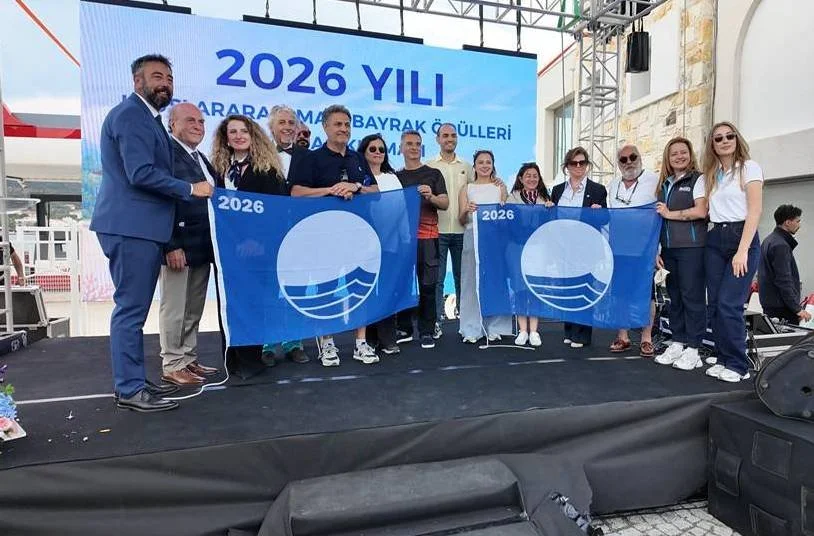
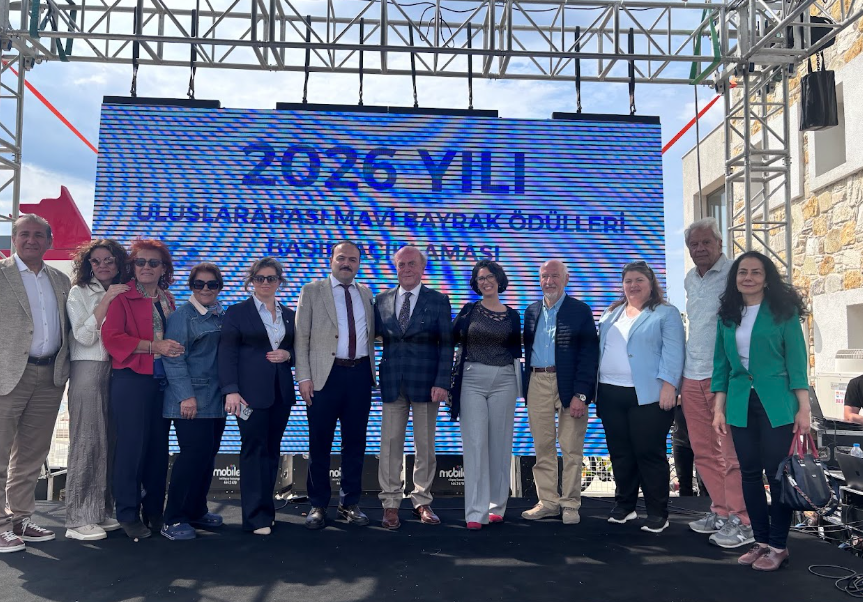
Speaking at the ceremony, TÜRÇEV Board Chairman and former Minister of Tourism Assoc. Dr. Abdulkadir Ateş emphasized the importance of sustainable tourism and environmental protection, stating that Turkiye's success in the Blue Flag field is the result of years of determined efforts. Ateş stated in his speech, “It is difficult to obtain the Blue Flag, but very easy to lose it. This success can only be sustained through continuous work, prioritising environmental awareness and education.”
As part of the programme, municipalities, hotels, tourism associations, marinas, and individual yacht owners who have implemented exemplary practices in environmental education and awareness activities were also presented with “Best Environmental Education and Awareness Activities Awards.”
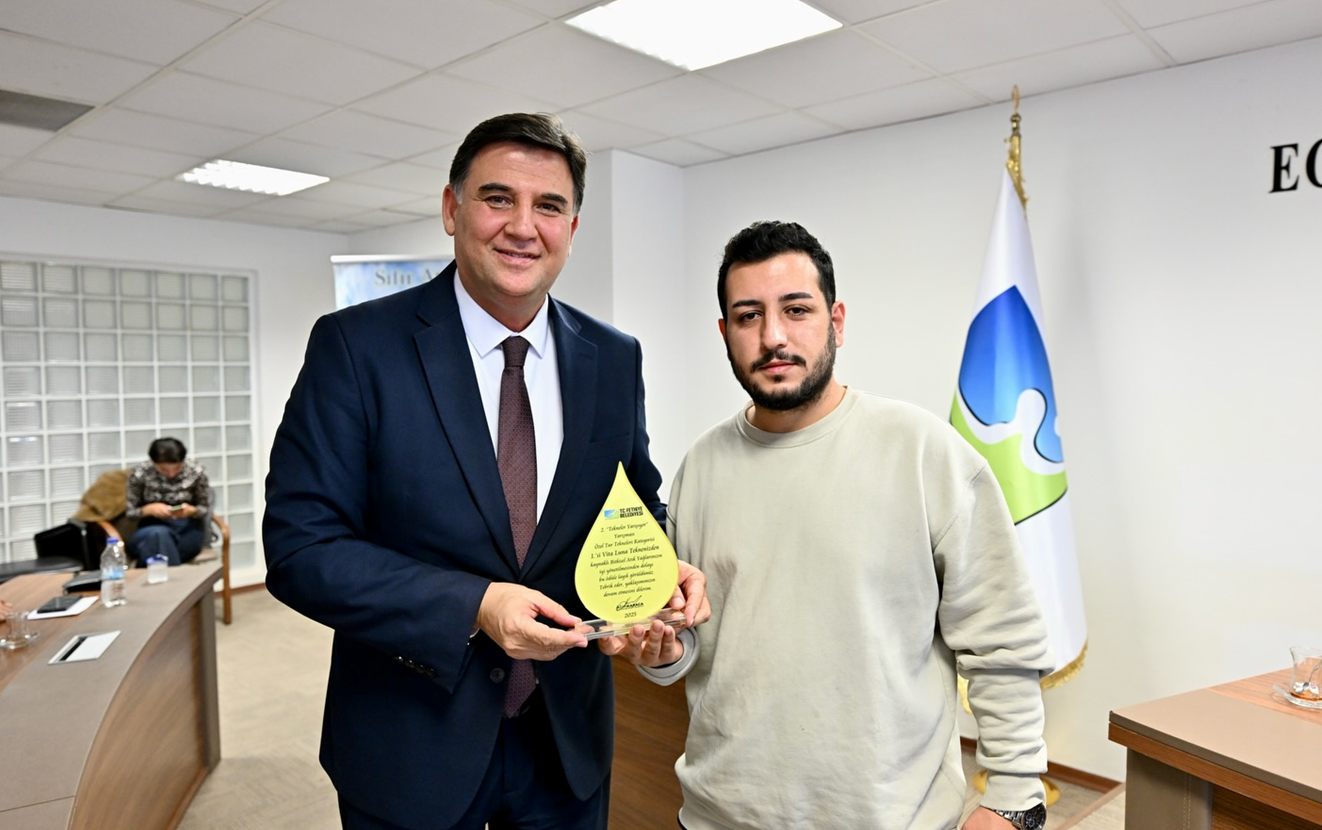
In the international evaluation organised by the International Foundation for Environmental Education, Fethiye Municipality was selected as third among the best practices among candidates from 54 countries. The certificate of achievement was presented to Fethiye Mayor Alim Karaca during the ceremony.
The Blue Flag programme, coordinated by TÜRÇEV since 1993, continues to contribute to Türkiye's sustainable tourism goals by taking into account criteria such as swimming water quality, environmental management, safety, accessibility, and environmental education.
China Holds Its First Blue Flag Beach Award Ceremony
On the morning of May 22, a flag awarding ceremony was held in Weihai, Shandong, marking the unveiling of China’s first Blue Flag beach. The Center for Environmental Education and Communications of Ministry of Ecology and Environment(CEEC in short), as the National Operator of Blue Flag Programme in China, awarded the Blue Flag to Weihai International Bathing Beach.
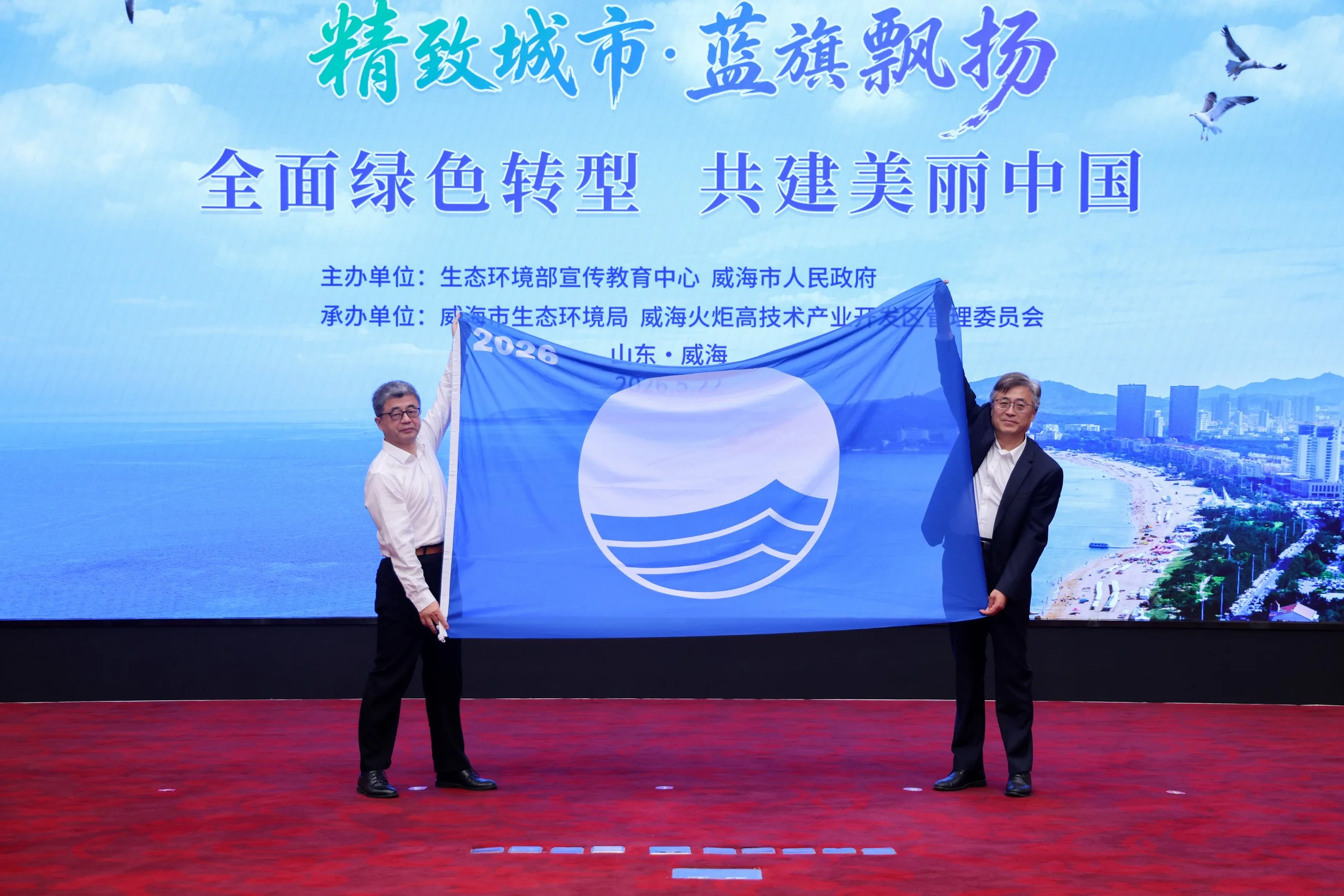
[Flag Awarding]
Established in 1992, Weihai International Bathing Beach is a naturally formed cape-bay beach located within Weihai Bay, which was awarded as one of the fourth batch of outstanding cases in the "Beautiful Bays" initiative by the Ministry of Ecology and Environment (MEE in short)—the "Beautiful Bays" initiative is a bay environmental improvement program launched by China in 2021, with 43 outstanding cases nationwide currently. The beach stretches approximately 2,800 meters in length, with water quality consistently rated as excellent. The section certified as a Blue Flag beach covers approximately 1,600 meters of the central coastline. In 2024, the beach attracted approximately 8 million visitors.
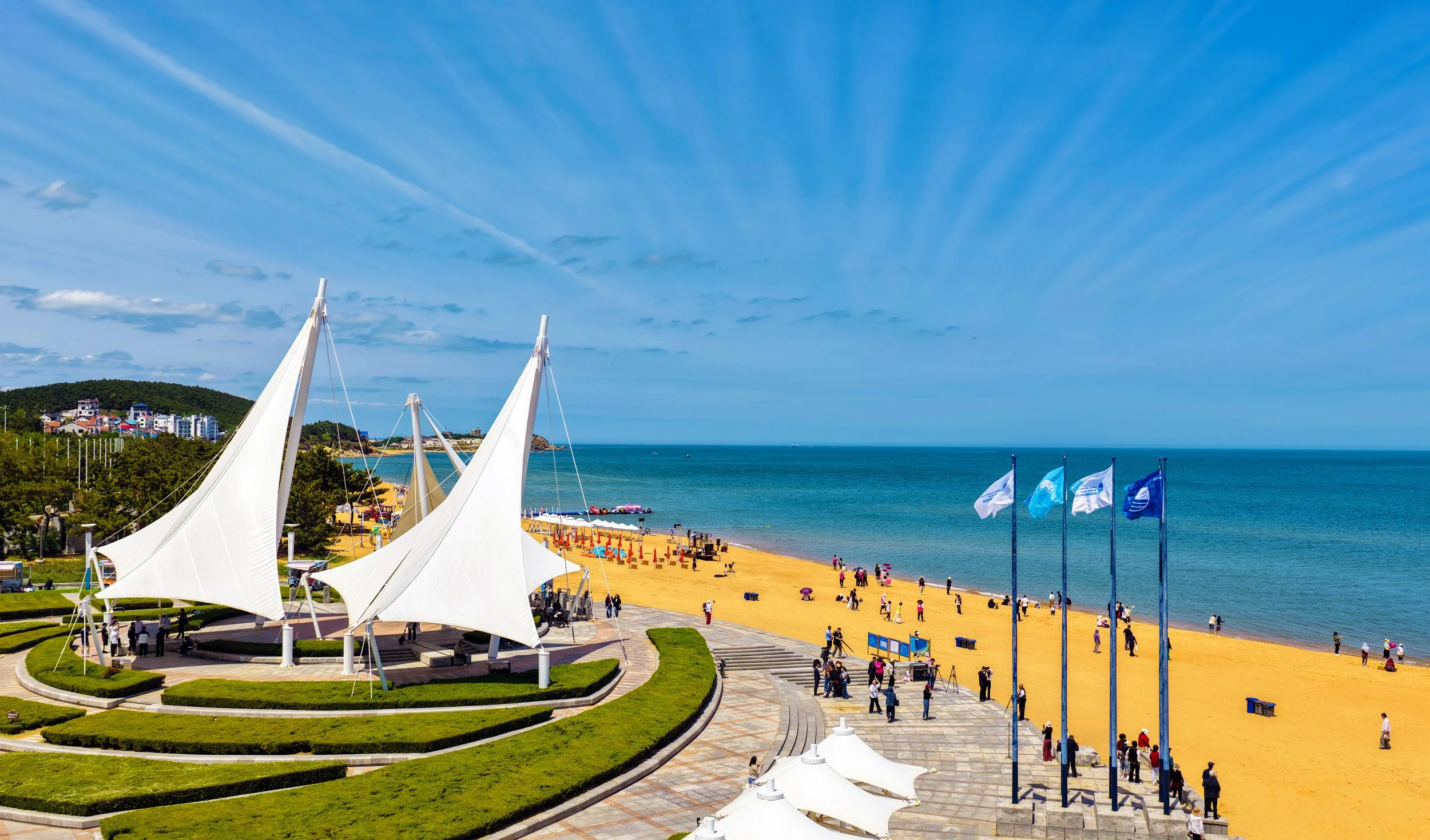
[Blue Flag flying over the Weihai International Bathing Beach]
At the ceremony, Mr. Daniel SCHAFFER, CEO of FEE, offered his congratulations via video on the success of China’s first Blue Flag beach. He stated that this achievement reflects the strong commitment of national and local authorities to protect the marine environment. He noted that the first Blue Flag beach located within a Beautiful Bay, indicates alignment between China’s “Beautiful Bays” initiative and the Blue Flag Programme.
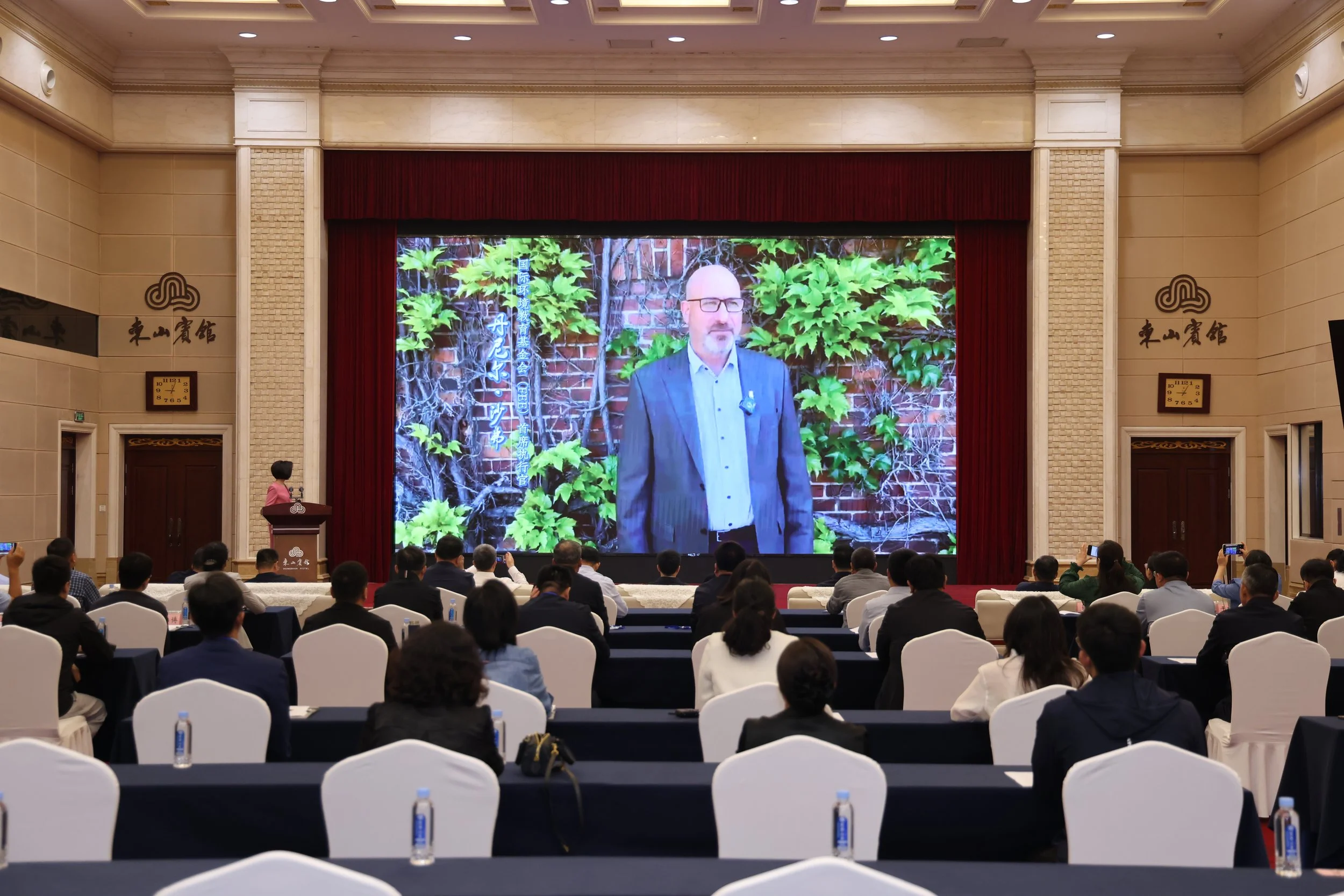
[Photo from FEE CEO Daniel Schaffer’s congratulatory video]
In his remarks, a representative from the Department of Marine Ecology and Environment of MEE noted that the Blue Flag beach award ceremony further demonstrates the significant achievements made by Weihai in strengthening marine ecological conservation and advancing the development of beautiful bays. These efforts have not only improved the ecological quality of the bay but also fostered the growth of coastal eco-tourism, enhancing the public’s sense of fulfillment and happiness in enjoying the sea activities.
Mr. LIANG Hao, Vice Mayor of Weihai Municipal People’s Government, stated that the awarding of Blue Flag to Weihai International Bathing Beach represents not only recognition for Weihai but also a significant responsibility. Moving forward, Weihai will take the opportunity to align with international best practices and standards, systematically enhance coastal protection and management, and fully commit to developing a set of replicable and scalable “Weihai models” for beach conservation and management, thereby contributing to the construction of a Beautiful China.
Special observers for ecological and environmental affairs Ms. JU Ping and Mr. HU Ge, Shanghai Film Studio actor Mr.CHEN Long, and ecological artist Ms.HAN Lili recorded special videos for this event, calling on the whole society to protect the marine ecosystem and work together to build a harmonious home for both humans and wildlife. Renowned athlete and Athens Olympic women’s weightlifting world champion Ms.TANG Gonghong, along with Weihai marine ecological volunteers, jointly issued a call to the public on civilized ocean engagement and eco-friendly beachcombing.

[Photos from JU Ping’s congratulatory video]
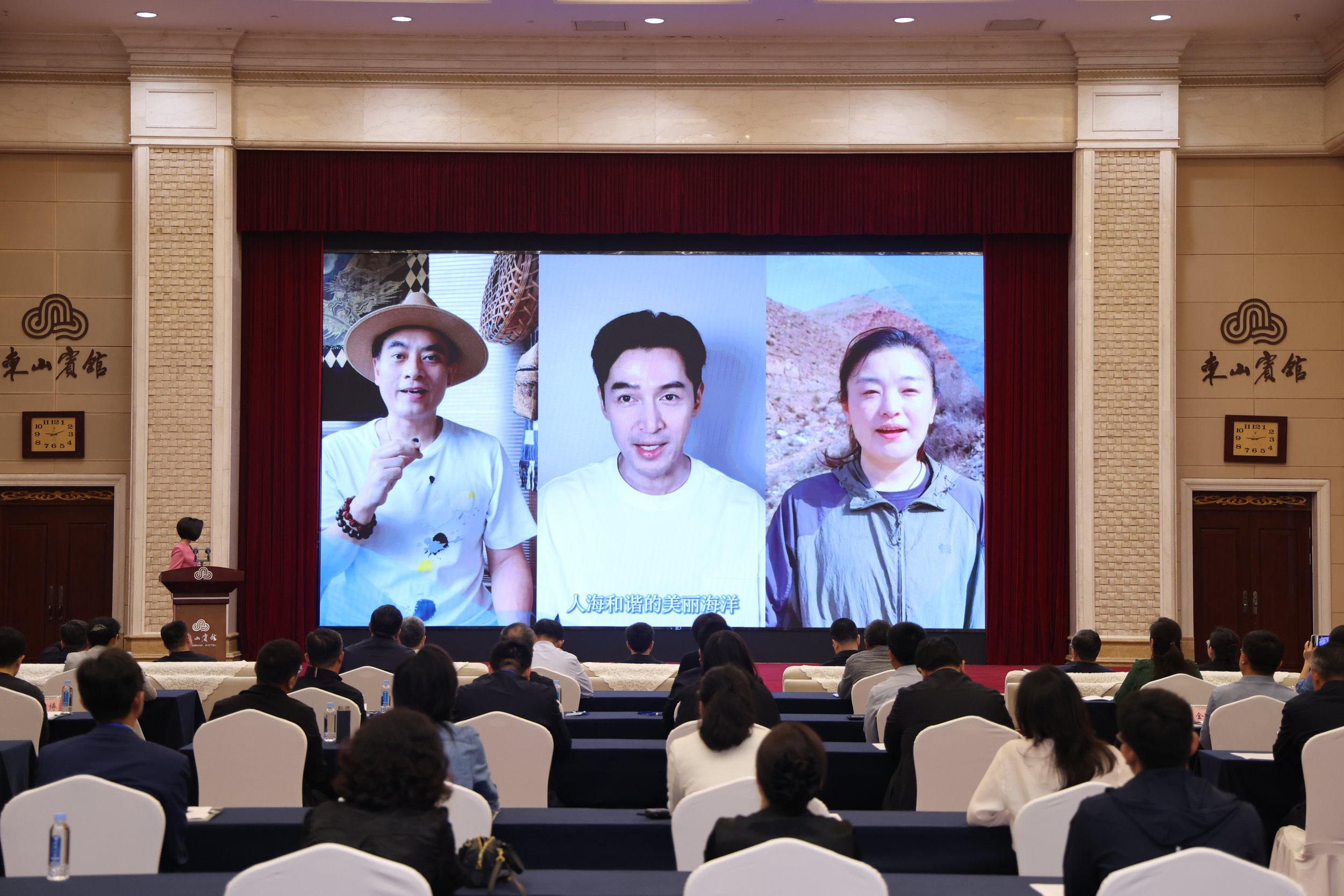
[Photos from HU Ge’s team’s congratulatory video]

[Photo of TANG Gonghong (the second from the right) and other volunteers]
As China’s first Blue Flag beach pilot site, the Weihai International Bathing Beach undertook improvements in 2025 under the guidance of CEEC , Ocean University of China and the Weihai Municipal Bureau of Ecology and Environment, etc. based on 33 criteria of Blue Flag beach across four categories.
These improvements include, but are not limited to, inviting third parties to establish a routine water quality monitoring, upgrading the multilingual guidance system and accessibility facilities for water activities in accordance with international standards, installing educational displays on biodiversity conservation, and leveraging occasions such as “World Environment Day” to continuously organise environmental education activities—including beach cleanups and science outreach—to encourage the public to engage in ecological conservation. Since January of 2026, NGOs in Weihai have organized 31 volunteer beach cleanup events at the International Bathing Beach, as well as 10 “Daily Beach Cleanup for 5 Minutes” activities designed to engage local residents and tourists, which have attracted more than 360 participants.
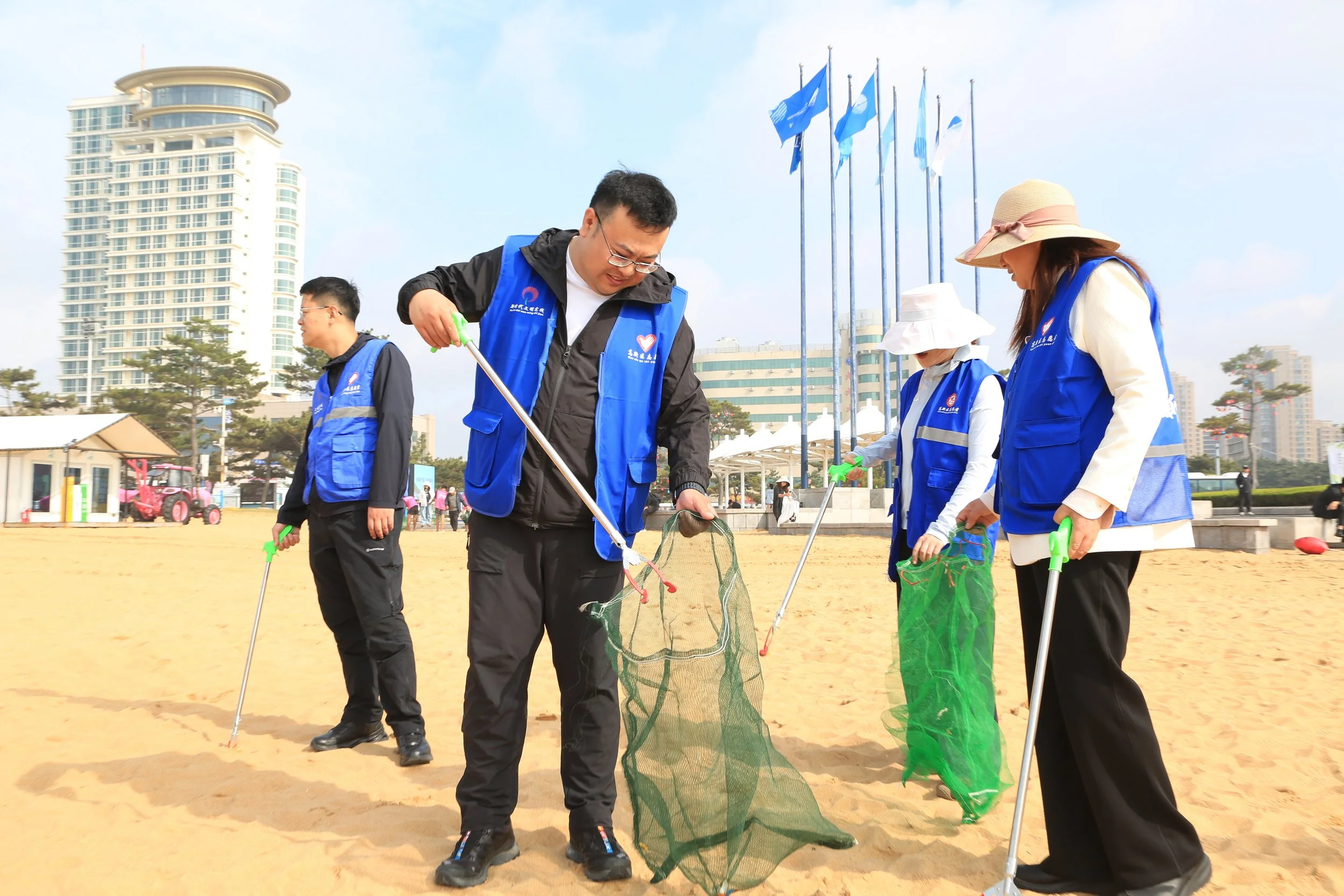
[Beach cleanup events]
Of course, the Blue Flag beach honor of Weihai International Bathing Beach largely benefits from the marine ecological conservation and restoration efforts promoted at the national level. Since 2018, the Torch High-Tech Industrial Development Zone, where the Weihai International Bathing Beach is located, has invested over 300 million yuan in coordinated efforts to restore the bay’s ecology. It has also continuously conducted a series of key projects, including the remediation of discharge outlets into the sea and rivers. As a result, the water quality in the zone’s nearshore waters has remained consistently at 100% excellent.
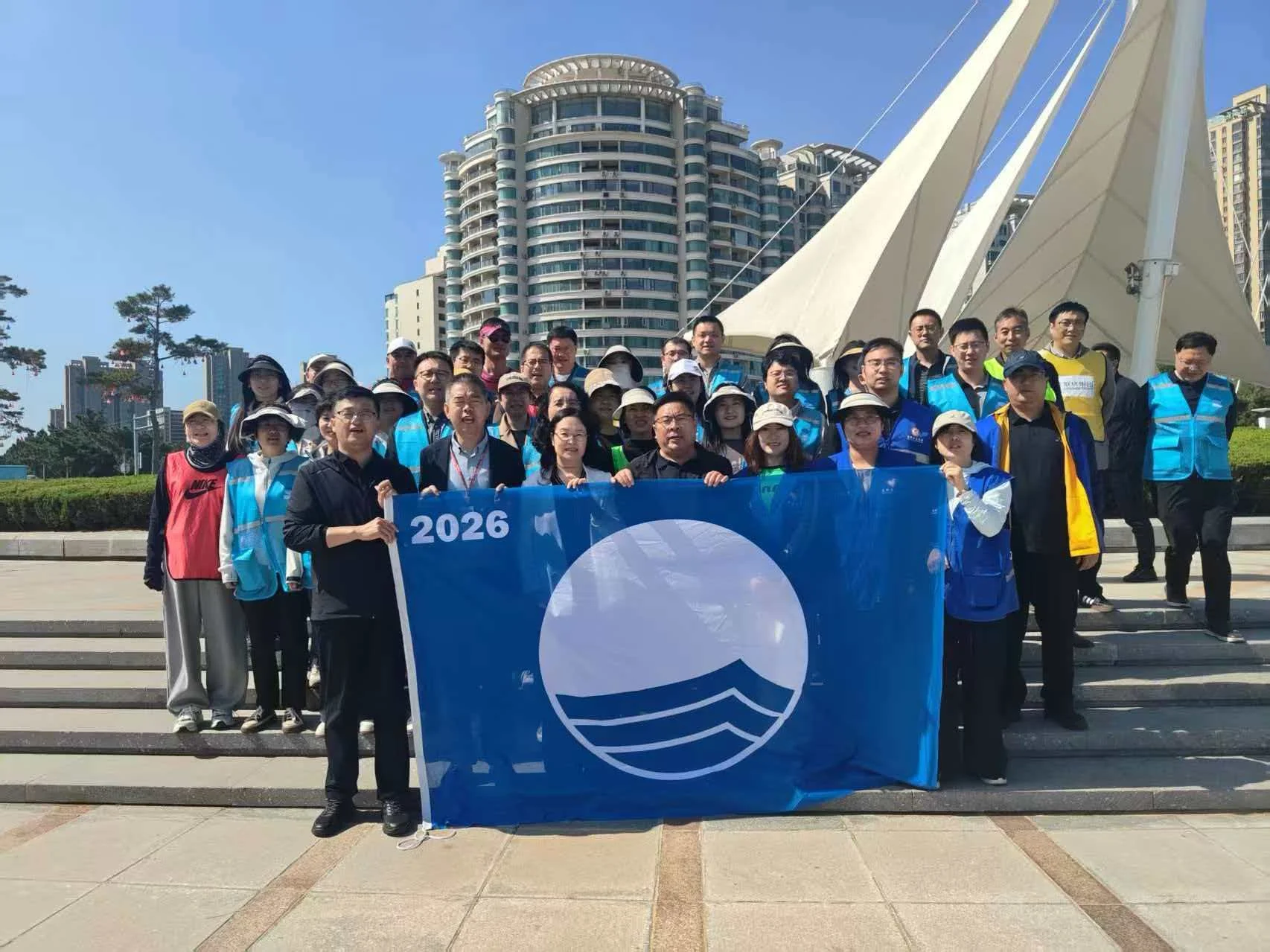
[Group photo of Weihai International Bathing beach staff and volunteers with the flag]
In February 2026, the beach passed the domestic review conducted by a national committee composed of experts from various authoritative departments, and then CEEC formally submitted the application materials to Blue Flag International. In April 2026, the beach successfully passed the international review.
For more information, please refer to the offical site of Blue Flag China
Türkiye shares its Blue Flag experience wit Kyrgyzstan to support the ISSYK-KUL Blue Flag initiative
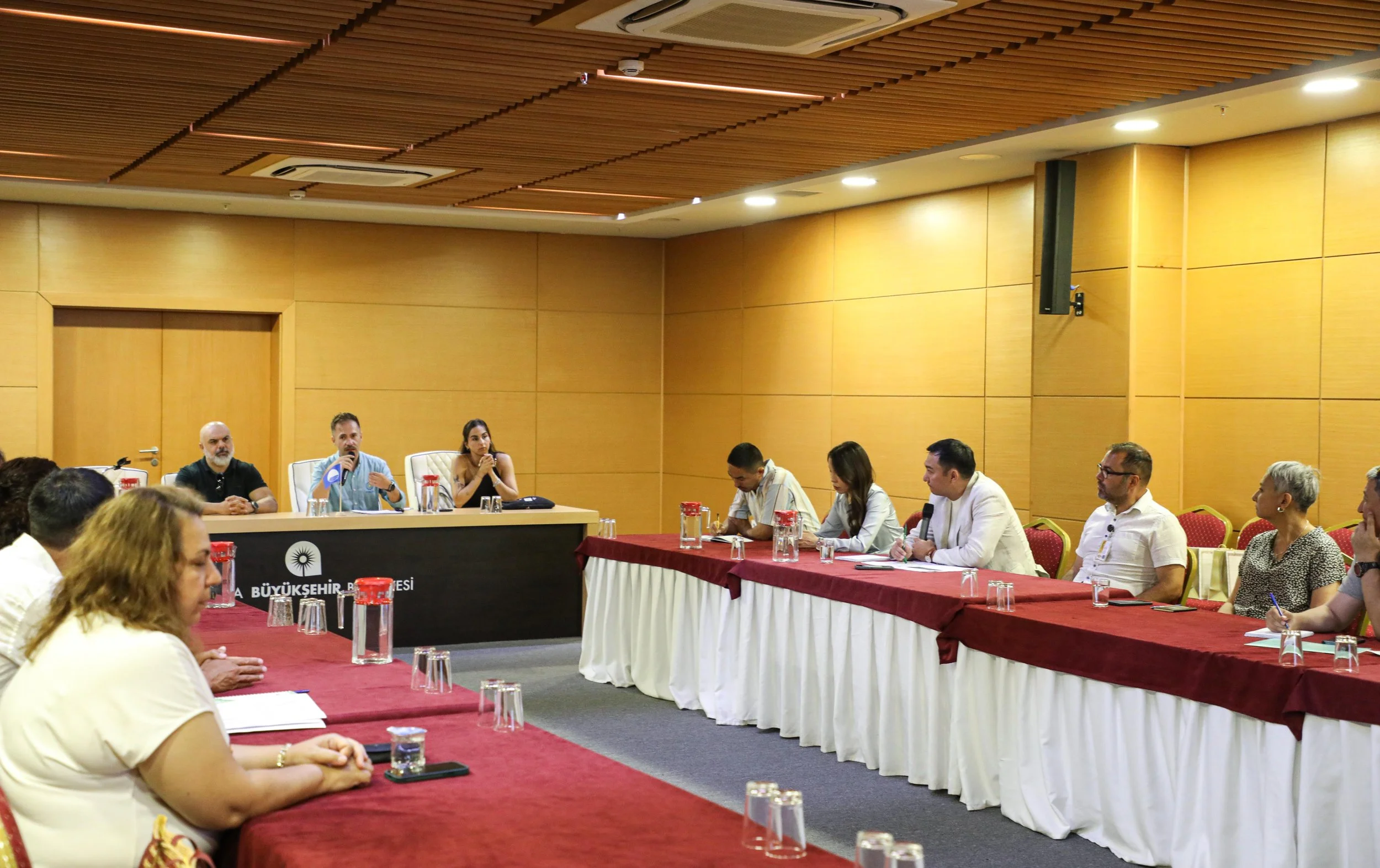
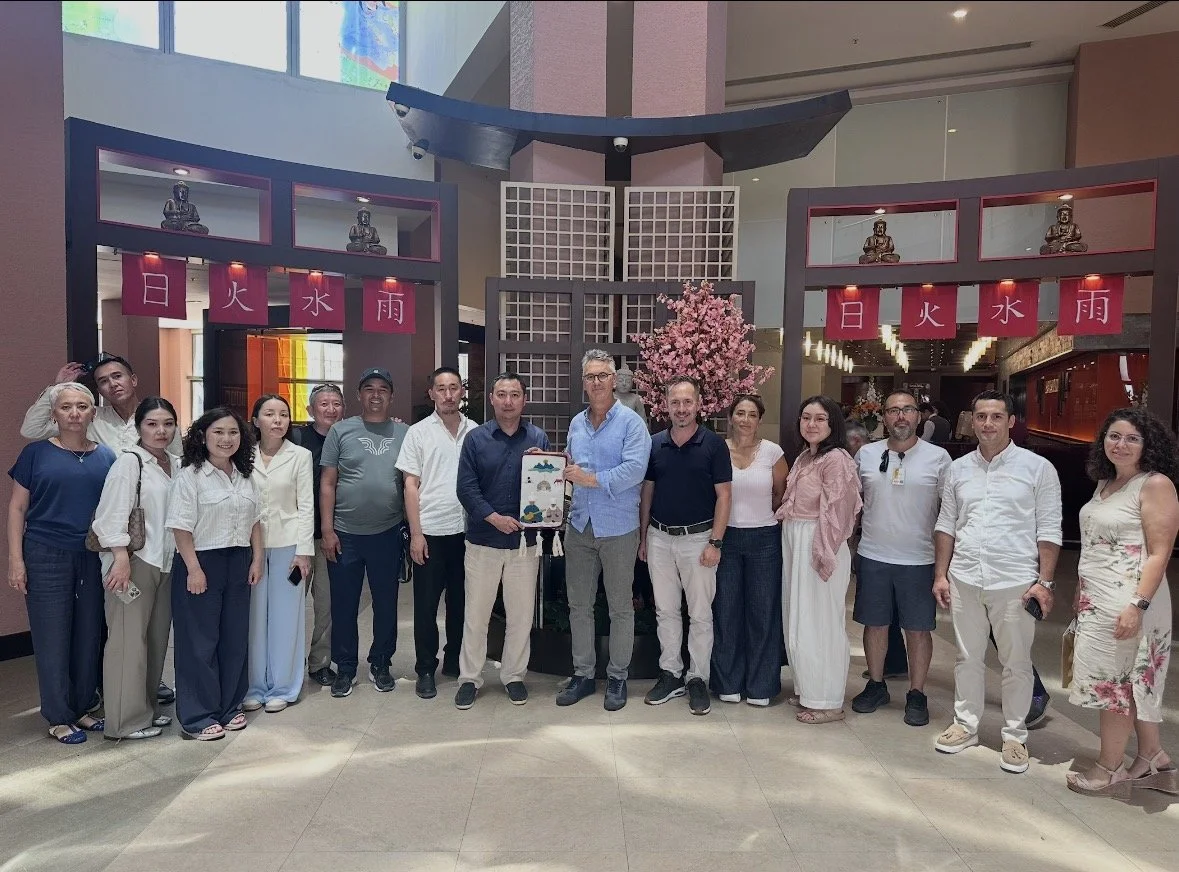
As part of ongoing efforts of GIZ, Deutsche Gesellschaft für Internationale Zusammenarbeit (GIZ) GmbH (GIZ) GmbH to explore the intorduction of the Blue Flag Programme at selected sites arround Kyrgyzstan’s world-renowned Issyk-Kul Lake, a high-level delegation from Kyrgyzstan visited Turkiye to gain first-hand insight into the implementation of the programme. The process is carried out under the guidance of the Foundation for Environmental Education (FEE) and with the support of the Foundation for Environmental Education in Turkiye (FEE Turkiye), the National Operator of the Blue Flag Programme in Turkiye.
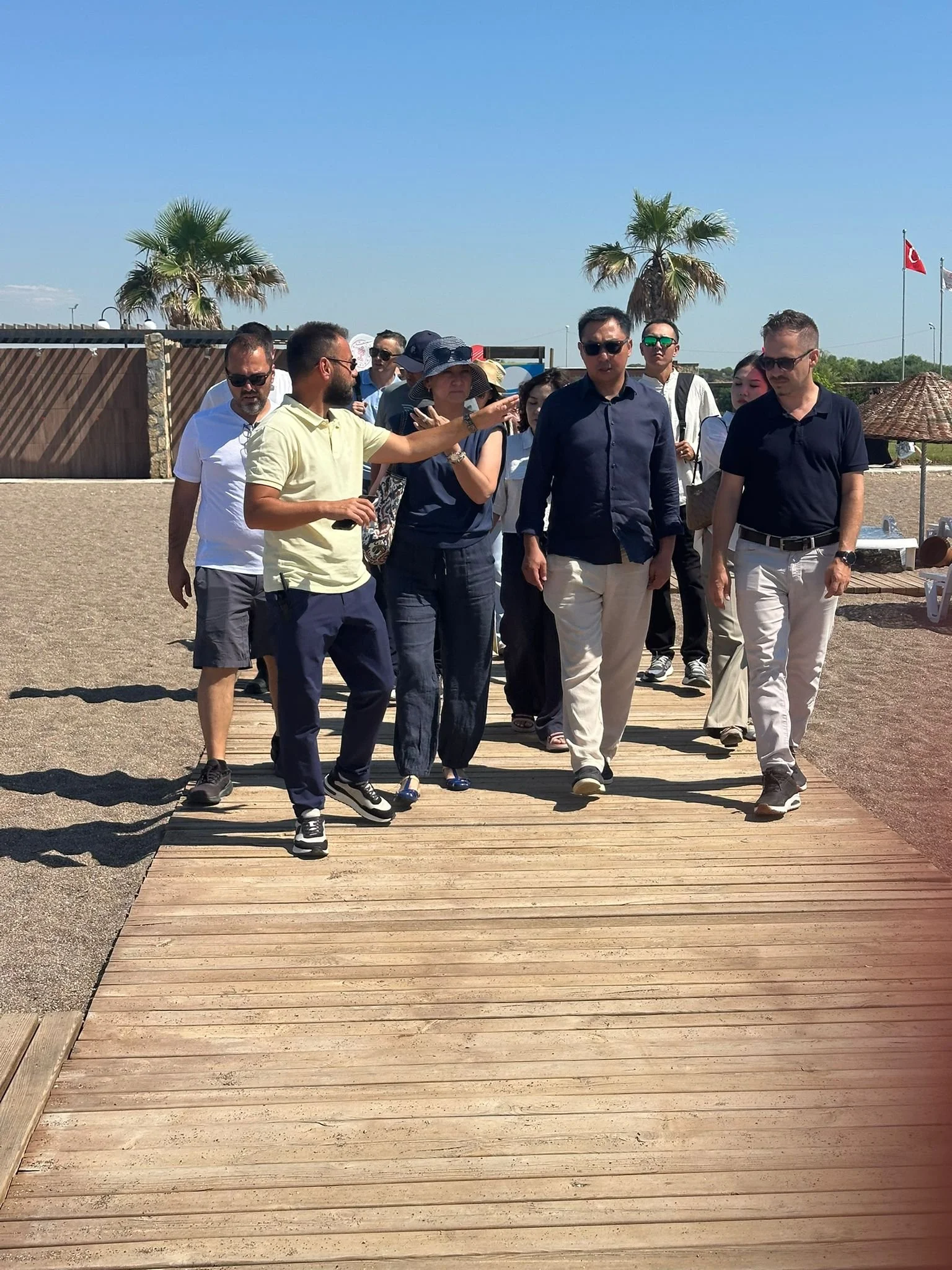
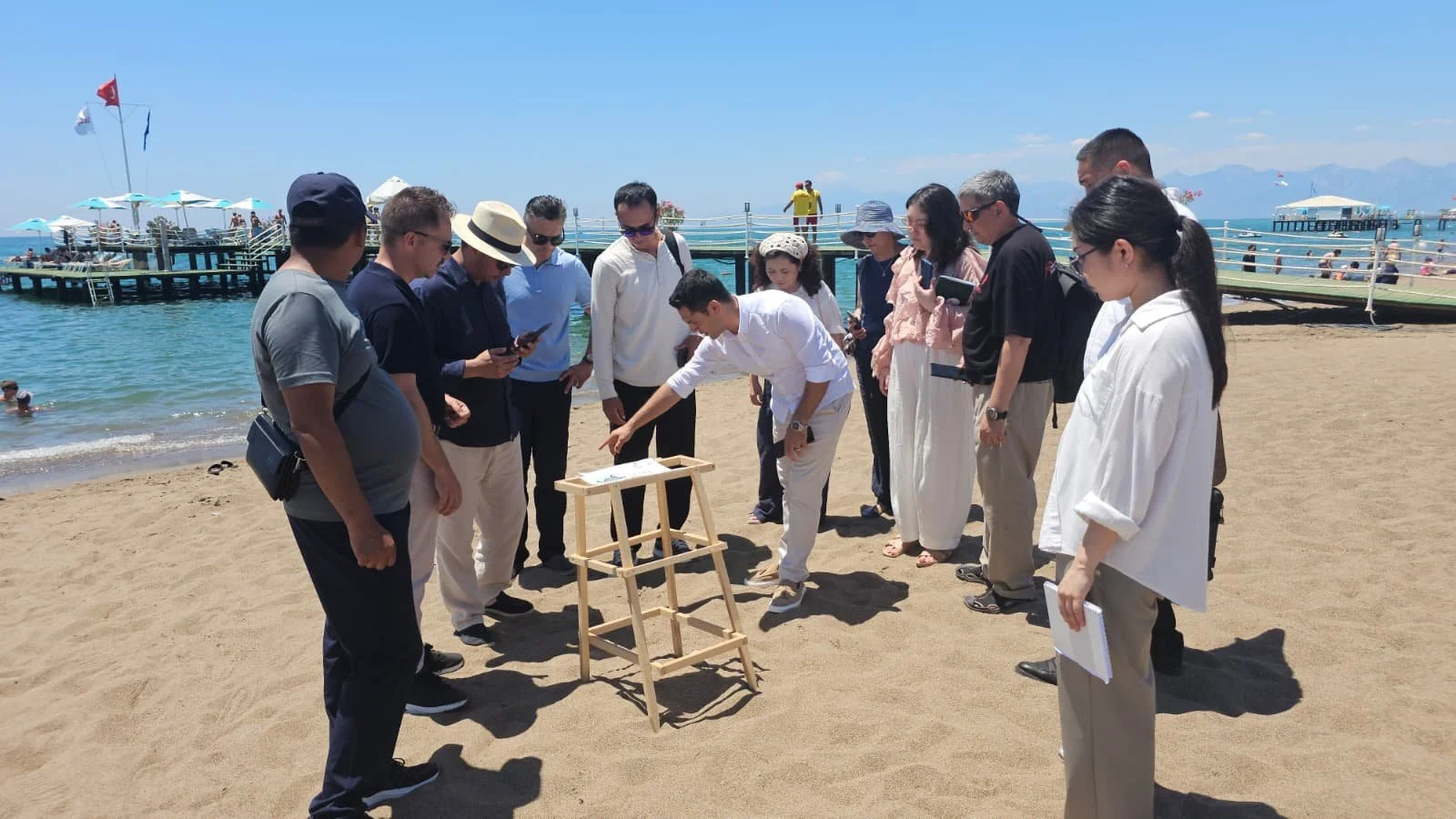
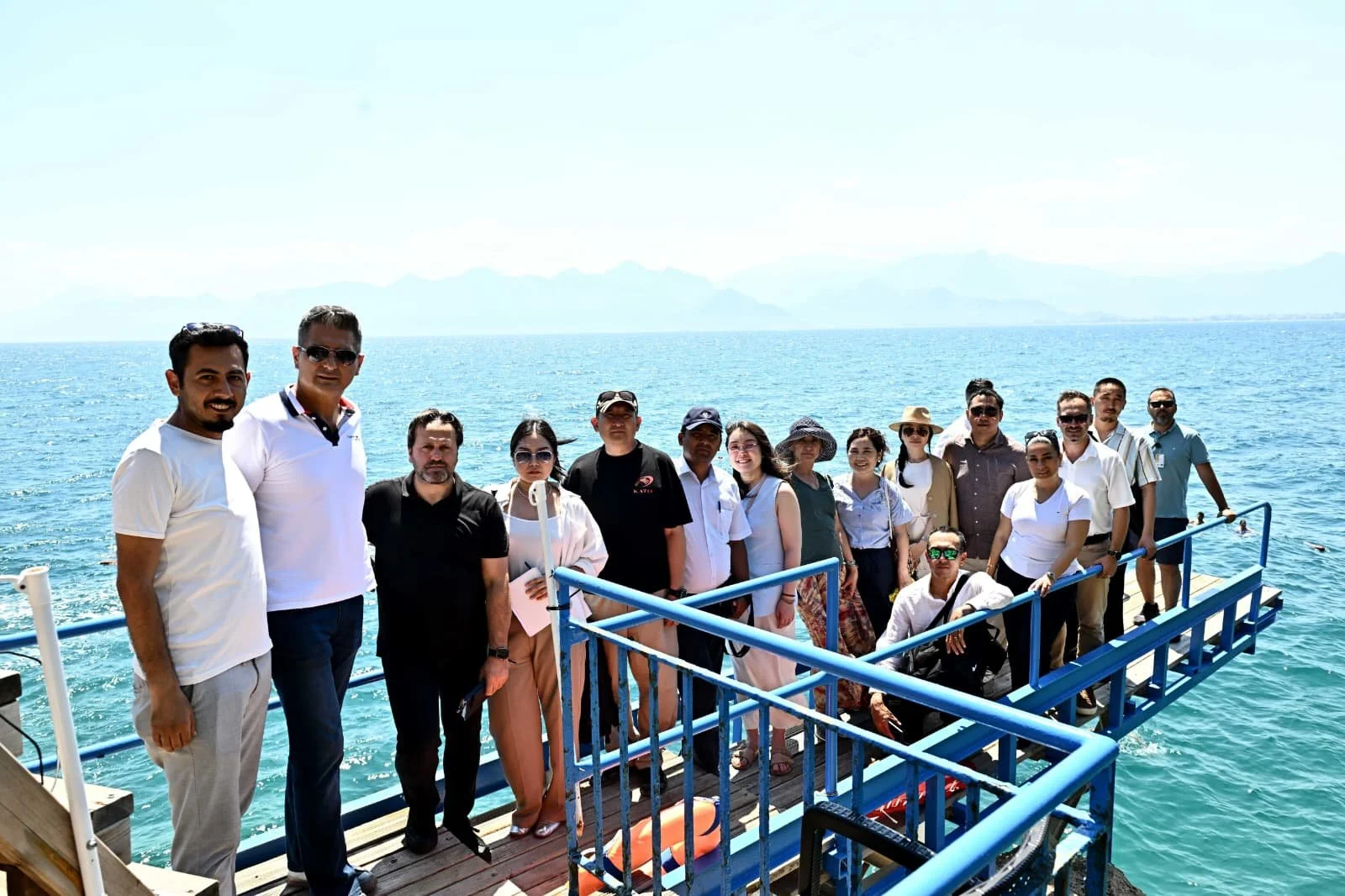
The delegation was represented by public authorities, including the Tourism Development Agency under the Cabinet of Ministers of the Kyrgyz Republic and regional and local authorities of Issyk-Kul, followed by representatives of the Kyrgyz Association of Tourism Organizations (KATO) and the Association of Resorts of Kyrgyzstan (AKK), heads and senior representatives of four pilot resorts, and GIZ advisors. The delegation was headed by Mr. Nurgazy Esengeldi uulu, First Deputy Head of the Issyk-Kul District Administration.Throughout the programme, the delegation had the opportunity to observe Blue Flag implementation practices on site and received comprehensive information on beach management, water quality monitoring systems, environmental education activities, waste management practices, marina management and sustainable tourism policies.
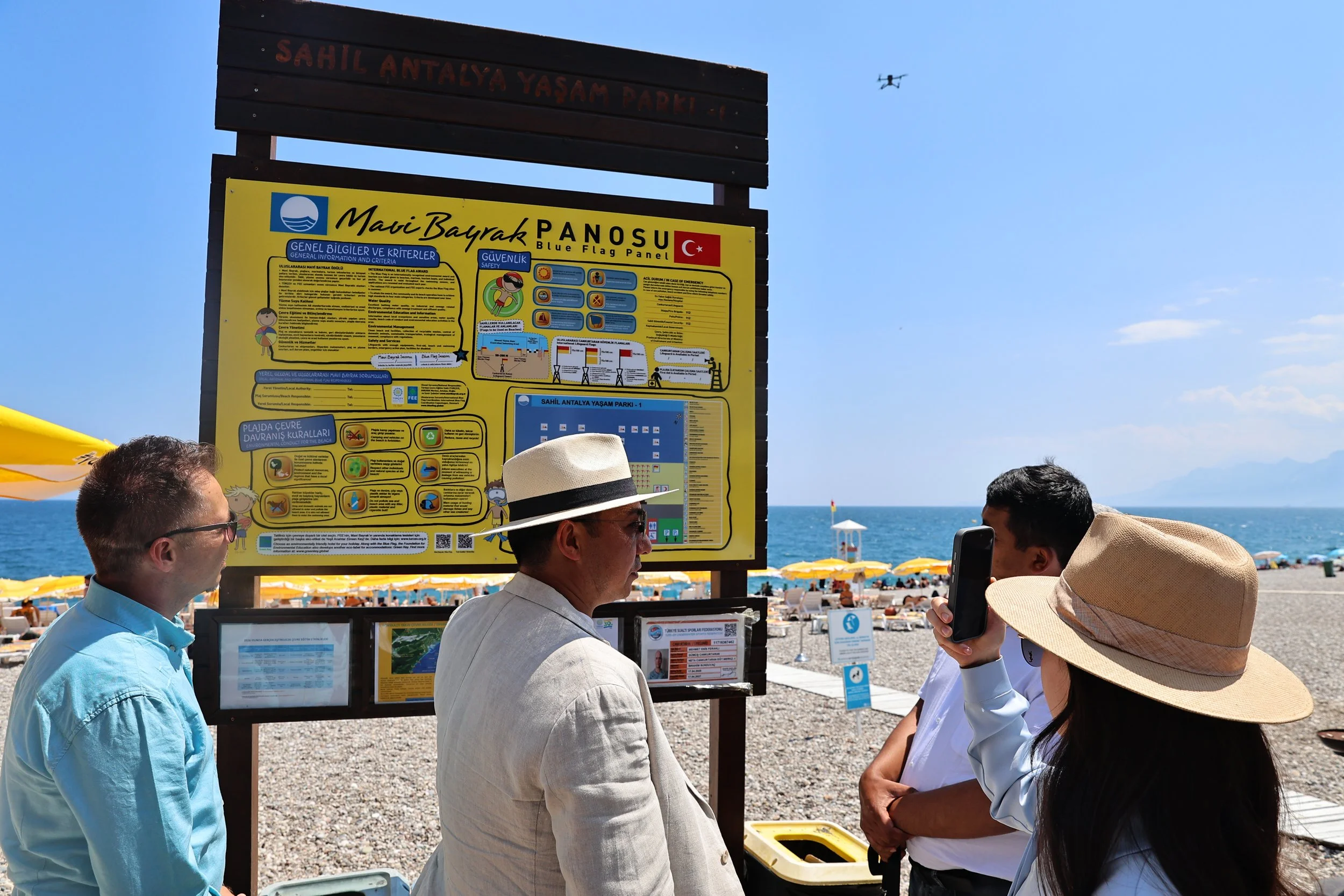
As part of the visit, the delegation carried out technical site visits toseveral Blue Flag sites, including Konyaaltı Public Beaches operated by Antalya Metropolitan Municipality, beaches managed by Muratpaşa Municipality and Kemer Municipality, as well as the Lara Public Beach operated by the Ministry of Culture and Tourism. The delegation also examined Blue Flag marinas and tourist boats and received detailed information about their management and operational standards.
As part of the Kyrgyz delegation’s 5-day on-site program to examine best practices, the delegation not only visited award-winning sites but also learned about TÜRÇEV’s relationships with public institutions in the implementation of the Blue Flag Program, its efforts to monitor and coordinate bathing water quality, and its communication and coordination with tourism sector stakeholders and civil society organizations, as well as local initiatives for environmental and biodiversity conservation.
Turkiye, one of the world's leading Blue Flag countries, continues to be internationally recognised for its achievements in environmental management and sustainable tourism. As Kyrgyzstan advances its efforts to bring the Blue Flag Programme to Issyk-Kul Lake, Turkiye’s experience and technical expertise provide a valuable reference for the process.
Assoc. Prof. Dr. Abdulkadir Ateş, Chairman of the Board of the Foundation for Environmental Education in Turkiye (FEE Turkiye), stated:
"Turkiye, currently ranked third in the world for the number of Blue Flag awards, has developed significant expertise and practical experience that is now being closely followed by our sister countries. During the programme organised in Antalya under the guidance of FEE, the Kyrgyz delegation had the opportunity to benefit from Turkiye’s experience in areas ranging from environmental management and beach operations to sustainable tourism practices and Blue Flag criteria. We attach great importance to the Blue Flag process initiated for Issyk-Kul Lake. Once successfully completed, the Blue Flag to be awarded at Issyk-Kul Lake will not only represent an important achievement for Kyrgyzstan but will also inspire new success stories in the fields of environment, sustainability and tourism across the Turkic world."
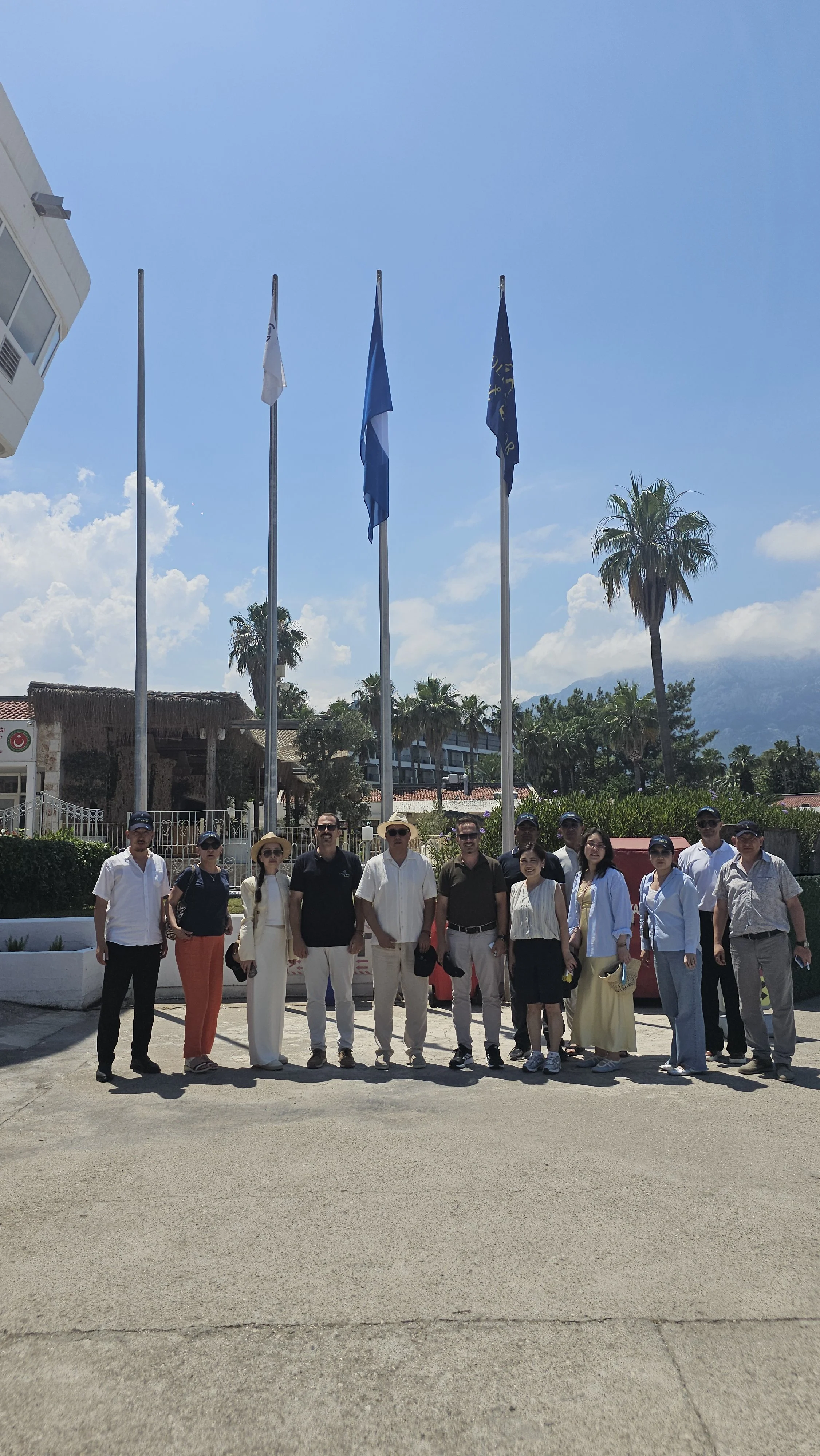
The study visit aimed to strengthen knowledge exchange within FEE’s global network and support the expansion of the Blue Flag Programme into new regions. Upon successful completion of the process, selected sites around Issyk-Kul Lake could become among the the first in Central Asia to achieve Blue Flag status, contributing significantly to the advancement of sustainable tourism and environmental standards in the region.
The initiative is regarded as an important step not only for Kyrgyzstan but also for strengthening cooperation on environmental protection, sustainability and responsible tourism across the Turkic world.
Blue Flag Programme Highlighted at WUF 13 in Azerbaijan
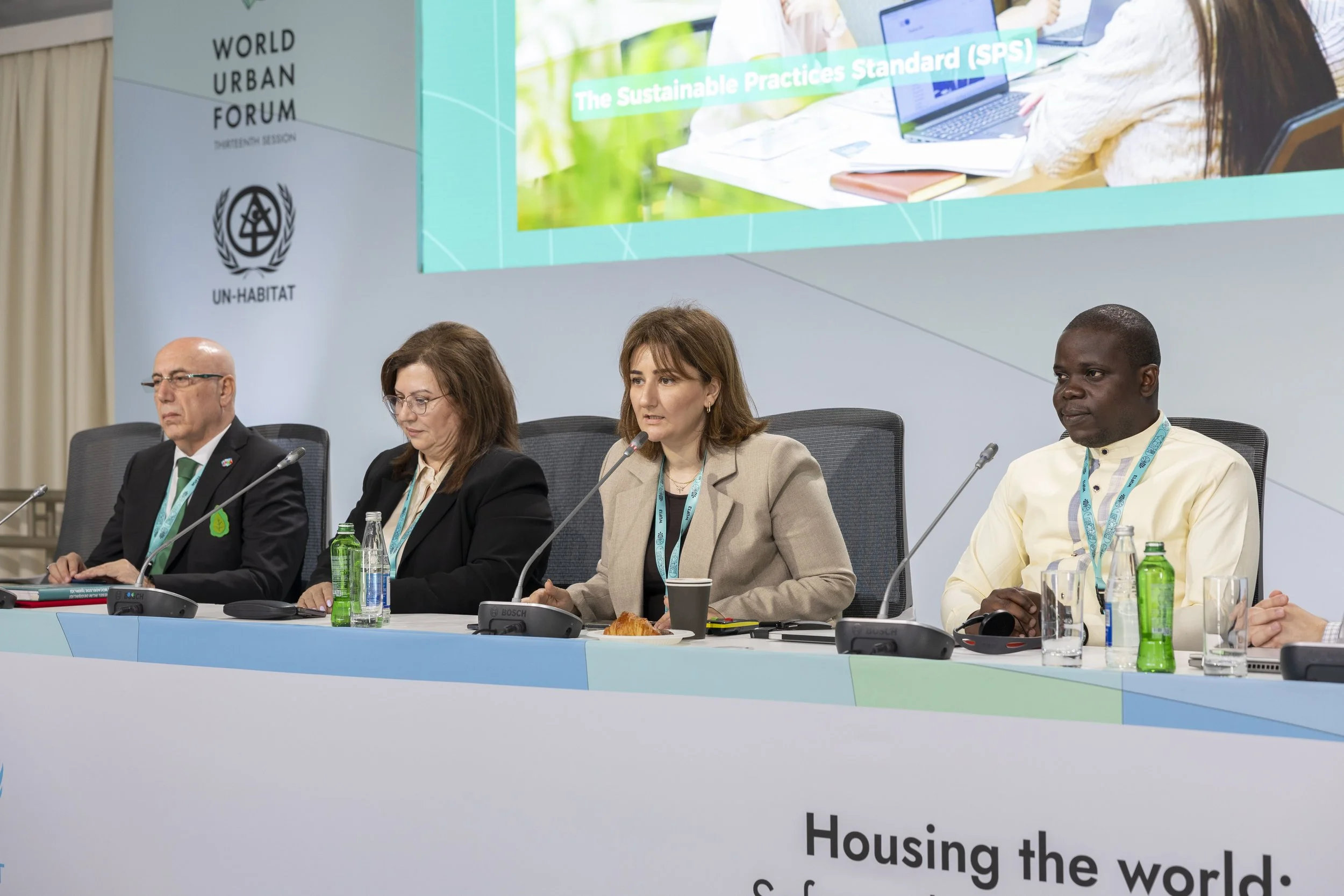
From 17–22 May 2026, Azerbaijan hosted the World Urban Forum (WUF 13), one of the world’s most important international platforms dedicated to sustainable urban development. Following a competitive selection process, the session proposed by EkoSfera Ecology-Social Center was officially selected by UN-Habitat and included in the WUF 13 programme.
As part of the forum programme, EkoSfera Ecology-Social Center organised a session dedicated to sustainability standards and practical approaches for implementing sustainable development at the local level. The session introduced the Sustainable Practices Standard (SPS), the first national sustainability standard being developed in Azerbaijan to support the practical application of sustainability principles across different sectors and regions.
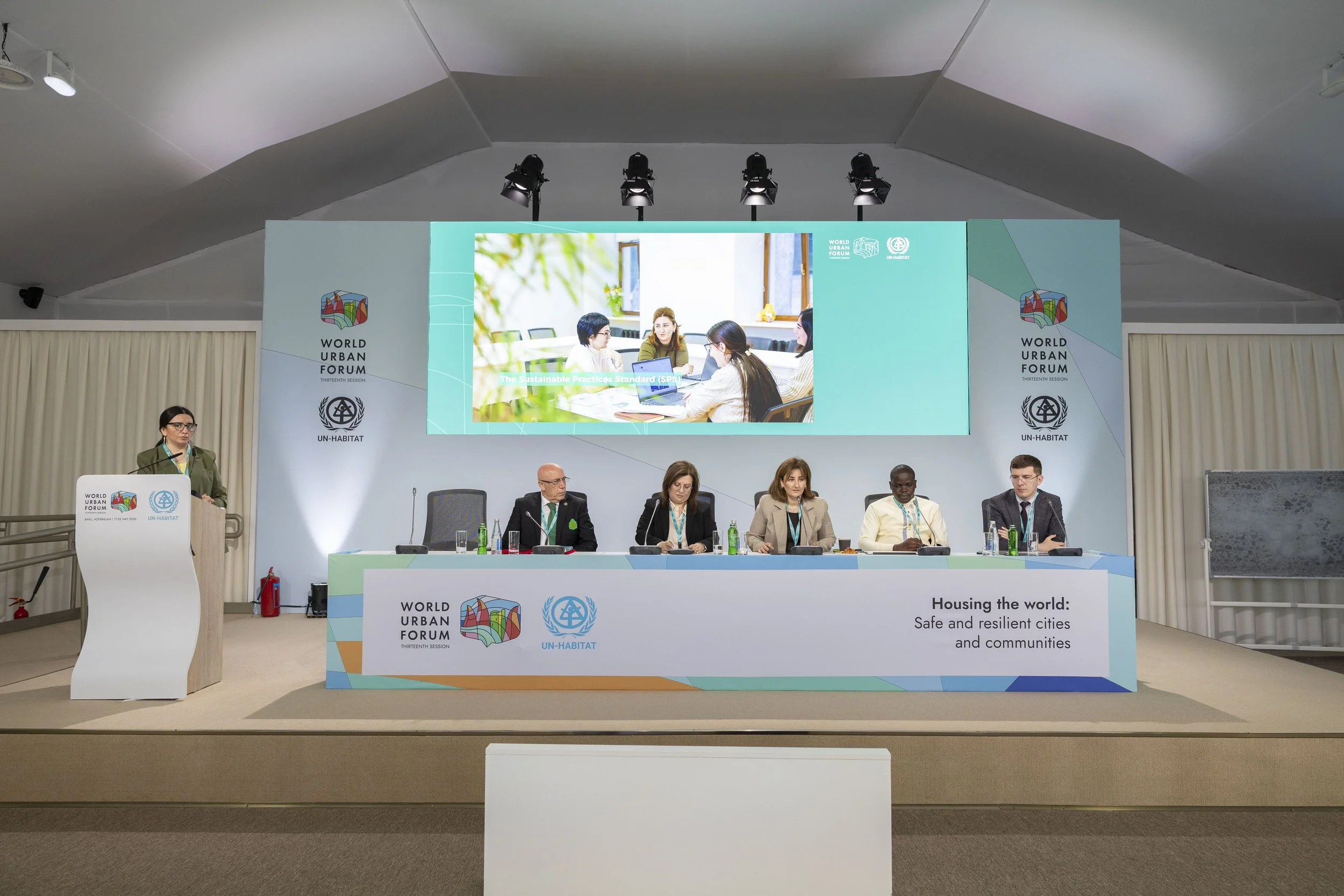
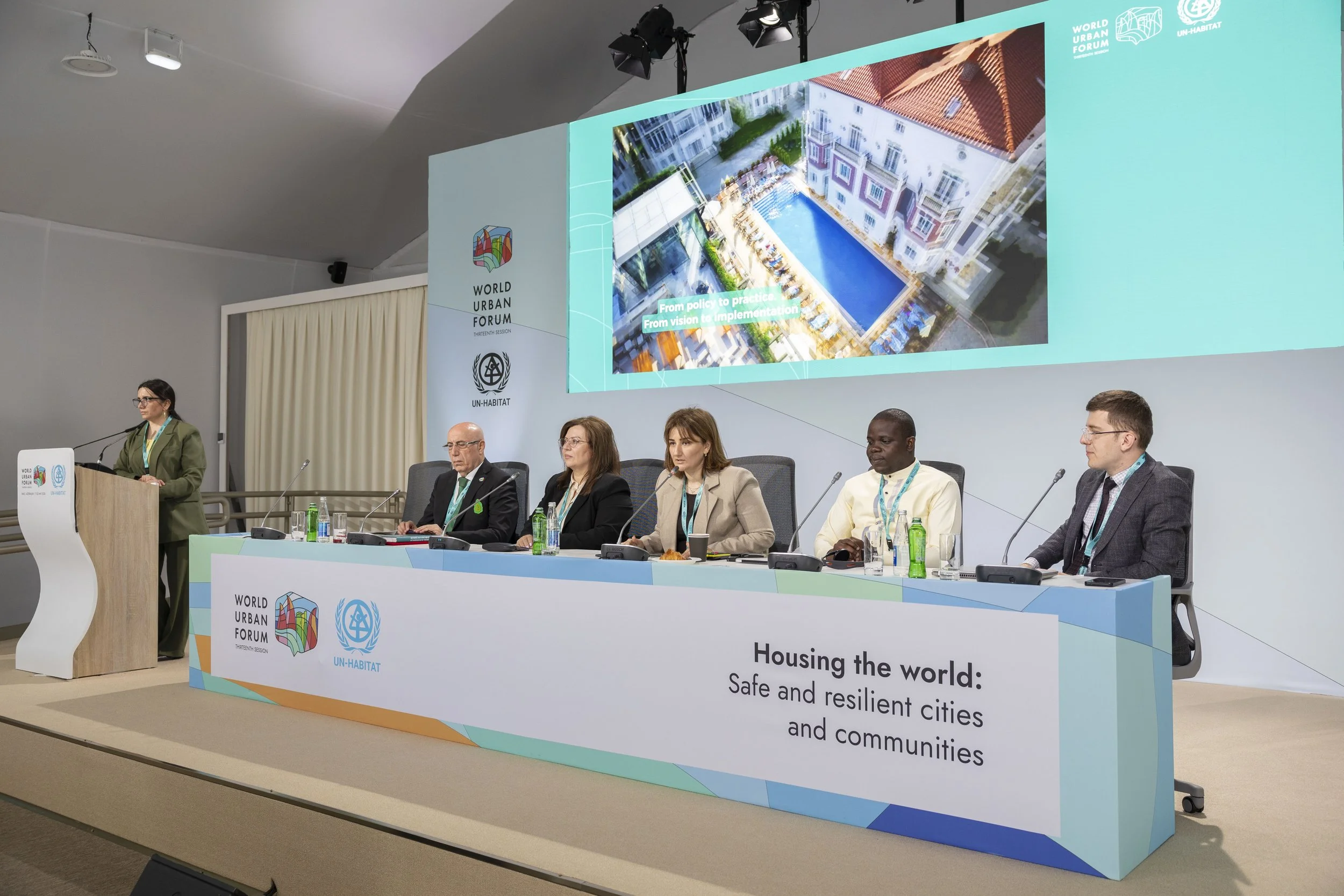
During the discussion on sustainability standards and certification systems, Dilara Hajiyeva, Blue Flag National Coordinator for Azerbaijan, highlighted the importance of the Blue Flag Programme as a globally recognised environmental programme. The programme was presented as an example of how internationally recognised standards can support environmental protection, improve management practices, promote environmental education, and contribute to sustainable tourism development.
In addition to Blue Flag, participants were also introduced to other international programmes of the Foundation for Environmental Education (FEE), including Green Key and Eco-Schools. These programmes were presented as practical tools that help tourism facilities, educational institutions, and local communities integrate sustainability principles into their daily activities and contribute to wider environmental and sustainability goals.
The discussion emphasised the importance of combining international programmes with locally adapted sustainability frameworks to strengthen sustainability practices and support the achievement of the Sustainable Development Goals (SDGs).
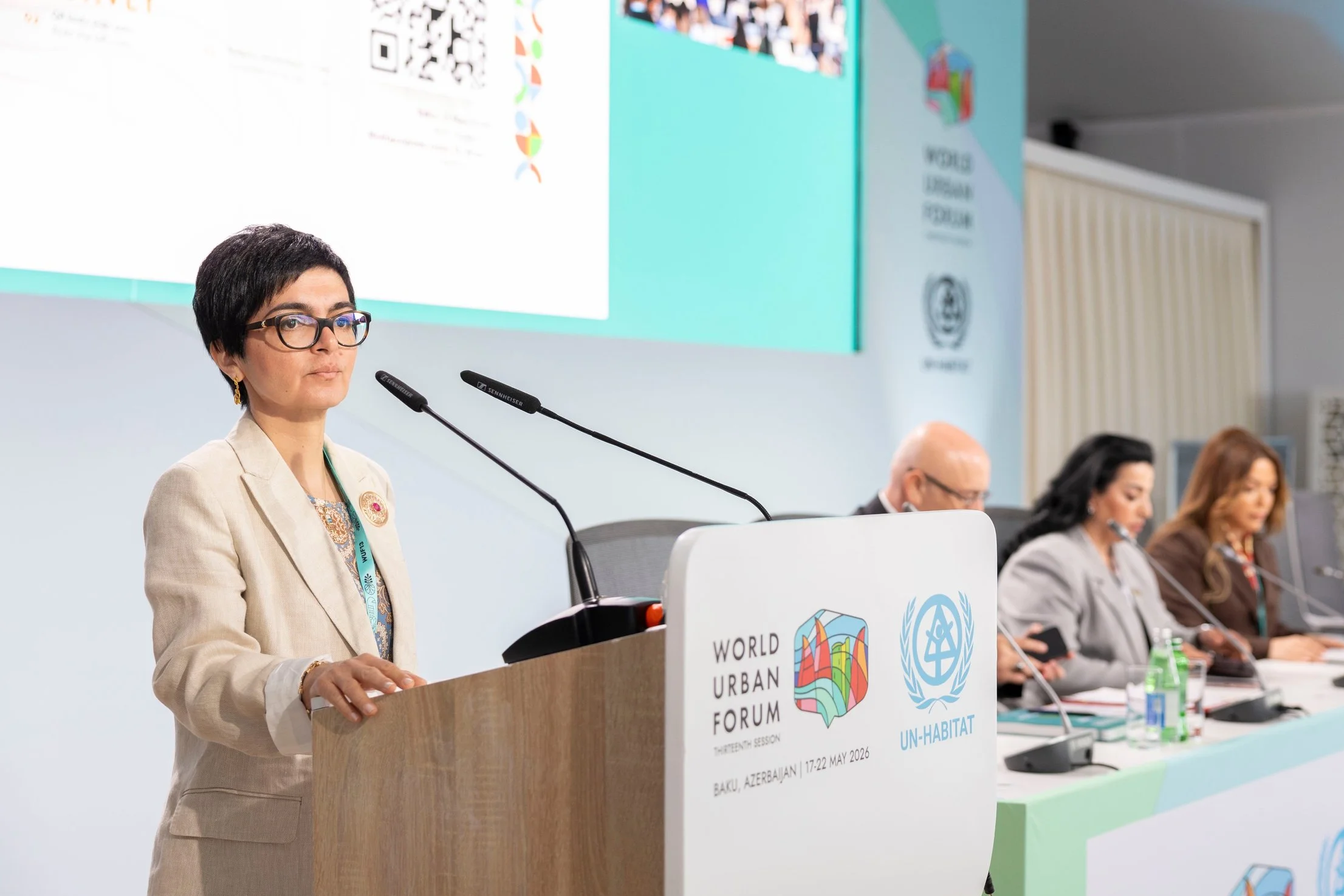
The World Urban Forum provided an important opportunity to raise awareness on the Blue Flag Programme and other FEE initiatives among an international audience of urban development professionals, environmental experts, policymakers, and sustainability practitioners.
As Azerbaijan recently received approval of its Blue Flag feasibility study, WUF 13 served as an important platform to introduce the programme and highlight its benefits among national and international stakeholders, supporting the next steps in the development of Blue Flag in Azerbaijan.
Good Practice Competition results for the Northern Hemisphere 2026 International Evaluation
As part of the Northern Hemisphere 2026 International Evaluation, Blue Flag International invited the National Operators to share Good Practice examples from their countries. The themes of this edition were:
FEE Programmes Collaboration
Promote the Circular Economy Model
In total, 22 Good Practices have been submitted by 10 countries as part of the latest International Evaluation round. That included
9 Good Practices related to FEE Programmes Collaboration
13 Good Practices related to Promoting the Circular Economy Model
The International Jury was then presented with a selection of Good Practices during its meeting on the 22nd of April 2026, and evaluated the Good Practices within each category. In this process, relevance, creativity, adaptability, collaboration, and replicability were taken into consideration.
The final rankings are presented below, including the winning top Good Practices from each category.
FEE programmes collaboration measures
3rd place - “Hydroponic Gardens” by Los Cabos Municipality, Mexico
This project created gardens as living learning classrooms. It includes different sustainable production systems such as soil gardens, hydroponic cultivation, and aquaponic systems, allowing students to understand different forms of food production. In the aquaponic system, students learn how fish generate nutrients that feed plants, while plants help clean the water, thus understanding the natural cycles and interdependence of ecosystems. Students carry out irrigation activities, growth monitoring, data recording, scientific observation...
The Blue Flag programme in Mexico is managed by FEE Mexico.


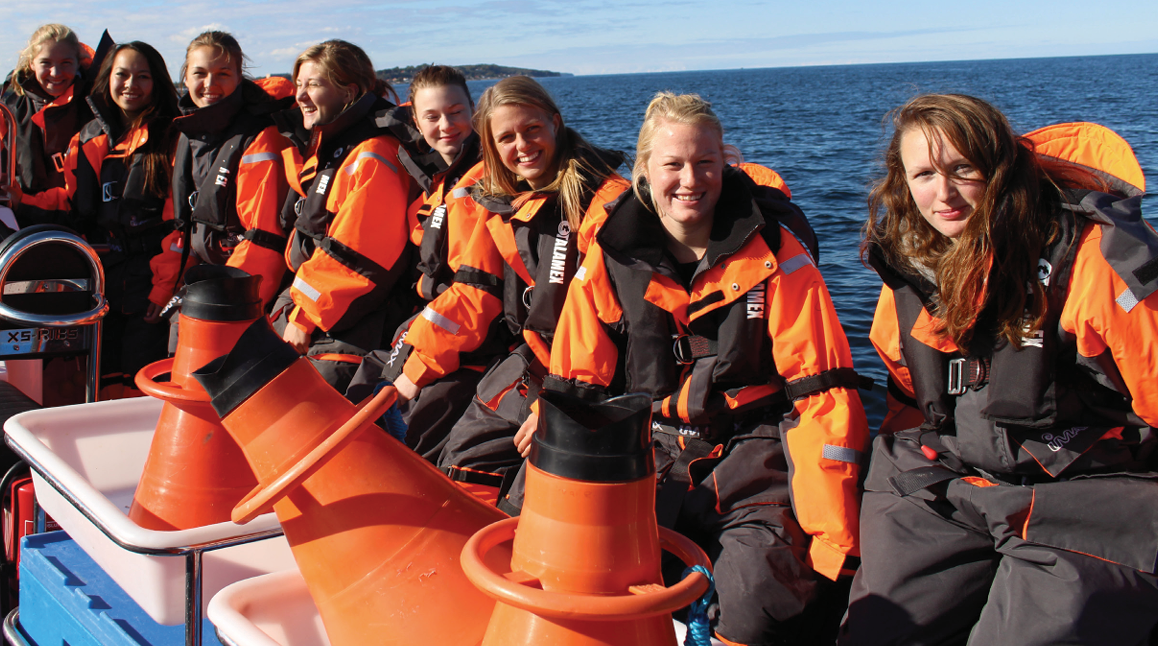
2nd place - “Marine Education Material” by Friluftsrådet in Denmark
In a collaborative educational project, Blue Flag, Eco-Schools, local nature guides and gymnasium teachers worked together to make inspiration material focusing on the marine environment. The material has since 2021 been used as part of the Eco-School theme called “The Sea”. Therefore, it integrates Blue Flag focus points such as marine protection, water quality and biodiversity. Ideally, the fieldwork is carried out at or near Blue Flag beaches, with the possibility of working together with Blue Flag nature guides.
The Blue Flag Programme in Denmark is managed by Friluftsrådet.
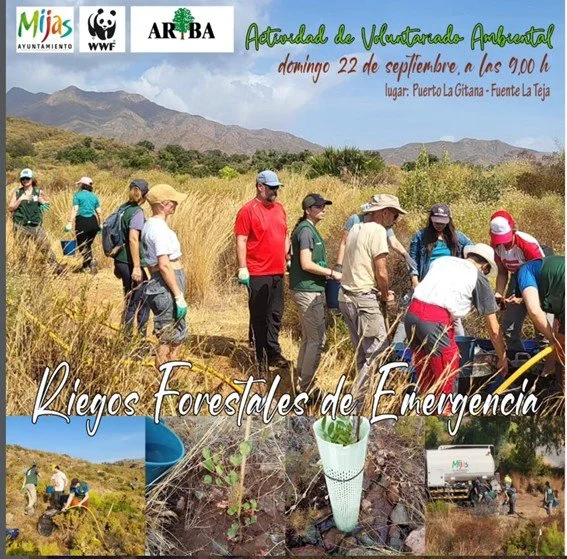
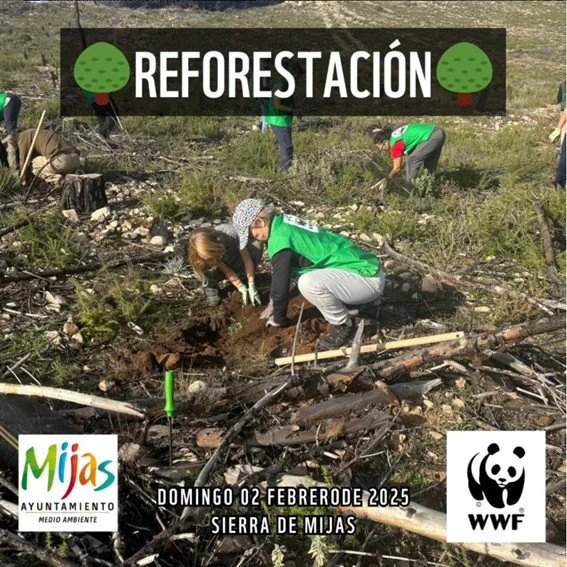
1st place - “Community tree planting and coastal conservation” by Mijas Municipality, Spain
The Mijas Reforesta program coordinates reforestation activities in the mountains, coastal dunes (in el Chaparral Blue Flag beach for instance), and urban green spaces of the municipality, aiming to strengthen local biodiversity and create urban forests as CO₂ sinks. With the collaboration of local schools, including Eco-Schools such as Salliver School in Fuengirola, volunteers have planted nearly a thousand Mediterranean species seedlings produced at the Municipal Nursery.
The Blue Flag Programme in Spain is managed by ADEAC.
promote the circular economy model measures
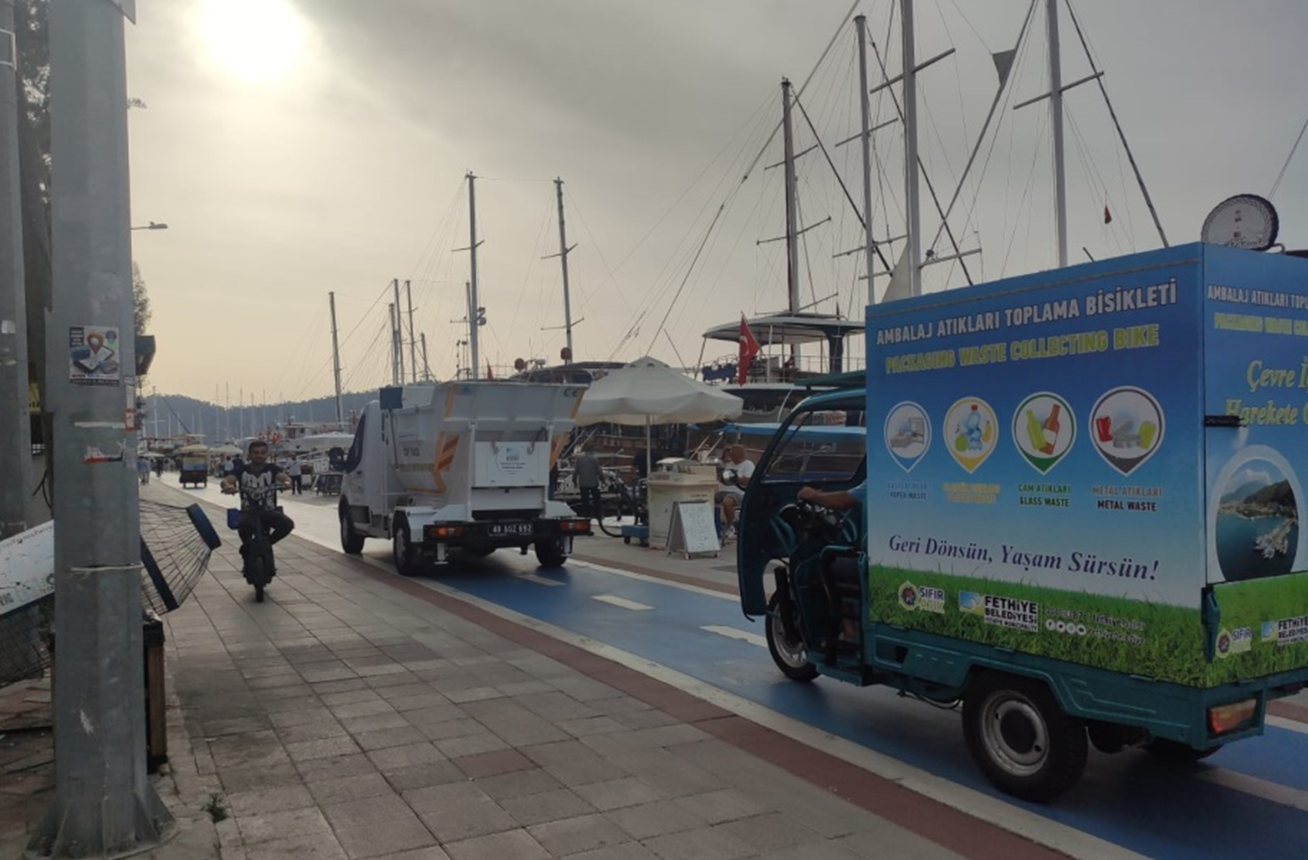
3rd place exaequo - “Boats are racing : waste competition” by Fethiye Municipality, Türkiye
A competition by Fethiye Municipality and the Fethiye Chamber of Maritime Trade ensured proper separation of boat waste to prevent pollution, reduce microplastics, and support the circular economy. Waste was collected daily, recorded per boat, and included wet waste, packaging waste, and waste oils. A total of 156 boats competed in three categories—Daily, Private, and Charter Tour Boats.
The Blue Flag Programme in Türkiye is managed by Türkiye Çevre Eğitim Vakfı-TÜRÇEV.
3rd place exaequo - “Recycling point with a soul” by Camp Kovačine, Croatia
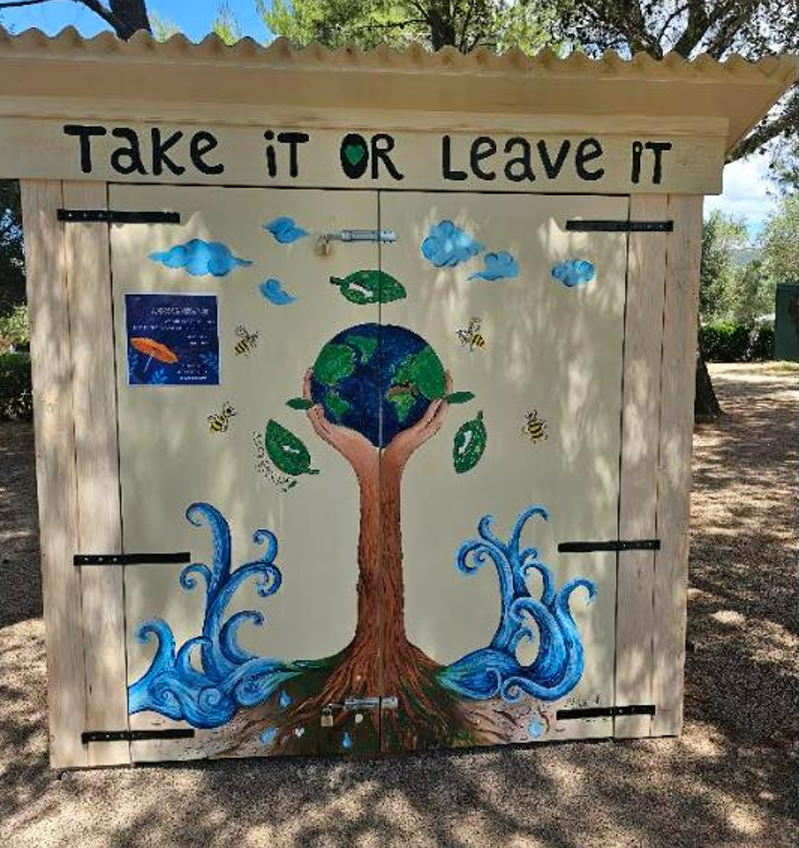
Located next to the reception, the “Take it or leave it“ functions as a place for exchanging items and stories: books, tents, fins, paddles, grills, mini-fridges, clothes, shoes, mugs, toys and countless other little things get a new life instead of becoming waste. In this way, the project encourages responsible behavior, a circular economy and a sense of community among the guests of the camping site.
The Blue Flag programme in Croatia is managed by Udruga Lijepa Naša.

2nd place - “Circular Economy in Yaiza schools” by Yaiza Municipality, Spain
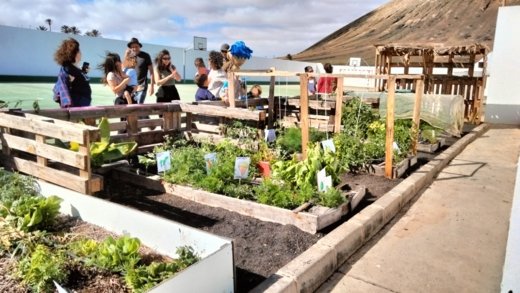
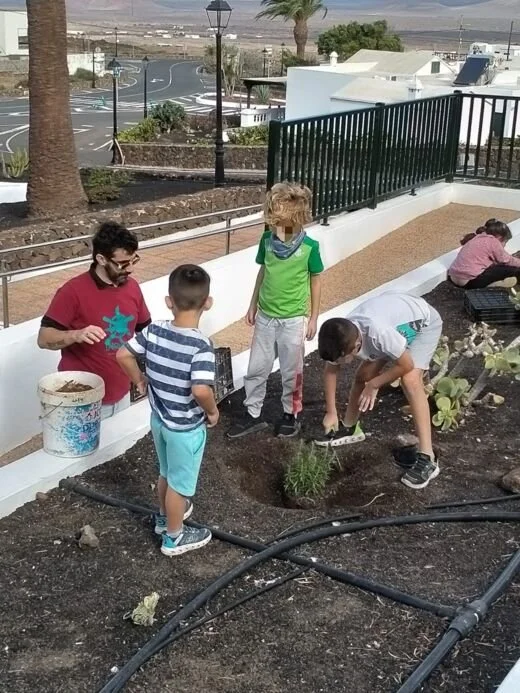
The Yaiza City Council promotes circular economy and environmental education through an integrated project in schools that combines school composting and participation in the Biosphere Schools Network. Schools also implement educational action plans, school gardens, and environmental awareness activities, fostering the engagement of students, families, and teachers while developing ecological awareness.
The Blue Flag Programme in Spain is managed by ADEAC.
1st place - “Give invasive plants a new life” by Yanmar Sunset Marina, Japan
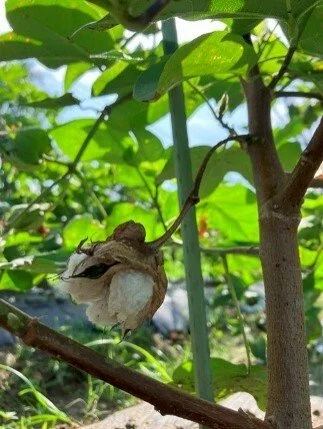
At Lake Biwa, invasive aquatic plants have rapidly spread, harming the shoreline and making boat navigation unsafe. To address this issue, Yanmar Sunset Marina removes these plants and then turn them into compost through a dedicated system. With the compost, vegetables and cotton are cultivated, and the cotton is used for the staff uniforms.
The Blue Flag Programme in Japan is managed by JARTA.


We would like to congratulate our winners and thank all participants, as your Good Practices play a key role in the Blue Flag network, provide relevant inspiration and contribute to sharing knowledge on sustainability across sites all over the world.
International announcement of Blue Flag awarded sites - Northern Hemisphere 2026 season
The first Blue Flag International Jury meeting of 2026 took place this past April and we’re proud to announce that new sites and countries have received the Blue Flag award for the upcoming season in the Northern Hemisphere.
A global total of 5274 sites awarded in 2026 (4371 beaches, 745 marinas, and 158 tourism boats) across 53 countries.
We would like to also congratulate the upcoming winners of the Good Practice competition for the Northern Hemisphere 2026 International Evaluation. The final ranking will be published next week.
Once again, Blue Flag International thanks its valuable institutional partners EBI, EEA, ENAT, EUCC, ICLEI, ICOMIA, ILS, UNEP, UNESCO, UN Tourism, World Sustainable Hospitality Alliance, CitiesWithNature, Climate Service Center Germany - GERICS, Caribbean Hotel & Tourism Association, University of Aberdeen, IUCN and WCA for sharing their expertise.
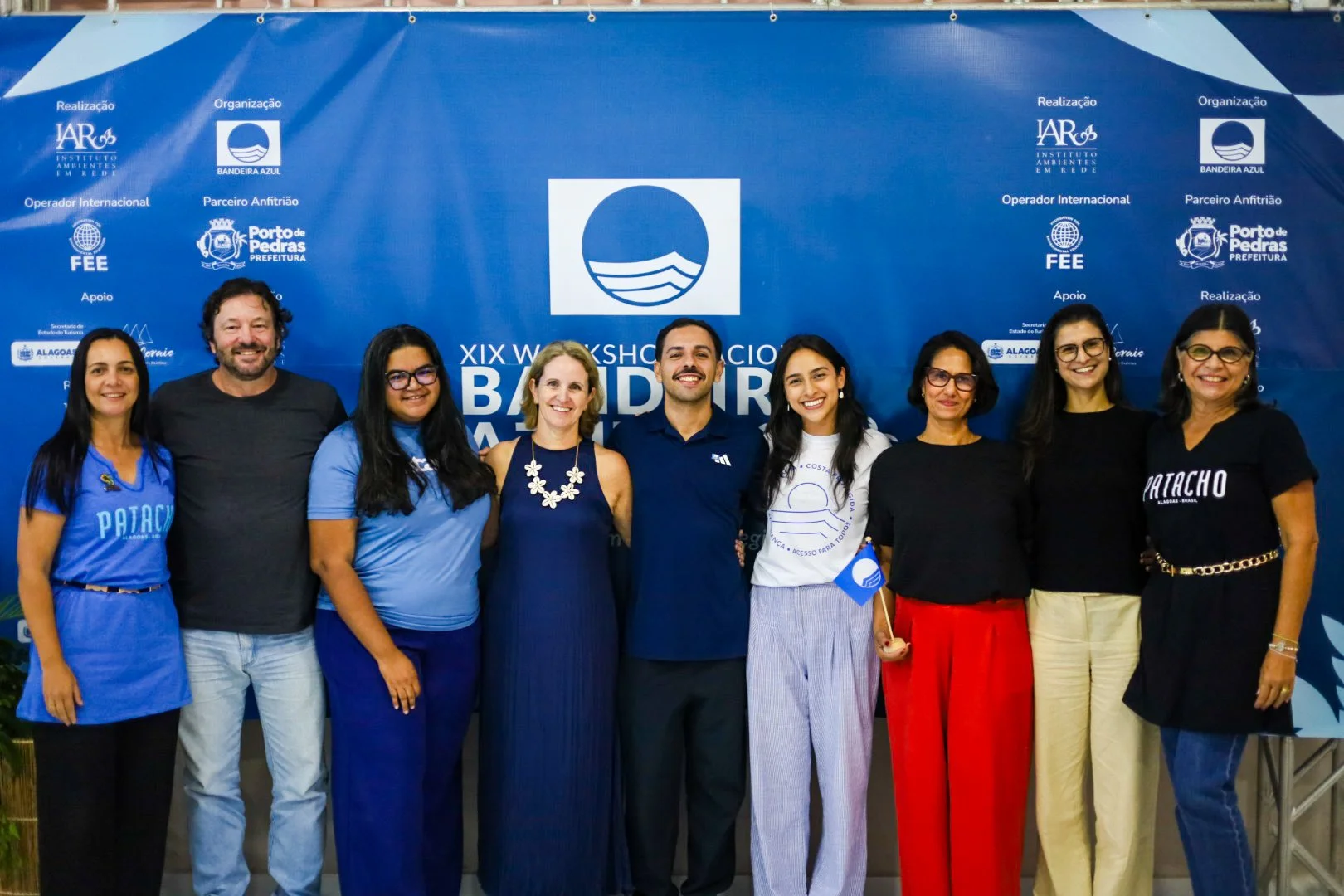
19th National Workshop of Blue Flag Brazil
From April 16–19, 2026, Porto de Pedras, Alagoas, hosted the 19th National Workshop of the Blue Flag Program Brazil. The event brought together government officials, experts, and representatives from across the country to discuss advances, challenges, and opportunities in the sustainable management of beaches and marinas. The event also highlighted successful case studies from Lagoa do Peri, Prainha, and Praia das Pedras de Itaúna, showcasing a range of effective management strategies implemented in Blue Flag-certified areas.
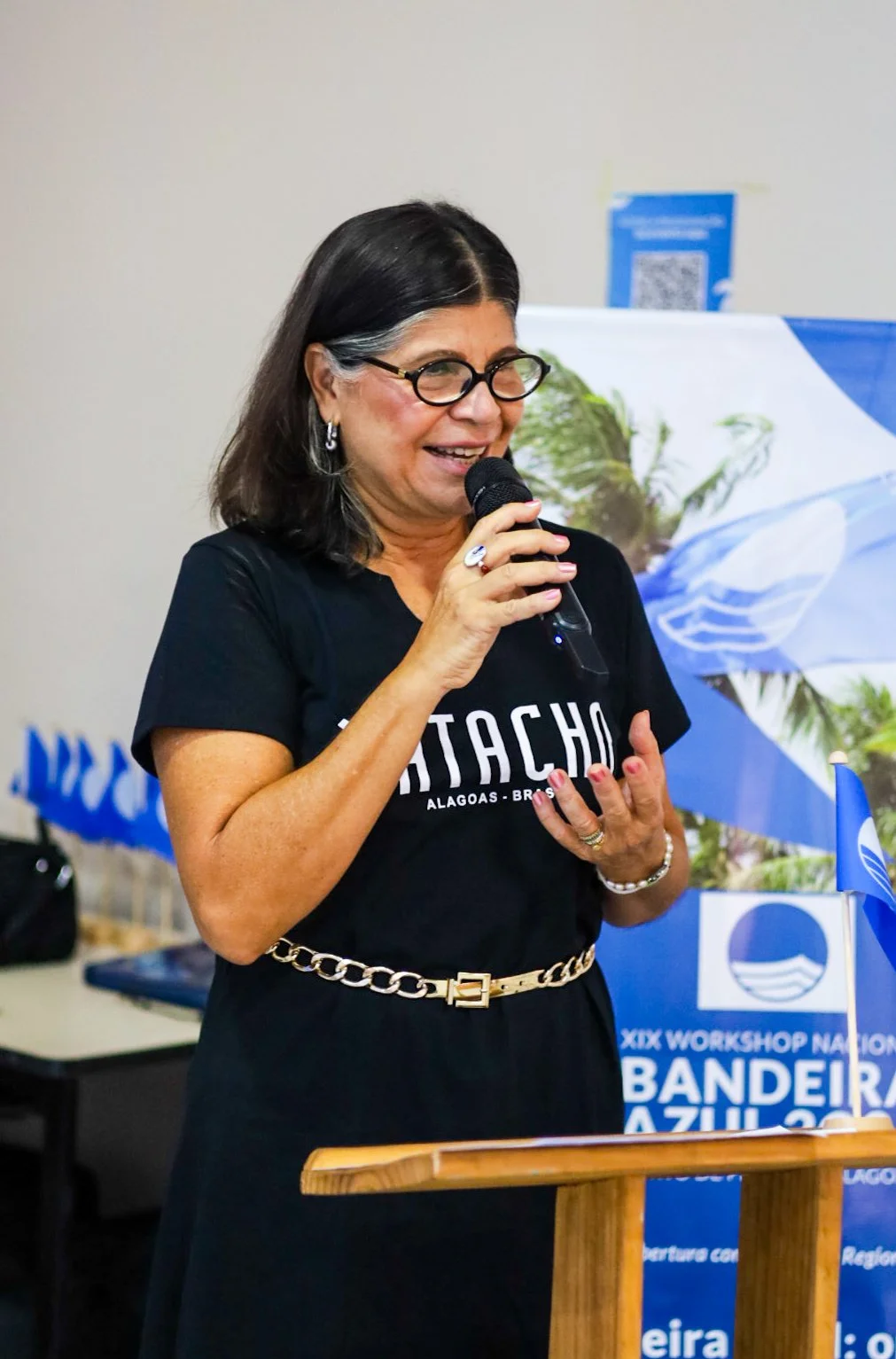
“We are experiencing a strengthening cycle of Blue Flag in Brazil, with a restructuring that enhances the credibility and rigor of the award. The workshop is essential for aligning guidelines and sharing experiences.” said Leana Bernardi, National Coordinator of the Blue Flag in Brazil.

From Certification to Conservation: Experiences in the Field
Technical visits were among the highlights of the workshop, offering participants a practical immersion in the Blue Flag criteria. Patacho Beach, the only Blue Flag-awarded site in Alagoas, served as a key example of how the program’s standards are applied in practice. Now celebrating five consecutive award seasons, the beach demonstrates the ongoing commitment and continuous effort required to maintain the certification. Participants also visited Lage Beach, currently in the pilot phase, where they observed both the progress achieved and the challenges involved in meeting the program’s requirements.
The workshop also expanded the discussion beyond beach management by emphasizing the connection between environmental conservation and sustainable tourism. Participants visited the Peixe-Boi Association, a national reference in manatee conservation, where they learned about the institution’s work in protecting the species and engaging local communities through environmental education. The visit reinforced the importance of integrating biodiversity conservation into broader coastal management strategies.
In addition, the program included a dedicated space for marinas, with discussions focused on management challenges, infrastructure, and compliance with Blue Flag criteria. These sessions broadened the debate by addressing the different realities and needs of coastal destinations participating in the program.
“Hosting a national event such as the Blue Flag Workshop places Porto de Pedras in the spotlight of coastal sustainability in Brazil. It shows that we are on the right track, investing in management, preservation, and quality of life. Our goal is to continue evolving and to serve as a reference for other municipalities,” said Allan de Jesus Silva, Mayor of Porto de Pedras.
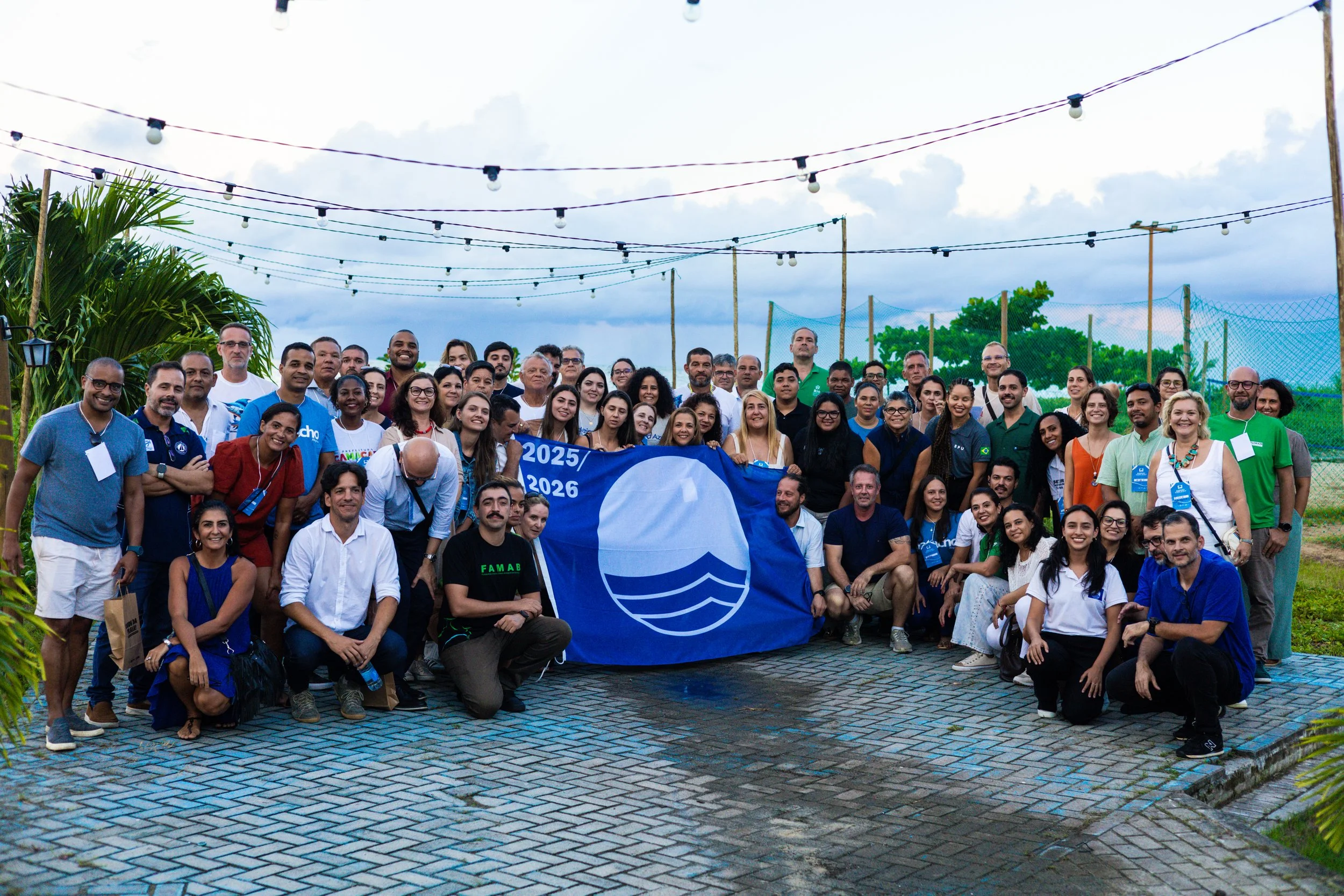

New Pathways for Coastal Management
The opening of the event included a Regional Meeting aimed at municipalities and organizations interested in joining the program, serving as an entry point for new participants. Criteria, benefits, and award stages were presented, encouraging new destinations to join the pilot phase.
Institutional contributions also reinforced the connection between public policies and the program’s criteria. The Secretariat of the Union’s Heritage (SPU) presented instruments such as the Beach Management Adjustment Agreements (TAGPs) and the Orla Project, while the Brazilian Lifesaving Society (Sobrasa) shared data on drowning prevention and launched, in partnership with Blue Flag, the Outstanding Drowning Prevention Award, aimed at recognizing best practices in safety at beaches and marinas.
National Coordinators of the Green Key and Eco-Schools programs participated in the national workshop and presented other certifications of the Foundation for Environmental Education in Brazil. Their presence expanded participants’ understanding of the integrated role of FEE initiatives in different contexts, such as hospitality establishments and educational institutions.
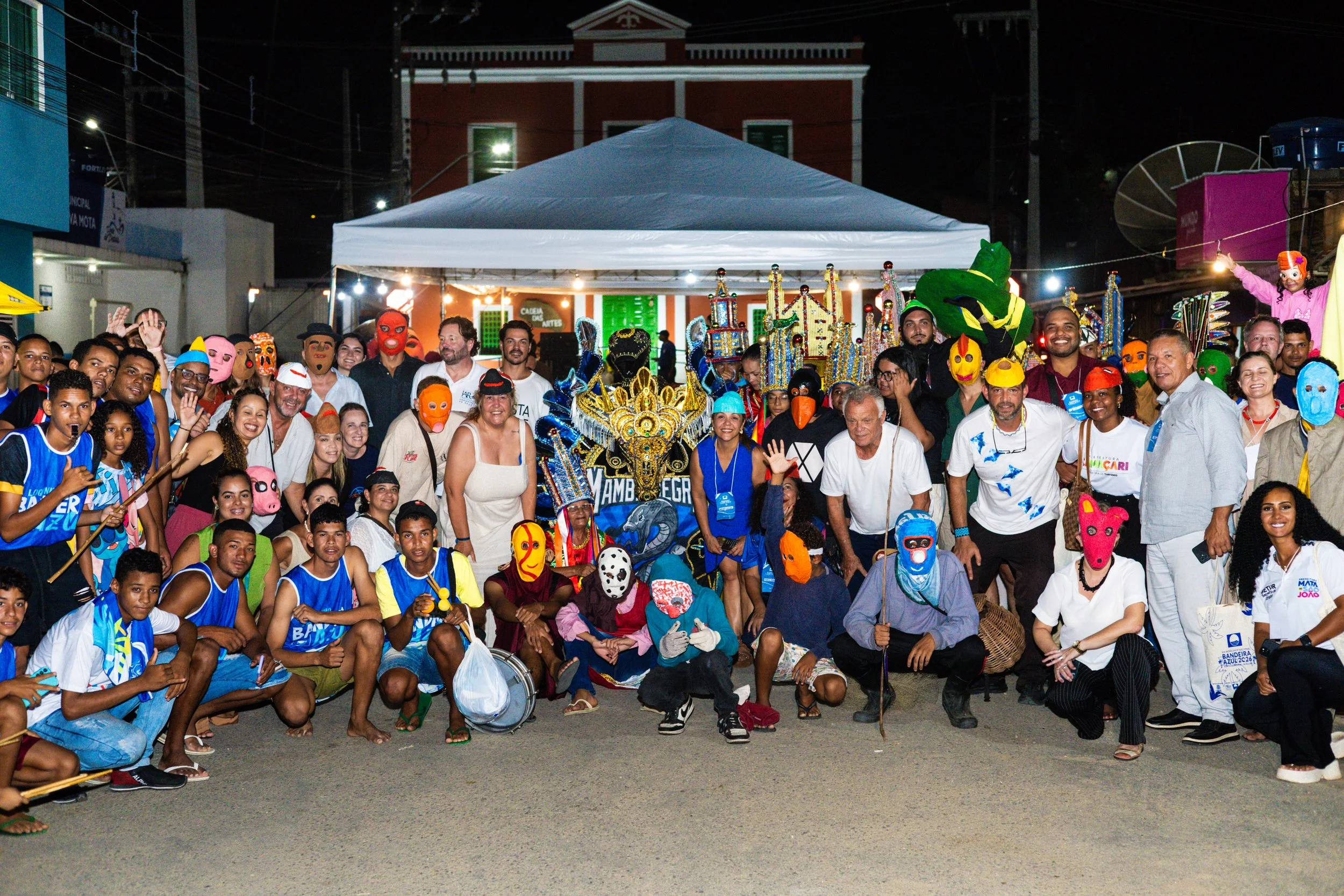
The event featured cultural expressions that highlighted local identity, with performances by Bumba Meu Boi Mamba Negra, Cortejo Bobo Gaiato, Grupo Guerreiro Campeão Vencedor de Anadia, and Cambindas Berto da Quiquina, fostering interaction among participants.
The National Workshop reinforced the importance of continuous efforts based on planning, monitoring, and collective engagement, leaving as a legacy a strengthened network of destinations committed to sustainability and the prospect of tangible progress in participating territories.
The event was held in partnership with the Municipality of Porto de Pedras, organized by the Instituto Ambientes em Rede (IAR), the organization responsible for the Blue Flag Program in Brazil, with support from the Costa dos Corais Convention & Visitors Bureau and the Alagoas State Secretariat of Tourism.
Transitional award approach for 2026–2027
Blue Flag International introduces a transitional award approach for 2026–2027 period to facilitate regulatory alignment and Programme continuity
Copenhagen, Denmark, 28th of April 2026 — Blue Flag International, a Programme of the Foundation for Environmental Education (FEE), announces the introduction of a transitional two-year award covering the 2026 and 2027 seasons. This temporary mechanism responds to evolving international requirements and EU regulatory developments, notably ISO/IEC 17065:2012 and Directive (EU) 2024/825.
The temporary two-year award is regulatory-driven and not related to Programme performance. It is designed to maintain Blue Flag’s credibility, integrity, and internationally recognised standards while facilitating alignment with evolving external requirements.
How does the transition work?
Under this transition:
The Blue Flag awarded in 2026 remains valid for the 2027 season, subject to continued compliance, annual monitoring, and annual review
A full reapplication is not required in 2027 for awarded sites
In 2027, National Juries will conduct a focused annual evaluation, followed by International Jury confirmation
Annual monitoring and on-site visits continue in both years
Programme standards, criteria, and level of scrutiny remain unchanged
No changes to fees or national financial models apply during 2026–2027
For new applicants in 2027:
Applications are limited to non-EU countries, in line with regulatory timelines
All new applicants undergo full application and evaluation
Award is granted until new requirements take effect, expected season 2028
Maintaining clarity and credibility
While award spans the 2026 and 2027 seasons, Blue Flag sites will continue to operate on a seasonal basis, according to their established processes.
Award remains:
Conditional on continued compliance
Subject to annual monitoring and evaluation
The Blue Flag may still be withdrawn if criteria are not met.
This transition does not:
Reduce requirements, monitoring, or oversight
Introduce automatic renewal
Change the level of scrutiny applied
In specific cases, award decisions may be taken pending final Bathing Water Quality (BWQ) results, in order to align with EU reporting timelines.
In such cases:
Final award is strictly conditional on official, validated BWQ data
Award will only be confirmed once compliance is verified
What this transition means
This two-year award:
Is:
A temporary, regulatory-driven mechanism (2026–2027)
A step to facilitate alignment with evolving EU and international certification frameworks
A measure to ensure continuity and stability across the global network
Is not:
A response to performance concerns
A reduction in Programme standards or governance
·A permanent change of the award model
Looking ahead
The transition provides time for alignment with evolving expectations and the development of updated Blue Flag criteria planned for implementation from 2028 onwards.
Future award arrangements will be communicated once regulatory processes are clarified.
Leadership statements
“This transition allows Blue Flag to meet evolving regulatory expectations while maintaining the Programme’s credibility, oversight, and global consistency,” said Johann Durand, Blue Flag International Director.
“This is a responsible and forward-looking step to protect Blue Flag’s integrity while supporting our global network through an important regulatory transition,” said Daniel Schaffer, CEO of FEE.
“Education for sustainable development, strong governance, and continuity remain at the core of Blue Flag throughout this transition,” said Nikos Petrou, President of FEE.
Governance and support
Governance bodies remain fully engaged throughout the transition, including:
National Operators
National Juries
The International Jury
Blue Flag International will continue to provide guidance, tools, and communication support to ensure consistent implementation across all participating countries.
Media Contact
Tiana Lightfoot Svendsen
FEE Communications Manager
tiana@fee.global
Porto de Pedras integrates environmental education into Brazil’s Carnival celebrations
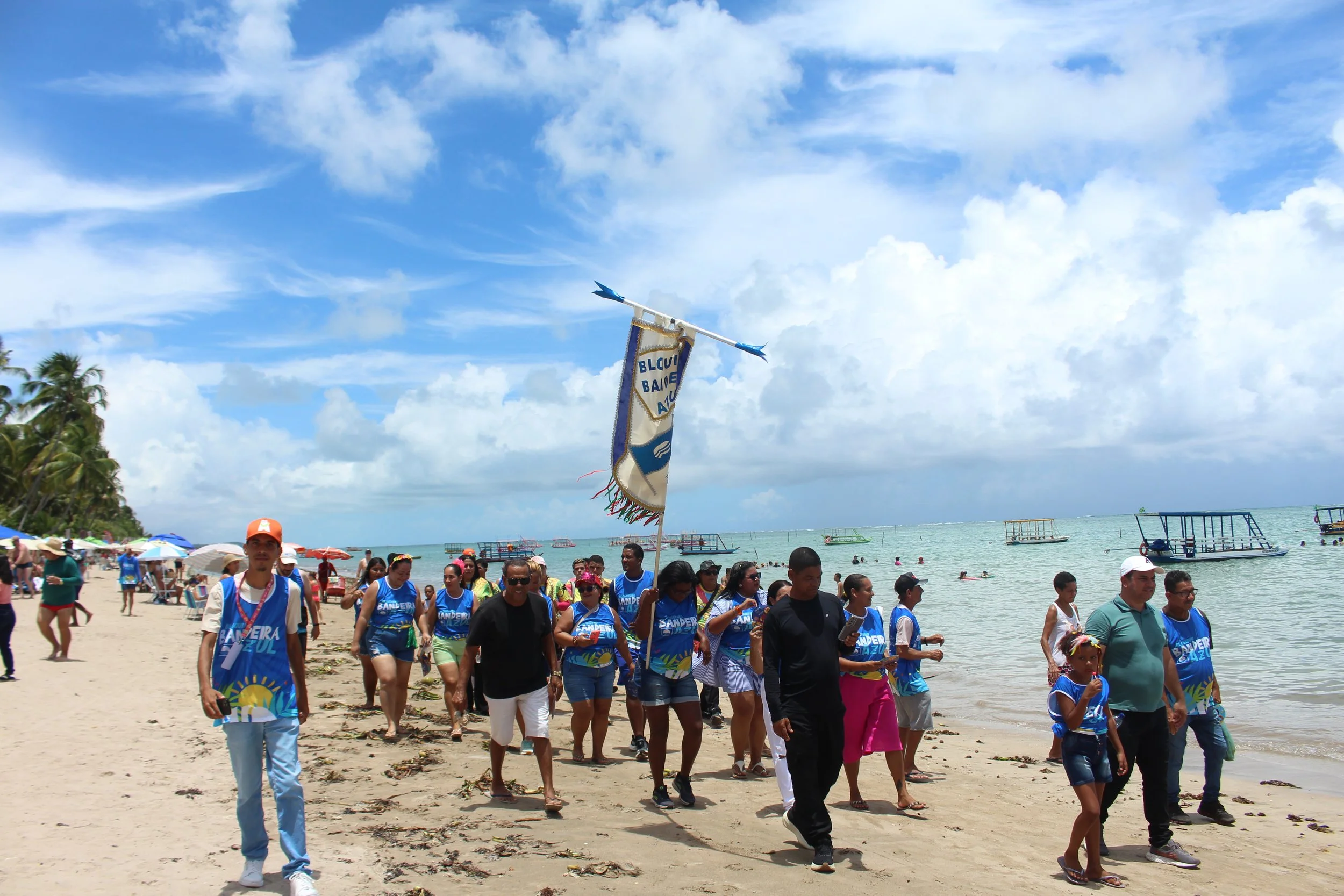
On 14 February 2026, during Brazil’s Carnival, the municipality of Porto de Pedras, located in northeastern Brazil, held another edition of its “Blue Flag Carnival Parade” (Bloquinho Bandeira Azul). The initiative brought together culture, environmental education, and health promotion in a moment of celebration combined with awareness raising.
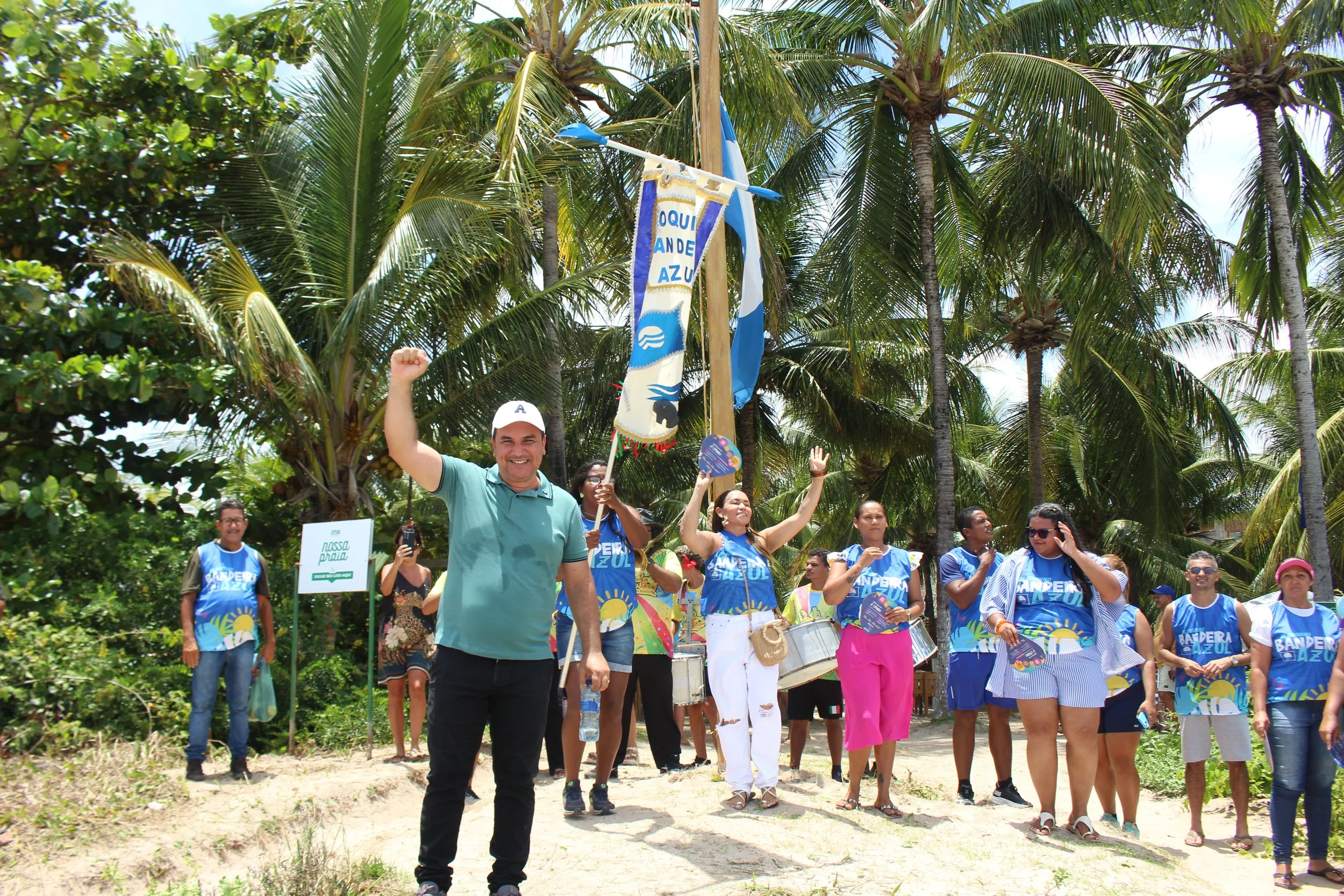
Organisedin partnership with the Municipality of Porto de Pedras, the Secretariat of Environment and the Secretariat of Tourism, the Blue Flag Carnival Parade demonstrates how different stakeholders can cooperate to draw attention to the local environment and its challenges.
The parade started at the “Green Tunnel,” a local natural corridor formed by coastal vegetation and continued to Patacho Beach, which was awarded the Blue Flag certification for four consecutive seasons.
Under the theme “The harm done to the environment is felt by the body,” the event addressed issues such as pollution, improper waste disposal, and environmental contamination, highlighting their direct impacts on public health and quality of life. Residents and visitors were invited to reflect on how individual and collective actions influence environmental and human well-being.
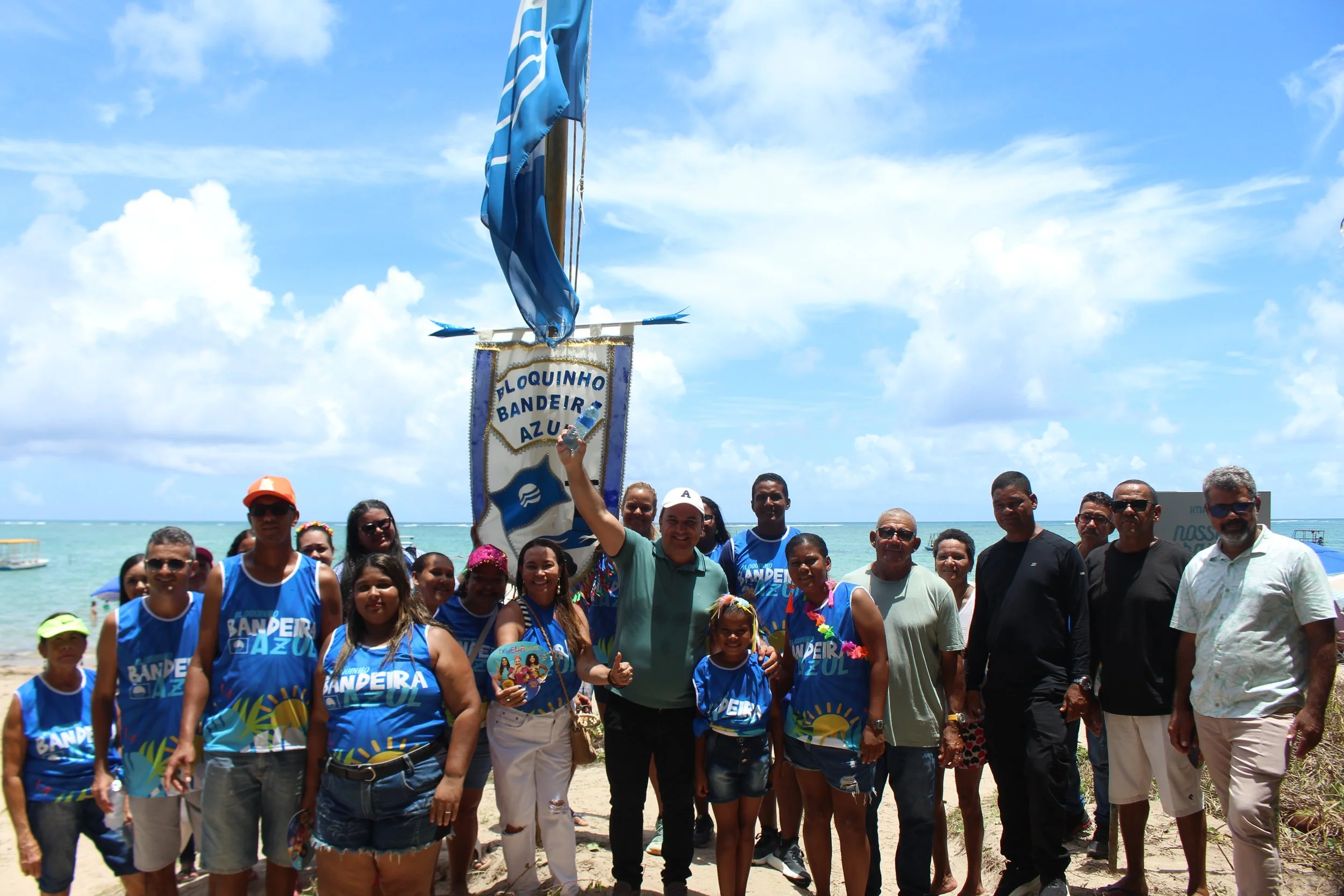
With a population of approximately 7,000 inhabitants, Porto de Pedras demonstrates that commitment to sustainability is not dependent on municipal size. The initiative reflects strong cooperation between local authorities and the community in promoting sustainable tourism and reinforcing practices aligned with Blue Flag principles.
The Municipal Secretary of Tourism, Lívia Crisiane, emphasised that the event strengthens both environmental protection and cultural identity. “The Blue Flag Carnival Parade allows us to celebrate while promoting care for our beaches and for people’s health. It is a way to welcome visitors responsibly and highlight our environmental commitment,” she stated.
The event also included awareness activities promoted by the Municipal Secretariat for Women’s Affairs, addressing the prevention of violence against women and expanding the social dimension of the initiative.