Visitor reservations are lucrative, and now they are also more sustainable. The more berths your marina can free up for visitors, the less pressure to build new marinas and damage the coast. And the good news is that more reservations don’t have to mean more work for your team.
FEE joins celebrations of this year’s World Tourism Day on ‘Tourism for Inclusive Growth’
On this World Tourism Day, which is dedicated to tourism’s potential to foster and promote inclusive growth, the Foundation for Environmental Education (FEE) is celebrating the achievements of its two tourism-related programmes, Blue Flag and Green Key, and their contribution to increasing inclusivity in the tourism sector.

Official message from the Foundation for Environmental Education’s CEO, Daniel Schaffer
As the world’s largest environmental education organisation, with members of all shapes and sizes in every corner of the world, inclusiveness is not only a core value for FEE but also a precondition for the sustainable development of our programmes. By involving multi-stakeholder approaches in our processes and including the voices of different interest groups, our programmes can ensure the long-term success of sustainable tourism development within local communities.
However, we believe that this does not only apply to our programmes, but to the tourism sector in general. Only if we strive for inclusive decision-making processes and empower all members of society can the positive economic and social benefits of tourism really be available to the whole community.
An example of inclusiveness through FEE’s Blue Flag programme is its work with accessibility organisations to ensure that people with disabilities can enjoy both the economic and recreational benefits of tourism. For example, the Paradisus brand, manager of two Blue Flag awarded beaches in the Dominican Republic, implemented an inclusion programme that gives work opportunities to people with hearing, visual or motor disabilities, while the programme in South Africa initiated the “Beach Stewards” project for the development and skills-training of unemployed youth for future employment in the eco-tourism sector. Furthermore, the Blue Flag programme promotes accessibility on beaches to make sure that everyone can enjoy them safely.

Photo credit: WESSA
In light of the latest global events, we have once again realised how important the tourism industry is and how many livelihoods directly and indirectly depend on it. Sadly, we have also once again come to witness that the impact of these kinds of events is worst for the most vulnerable members of society. A thriving, strong community must practice an inclusive approach that takes all its members into account and allows them to have a stake in decision-making.
Similar to how the pandemic affected the most vulnerable groups, so do the critical issues of climate change, pollution and biodiversity loss, which are at the heart of FEE’s GAIA 20:30 strategy to drive positive change over the next decade. At FEE it is our mission to empower people of all ages, genders, abilities, and classes to be part of the solution and build a future that benefits everyone.
A recent example of how FEE empowers people through education is our project on Education for Sustainable Development in the tourism sector. Within the scope of this project, hospitality professionals in Cambodia received training on sustainable practices to build their capacity to create a positive impact on the local community through their businesses. It was carried out through the Green Key programme in collaboration with the German Corporation for International Cooperation (GIZ).
Changing mindsets about inclusivity and tackling the challenges presented in FEE's GAIA 20:30 strategy, through either top-down processes or through grassroot initiatives, requires educational tools and resources for many different audiences. FEE recognises that education is an essential element for driving positive change and will continue to embed education in all its programmes and initiatives.

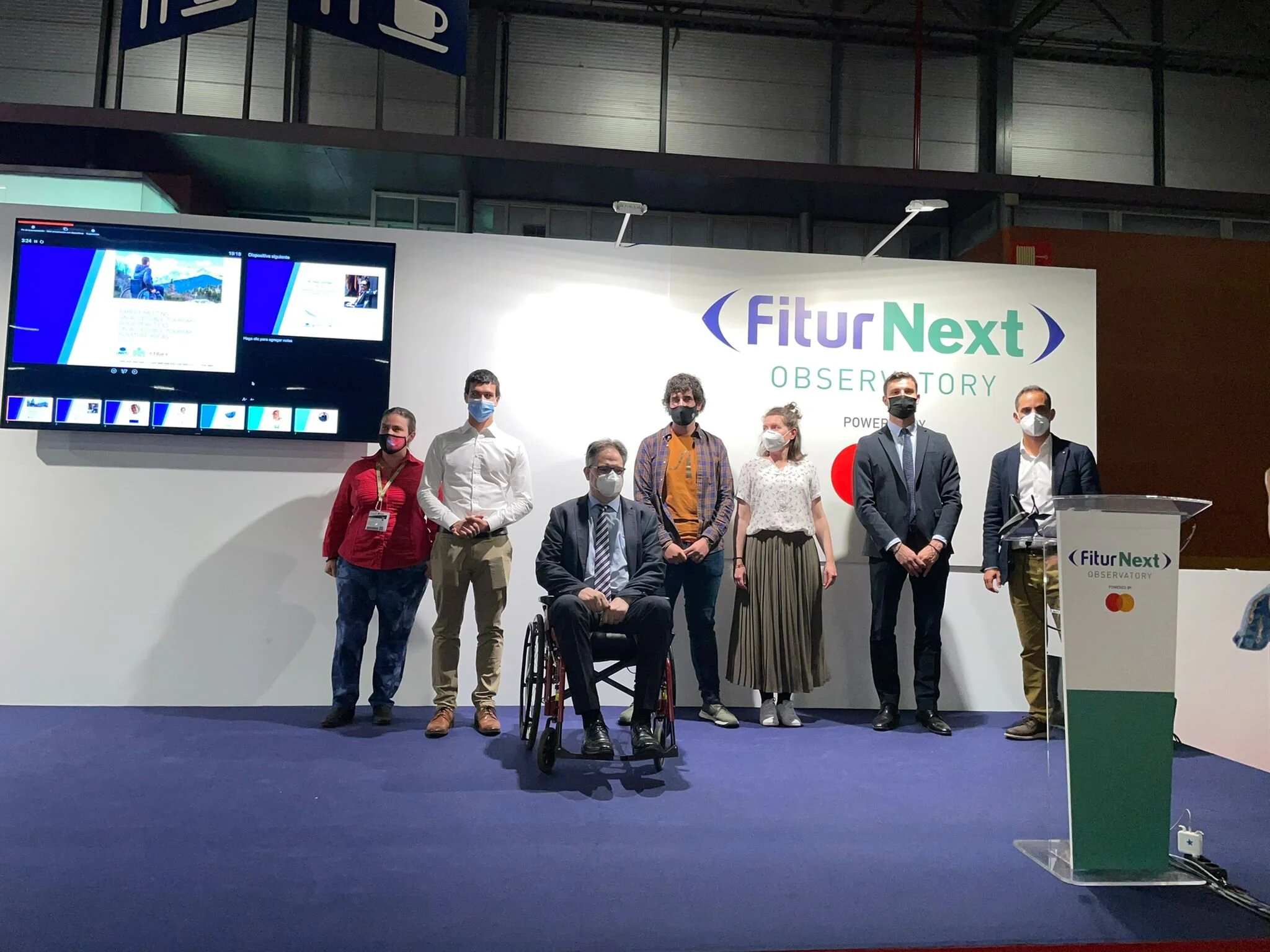
Accessibility and Inclusive Tourism Development in Nature Areas
The Sea Pastic vessel

“When SEA Plastics contacted Blue Flag, we did not hesitate to put ourselves at their disposal to facilitate their journey between the marinas of Catalonia, Valencia and the Balearic Islands, as it’s very important to us to investigate the micro-plastics that are affecting our Mediterranean Sea so much.”
Blue Flag and Pick a Pier Join Forces in Rewarding Sustainable Maritime Businesses
Blue Flag Turkey fights marine litter

Notwithstanding the tough year behind us, one of our Blue Flag members, Blue Flag Turkey, has not stopped protecting their beaches. Their work against marine litter in Sardala Bay, Kındılçesme and Şile was recorded and plotted on the European Environment Agency marine litter maps, with the intention to guarantee a cleaner and safer environment for future generations.
Blue Flag growth continues in Asia and South America, International Jury awards first beaches in India and Chile
Blue Flag International is pleased to announce the results of the Blue Flag International Jury meeting for sites in the Southern Hemisphere; the full list of awarded sites is now available on the Blue Flag International website. An exciting highlight of this year’s evaluation is the expansion of the programme into new countries in Asia and South America, with the International Jury awarding the first Blue Flags to beaches in India and Chile.
Adapting a Blue Flag environmental education activity to COVID-19 restrictions
Blue Flag Pilot Status for Three Tobago Beaches
On Monday, the 12th of October 2020, the Tobago Tourism Agency Limited (TTAL) received the Blue Flag Pilot status from the Blue Flag International Jury for three beaches in Tobago. The beaches of King’s Bay, Bloody Bay and Mt Irvine Bay received a formal endorsement to fully engage in meeting the Blue Flag criteria and to submit their applications for the Blue Flag award as early as 2021.
Monitoring marine debris for global environmental solutions!
School children in Brazil raise awareness about ocean littering issues

Blue Flag declares a climate emergency
Blue Flag joins other leaders in the tourism industry to call for urgent action on the climate crisis through the Tourism Declares a Climate Emergency initiative.